by Sasha Riess | 08.06.26. | Nutrition
Many owners become worried when black stool in dogs appears, immediately suspecting internal parasites or bleeding. However, the truth is often much simpler. Just like in humans, stool color is a reflection of what your dog has eaten in the past hours.
When Is Dark Stool in Dogs Normal?
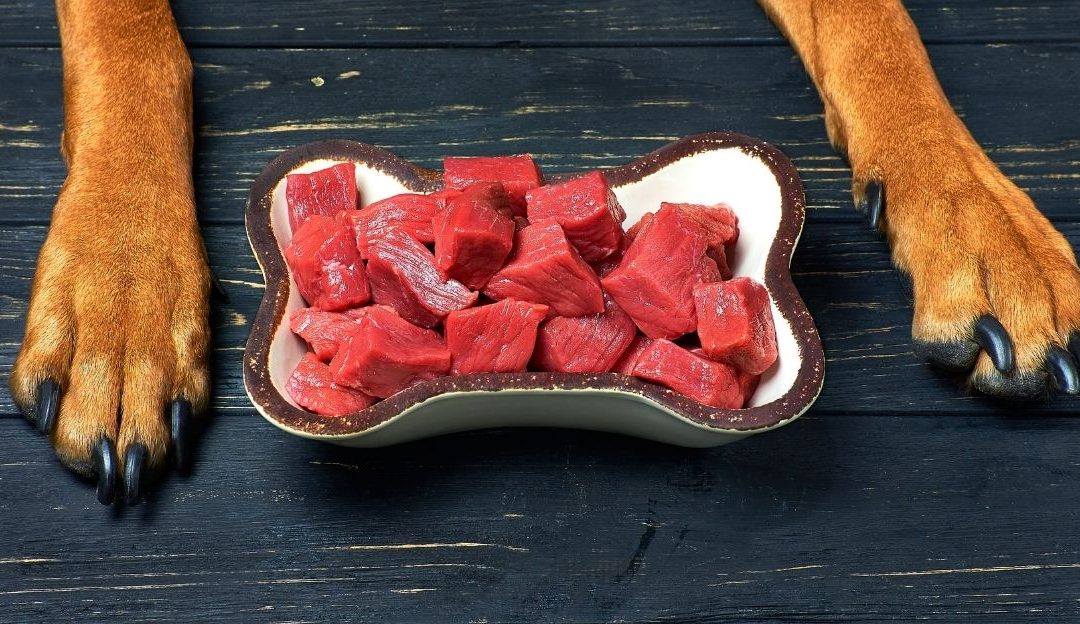
Dark stool is common in dogs that consume a lot of meat, especially organ meats, or eat cooked food. Certain foods can significantly change stool color. Just as beetroot can cause red shades in humans, specific ingredients can lead to black stool in dogs.
However, it is important to know that a black, tar-like stool can sometimes indicate internal bleeding in the upper parts of the digestive tract. That is why it is essential to observe behavior, not just color.
How to Recognize If Black Stool in Dogs Is Dangerous
Color alone is rarely the only symptom. If your dog has diarrhea but is still cheerful, active, and eating normally, it is most likely a temporary stomach irritation.
But if black stool in dogs appears along with the following symptoms, immediate attention is needed:
-
Loss of appetite and refusal to drink;
-
Vomiting or pronounced lethargy;
-
A drastic change in normal behavior.
First Aid for Digestive Disturbances
If you notice the problem without severe symptoms, the first step is to pause feeding for a short period. After that, for the next three days, offer a light diet: cooked rice and lean white meat with very little salt. This will help stabilize digestion, even if black stool in dogs was temporarily present.
At Sasha Riess, we look at the whole system to find balance. When dealing with issues like black stool in dogs, observing behavior alongside physiology brings pureloveandharmony. Keep track of their health: Linktree Sasha Riess
by Sasha Riess | 06.06.26. | Coat Care
Dragana has a Bichon and wants to know what she should do to prevent matting. She has been warned that a Bichon must be brushed regularly or the coat will tangle, and she was even frightened with claims that wounds can develop beneath mats. These are common concerns among owners of this breed.
Proper Routine and the Bichon
A proper routine includes regular bathing and brushing exclusively during the drying and blow-drying process. Brushing is not dismissed as an idea, it is simply moved to another phase of the dog’s care. In this phase, you achieve a healthier, well-maintained coat, and your relationship with the dog improves significantly. What is the value of an unmatted coat if the dog is unhappy?
With an unhappy dog, it is impossible to build a good relationship if the dog approaches you out of fear or because it is being bribed with food. Only professional groomers can develop a comfortable dry-brushing technique in which both the person and the Bichon feel at ease. When the coat is dry and brushed incorrectly, the process is painful, and the hair tangles more than it is actually brushed out. Because the Bichon’s coat is very dense, with a thick undercoat and curls, maintaining it with dry brushing is extremely difficult.
The Importance of Blow-Drying and Equipment
Brushes used during blow-drying must be of precise quality, firmness, and pin shape so they can penetrate the coat correctly. That is why I repeatedly emphasize how important it is to bathe a Bichon regularly and, as part of that routine, brush only during blow-drying.
How often this should be done depends on age, nutrition, and lifestyle, but it can generally be carried out every 5, 7, or 10 days. An adult dog that is maintained regularly can be bathed every 10 to 15 days, with mandatory use of both shampoo and conditioner. Conditioner further supports proper coat growth and helps keep it clean. Remember, brushing only during blow-drying. This eliminates the fear of matting and provides the dog with a higher quality of life.
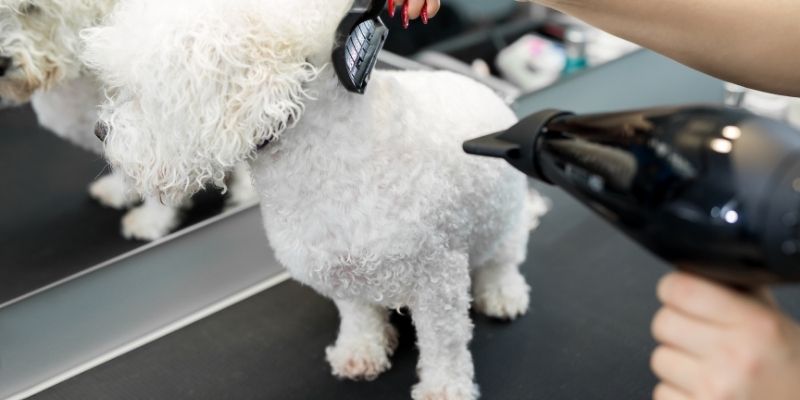
The key to success: Bichon brushing brings results only during the blow-drying process.
Why Do Wounds Develop in Bichons?
It is true that when the coat becomes matted, wounds can form beneath the mats. Because the Bichon has a dense undercoat, oxygen cannot reach the skin. Lack of oxygen, combined with moisture and a body temperature of about 38°C, creates ideal conditions for bacteria to develop, infect the skin, and cause painful sores. Proper hydration and correct drying technique are the best forms of prevention.
At Sasha Riess, we advocate for grooming methods that respect both canine anatomy and psychology. Shifting care to wet-brushing ensures your Bichon lives a life of comfort and pureloveandharmony. Protect their skin: Linktree Sasha Riess
by Sasha Riess | 06.06.26. | Nutrition
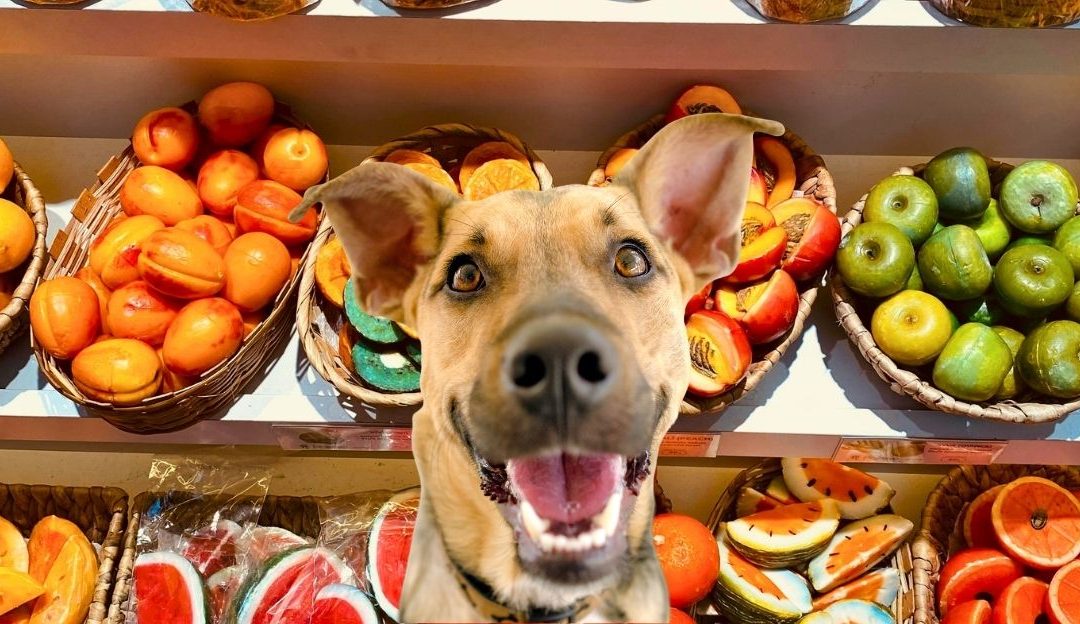
When it comes to canine nutrition, owners often have doubts about foods that we use in our daily diet. The short and simple answer to the question of whether can dogs eat oranges, mandarins, kiwi, grapefruit, lemon, and chestnuts is yes. However, this answer comes with an important “but,” which relates to moderation and the individual needs of your dog.
Everything Depends on Quantity and Frequency
Although these foods are generally safe, they should not be a daily part of the diet. It is recommended to give them once or twice a week, or even every other week, depending on how your dog is normally fed.
The most important thing is to observe your dog. For some dogs, these fruits may be an easy treat they tolerate without problems. For another dog, even a small piece may act like a “test pill” for the stomach.
Observe Your Dog’s Digestive System
The decision about whether something is good for your dog always depends on the condition of its body. Before offering kiwi or citrus fruits, ask yourself:
-
How stable is my dog’s digestive system?
-
Is the stomach sensitive or already irritated?
-
Is the stomach acidity too weak or too strong?
All these factors influence how a dog will react. Even a generally safe food can cause problems if the stomach is not ready to process it.
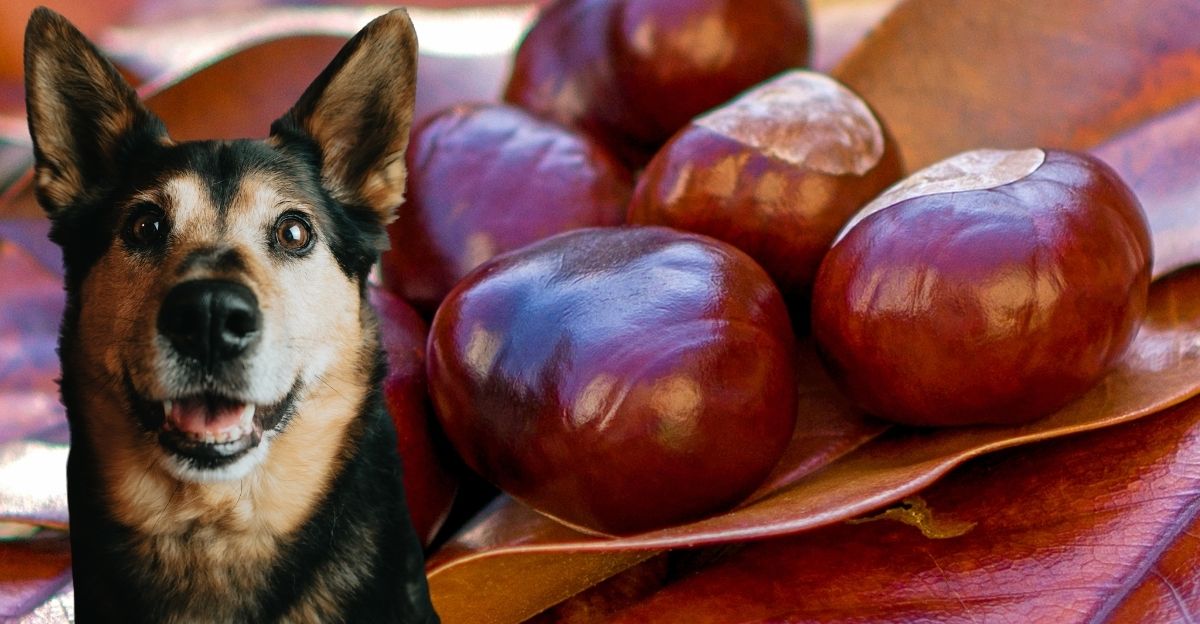
The safety of food is always relative to the individual health of the dog.
You Make the Final Decision
The safety of foods such as chestnuts or lemons is always relative to the individual health of the dog. Your role as an owner is to observe your dog’s reactions and make decisions accordingly. Dog nutrition is not a universal template, but a living process that you adapt to the individual being you know best.
At Sasha Riess, we believe nutrition is a conversation between the leader and the dog’s biology. When we listen to their digestive system, we create pureloveandharmony. Discover more insights: Linktree Sasha Riess
by Sasha Riess | 05.06.26. | Coat Care
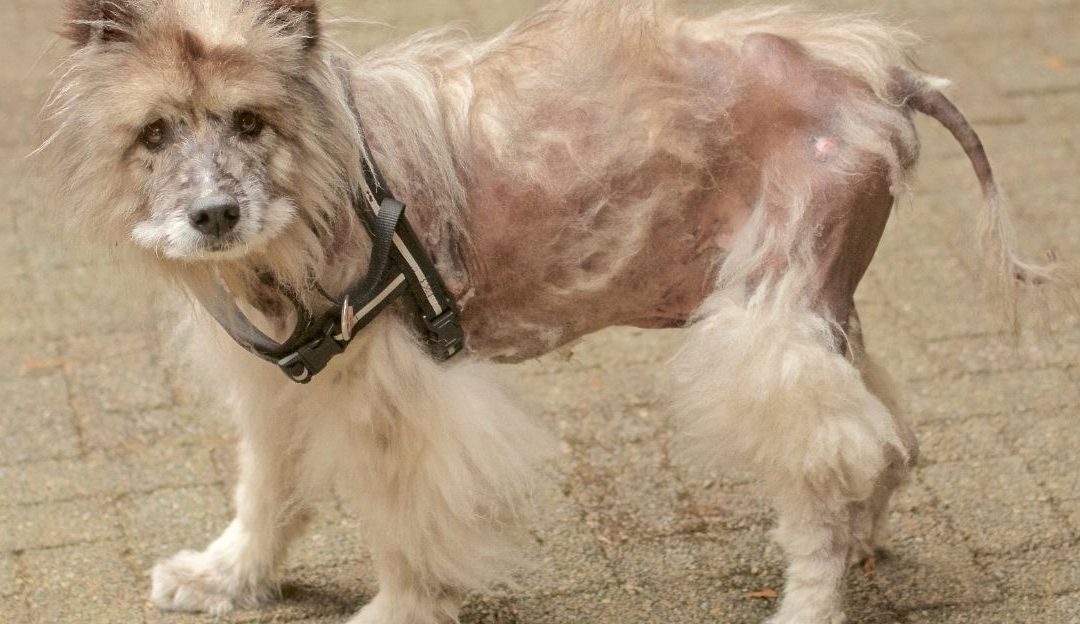
When we speak about alopecia in dogs, we usually think of hair loss. However, what we are discussing today is a systemic problem of the immune system, a conceptual disorder in which the skin becomes thickened and oily. This is not simply a matter of hair falling out. The real problem is that new hair cannot grow because it cannot break through the barrier of thickened skin.
A Systemic Problem, Not Just an Aesthetic One
Hair follicles stop functioning not because they are destroyed, but because they are waiting for the right conditions, for the skin to become soft and permeable again.
This is an immune response of the body that requires a deeper approach than ordinary anti-hair loss shampoos. Understanding this shift is essential for any dog owner dealing with chronic skin issues.
A Holistic Protocol: The Path to Recovery
For conditions like alopecia in dogs, there is a holistic protocol that addresses the cause, not only the symptom. Statistics show that 80 percent of people who consistently follow holistic protocols manage to restore the health of their pet’s skin. The remaining 20 percent often do not succeed because the process requires time, discipline, and an understanding of the systemic nature of the condition.
My protocol includes several key pillars:
-
Bathing protocol: Specific care that softens the skin.
-
Nutrition and probiotics: Strengthening the microbiome and immune system from within.
-
Homeopathy: Natural support that helps the body return to balance.
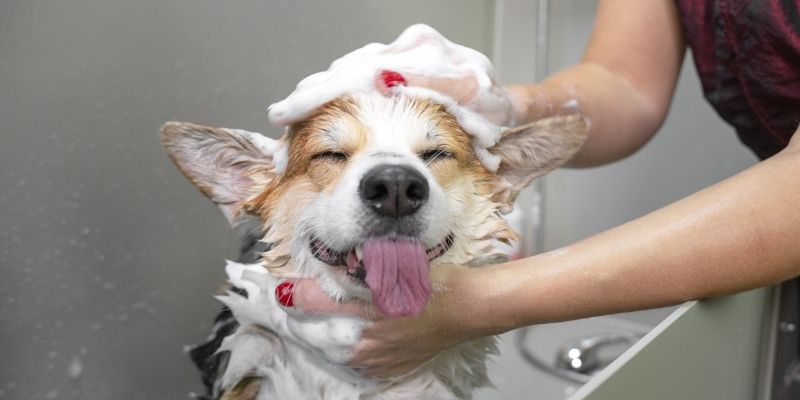
A specific bathing protocol is essential to soften the skin and allow growth.
Where to Find a Solution
If your dog is struggling with this problem, do not lose hope. On the website in the profile description you will find the PLH portal. There you can ask questions, and my team will send you a detailed protocol that includes care, nutrition, and natural therapy. It is time to restore softness to your dog’s skin so that the hair can grow again.
At Sasha Riess, we treat alopecia in dogs by restoring the skin’s natural permeability. When the barrier is softened, health returns through pureloveandharmony. Start the healing process: Linktree Sasha Riess

by Sasha Riess | 05.06.26. | Behaviour
In the modern world, we have become somewhat lost. We call dogs our babies, souls, and angels, yet we forget one essential fact: you are the dog owner. Between that role and a stable, happy companion, there is nothing except clear responsibility. For a dog to be balanced and able to follow your guidance, it must have a leader who understands not only its heart but also its biology.
The Right to Regulation and Perception
Being a conscious dog owner means giving yourself the right to self-regulation. You cannot guide a dog if you have not regulated your own energy and understanding of the world. This includes working with the physiology of the dog’s heart and respecting the way the dog perceives its surroundings. A dog does not experience the world through words, but through energy, minerals, and the biological processes taking place within its body.
The Price of Health and Mineral Balance
When we speak about health, people often question the cost of supplements and minerals. However, the real question for a responsible dog owner is: what is the cost if we do not provide them?
Mineral balance is not a luxury, but a biological foundation without which the organism cannot function properly. We cannot expect stable behavior from a dog whose physiology is out of balance. As a dog owner, it is your duty to understand that health cannot exist halfway. It is either present as a whole, or it is absent. That is the price we must be willing to pay for the true wellbeing of our dogs.
At Sasha Riess, we empower every dog owner to lead through biological understanding. True health is a whole, and it starts with pureloveandharmony. Take responsibility for their balance: Linktree Sasha Riess
by Sasha Riess | 04.06.26. | Wellbeing
The Paradox of Veterinary Ethics: Love vs. The System
It is not always a question of who a person is. Often, it is a question of the system they are forced to function within. You can sincerely love animals and still find yourself in a role that contradicts that love. This is the fate of many who study veterinary ethics or related sciences: to receive a diploma, they must learn systems of breeding where the focus is placed exclusively on public health rather than on the emotional world of animals.
The Animal as a Production Machine
In the modern context, veterinarians are often placed in service of designing systems in which animals are treated as objects.
The goal is to prevent disease transmission for human safety, while ignoring the subtle, familial, and emotional nature of beings.
This paradox creates a profound inner conflict in anyone who entered the profession out of love, highlighting a core struggle in veterinary ethics.
How to Maintain Empathy within Veterinary Ethics
It is easy to judge from the outside, but it is important to understand how difficult it is to protect yourself from a system while living inside it. Education often places biosecurity above empathy, challenging the very foundation of veterinary ethics.

Preserving oneself lies in constant questioning of the system.
The key to preserving oneself lies in constant questioning. We must not allow the system to shape us so completely that we stop seeing the emotional world of animals behind protocols and signatures. Only through awareness can we remain a bridge toward what animals truly need: recognition of their existence beyond the function they serve.
The true measure of veterinary ethics is found in the moments when we choose to act from the heart, even when the system demands cold logic. By acknowledging that animals have a complex emotional life, we transform from mere technicians into true guardians of life. This shift is what allows us to bridge the gap between human safety and animal well-being, ensuring that empathy remains at the core of our professional path
At Sasha Riess, we believe that true veterinary ethics starts with seeing the animal behind the protocol. Our mission is to move beyond the machine and return to a state of pureloveandharmony. Stay connected to the truth: Linktree Sasha Riess
by Sasha Riess | 04.06.26. | Wellbeing
In the world of dogs, defecation is not just a physiological need; it is an act of marking territory. On the left and right sides of the anal opening are anal glands that secrete a specific fluid. When the stool has the proper firmness, it applies pressure as it passes, releasing this secretion and leaving a unique scent signature on the feces.
The problem arises when this natural mechanism fails.
How Food Solves the Problem of Blockage
The secretion inside the glands must remain fluid in order to be released easily.
However, if the dog does not have firm and compact stool, the necessary pressure on the anal glands is missing. The secretion stays inside, thickens, and leads to blockage.
The solution is not constant manual expression, but proper nutrition. One fresh, raw bone per week can be enough to improve stool firmness and allow the anal glands to empty naturally, on their own.
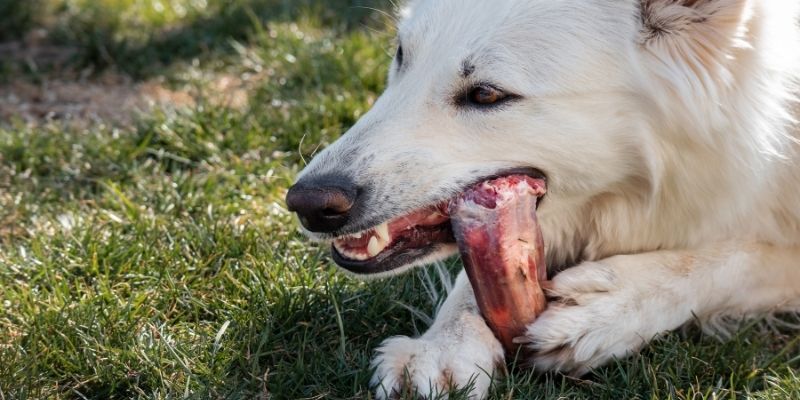
One raw bone per week supports the natural emptying of the glands.
Symptoms That “Shout”: The Glands Are Full
How can you recognize that your dog has a problem with its anal glands? Pay attention to these signs:
-
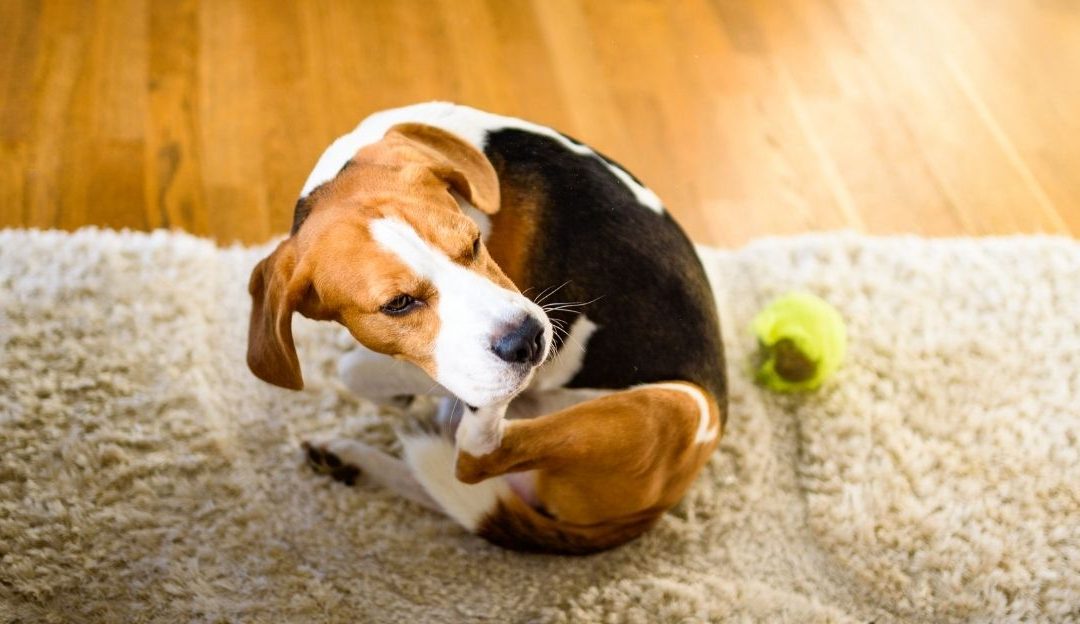
Scooting: The dog drags its rear on the ground to relieve pressure.
-
Hair loss: Intense scratching and hair loss around the base of the tail and lower back.
-
Physical changes: Swelling or redness around the sides of the anal opening, often accompanied by visible discomfort or agitation.
If you notice your dog constantly scratching the rear area or losing hair in that region, do not wait. The anal glands should first be manually expressed by a veterinarian or groomer, followed by an immediate adjustment in diet. Compact stool is the only way for this system to function as nature intended.
At Sasha Riess, we believe in addressing the cause, not just the symptom. Supporting the natural function of anal glands through proper biology is essential for pureloveandharmony. Keep the system moving: Linktree Sasha Riess
by Sasha Riess | 03.06.26. | Behaviour
In recent years, one topic has been increasingly emerging in the world of human-dog relationships: the rise of anxiety in dogs. What was once considered an isolated issue is now becoming a pattern seen in almost every society where dogs live closely with humans.
This phenomenon is now discussed in scientific research, veterinary practice, and even in major media outlets. Recently, The New York Times dedicated an extensive report to this very issue, trying to understand why more and more dogs show signs of stress, fear, or separation anxiety in dogs.
Changed Living Conditions and Rising Stress
The modern dog often lives in an environment shaped by the human pace of life. Apartments, confined spaces, and the emotional pressure people carry from daily life all create a reality very different from the one in which the human-dog relationship developed over thousands of years. In such an environment, the dog is part of the system.
In my book About Dogs and Awakening (2018), I wrote that we would see more behavioral issues if we did not begin to understand the deeper connections between humans and animals. Today, we are living in that world.
Dogs as Carriers of Emotional Patterns
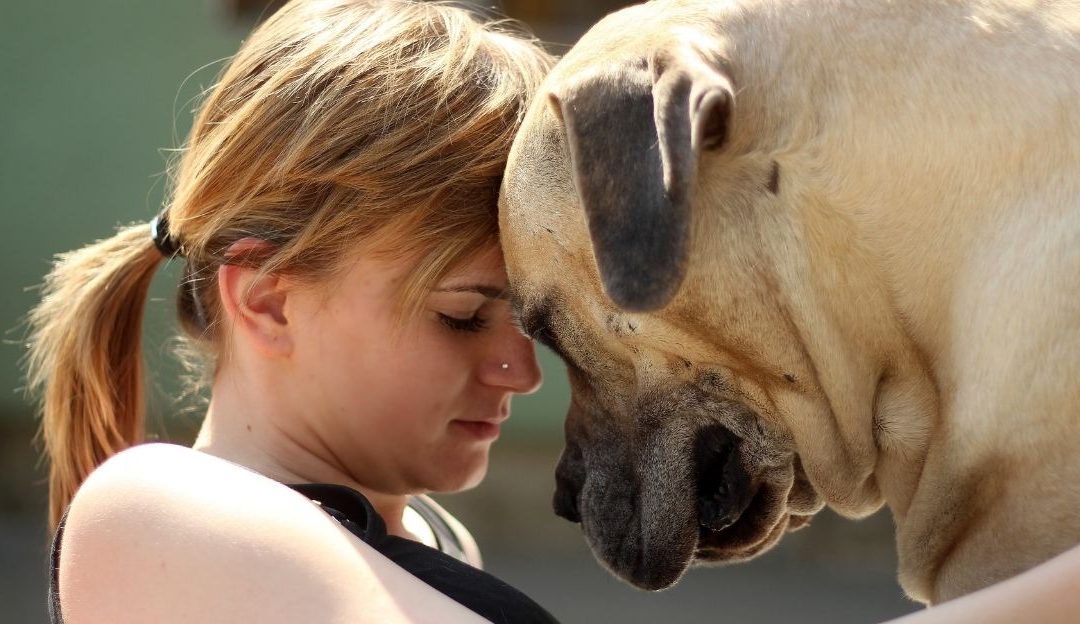
Dogs live within a relational field. Biologist Rupert Sheldrake described the concept of morphic fields—informational fields that connect living beings. In this context, anxiety in dogs may not always originate within the dog itself. Dogs respond to tension and insecurity in the human nervous system long before we become aware of them.
The dog is a mirror of the system in which it lives.
Symptoms That Require Understanding the System
When the dog’s nervous system becomes oversensitive, symptoms of anxiety in dogs appear: fear of sounds, distress when left alone, or constant tension. If the dog is part of a broader emotional system, then behavior is not just a matter of discipline. It is a signal that the relationship is seeking balance.
Perhaps the dog is the first to show that the system we live in is not in balance. If we see this as part of the relationship, it becomes valuable information.
Conclusion: A Shared Connection
Dogs have developed an extraordinary ability to read our emotions over thousands of years. The relationship between a human and a dog is not just a shared living space. It is a shared nervous system.
At Sasha Riess, we look beyond the symptoms to find the source of the imbalance. Addressing anxiety in dogs requires a holistic approach to the shared nervous system, leading back to pureloveandharmony. Find balance together:Linktree Sasha Riess
by Sasha Riess | 02.06.26. | Behaviour
You can change your hairstyle, makeup, car, high heels, or botox, but none of it can replace the inner happy woman who is at one with herself. An authentic woman is one a husband cherishes for her femininity, a woman who does not have to carry everything on her own shoulders.
She carries her parents within her, not searching for a substitute for her father in a partner, nor running away from herself.
Your Dog Sees What Botox Tries to Hide
Our dogs see exactly that woman within us, the one we often fail to see or feel ashamed of. Your makeup is irrelevant to them; they sense inner harmony or its absence. When an authentic woman lives her essence through her wrinkles and gray hair, embracing both mother and father within herself, her dog finally relaxes.
The dog no longer has to carry the burden of her need for validation from the outside world. Dogs seek authenticity, not perfection. They love a woman who does not run from her femininity and who does not project her unfulfilled needs onto them. An authentic woman does not seek validation from the outside; her peace becomes an anchor for herself and for the dog who follows her without hesitation.
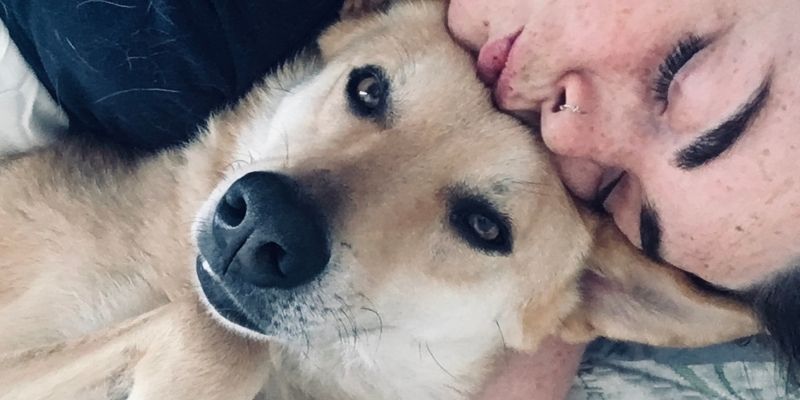
Your peace becomes an anchor for yourself and your dog.
An Authentic Woman Does Not Project Restlessness Onto Her Dog
When a woman embraces her essence, she stops searching for external substitutes for inner emptiness. A healthy relationship with a dog can help you discover a unique strength and embrace your femininity.
If we learn to see a dog for what it truly is, perhaps we will gather the courage to look in the mirror and love what we see. Only then do you become an authentic woman whose peace the dog follows effortlessly. It is time to break the masks.
At Sasha Riess, we believe that being an authentic woman is the foundation of a healthy bond with your dog. When you embrace your true self, you create a space of pureloveandharmony where masks are no longer needed. Discover your inner strength: Linktree Sasha Riess
by Sasha Riess | 01.06.26. | Behaviour
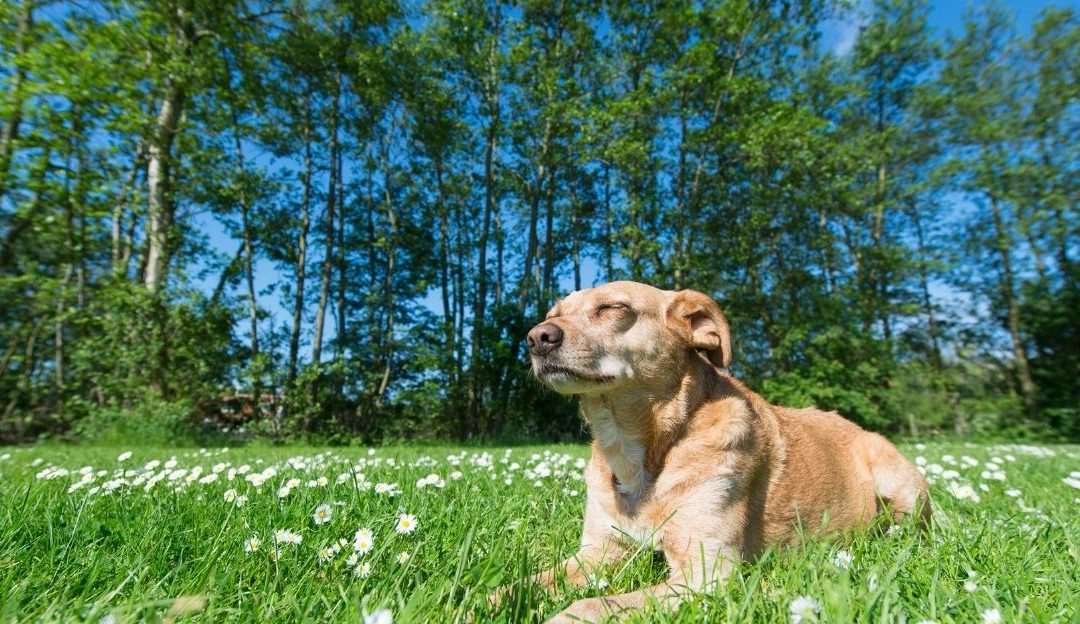
Unlike humans, dogs do not have the ability to live in the future. They do not make plans, set goals, or fear what tomorrow may bring. A dog lives in the moment, fully present here and now, exactly as they are. This is a lesson in presence we must learn.
A Dog Does Not Imagine the World, It Feels It
While we analyze the past or worry about the future, the dog is there, in its body. It does not search for answers and is not confused, even though it asks no questions. Because a dog lives in the moment, it is content; in that instance, nothing is missing. This calm presence is what makes dogs the most stable members of our environment.
The Power of the Present Over the Past
Many owners worry about their dog’s past, especially with adopted pets. However, canine psychology tells us that what is new can always overcome what once was. Because a dog lives in the moment, they have an incredible physiological capacity to adapt. In every moment, they seek:
Your strength in the present moment directly shapes how your dog feels.
Why Your Stability Is Essential for Your Dog
A dog senses destiny through you. Since a dog lives in the moment, it expects calmness and serenity from its leader. If you are distracted, the dog suffers because it cannot find the peace it expects. To be a leader means staying „here and now,“ allowing your dog to feel safe even when life is challenging.
At Sasha Riess, we recognize that a dog lives in the moment to teach us about our own presence. Our goal is to provide the stability they need to maintain pureloveandharmony. Focus on the now:Linktree Sasha Riess