by Sasha Riess | 21.05.26. | Behaviour
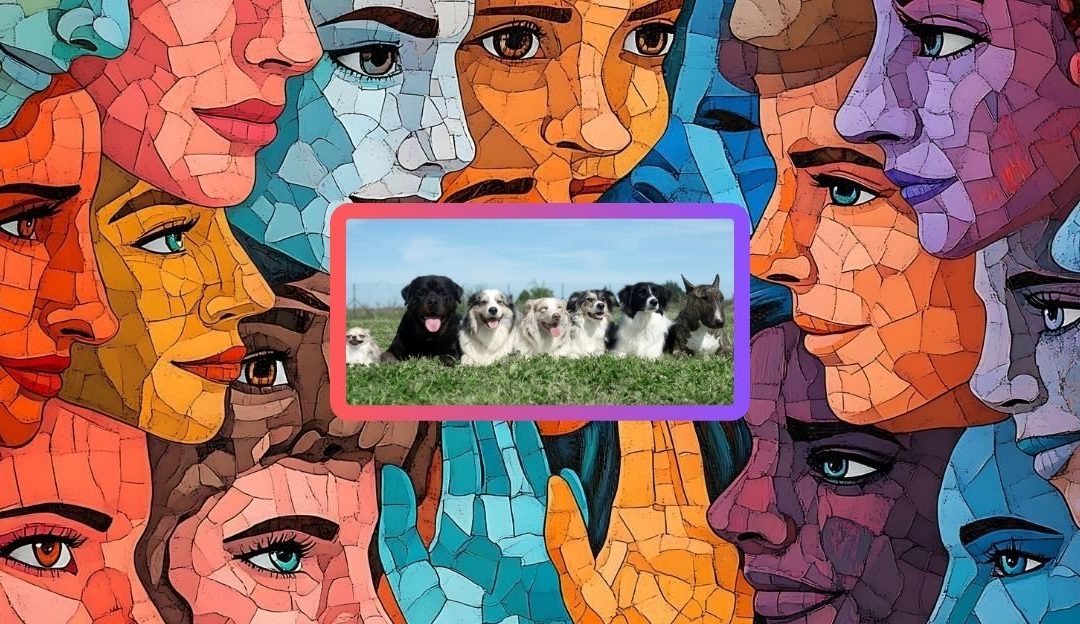
The human-dog relationship is often a mirror of our personal attitudes, fears, and cultural patterns. Differences in opinions, tastes, and values are not a problem in themselves; they become dangerous only when dogs suffer because of them.
Why People Disagree Even About Dogs
Differences in what we like are not random. When we choose a dog, we often do not choose a living being—we choose an image.
-
One person dislikes black dogs.
-
Another focuses on the fur.
-
A third sees only beauty.
There is no right or wrong here, only difference. People look at life through different filters, and different opinions are not an attack. The problem begins when these differences justify poor treatment.
A Paradigm That Brings Results
There is a way of thinking and working with dogs that, when applied consistently, brings real results to the human-dog relationship:
If a method produces these results, why should it be dismissed just because it challenges the dominant belief that a dog is „problematic“?
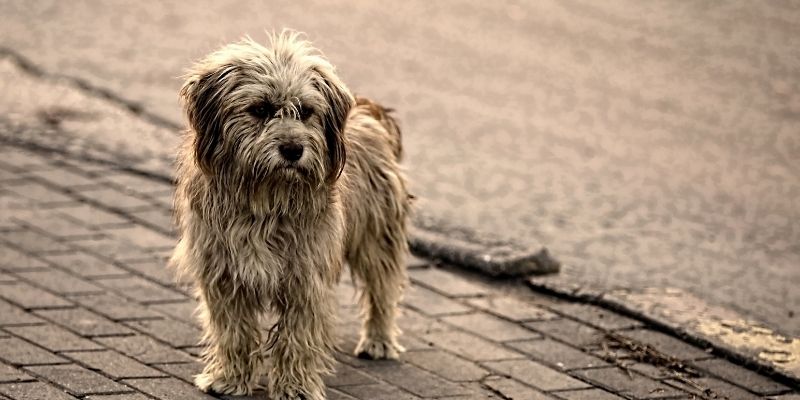
The dog is the animal that suffers most because of humans.
Who Truly Suffers in the Human-Dog Relationship?
There is no animal beside which humans suffer more than a dog, but there is also no animal that suffers more because of humans. The dog is the only animal completely bound to human decisions, fears, and projections.
Because of this, the responsibility always lies with us.
Changing Our Perspective
Differences in opinion are not the issue. The issue is when a dog pays the price for our aesthetic criteria or our fears. If we change how we perceive them, we change their fate.
At Sasha Riess, we believe that the human-dog relationship should be based on understanding the dog’s true nature, not our own projections. Only then can we achieve pureloveandharmony. Learn how to look past the „image“ and see the soul: Linktree Sasha Riess
The Dog Groomer’s Letter of the Month Club with Sasha Riess
by Sasha Riess | 21.05.26. | Nutrition
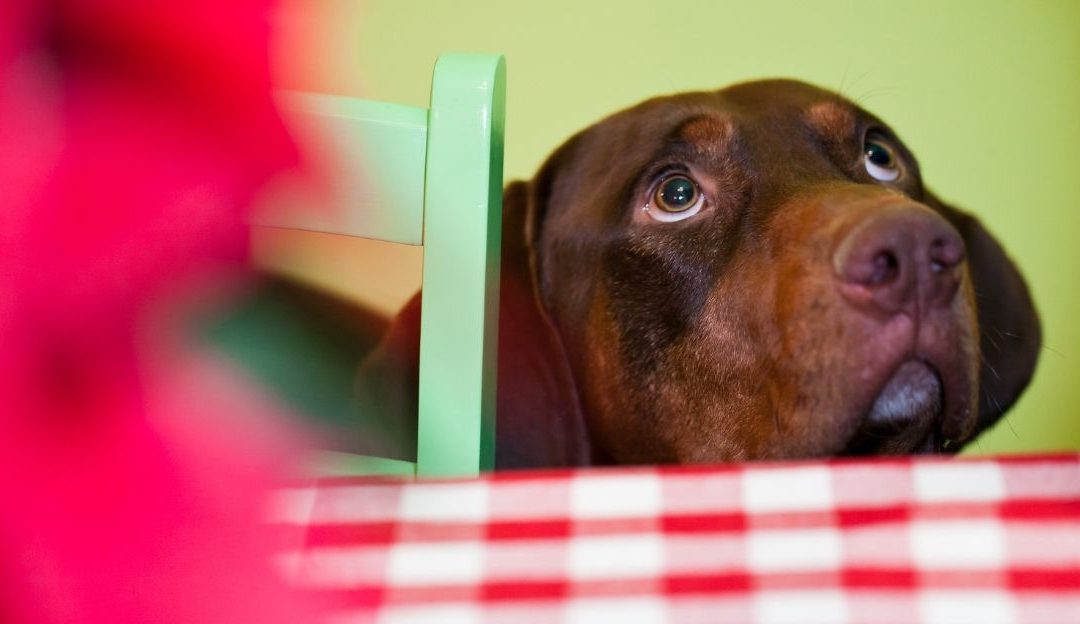
“My dog keeps begging while I am eating at the table.” “He looks at me with those eyes, I feel sorry for him.” “I gave him just a little.”
And that is exactly where the problem begins. Not in the dog, but in us. Feeding a dog out of pity is one of the most common ways we unintentionally damage our relationship with our pets.
How Feeding Out of Pity Creates a Problem
When feeding a dog regularly while you are eating, the dog does not learn to eat at its own time. Instead, the dog:
-
Learns that your presence is a condition for food.
-
Connects safety with you being there.
-
Loses structure in one of the most basic needs—nutrition.
The result is often not just a bad habit, but severe separation anxiety and the dog refusing meals when alone.
The Dog Does Not Understand Your Intention, Only the Context
You might think you are showing love, but the dog understands structure, rules, and consistency. When feeding a dog from the table or outside a routine, the dog interprets this as instability and an absence of leadership.
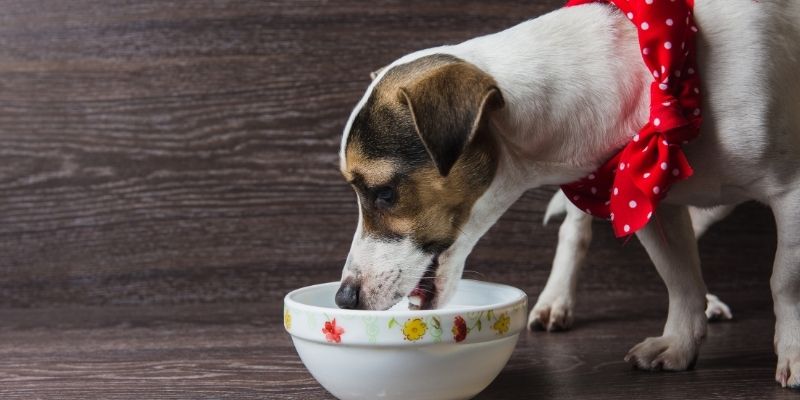
Urination is often a message of insecurity, not a health problem.
Why the Dog Refuses to Eat Its Own Meal
When it’s time for the dog’s actual meal, they are often already waiting for a “better option” because they know someone will give in. We often blame the dog for being “stubborn,” but in reality, we were the ones who said yes out of weakness.
Structure Is Not Coldness, Structure Is Safety
Structure means:
-
The dog eats at its own time.
-
The dog does not eat from the table.
-
The dog does not receive food just because it asks.
A dog that has structure feels safer and can stay alone more easily. They don’t constantly seek validation because they trust your leadership.
Why Feeding Out of Pity Can Be Fatal
Over time, inconsistent habits in feeding a dog lead to anxiety and a loss of trust. A dog you constantly give in to does not trust that you are capable of leading. And a dog without trust is a dog that suffers.
At Sasha Riess, we believe that true love is expressed through clear boundaries. Proper habits in feeding a dog are the foundation of pureloveandharmony. Establish your leadership and structure today: Linktree Sasha Riess
Sasha Riess Pure Love & Harmony Duo Pack The Complete Dog Coat Care System
The Dog Groomer’s Dilemma: Journey Trough Burnout, Belonging and Becoming
by Sasha Riess | 20.05.26. | Wellbeing
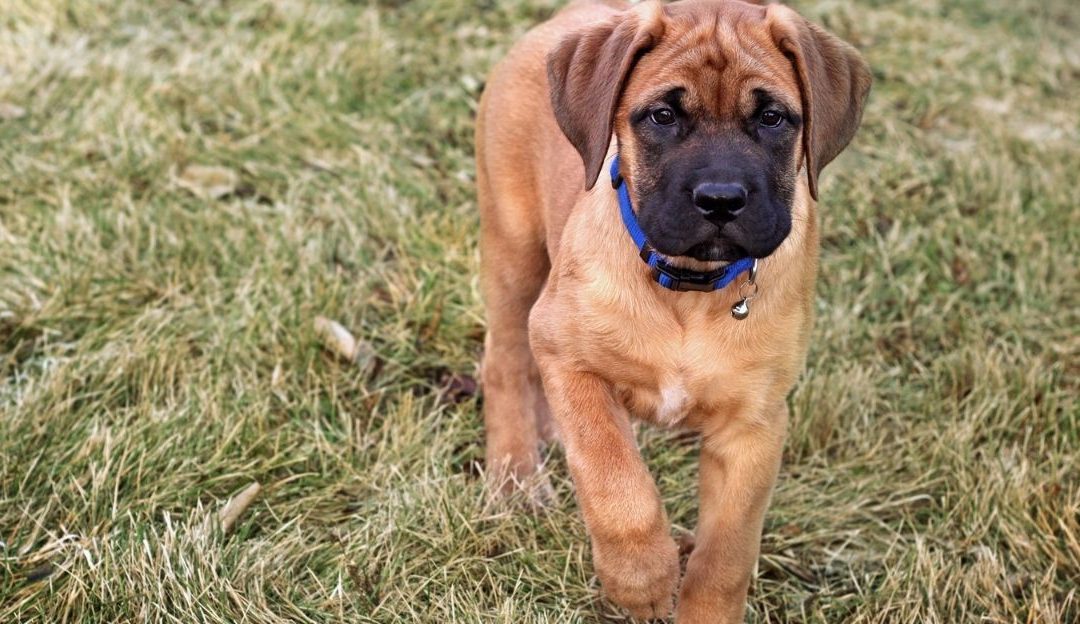
Dog owners often become alarmed when they see changes on an X-ray that resemble hip dysplasia, especially if the dog is only 7 to 8 months old. Although the image may look like dysplasia, at this age, it is not possible to speak with certainty about a final diagnosis.
Development, Not Disease
An 8-month-old dog is still in an intensive phase of growth and development. Bones, joints, ligaments, and muscles do not develop at the same pace, which can create a temporary appearance of instability.
During this period:
On an X-ray, these developmental shifts can resemble hip dysplasia, but without considering the dog’s age, the image can be easily misinterpreted.
What Is the Real Issue at 8 Months?
Instead of labeling it as hip dysplasia, it is more important to consider:
-
Growth Rate & Nutrition: How fast is the skeleton maturing?
-
Joint Load: Are stairs, slippery floors, or jumping putting too much pressure on a developing system?
-
Hormonal Status: Puberty affects ligament laxity.
Very often, this is simply a growth imbalance where the body seems to “fall apart” only to later reorganize into a stable structure.
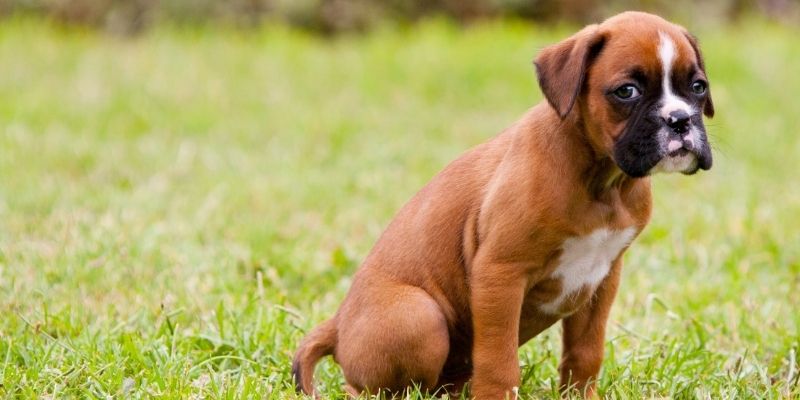
A dog’s development is not linear and goes through phases of growth imbalance.
Why It Is Important to Look at the Bigger Picture
A dog’s development is never linear. A permanent diagnosis of hip dysplasia is confirmed only after growth is completed, most often around 18 to 24 months of age. If we ignore the developmental phase, we arrive at incorrect diagnoses and unnecessary fear.
An 8-month-old dog requires monitoring, not labeling. Always observe the whole dog, not just the X-ray image.
At Sasha Riess, we believe in patience and understanding the biological clock of development. Rushing a diagnosis of hip dysplasia before the body is fully formed can disrupt the path to pureloveandharmony. Learn more about supporting your dog’s growth: Linktree Sasha Riess

The Dog Groomer’s Dilemma: Journey Trough Burnout, Belonging and Becoming
by Sasha Riess | 19.05.26. | Wellbeing
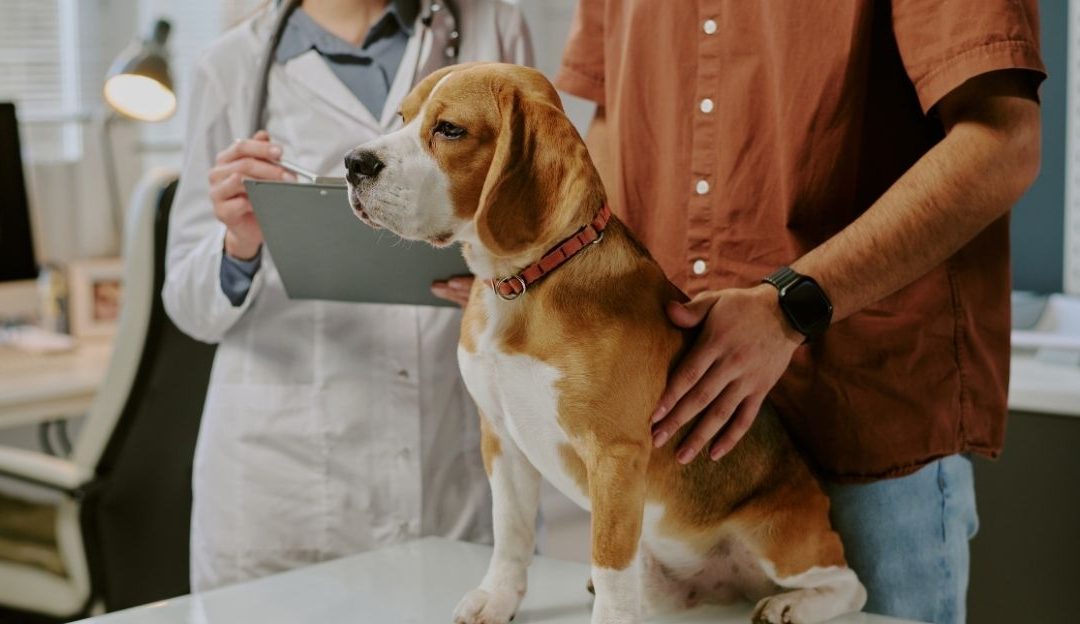
When a dog has a urinary infection in dogs, the smell of urine often changes and can become stronger, unpleasant, or unusual. In many cases, this smell is noticeable, but smell alone is not a reliable diagnostic sign, especially in male dogs.
When Can the Smell of Urine Indicate an Infection?
With a urinary infection in dogs, urine often:
-
Has a strong, heavy, or sweetly unpleasant odor.
-
Appears cloudier than usual.
-
Contains traces of blood.
However, the smell depends on the location of the infection. It can affect the bladder, the urinary tract, or the kidneys, and clinical signs vary accordingly.
Why Is Urine Analysis Necessary?
The most important step is a urine analysis performed by a veterinarian. This confirms or rules out infection and prevents incorrect treatment. Without professional analysis, any conclusion remains an assumption.
When the Problem Is Not a Urinary Infection
If a dog continues to urinate inside after a urinary infection in dogs has been ruled out—especially if it also defecates indoors—this is very often a sign of separation anxiety rather than a medical issue.
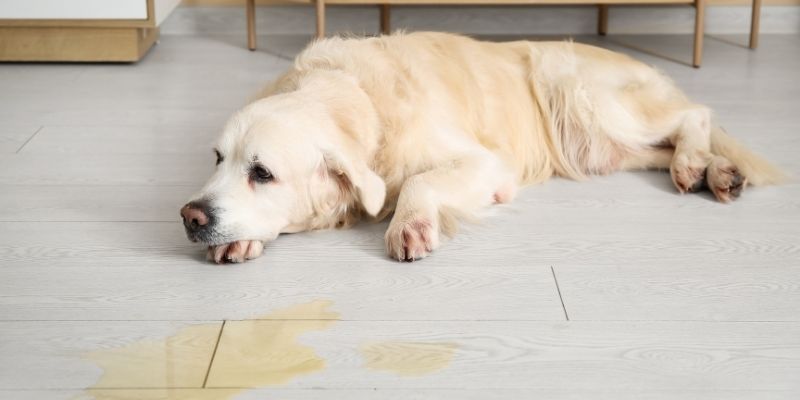
Urination is often a message of insecurity, not a health problem.
Urinating as a Message, Not a Disease
A dog with separation anxiety is not acting out of spite. They are sending a message of insecurity. By urinating, the dog tries to:
The Real Cause of Separation Anxiety
The dog doesn’t have a problem because it is alone, but because it feels excessive responsibility and lacks clearly established boundaries. It doesn’t trust that you are safe when you are apart. Distinguishing between a medical urinary infection in dogs and an emotional pattern is the first step toward a real solution.
At Sasha Riess, we believe that every symptom is a form of communication. Whether it’s a urinary infection in dogs or a sign of separation anxiety, the goal is to restore balance and pureloveandharmony. Discover how to understand your dog’s messages: Linktree Sasha Riess
by Sasha Riess | 19.05.26. | Nutrition
Dog kibble has been presented for years as the safest and most practical form of nutrition. However, more owners are questioning what is really inside those pellets and the long-term impact on a dog’s health. Conflicting opinions—from it being a balanced diet to a dangerous industrial compromise—add to the confusion.
Dog Kibble: Industrial Food or a Compromise?
Modern lifestyles have pushed dog kibble to the forefront because it is easy to dose and has a long shelf life. Still, the real question is not whether a dog can survive on it, but whether a dog can truly be healthy on it.
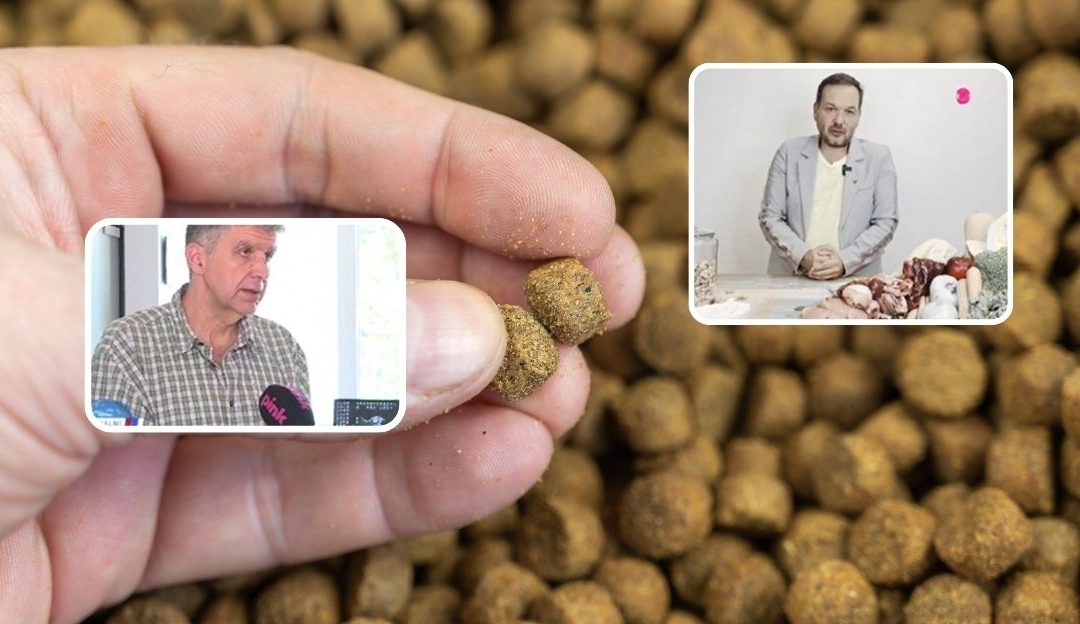
Sasha Riess: “Would You Eat a Pellet or a Drumstick?”
Sasha Riess openly speaks about the origin of industrial dog food, noting that over 22 million tons of animal by-products are processed annually.
-
Hidden Ingredients: Labels mention „animal by-products,“ which often include remains from farms, zoos, and the egg industry.
-
Additives: Sasha warns that dog kibble is full of preservatives, flavor enhancers, and artificial colors to make dehydrated food palatable.
-
Hydration Issues: These additives force dogs to drink excessive water, potentially burdening the digestive and urinary systems.
His conclusion is a simple analogy: “Ask yourself, would you eat a pellet or a drumstick?”
Veterinarian Vladimir Terzin: “Kibble Is a Balanced Diet”
On the other hand, veterinarian Vladimir Terzin believes dog kibble is a safe option.
-
Balance: He argues it contains necessary proteins, carbohydrates, fats, and trace elements.
-
Normalization: Terzin emphasizes that many ingredients are also present in human food and shouldn’t be demonized.
-
Practicality: For most owners, ready-made food remains an acceptable and convenient solution.
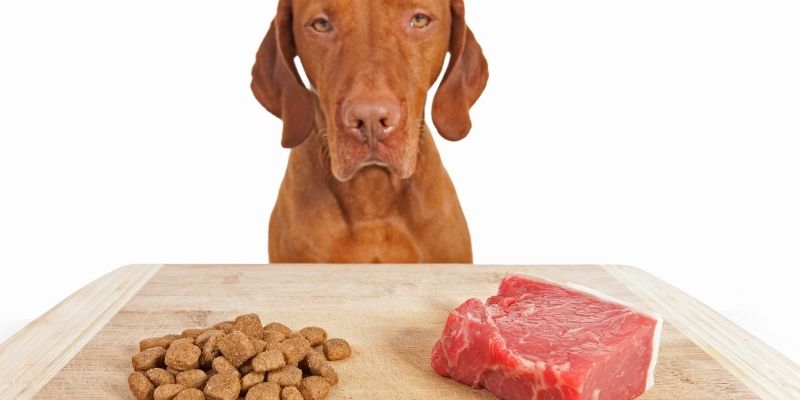
Dog kibble is the most common, yet most controversial, form of canine nutrition
Is Dog Kibble a Good Choice for Every Dog?
The truth is complex. While practical, dog kibble is not a universal solution. Some dogs develop allergies or chronic inflammation due to industrial ingredients. In such cases, nutrition must be individualized and adapted to the specific dog’s needs.
An Informed Decision Instead of Blind Trust
A dog cannot choose; the owner chooses on its behalf. Whether you decide on dog kibble, cooked food, or raw feeding, the key is to know what you are giving and how your dog responds. A dog’s health depends on the responsibility of the one who fills the bowl, not the marketing on the bag.
At Sasha Riess, we encourage owners to look beyond the label. Whether you use dog kibble or fresh food, the goal is always internal balance and pureloveandharmony. Discover more about our views on canine wellness: Linktree Sasha Riess
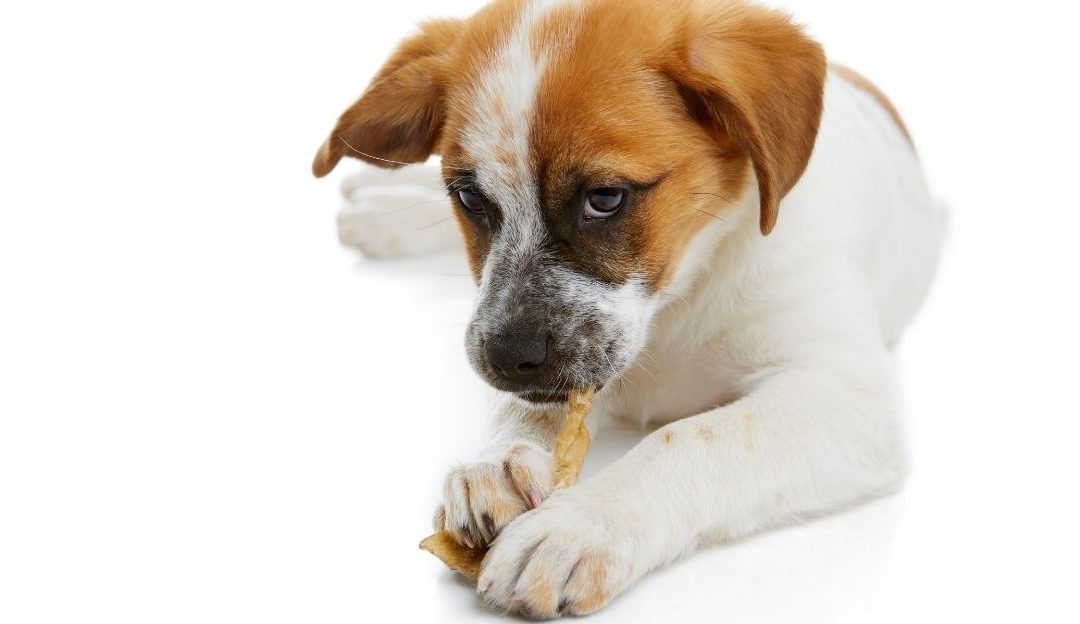
by Sasha Riess | 18.05.26. | Nutrition
Homemade dog treats can be the simplest and healthiest choice, but only if you know what you are doing. The real problem is often not the ingredients themselves, but the chemical processes and preservatives found in industrial products.
How to Make Homemade Dog Treats at Home
The process is simple and requires no special equipment. To ensure the highest quality:
-
Buy raw ingredients (like pig ears or chicken feet) from a trusted butcher.
-
Arrange them on a baking tray.
-
Dry them in an oven or dehydrator at 70°C overnight.
-
Let them cool and store them in glass jars.
Prepared this way, your homemade dog treats can last up to one month without any artificial preservatives.
Why Industrial Treats Are Not Harmless
There is very little discussion about what happens during the production of commercial treats. Nothing that lasts for years on a shelf is free of chemicals. Fatty raw materials naturally oxidize and become rancid, which is why industrial producers add strong preservatives to prevent spoilage. These additives can be far more harmful to your dog than not giving a treat at all.
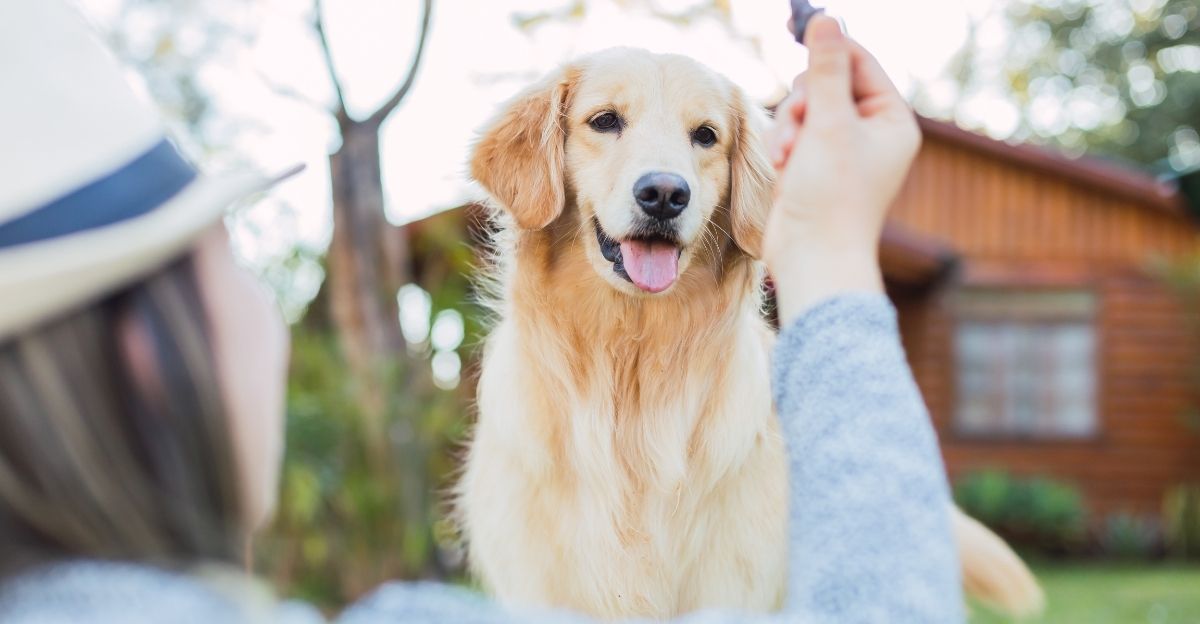
Homemade treats are dried without preservatives.
The „Do It Yourself“ Rule
Even labels like “organic” or “natural” don’t reveal the chemical processes a product has undergone. The rule is simple: If you cannot make it yourself, do not buy it. A dog will not suffer without treats, but they can suffer from what we give them out of ignorance.
Simple, Natural, and Without Compromise
Real homemade dog treats do not need to last forever. They need to be safe, fresh, and of clear origin. By choosing to make them yourself, you are controlling exactly what enters your dog’s system.
At Sasha Riess, we believe that purity is the highest form of care. Making homemade dog treats without chemicals is a vital part of maintaining your dog’s internal balance and achieving pureloveandharmony. Discover more about our natural approach:Linktree Sasha Riess
by Sasha Riess | 17.05.26. | Wellbeing
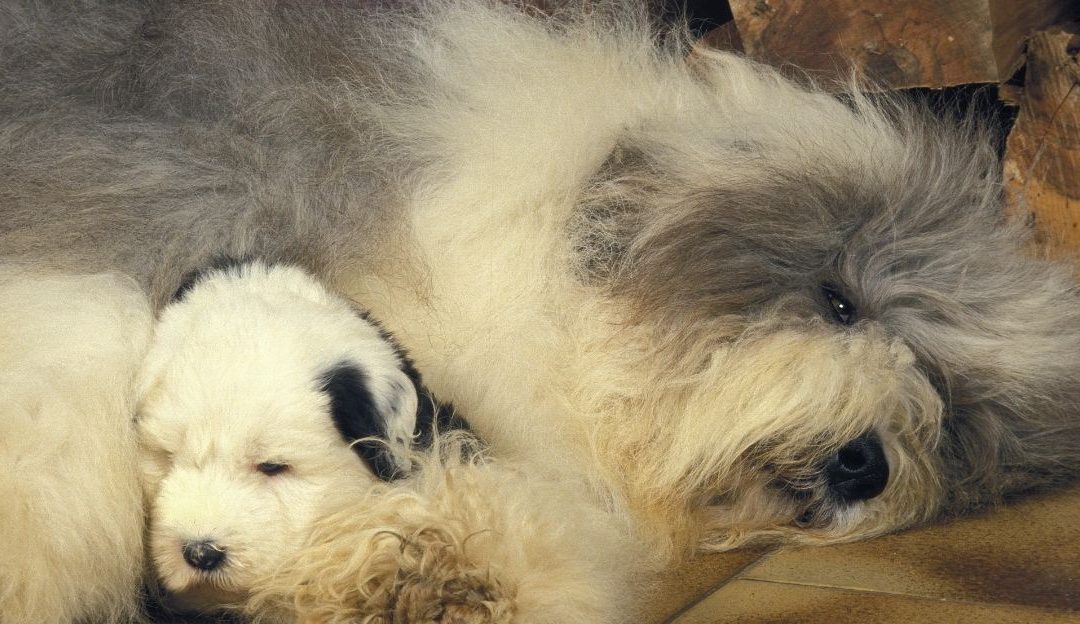
Rehoming puppies is one of the most important moments in a dog’s life. It is a decision that has long-term effects on behavior, emotional security, and the ability to adapt to life with humans. While debates often vary between „as early as possible“ or „as late as possible,“ canine biology and instinct offer a very clear answer.
When Is the Ideal Time to Rehome Puppies?
The ideal window for rehoming puppies is between the 8th and 9th week of life. While some breeds may shift slightly, it should never be significantly earlier or later. This is the moment when primary socialization with the mother and litter concludes, and the puppy becomes ready for a new type of relationship—the one with humans.
Why Is the 8th to 9th Week Crucial?
At this age, the puppy biologically and psychologically emerges from the „den.“ In nature, this is when young animals explore the world under parental guidance. Between the 8th and 9th week:
-
The brain is most open to new information.
-
Curiosity outweighs insecurity.
-
Fear is not yet the dominant response.
-
Foundations of authority and trust are formed.
Therefore, rehoming puppies at this stage is a natural transition, not a disruption.
Risks of Early or Late Separation
Understanding the risks of improper timing is vital for future stability.
If Puppies Are Separated Too Early (Before 7th Week):
-
Failure to develop bite inhibition.
-
Poor frustration tolerance.
-
Insecure emotional attachment and future aggression.
If Puppies Are Rehomed Too Late:
-
The socialization window with humans begins to close.
-
Increased difficulty in accepting environmental changes.
-
Over-bonding with other dogs, leading to issues with human authority.
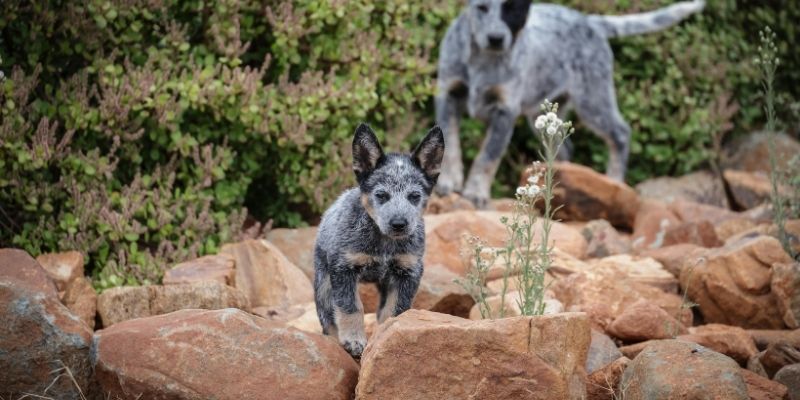
Puppies learn about the world during the period when rehoming puppies is most natural.
Rehoming Puppies as a Responsibility
Moving a puppy to a new home is not an administrative act, but a developmental milestone. At this stage, the puppy does not „lose“ its mother; it gains a new figure of safety. When rehoming puppies happens at the right time, trust is naturally transferred from the mother to the human. Respecting this biological window is a matter of honoring the dog’s instinct and long-term well-being.
At Sasha Riess, we believe that respecting natural biological windows is the first step toward leadership. Choosing the right time for rehoming puppies ensures a foundation of trust and a life of pureloveandharmony. Learn more about our philosophy: Linktree Sasha Riess
Awakening With Dogs : Exploring the Profound Connection Between Dogs and Humans: Love, Resonance, and Healing Kindle Edition
by Sasha Riess | 17.05.26. | Nutrition
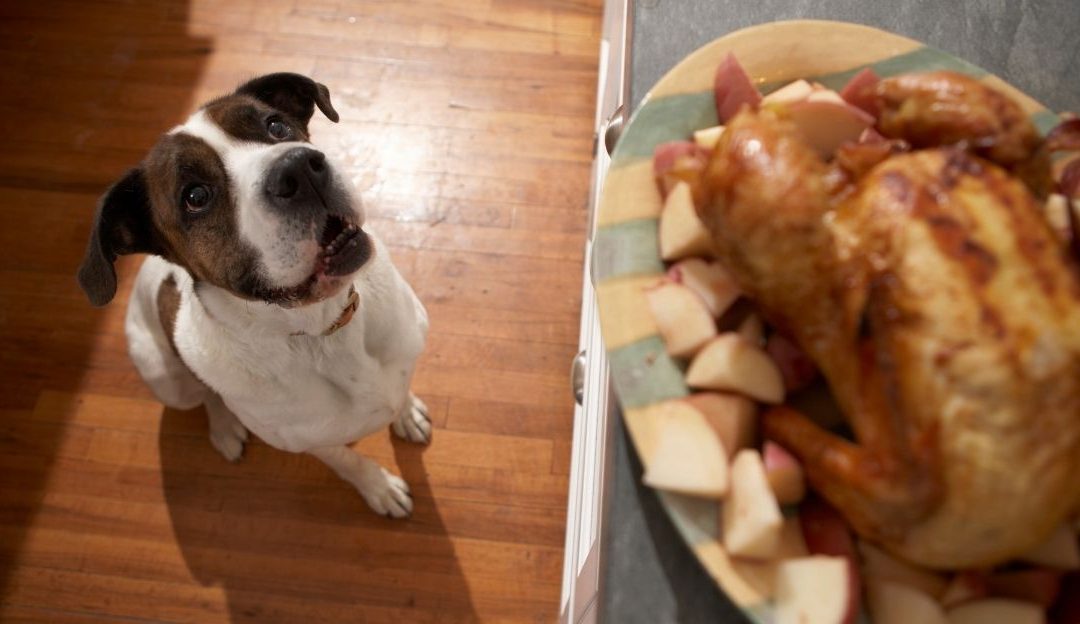
Feeding dogs table scraps is a common mistake owners make with good intentions. However, leftovers from your meals are often full of salt, sugar, spices, and seasonings that are inappropriate and harmful for their sensitive systems.
How to Prepare a Healthy Meal for Your Dog
The point is not to forbid giving food to your dog, but to prepare a separate meal using the same basic ingredients you use for yourself. Instead of feeding dogs table scraps, prepare food from fresh vegetables and fruits that are part of your own cooking process.
This does not mean the dog eats your leftovers. It means that from the same fresh and healthy ingredients, a meal is intentionally prepared for the dog—without the harmful additives of a finished human dish.
[Image showing fresh vegetables being prepared separately for a dog]
The „Human Grade“ Standard
A simple rule to follow: if you do not eat kale or beets yourself, do not buy them specifically for your dog either. A dog should not eat what you would not eat yourself. By following this standard, you ensure the quality of their nutrition matches your own.
Why This Matters for Long-Term Health
Proper feeding protects your dog’s health and gut microbiome, prevents digestive issues, and helps the dog develop a healthy relationship with food. Avoiding the habit of feeding dogs table scraps supports:
-
Stable growth and energy levels.
-
A healthy digestive system.
-
Overall well-being and longevity.
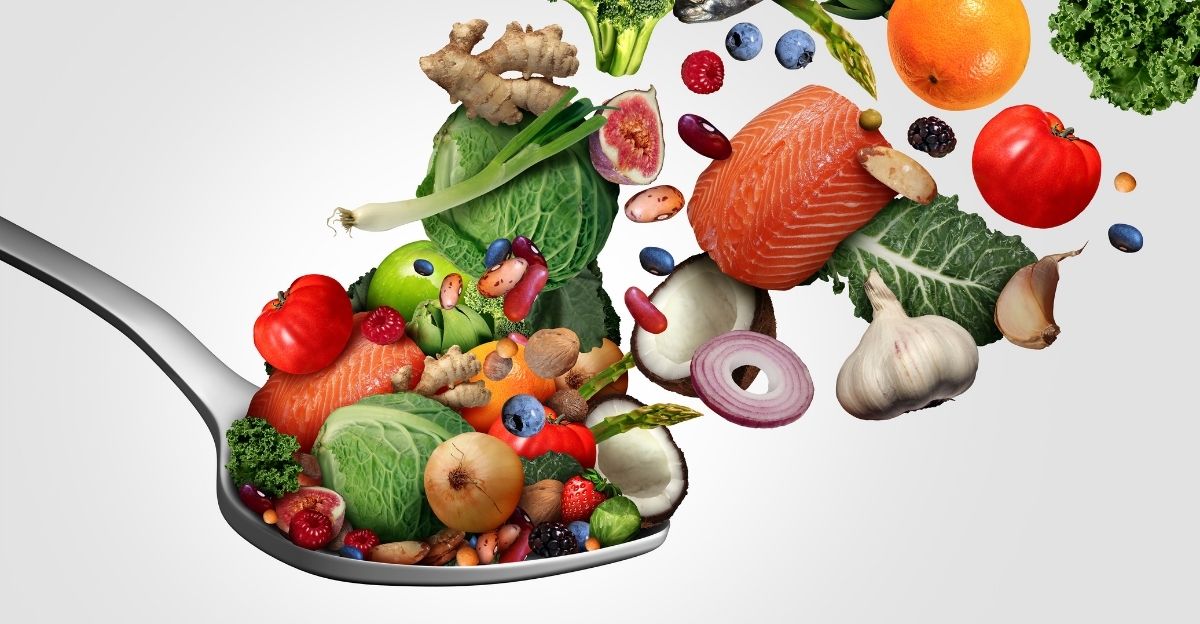
Proper dog nutrition is the key to health and energy.
Conclusion: Love Shown Through Nutrition
Do not engage in feeding dogs table scraps. Prepare meals for them from the same high-quality ingredients you use, but adapted to their specific needs. This is how love is shown in the right way, ensuring your dog’s health is preserved through every bite.
At Sasha Riess, we believe that nutrition is the foundation of balance. By moving away from feeding dogs table scraps and toward intentional, fresh meals, you are nurturing a state of pureloveandharmony. Discover more about our holistic approach: Linktree Sasha Riess
by Sasha Riess | 15.05.26. | Coat Care
Wiping a dog with wet wipes is not forbidden, but only under certain conditions. The key question is not just can I wipe my dog with wet wipes, but what products are being used and how frequently the skin is being treated.
Which Wet Wipes Are Allowed for Dogs?
The most important thing is to check the ingredients. Wet wipes must never contain alcohol. Alcohol strongly dries out the skin and damages the natural protective barrier. This stimulates the skin to produce even more oil as a reaction, which can result in:
-
A greasier coat
-
Irritation and itching
-
An unpleasant odor
Better Alternatives for Daily Hygiene
In most cases, a simple damp cloth is completely sufficient. If you are wondering can I wipe my dog with wet wipes every day, consider these safer options:
If a dog gets dirty often, the solution is not constant wiping, but a properly adjusted hygiene routine.
The Role of High-Quality Conditioner
Using a premium dog conditioner helps the coat retain less grease and attract less dirt from the environment. When the coat is healthy, it is often enough to gently wipe the dog with a damp cloth without aggressive cleaning agents.
Alcohol in wipes can cause dry skin.
Why Constant Wiping Can Become a Problem
Wet wipes, even those without alcohol, should not be used constantly. Over-reliance on them can remove natural oils and disrupt the skin’s microbalance. When asking can I wipe my dog with wet wipes, remember that less is more. Over-drying the skin leads to faster soiling, creating a vicious circle.
The Essence: Preserving Natural Balance
The goal is to preserve natural balance, not sterile cleanliness. For those seeking the best for their dog’s skin, Sasha Riess Pure Love & Harmony uses 100% natural active ingredients like aloe, jojoba, lavender, and mineral-rich spring water to nourish without stripping away protection.
At Sasha Riess, we believe that true beauty comes from health. Understanding can I wipe my dog with wet wipes responsibly is part of maintaining the pureloveandharmony of your dog’s skin and coat. Discover our natural solutions: Linktree Sasha Riess
by Sasha Riess | 14.05.26. | Emotions
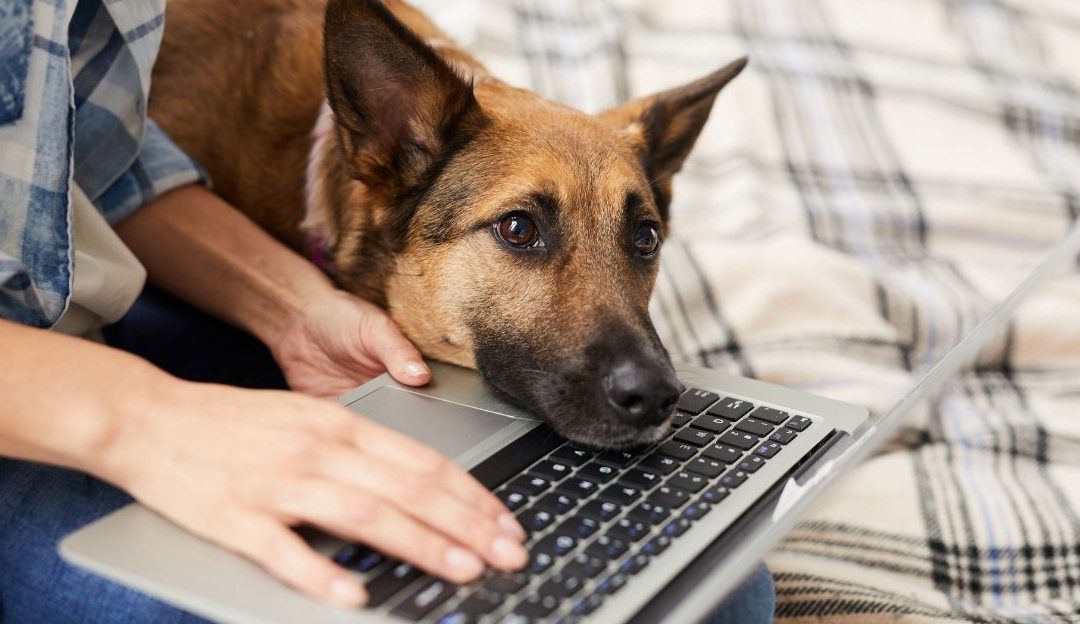
There is a moment in the life of every dog owner that is never forgotten. It is the moment when we realize that the dog never asked anything from us except for our presence. Not perfection, but simply to be there. This is when we understand that adult love toward a dog takes the form of responsibility, not just affection.
Rexi in the Family Mirror: A Crack That Tenderness Could Not Hide
Rexi came into a family that truly wanted him. At first, everything looked ideal. However, within that love, there was no space for boundaries. When Rexi showed fear, he received even more comfort. Love turned into something that strengthened neither the dog nor the human.
Adult love toward a dog means saying no out of care, providing a sense of safety that tenderness without direction can never replace.
The Invisible Trap: When Attachment Becomes Emotional Captivity
Instead of stability, dependency developed. A love without a future was born—one that asks the dog to adapt to our weaknesses. This is a relationship where the dog serves as an emotional shield against loneliness. In such a bond, the human believes they are giving everything, while in reality, they are asking the dog to become what is missing in their human relationships.
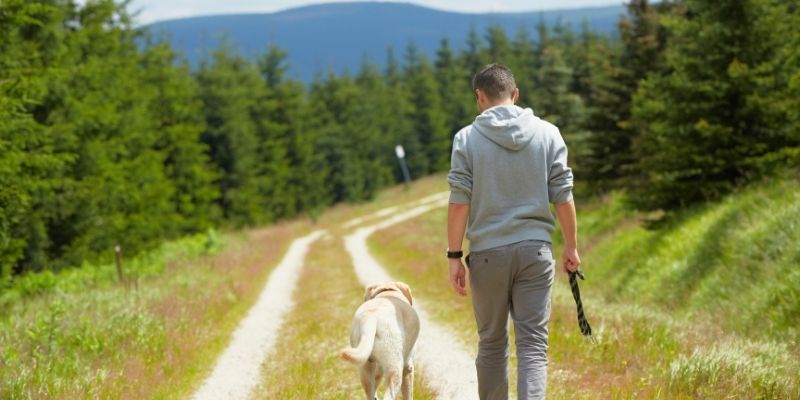
Adult love toward a dog means saying „no“ out of care, providing a sense of safety that tenderness without direction cannot replace.
Why Tenderness Without Boundaries Becomes Violence
When every separation became unbearable, it was clear: Rexi didn’t have a problem with love; he had a problem with the absence of leadership. He was seeking an adult who could say no out of care, not out of fear of rejection. Understanding adult love toward a dog requires us to give them space to be dogs, without the task of healing human wounds.
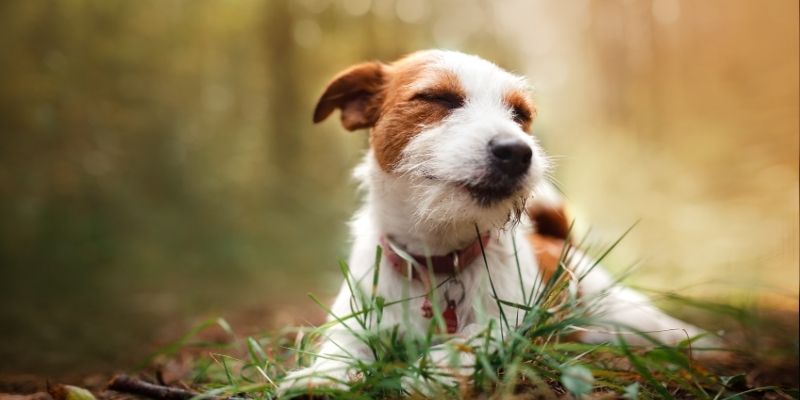
Only when we restore their place in the natural order can dogs truly breathe with full lungs.
The Dog as a Teacher: Responsibility That Restores Inner Peace
A dog does not teach us how to pet him; he teaches us how to love in a way that allows the other to be what they truly are. Rexi’s story is a call to examine what we truly give our dogs: comfort that soothes us, or security that empowers them.
Only when adult love toward a dog is established can we say that we have not lost the dog, but have found ourselves. Then that love is no longer an escape, but a path we can walk together.
At Sasha Riess, we advocate for a relationship built on mature leadership. Moving beyond emotional dependency toward adult love toward a dog is the only way to achieve a state of pureloveandharmony. Discover more: Linktree Sasha Riess
Awakening With Dogs : Exploring the Profound Connection Between Dogs and Humans: Love, Resonance, and Healing Kindle Edition