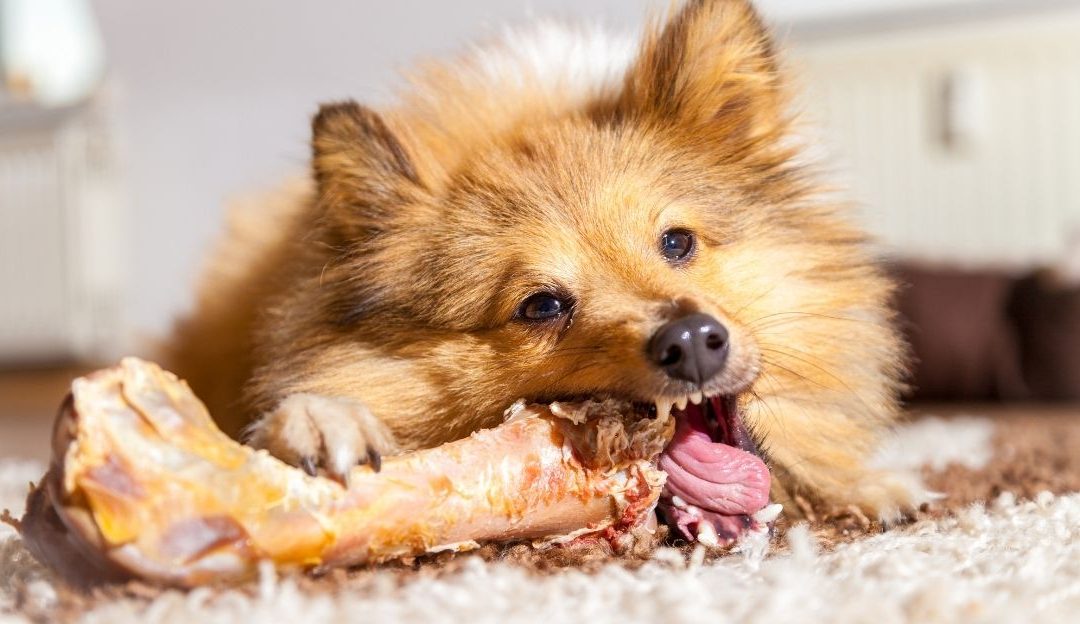
Taking a bone or food from a dog often seems like a small matter, but the way we do it can have a long-term impact on the dog’s trust and sense of safety. Knowing how to take a bone from a dog without creating stress or fear is essential for every owner.
Why Direct Removal Triggers Resource Guarding
In principle, a bone or food should not be snatched from a dog while he is eating or playing, unless there is a real danger—such as the bone becoming too small. Directly grabbing an object:
Activates the instinct to protect valuable items.
Disrupts the dog’s sense of safety.
Can create conditions for future aggression.
The dog does not understand that you are protecting him; he only understands that something important was taken away.
Recognizing Situations Where Safety Is Priority
Safety sometimes overrides the rule. You must act if:
The object is a choking risk.
You are leaving the house.
The dog carries it to an unsafe place.
The Proper Method for Safe Retrieval
The most important rule is: You do not take the bone from the dog. You take the bone that the dog has already left.
Step-by-Step Procedure:
The dog is chewing the bone.
Redirect the dog’s attention from a distance.
The dog leaves the bone on his own to come to you.
Remove the bone while the dog is focused on something else.
In this way, your pet does not experience loss or feel the need to defend a resource. This is the secret of how to take a bone from a dog correctly.
Redirecting and Rewarding Without Confusion
The dog should be rewarded for moving to another place, not for „giving up the prize.“ This distinction is crucial. If a dog thinks coming to you means losing his treasure, he will stop coming. Always reward the recall, and remove the object quietly when it is no longer on his mind.
A bone is not taken – it is removed once the dog has left it.
Behaviors to Avoid During the Process
To maintain trust, avoid these common mistakes:
Do not „test“ the dog while he is chewing.
Do not say „give it“ while snatching the object.
Do not force the dog to choose between you and the bone.
Trust Is Built in Small Moments
The way you handle these items today determines how your dog responds tomorrow. When you understand the right approach, you teach him that a human does not threaten his resources but brings safety.
At Sasha Riess, we believe that leadership is built on trust, not force. Understanding how to take a bone from a dog by respecting their instincts is a key step toward achieving pureloveandharmony. Discover more: Linktree Sasha Riess
Dogs easily awaken the “Mom” and “Dad” in us. Understanding why we see them as our children is the first step toward avoiding the parenting trap and recognizing their true nature.
Neoteny and the Evolution of Dogs
When dogs began evolving from wolves and coming closer to humans, they had to find a way not to fear humans, and not to scare them either. This process is key to understanding why we see our dogs as our children. Throughout evolution, dogs retained neotenous characteristics—round eyes, small noses, and soft body lines—that trigger our parental instincts.
Baby-Like Features and the Parental Instinct
Humans are naturally drawn to beings with childlike features. Not only do dogs look like babies, but their behavior also reminds us of young offspring: they seek attention, depend on us, and remain emotionally attached.
[Image depicting the visual similarities between neotenous dog features and human infants]
Why This Becomes a Trap
A young wolf pup needs its parents to survive. An adult wolf can form a pack with others, but a pup cannot. The same applies to dogs: we’re naturally drawn to them and feel responsible for their well-being. That’s why we so easily fall into the parenting trap, seeing them as our children instead of recognizing them as independent beings.
Dogs are not our children, even though they awaken those instincts within us.
Baby-like features in dogs awaken our parental instincts, which is why we often see them as children.
Community and Love
Understanding the evolutionary background and neotenous traits of dogs helps us separate instinctive attachment from parental emotion. Dogs remind us of wolf pups, but their role in our lives is different. They are not our children; they are our partners in community, trust, and love. Recognizing this allows them to thrive as the animals they truly are.
At Sasha Riess, we respect the dog’s true nature. While we understand why we see our dogs as our children, we strive to move past the „parenting trap“ toward a partnership based on leadership and respect. This clarity brings us to a state of pureloveandharmony, where the dog is free to be a dog. Discover more: Linktree Sasha Riess
Many dog owners get confused when their dog suddenly refuses to eat from the bowl. They often assume their dog isn’t hungry or that something’s wrong, but in my experience, the reason is usually much simpler. To understand why your dog won’t eat from their bowl, we must look at both the physical environment and the emotional ritual.
Fear of Sound and Material
I’ve seen dogs refuse to even approach their bowl. The most common reason is fear of sound—especially if the bowl is metal and rattles when moved. The first thing to try is switching to a different type of bowl. Plastic or ceramic ones are quieter and feel safer to most dogs.
Note: Always use plain white ceramic bowls without colors or patterns.
The Feeding Ritual Is Key
What completely changed my approach to feeding was the ritual itself. A dog must understand that food comes from you—the natural leader of the pack.
I would prepare something simple for myself: a slice of apple, a piece of bread, or a small bite of chocolate (for me, of course—never for the dog). When I take the first bite, the dog senses the smell, sees the start of the meal, and instinctively understands that it’s feeding time. After that, I place the dog’s food down. The dog perceives it as me offering what’s left of my own meal—a natural process in the canine world.
Consistency Builds Confidence
If a dog refuses food, I remove the bowl immediately. There’s no pleading, no “just one more bite,” and no offering something else instead. I decide when, what, and how much my dog eats. Dogs learn this quickly because they recognize feeding rhythm as part of the pack hierarchy. Patience before feeding is part of the ritual through which the dog accepts the owner’s authority.
Patience before feeding is part of the ritual through which the dog accepts the owner’s authority.
My Message to Dog Owners
If you are wondering why your dog won’t eat from their bowl, don’t worry right away—the reason is often simple and easy to fix.
Change the bowl to plain white ceramic.
Create a calm feeding ritual where you eat first.
Stay consistent with the timing and removal of food.
Dogs love structure and routine. When they feel that you’re the one leading the process, they’ll soon eat confidently and peacefully from their bowl.
At Sasha Riess, we believe that every detail, from the color of the bowl to the ritual of the first bite, communicates safety and leadership. Understanding why your dog won’t eat from their bowl allows you to restore order and trust, bringing your relationship into a state of pureloveandharmony. Discover more: Linktree Sasha Riess
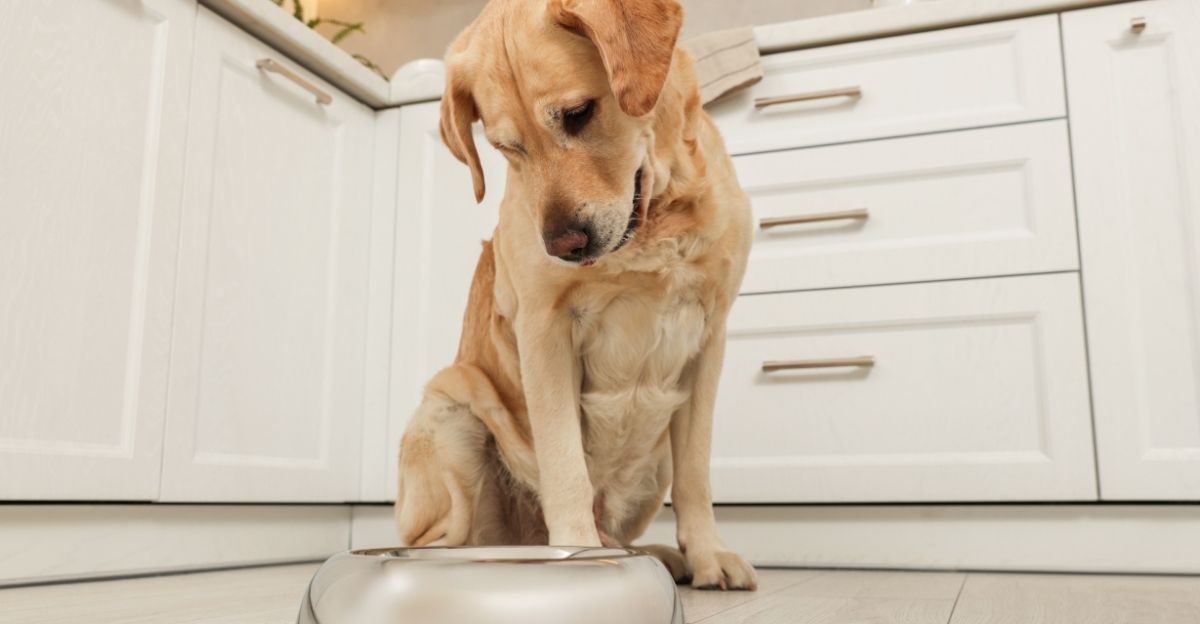
A dog sitting beside an empty bowl after a meal represents peace and routine in daily feeding. Dogs love routine, but they do not need constant access to food. If your dog finishes eating and the bowl stays on the floor, you may think it means nothing. However, that empty bowl can actually create stress and a sense of responsibility in the dog.
Through working with many dogs and owners, it has been shown that a bowl left on the floor after a meal creates subtle tension. To understand why you should not leave the dog bowl out, we must look at the dog’s instincts.
The Burden of an Empty Bowl
The dog instinctively feels that it is his duty to refill the bowl, as if he is responsible for the next meal. This is not a rational thought, but an emotional reflex, especially in sensitive dogs or those with a heightened sense of responsibility toward their owner.
Control of Resources and Leadership
When food remains in the bowl, the dog can decide when and how much to eat. In the canine world, the one who controls resources such as food also holds the role of the leader. If the dog always has access to food, we are unconsciously sending the message that he is the one making the decisions. For some dogs, this can create pressure, insecurity, and even behavioral problems.
Why It Is Important to Remove the Bowl After Eating
By picking up the bowl after eating, you show the dog he is safe because you are the one responsible for the rhythm of meals. When the dog finishes his meal, the bowl should be removed calmly and consistently. That simple act clearly says: “I take care of the resources and you are safe.”
This provides the dog with:
A sense of order and security.
Predictability in their daily life.
The knowledge that the next meal comes from you, not by chance.
Owners who establish this routine often notice that their dogs become calmer, more focused, and more relaxed.
A Small Step, a Big Change
If you want to see positive changes in your dog’s behavior, start right here. After the meal, wait for the dog to finish, praise him, and simply remove the bowl. This strengthens the bond of trust between you and your dog. Knowing why you should not leave the dog bowl out helps you create a safe and reliable rhythm for your pet.
By picking up the bowl after eating, you show the dog he is safe – you take care of the order and the food.
Conclusion: Love, Order, and Trust
Removing the bowl after a meal is not about control; it is an expression of respect and care. Dogs relax when they feel someone else is responsible for order, food, and safety. Next time your dog finishes his meal, simply thank him, give him a gentle touch, and remove the bowl. In that small gesture lies a powerful message of love and leadership.
At Sasha Riess, we understand that leadership is a form of protection. Understanding why you should not leave the dog bowl out is a simple but profound way to relieve your dog of unnecessary stress, bringing your home into a state of pureloveandharmony. Discover more: Linktree Sasha Riess
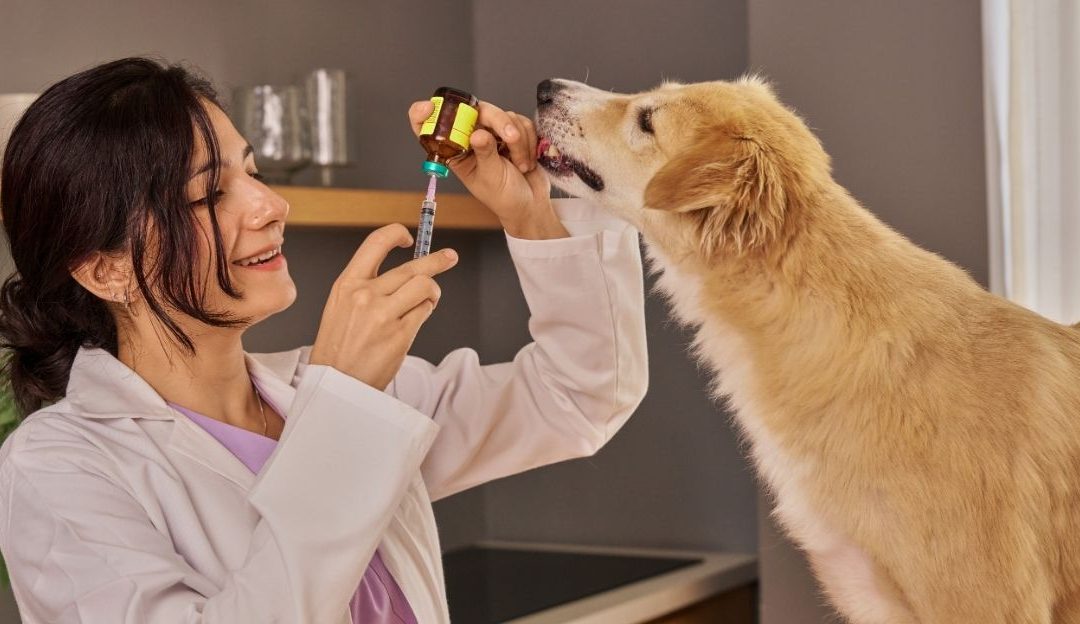
Many owners wonder why the rabies vaccine is still mandatory, especially when it seems that rabies “no longer exists.” However, rabies is still present today. It remains one of the most dangerous zoonotic diseases and can be fatal for both humans and animals. For this reason, the entire system of public health is based on prevention rather than consequences.
Even when the risk appears small, laws and veterinary protocols strictly regulate protection. That is why understanding why you must vaccinate your dog against rabies is not just about a recommendation, but a legal obligation that protects both you and your dog.
Why Vaccination Is Required Even When No Cases Are Visible
Rabies still appears in wild animals, and they can transmit the virus to domestic animals. Transmission is rare, but it is not impossible. Because of this, every country relies on prevention, since once rabies occurs, there is no cure.
Due to the severity of this danger, the world follows a simple principle: even minimal risk is enough reason not to skip vaccination. And the story does not end there.
Legal Consequences: What Happens If a Dog Is Not Vaccinated
If a dog is not vaccinated, the owner takes on a significant risk. In many countries, including Serbia and EU member states, there can be serious consequences in cases such as:
If the dog scratches or bites someone.
If someone files a complaint against you.
If a veterinary inspector stops you.
If you are crossing a border.
In these situations, the inspector may request proof of vaccination or a valid antibody titer test. If neither exists, the decision can be extremely strict. In the worst cases, the dog may be placed in quarantine or even euthanized if a risk of rabies is suspected. Public health laws do not operate on emotion; they follow protocol.
Traveling with Your Dog: No Rabies Vaccine, No Border Crossing
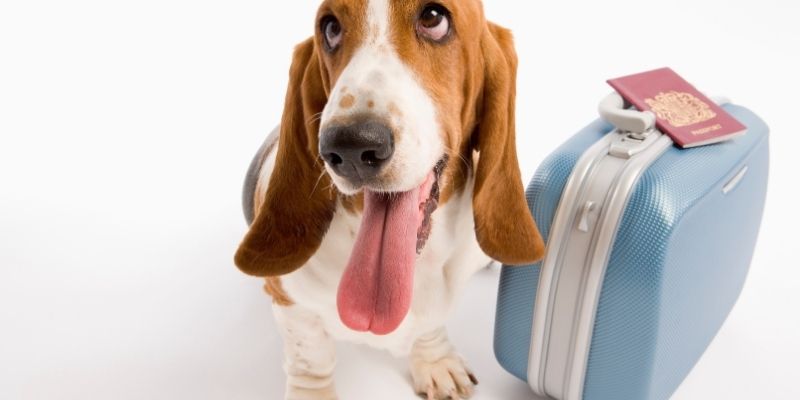
If you plan to travel with your dog, the rabies vaccine is mandatory. Without it, you cannot cross a border. At airports and checkpoints, officials check:
The passport and the date of vaccination.
The veterinarian’s valid signature.
The laboratory proof of antibody titer.
If any of these are missing, the dog may be placed in quarantine. If the titer result is too low, the dog may be permanently withheld.
Without proof of vaccination, a dog cannot cross the border.
Why Staying Up to Date Is Essential
The system is built so that the owner must follow the rule, not because of punishment, but because of protection. Rabies is a disease with no cure. Prevention through vaccination is the only possible defense. To understand why you must vaccinate your dog against rabies is to realize that you are protecting the animal, yourself, your family, and your community.
At Sasha Riess, we believe that responsibility is the highest form of love. Knowing why you must vaccinate your dog against rabies ensures that your journey together remains safe and uninterrupted. By following these essential protocols, we maintain the safety of the pack and live in a state of pureloveandharmony. Discover more: Linktree Sasha Riess
Sometimes we think we are losing the battle with food, weight or diets, but in reality we are losing the battle with ourselves. The fight for the “ideal body” often begins much earlier than we notice: at home, at the table, when we reject a bite prepared with love, believing we are choosing health. Yet what we are actually rejecting is something entirely different.
This text is not about food. It is a story about emotional hunger, the kind we do not see until it becomes too big.
When You Realize What You Were Truly Rejecting
How many times have we refused cake, pastry or a warm homemade meal “so we do not gain weight”? How many times did our mother’s hands offer us not only food, but warmth, tenderness and care, while we believed we were protecting ourselves by saying no?
Only when that love disappears, only when the person who fed us is gone, do we realize how many messages were hidden in every bite we rejected.
You are not rejecting food.
You are rejecting touch.
You are rejecting the love you may never receive in the same way again.
The Mindset that Destroys Both Body and Soul
Many of us live in extremes: we are either on a diet, or overeating, or punishing ourselves, or rewarding ourselves with food. As if no middle ground exists. As if the only choices are to die full or die hungry.
That is not a choice. That is a wound—a wound that opens every time we treat food as an enemy instead of a bridge between people. To understand why we struggle with food, we must look at how it touches memory, longing, and a sense of belonging.
Why Our Emotional Relationship With Food Makes Life Harder
Deep inside us, there is a place that food touches far more than our stomach. It is not about calories; it is about emotion. People eat when they are sad, stop when they are hurt, or refuse food out of guilt. Food is never just food.
When We Stop Fighting
When we stop labeling food as “good” or “bad,” we begin to listen to the body instead of fear. When we stop rejecting the love woven into the habits we brought from home, our vision becomes clearer. The body relaxes, and for the first time, we begin to resemble ourselves instead of the ideal we worshiped for years.
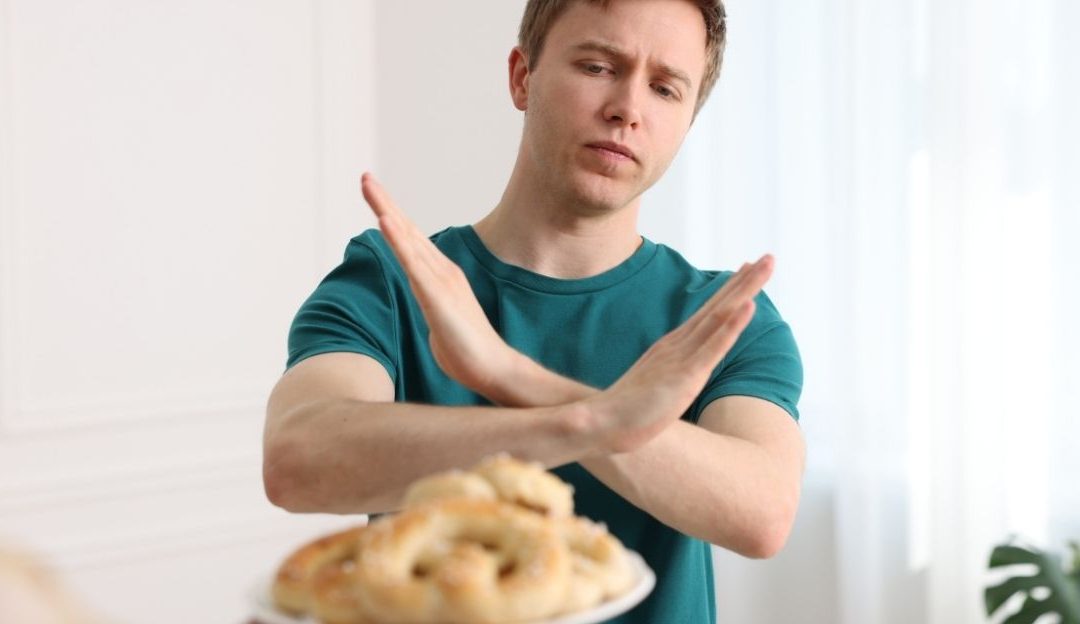
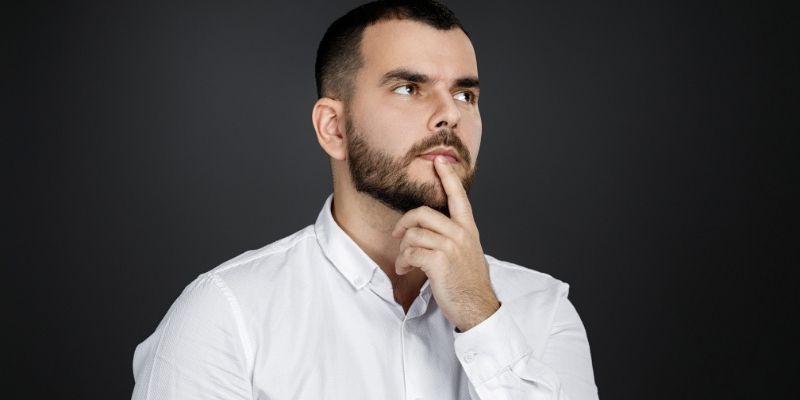
Refusing food: a young man in a moment of food control and emotional introspection.
How to Heal Your Relationship With Food
Recognize the emotion before you eat: Ask yourself: “Am I hungry, or is something hurting?”
Introduce gentleness toward yourself: Replace punishment with curiosity.
Do not refuse food out of fear: Food is care, energy, memory.
Accept that the middle is allowed: There is a peaceful middle path; we were simply never taught to find it.
Love Is What Nourishes, Not Calories
This text is not about obesity, diets, or numbers on a scale. This is a story about how we spent years believing we were choosing “health,” while we were actually rejecting the gentlest form of love we ever had. Maybe it is time to stop waging war against food and start living at peace with ourselves.
At Sasha Riess, we believe that true health is found in the balance between the body and the soul. Understanding why we struggle with food is the key to stopping the internal war and returning to a state of pureloveandharmony, where nourishment comes from a place of love, not fear. Discover more: Linktree Sasha Riess
People are often confused by the same phenomenon. Why do relationships that end in violence almost always begin as perfect, intense, passionate, and filled with extreme love? The answer lies deep in our psychology, in the wounds we carry and the patterns we learned in childhood, often unconsciously.
Rose-Colored Glasses as a Reaction to Pain
Many people enter a new relationship not from inner peace, but from escape. They are running from previous pain and moving toward something that looks better. However, when the lesson from the previous relationship has not been integrated, the new relationship often becomes even more difficult.
This is not visible at first. In the early days or months, everything feels like rescue. This honeymoon phase of extreme love is actually an emotional lure that hides future patterns of violence. To understand why relationships that end in violence begin with extreme love, we must look at how we interpret intensity as intimacy.
Why Violence Is Experienced as Love
If a person grew up in an environment where violence—physical, emotional, psychological, or sexual—was normalized, the nervous system learns to connect excitement, fear, and unpredictability with love.
In other words: What feels familiar feels close. And what feels close is interpreted as love. That is why a person may repeatedly choose destructive partners, even though they consciously do not want to.
[Image depicting the contrast between extreme idealization and the reality of control]
How Extreme Love Is Created at the Beginning
A partner who later becomes violent often shows the following at the beginning:
Excessive attention
Very rapid emotional bonding
A strong need for control presented as care
Euphoria and idealization
This ideal partner later becomes someone who humiliates, manipulates, controls, or directly causes physical harm. The victim often remains trapped because of one thought: “But he or she used to be so good.”This is the most dangerous part of the cycle.
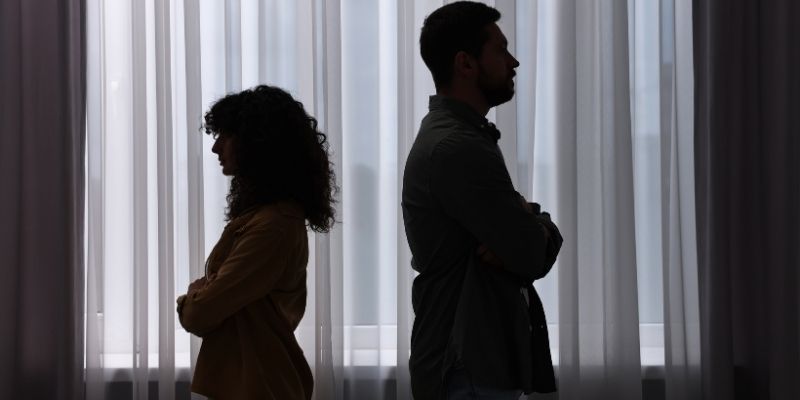
A silhouette of a couple showing the contrast between initial idealization and later violence.
The Role of Old Wounds
When we carry a learned belief from childhood that love is connected to fear, tension, or threat, we unconsciously choose relationships that repeat this pattern. The nervous system searches for what is familiar, even when it is harmful.
That is why why relationships that end in violence begin with extreme love is a cycle rooted in the search for the familiar. The intensity at the start is often the mirror image of the destruction at the end.
At Sasha Riess, we believe that true connection starts with healing the self. Recognizing why relationships that end in violence begin with extreme love is the first step toward breaking ancestral patterns and finding a path to pureloveandharmony, where love is synonymous with peace, not intensity and fear. Discover more: Linktree Sasha Riess
There is a sentence that is spoken more and more often today, almost without reflection: “It’s easier for me to have a dog than a child.” It is usually said as a rational decision, as a sign of maturity, planning, and responsibility. Yet behind it, there is often a much deeper fear—not of a child, but of a life that requires sacrifice. This is the hidden truth behind why we choose a dog and postpone having a child.
Sacrifice Today for an Uncertain Tomorrow
Modern humans have learned to measure every decision in advance: the cost, the duration, the gain, and the loss. This logic justifies everything from dog sterilization to the „easier solutions“ offered by the pet industry. We accept sacrifice today only if it promises comfort tomorrow.
The same logic applies to parenthood. The only difference is that a dog is perceived as a controlled responsibility, while a child is unpredictable.
The Dog as the “Safer” Choice
People rarely calculate the cost of a child when they truly want one. However, those who build tables, plans, and projections often find themselves giving up. They wait for the apartment, the car, or the „secure“ moment. Meanwhile, time passes.
A dog arrives with the illusion of simplicity. It seems to demand less and disrupt life less—at least at first. But when the dog enters a world where everything has a price—food, veterinarians, training—it can also become a financial burden instead of a being we committed ourselves to.
An Industry That Lives on Fear
An entire industry has been built around dogs, using human fear of mistakes and guilt. Every fear has a paid solution. While an owner believes they are doing their best, they are often running away from the essence: personal responsibility. To understand why we choose a dog and postpone having a child, we must realize that a dog did not come into our life to be an easier version of a child. It came to confront us with our limits and our ability to care without calculation.
Calculating costs often becomes an excuse for postponing life.
When Postponement Becomes a Way of Life
The problem is not choosing a dog; the problem is when the dog becomes an excuse to postpone life. Neither a dog nor a child comes as a project to be perfectly planned—they are responsibilities to be lived.
The sentence “It’s easier for me to have a dog than a child” says nothing about dogs. It speaks about our relationship with risk, sacrifice, and uncertainty. We wait for „right conditions“ while life simply passes by.
At Sasha Riess, we believe that life is not a project to be managed, but a journey of growth. Understanding why we choose a dog and postpone having a child allows us to face our fears and embrace responsibility with an open heart. This path leads to a life of authenticity and pureloveandharmony. Discover more: Linktree Sasha Riess
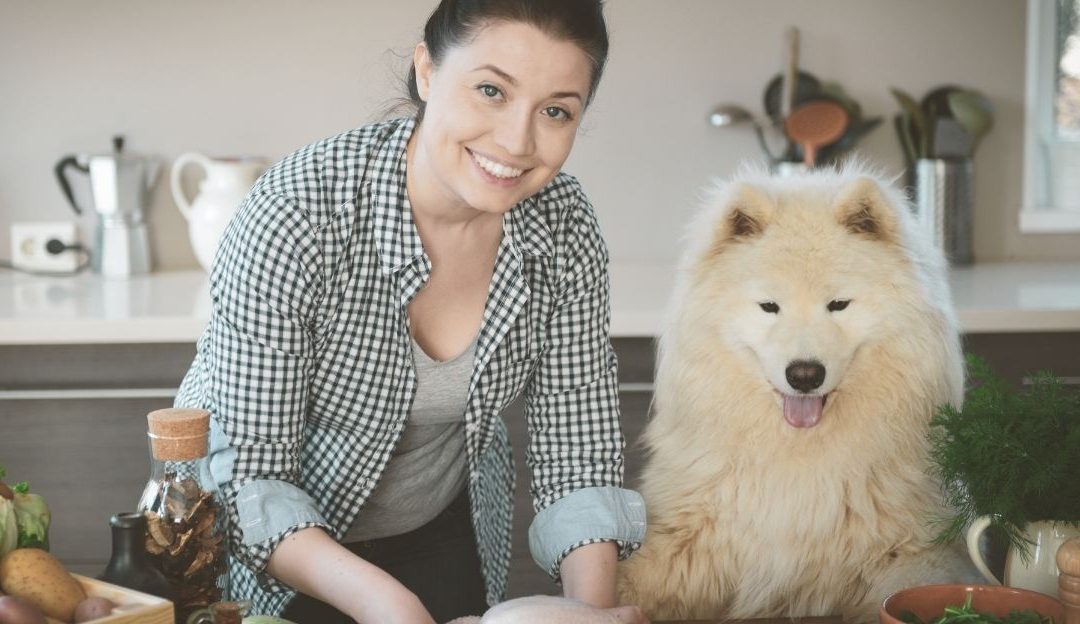
The pet industry today convinces owners that they must buy special meals, expensive treats, and supplements for their dogs. The truth is much simpler: dogs can and should eat home-prepared food, and owners have far more power than they realize. Here is why I do not produce dog food and why I believe you should cook for your dog yourself.
Many dog owners feel pressure from a market that constantly pushes new products at them: expensive kibble, dozens of shampoos, “essential” supplements, and treats whose monthly cost often resembles the expenses of an additional household member. In reality, it does not need to be that way.
Insecurity as a Sales Tool
The pet products industry relies on one thing: our insecurity. When an owner feels lost and afraid of making a mistake, it becomes much easier to sell them the “best” kibble, the “special” wet food, or yet another dietary supplement.
That is why I often hear the question: “Why do you not release your own food? Why do you not produce treats based on your recipes?”
The answer is simple: I want to teach owners to cook for their dogs themselves.
Moving Away from the Industry of Pressure
I do not want to become part of an industry that takes the last bit of money from people. If I released a branded dog food, everything would come down to one more product owners feel obliged to buy. But my philosophy is the opposite.
To understand why I do not produce dog food, you must understand that dog nutrition should be:
Simple and accessible.
Close to what you already prepare at home.
Affordable, without creating pressure to buy something “special.”
Most of the things owners want to purchase are simply unnecessary. Half of what you find on store shelves is not needed by you or your dog.
The best food for a dog is the one you prepare at home.
The Power of Homemade Meals
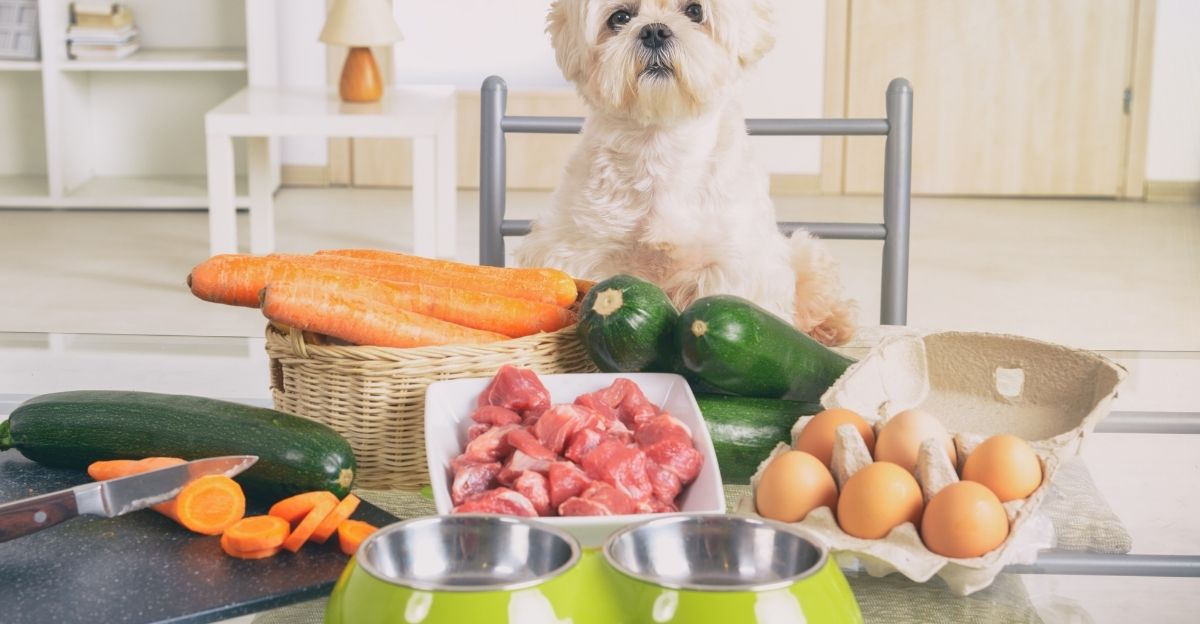
A dog can eat homemade food—a combination of ingredients you already have, the same things you use for your own meals. Not only is this enough, it is healthier, emotionally connected, and energetically aligned with you.
That is why my answer is always the same. I do not produce ready-made food because I believe the best food for your dog is the one you prepare yourself at home. It is responsible, sustainable, and in the long run, better for both you and your dog.
At Sasha Riess, we value your freedom and your dog’s health above all else. Knowing why I do not produce dog food helps you realize that the most important ingredient in your dog’s bowl is your own care. This return to simplicity brings both you and your pet into a state of pureloveandharmony. Discover more: Linktree Sasha Riess
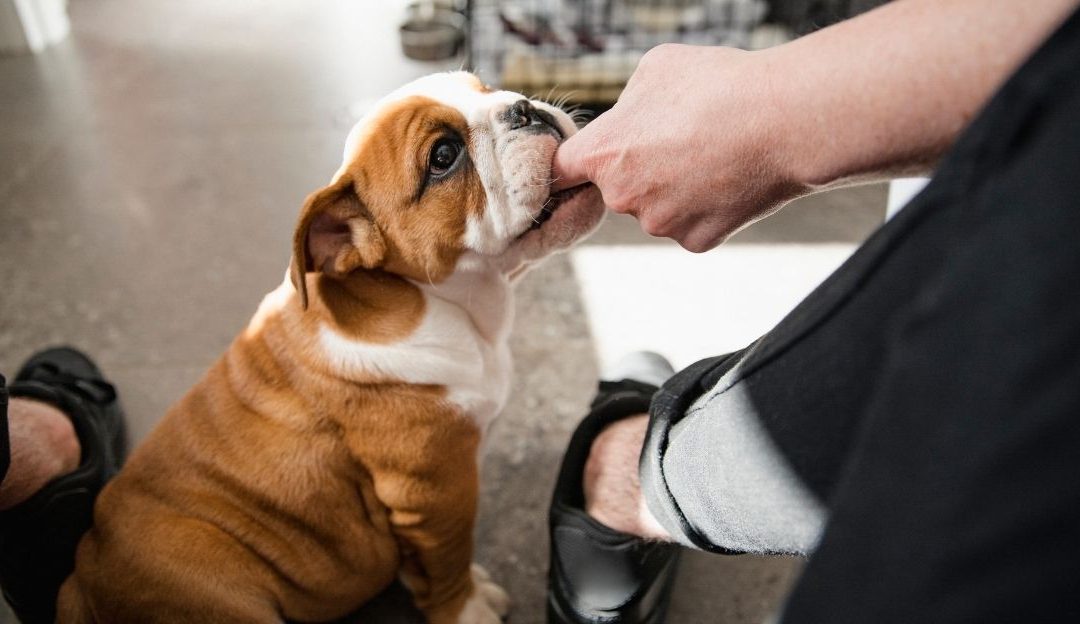
Nibbling hands, clothes, or skin often confuses dog owners, but it is important to understand that a dog who nibbles is not showing aggression. The dog is trying to communicate. The real question is not whether the dog nibbles, but how and in what context it happens.
Is Nibbling Play or a Problem?
In dogs, especially young ones, nibbling is a natural part of play and stress regulation. The problem begins when a human unknowingly participates in that play and reinforces it. Behaviors such as pushing the dog away, laughing, pulling the hand back suddenly, or shouting phrases like “hey, stop” actually do the following:
Increase excitement
Raise stress levels
Prolong the behavior
In these moments, the dog does not receive the message “no.” Instead, the dog receives confirmation that play is still ongoing.
[Image showing a dog nibbling and the correct human response]
How to Respond Properly When a Dog Nibbles
When a dog starts nibbling, the response must be calm, clear, and consistent.
The First Step: Stop the Interaction Gently move your hand away and clearly say: “Ay” or “No.” There should be no shouting, no additional words, and no explanations. This gives the dog a clear signal that a boundary has been crossed.
The Five-Minute Rule If the dog continues despite the warning, the rule of separation applies:
Calmly lead the dog into another room.
No talking, no anger, no physical contact.
The dog stays alone for approximately five minutes.
For a dog, separation from the group is the strongest message possible. This is not punishment in the human sense, but clear information: “With this behavior, you do not belong in the group.”
Why Separation Works
Dogs are social beings. Belonging to the group is more important to them than any physical correction. When separation is done calmly and without drama:
The dog connects behavior with consequence.
Understanding comes quickly.
Boundaries are learned without fear.
A dog does not think like a human, but instinctively understands exclusion from the group. Separation is communication, not punishment.
To successfully address why dogs nibble, avoid these common mistakes:
Do not hit the dog.
Do not shout.
Do not explain.
Do not push your hand into the dog’s mouth.
Do not turn everything into play.
Dogs do not learn rules through noise and chaos, but through clear, consistent rituals.
Nibbling Is a Message, Not Disobedience
It is essential to understand this: a dog is not raised through punishment, but through rules of belonging. A dog that knows where it belongs has no need to test boundaries with its teeth.
At Sasha Riess, we believe that every interaction is an opportunity for clarity. Understanding why dogs nibble allows you to set boundaries that build trust rather than fear, leading to a state of pureloveandharmony. Discover more: Linktree Sasha Riess