
by Sasha Riess | 23.08.26. | Nutrition
Why Carbohydrates in a Dog’s Diet Should Be Replaced With More Biologically Appropriate Foods
When we ask veterinarians whether dogs should ever eat chocolate, the answer is almost always a firm no. But do we truly understand why? Many people assume the answer is simple: chocolate causes diabetes. In reality, a dog will not develop diabetes immediately after eating chocolate, but repeated exposure to excessive sugars and certain carbohydrates may increase metabolic stress over time.
Consequently, understanding this fundamental principle helps us recognize that chocolate is not the only dietary factor worth considering when analyzing carbohydrates in a dog’s diet.
Rice and Potatoes: A Similar Metabolic Response
The same discussion often extends to foods that many guardians consider healthy for daily feeding.
Rice, potatoes, and other starch-rich ingredients break down rapidly into glucose, leading directly to sharp increases in blood sugar and insulin release. From a biological perspective, dogs evolved consuming diets much lower in starch than those found in many modern commercial kibbles.
For this reason, holistic practitioners strongly recommend reducing excessive carbohydrates in a dog’s diet and focusing instead on fresh, species-appropriate ingredients.
Where Does the Story of Healthy Nutrition End?
One of the central questions in holistic canine nutrition explores how repeated exposure to highly processed ingredients influences long-term metabolic health. Persistently elevated insulin levels place additional demands on the pancreas, ultimately contributing to metabolic imbalance in susceptible individuals.
Therefore, for many holistic nutrition advocates, supporting long-term health means minimizing unnecessary starches and choosing fresh, biologically appropriate whole foods whenever possible.
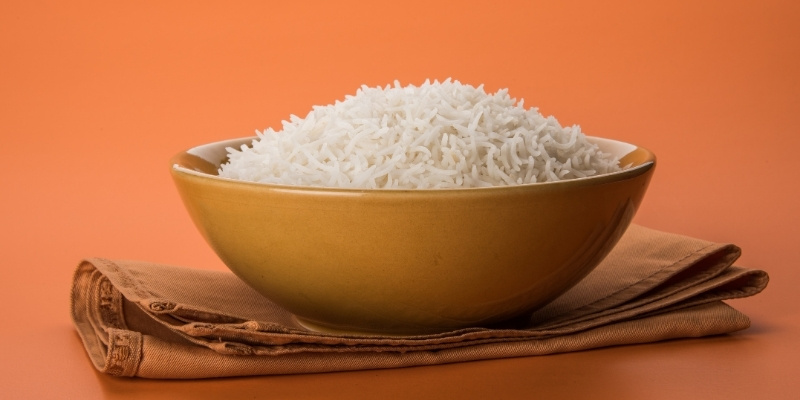
STARCH-RICH INGREDIENTS LIKE RICE CAN TRIGGER ELEVATED INSULIN LEVELS.
The primary goal does not involve simply feeding the dog to fill its stomach. Ultimately, the true goal requires nourishing the physical body while actively reducing unnecessary metabolic stress.
Thank you for reading.
To discover more about how whole food diets, species-appropriate ingredients, and natural nourishment restore internal vitality, read our canine nutrition guidelines.
At Sasha Riess, we look past commercial labels to honor the unique biological blueprint of your companion. True health requires addressing the subtle internal patterns that create lasting vitality and pureloveandharmony. Discover the customized path to your dog’s longevity: Linktree Sasha Riess
by Sasha Riess | 17.04.26. | Wellbeing
Many dog owners wonder what kind of water should dogs drink — bottled brands like Rosa or Prolom, or plain tap water. Veterinarians often disagree, but Sasha Riess offers a clear and practical answer: The best water for dogs is tap water that has been left to stand.
Why Tap Water Is the Best Choice
Tap water goes through a strict control and safety system. Although many people doubt its quality because of various “conspiracy theories” about chemicals and treatments, tap water actually undergoes rigorous testing to ensure it’s safe for consumption.
To make it even better, let it sit for a few hours — this allows volatile molecules and disinfecting chemicals to evaporate naturally.
“I always prefer tap water — the kind that’s been standing and to which I add a pinch of parsley. That’s the safest water for dogs.” — Sasha Riess
The Problem with Bottled Water
Although bottled water might seem cleaner and safer, it usually comes in plastic containers that go through sterilization processes. These include chemical and physical treatments (sometimes even UV radiation), which can affect the water’s composition. Plastic must be completely sterile to prevent the growth of bacteria, fungi, or pathogens in the water.

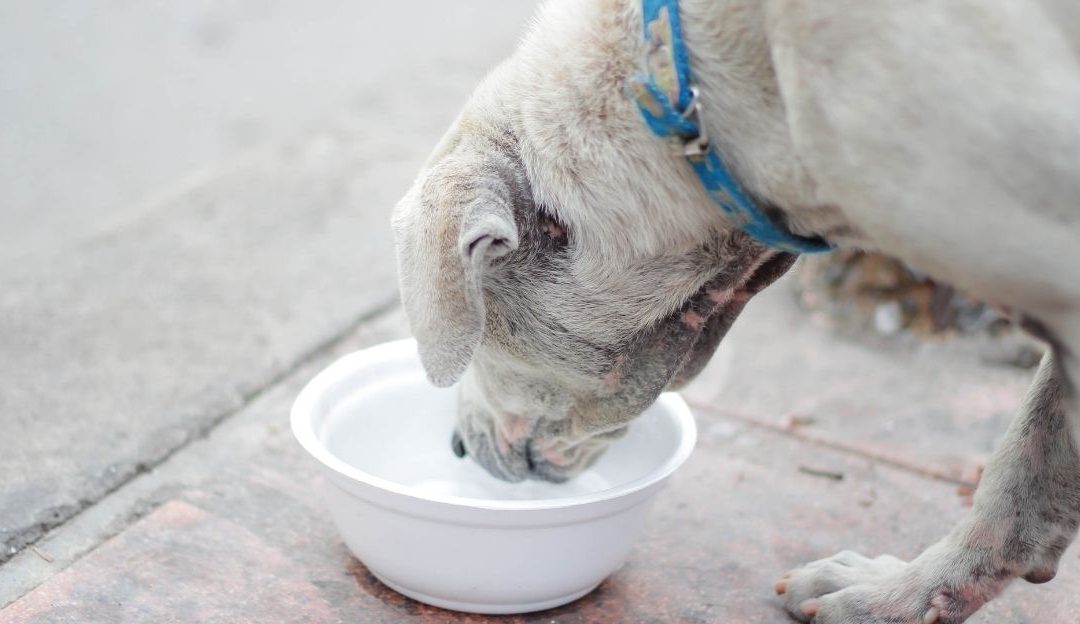
A dog drinks clean water from a glass bowl – a healthy, plastic-free choice.
However, over time, the interaction between plastic and water causes the release of micro-degraded particles into the liquid. That’s why long-term consumption of bottled water isn’t ideal — for dogs or for humans.
The Ideal Solution — Filtered Tap Water
If possible, use a water filter. It will purify tap water even further, providing your dog with clean, natural water — free from plastic and chemical residues. When considering what kind of water should dogs drink, filtered tap water stands out as the premium choice for long-term health. Clean water supports better digestion, kidney health, and overall vitality. Sometimes, the simplest choice is truly the healthiest.
At Integrative and Holistic Grooming Education, we believe that health starts with the simplest elements. From the water they drink to the energy we share, every detail matters for pureloveandharmony. Learn more about our holistic approach:Linktree Sasha Riess
by Sasha Riess | 05.04.26. | Nutrition
You can safely introduce broccoli to dogs who already eat cooked food. Adding vegetables such as broccoli supports dogs nutritionally by promoting the development of natural probiotics in the gut, strengthening the immune system, and helping maintain emotional balance.
Broccoli as a Healthy, Natural Addition to Cooked Meals for Dogs
Broccoli contains sulforaphane, a powerful antioxidant known for its protective effects, including potential prevention of certain types of cancer. When adding broccoli to the human dog relationship and their daily nutrition, it is important to chop it into very small pieces, around two millimeters, so dogs can digest it easily and fully absorb its benefits.

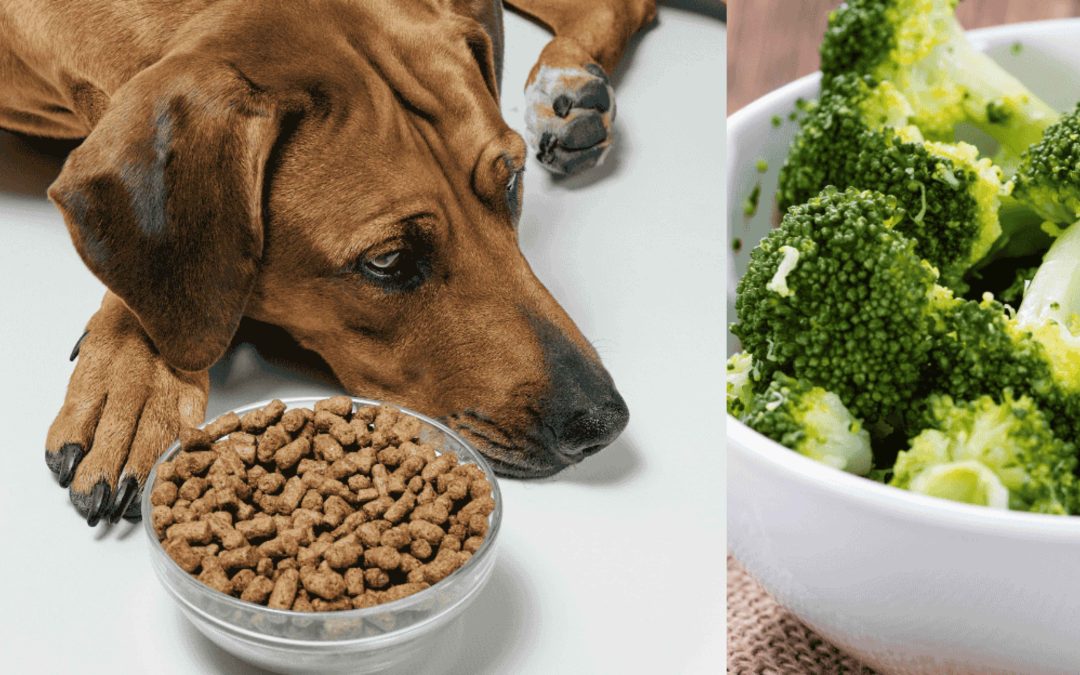
Dogs can enjoy broccoli when it is properly prepared and finely chopped.
Broccoli as a Nutritious and Safe Snack for Dogs
Dogs can enjoy broccoli when it is properly prepared and finely chopped. This simple addition to their bowl is more than just food; it is a way to support their biological rhythm and long-term health.
Preparation and Resting Time for Optimal Nutrition
To maximize the amount of beneficial sulforaphane, finely chopped broccoli should be left to rest for about ninety minutes before being added to the meal. This ensures your dog receives an optimal nutritional boost, whether they eat kibble or cooked food. By respecting these small details in preparation, we respect the dog’s physiology and their right to a vibrant life.
At Integrative and Holistic Grooming Education, we believe that true care starts with the smallest ingredients. When we nourish the body correctly, we create space for harmony. Explore more: Linktree Sasha Riess