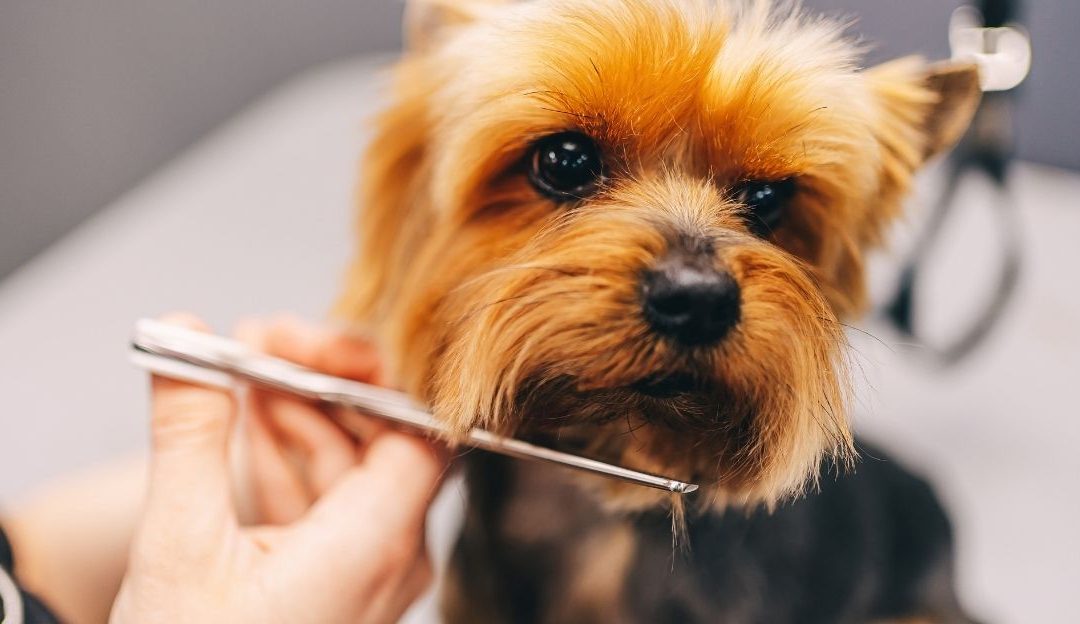
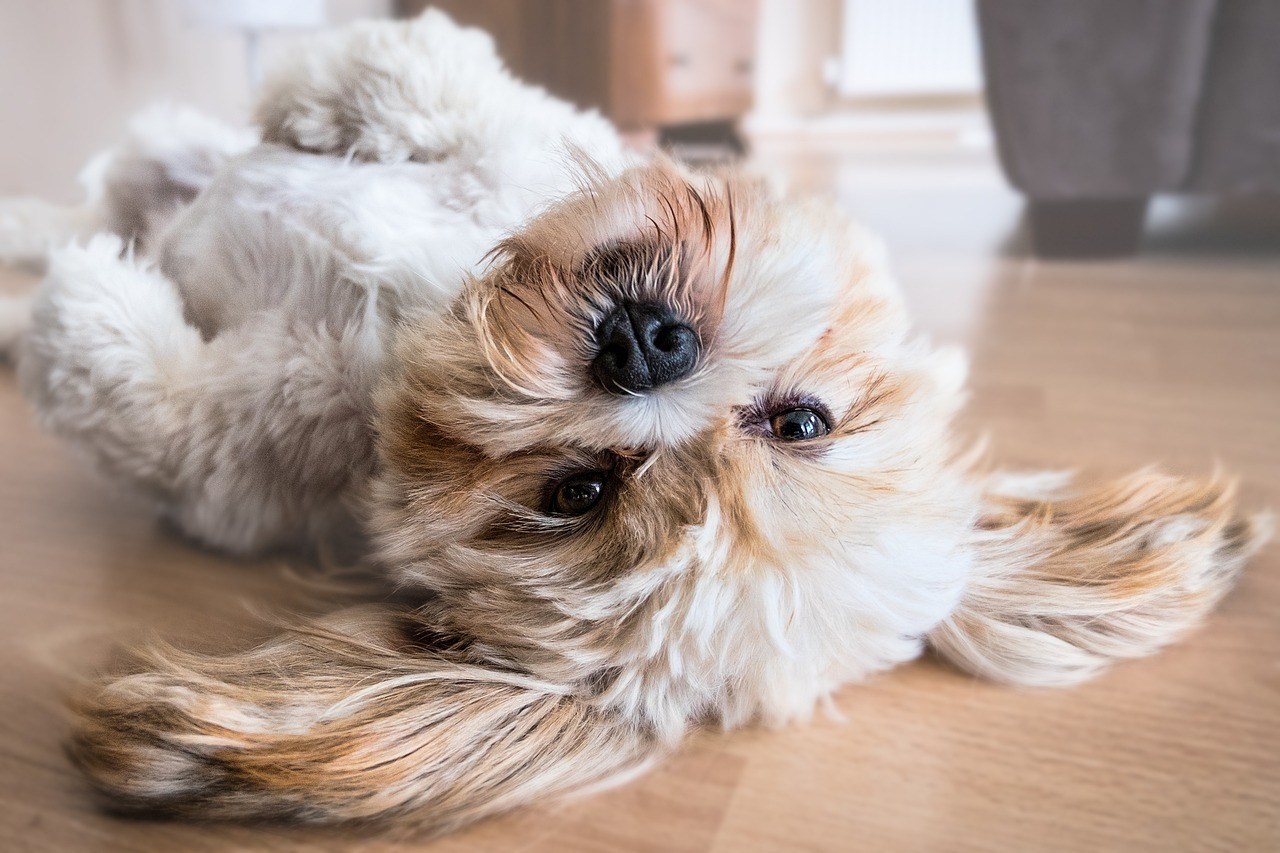
Many owners wonder when to groom a puppy for the first time and whether there is a “right moment” to get the puppy used to bathing, trimming, and blow drying. The truth is that most puppies accept grooming much faster and more easily if it starts early, even before six weeks of age. Early grooming is not just a hygiene routine; it is an important part of raising a stable and confident dog.
When to Groom a Puppy: The Optimal Time
The best time for a puppy’s first grooming can be even before six weeks of age, especially in breeds that grow hair quickly or have long, soft coats. Many breeders begin gentle care as soon as the puppy opens its eyes and starts nibbling solid food, sometimes as early as the third week. At that stage, puppies begin to separate from the mother, get dirty, and enter a phase where a first light hygiene routine becomes necessary.
How to Prepare a Puppy Before Grooming
When grooming starts early, the puppy quickly learns that touch, water, a blow dryer, and clippers are a normal part of life. Dogs that go through gentle grooming processes from a very young age later accept grooming, veterinary visits, nail filing, and handling much more easily. If grooming is postponed for too long, a puppy may develop resistance, fear, or nervousness.
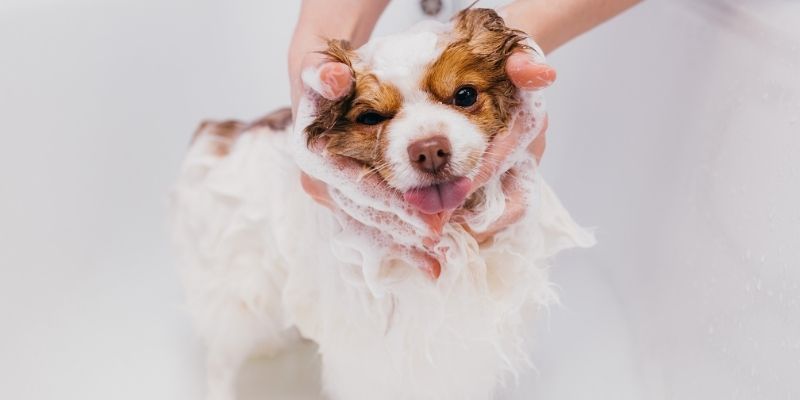
Early bathing helps a puppy experience grooming as a normal part of life.
Tips for Regular Grooming and Habituation
Habituation should be gentle, short, and positive. The first grooming session should not last long; just a few minutes is enough. A simple routine includes:
Briefly touching the paws and muzzle
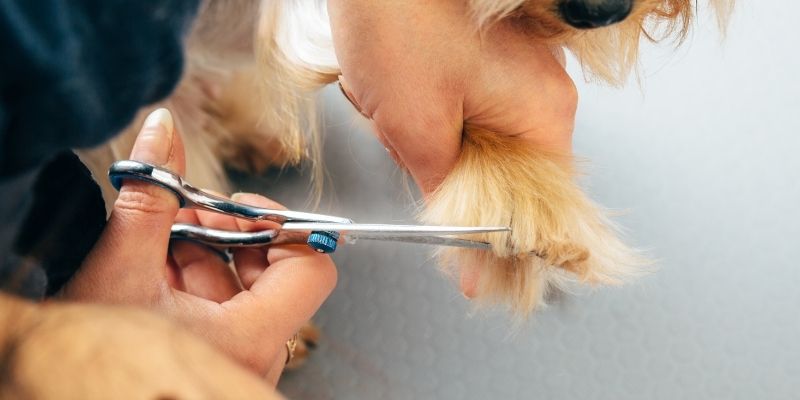
Lightly trimming hair around the eyes or paws
Short blow drying without directing air at the head
Bathing only with warm water and gentle movements
The Most Common Mistakes in Puppy Grooming
Waiting until the puppy is four to six months old, which is too late.
Making the first grooming session too long.
Forcing the puppy if it becomes restless.
Using a blow dryer that is too strong.
Negative reactions from the owner that create tension.
Trimming the paws is the first step in teaching a puppy to accept touch and care.
How to Make Grooming a Stress-Free Routine
The most important thing is to stay calm. The puppy should feel that grooming is a normal part of life, not a special event. If you are wondering when to groom a puppy, the answer is as early as possible, but gently and gradually. Early habituation makes a huge difference and helps build a dog that accepts grooming calmly throughout its entire life.
At Integrative and Holistic Grooming Education, we believe that early care is the foundation of pureloveandharmony. By introducing grooming as a natural routine, you are giving your puppy the gift of stability. Learn more about our approach: Linktree Sasha Riess
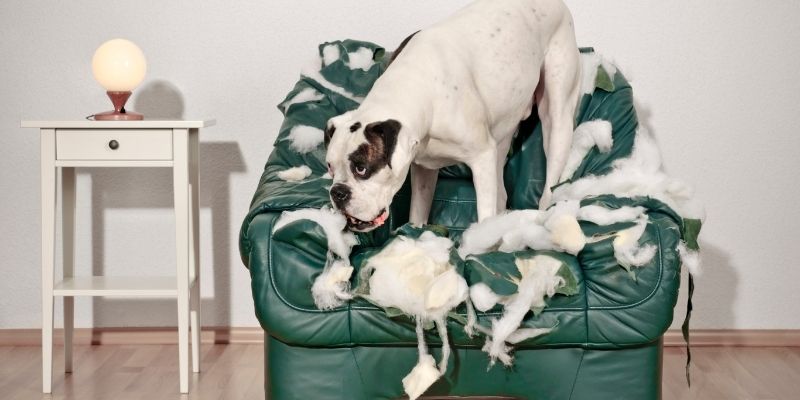
When a dog is left alone at home and begins to cry, howl, scratch the door, or destroy items, many owners think it is simply “being spoiled.” However, in most cases, this behavior is separation anxiety, a deep fear that the owner will not return or that the dog has been abandoned.
This problem is common, but often misunderstood. Out of good intentions, owners start sacrificing their own life, staying home, avoiding plans, and adjusting everything to the dog, believing it will help. But this actually makes the problem worse.
Why Excessive Sacrifice Hurts the Dog
Dogs that suffer when left alone are not just “sad.” They are anxious, and the anxiety becomes stronger each time their fear “works.” When the owner avoids obligations or returns quickly because the dog cries, the dog receives the message: “You are right to be afraid. The world is dangerous without me.”
Dogs do not want us to sacrifice ourselves. They want a stable, calm, confident human who shows them that leaving is normal and returning is certain.
Secure Attachment vs. Separation Anxiety
Dogs with secure attachment can stay alone because they know the owner always returns and they feel they are in a predictable routine. On the other hand, a dog with separation anxiety experiences panic. To them, the owner has disappeared forever. This results in:
Urinating or defecating indoors
Chewing furniture or belongings
Scratching doors until injuring paws
Trembling, whining, or circling endlessly
These are not “bad habits”; this is a physiological response to fear.
Teach independence while you are at home: Practice short “stay” exercises in different rooms.
Do not return because the dog is crying: This reinforces fear. Return only when the dog is calm.
One Important Truth Every Owner Should Know
A dog who cries when left alone is not spoiled; the dog is scared. But a dog who cannot stay alone is not happy; the dog is dependent. And dependence is never love. Love is safety, trust, and the freedom for a dog to stay calm even when you are not there.
At Integrative and Holistic Grooming Education, we teach that a balanced dog starts with a balanced owner. Separation anxiety is an energetic knot that can be untied with the right approach. Restore the pureloveandharmony in your home:Linktree Sasha Riess
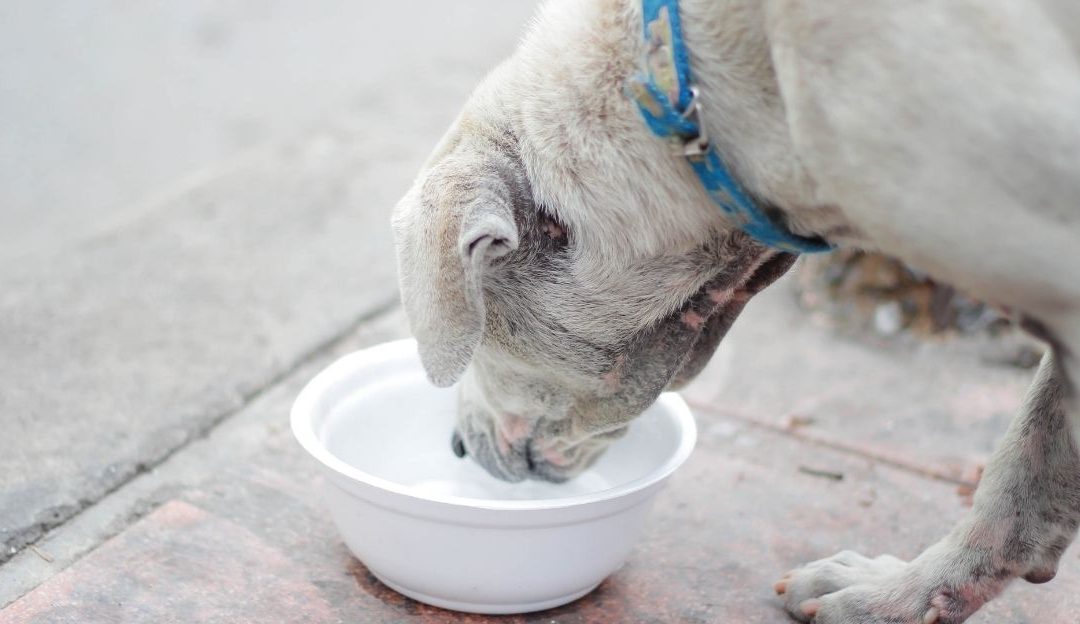
Many dog owners wonder what kind of water should dogs drink — bottled brands like Rosa or Prolom, or plain tap water. Veterinarians often disagree, but Sasha Riess offers a clear and practical answer: The best water for dogs is tap water that has been left to stand.
Why Tap Water Is the Best Choice
Tap water goes through a strict control and safety system. Although many people doubt its quality because of various “conspiracy theories” about chemicals and treatments, tap water actually undergoes rigorous testing to ensure it’s safe for consumption.
To make it even better, let it sit for a few hours — this allows volatile molecules and disinfecting chemicals to evaporate naturally.
“I always prefer tap water — the kind that’s been standing and to which I add a pinch of parsley. That’s the safest water for dogs.” — Sasha Riess
The Problem with Bottled Water
Although bottled water might seem cleaner and safer, it usually comes in plastic containers that go through sterilization processes. These include chemical and physical treatments (sometimes even UV radiation), which can affect the water’s composition. Plastic must be completely sterile to prevent the growth of bacteria, fungi, or pathogens in the water.
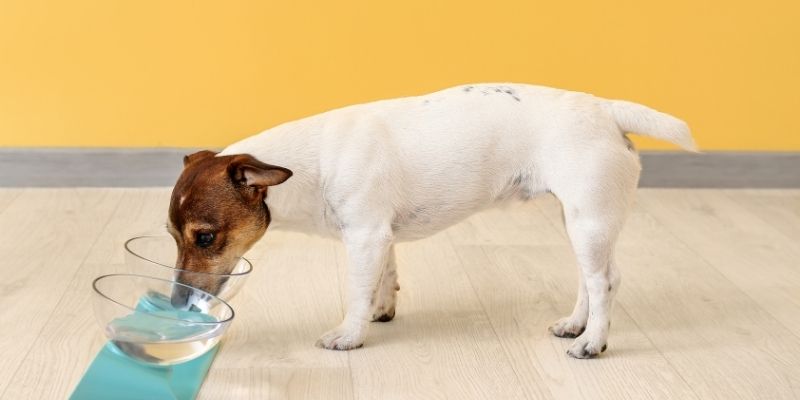
A dog drinks clean water from a glass bowl – a healthy, plastic-free choice.
However, over time, the interaction between plastic and water causes the release of micro-degraded particles into the liquid. That’s why long-term consumption of bottled water isn’t ideal — for dogs or for humans.
The Ideal Solution — Filtered Tap Water
If possible, use a water filter. It will purify tap water even further, providing your dog with clean, natural water — free from plastic and chemical residues. When considering what kind of water should dogs drink, filtered tap water stands out as the premium choice for long-term health. Clean water supports better digestion, kidney health, and overall vitality. Sometimes, the simplest choice is truly the healthiest.
At Integrative and Holistic Grooming Education, we believe that health starts with the simplest elements. From the water they drink to the energy we share, every detail matters for pureloveandharmony. Learn more about our holistic approach:Linktree Sasha Riess
Urinary incontinence in dogs, especially in spayed females, is a common and unpleasant issue that can seriously affect quality of life. Although it is usually treated with medications such as Propalin, there are natural methods that can help regenerate and strengthen the bladder.
Why Incontinence Occurs After Spaying
After spaying, female dogs experience a decrease in estrogen, the hormone that helps keep the muscles around the bladder strong. When there is not enough estrogen, the sphincter, the muscle that closes the bladder, weakens and urine leaks uncontrollably, most often while the dog is sleeping or relaxed. This is not a disease in itself but a consequence of hormonal imbalance and physiological change in the body.
Conventional and Holistic Therapy
Veterinarians usually recommend hormonal drugs that replace estrogen, such as Propalin syrup. These often help, but long-term use can burden the adrenal glands. The holistic approach combines mild phytotherapy, proper nutrition, and emotional support. The goal is for the body to regain strength and restore natural balance on its own.
Initial Assessment and Observation
Before starting natural therapy, it is necessary to have a veterinary examination to rule out infections, bladder stones, tumors, or neurological issues. Then observe:
When leakage occurs (during sleep, excitement, or after drinking water)
Whether the dog shows stress, sadness, or insecurity
Whether the problem appeared after sterilization
The type of diet and level of physical activity
Lifestyle Adjustments
A calm environment: a dog that lives without stress regulates body functions more easily. Never punish a dog for urination, as it only worsens the condition.
Hydration: use filtered water and add a little aloe vera juice or chlorophyll.
Movement and massage: gentle belly and back massages improve circulation and muscle tone.
Give 1–2 pellets daily for seven days, then take a break and observe.
Skin and Hygiene Care
Trim the hair around the genital area and tail. Use wet wipes with chamomile, calendula, or aloe vera. Bathe the dog regularly with a mild shampoo and conditioner. Wash bedding with the addition of vinegar for natural disinfection.
Emotional Support and Monitoring
Incontinence often reflects emotional states such as fear of abandonment, sadness, or insecurity. A dog who receives attention, affection, and calm surroundings improves more quickly. Keep a diary: note changes, behavior, and leakage frequency. Progress usually appears within four to six weeks.
Prevention
Do not rush with sterilization until the dog is physically mature. Maintain an ideal body weight. Use fresh, natural nutrition and regular activity.
Final Message
Urinary incontinence is not just a physical issue but often a message from the body and soul. By caring for your dog’s diet, emotional balance, and environment, you support healing from within.
At Integrative and Holistic Grooming Education, we look at the whole being. When the body speaks through symptoms, we listen with care and science. Support your dog’s natural balance: Linktree Sasha Riess
Why is a dog a reflection of its owner? When a dog shows problematic behavior, it is never the dog’s problem. It is our reflection. The dog is not asking us to change him. He is asking us to change ourselves.
What Does It Mean That the Dog Mirrors the Owner
I often hear people say that they have a problematic dog. But the truth is that the dog is never the problem. The dog is our mirror. He senses our tension, our restlessness, and our insecurity. If a dog shows behavior we dislike, it is not a sign that the dog needs correction. It is a sign that we must first look within ourselves, because the dog mirrors the owner.
When I am not honest with myself, my dog cannot be calm. When I am tense, he becomes tight. When I am out of balance, he lives that imbalance with me.
Why We Try to Fix the Dog When the Dog Mirrors Us
People often turn to trainers, manuals, and new techniques, hoping to “fix the dog” without understanding that the dog is simply their mirror. The dog does not ask for correction. The dog asks for authenticity.
Just as a child is not responsible for how a parent feels, the dog is not the cause of the problem. The dog is the consequence. When we change ourselves, the dog changes with us. This is what I call a holistic approach.
The dog is not a correction, but a consequence—a reflection of your authenticity.
The Holistic Perspective We Often Miss
Medicine and veterinary science often look only at the symptom, without seeing the bigger picture. But life is not a sum of disconnected parts. The soul, emotions, and body are connected.
That is why solving only the consequence is not enough: barking, pulling on the leash, or digestive issues. If truth and inner change are missing, no trainer or expensive manual will help.
Truth and Authenticity as the Key to Change
We already have all the tools we need. What is often missing is truth. When we add truth to what we do, the dog responds and everything falls into place. Just like a child does not become happy when we try to “fix” it, but when the parent finds inner balance, the same is true for the dog. The dog is the result of our energy.
The Dog Is Not Your Problem. The Dog Is Your Indicator
If you want the dog to change, you must first change yourself. This is the hardest, yet the only path to true harmony with your dog. This is the ultimate truth of the human dog relationship.
At Integrative and Holistic Grooming Education, we believe that the leash works both ways. To lead your dog to peace, you must first find it within yourself. Discover the path to true authenticity:Linktree Sasha Riess