by Sasha Riess | 28.07.26. | Nutrition
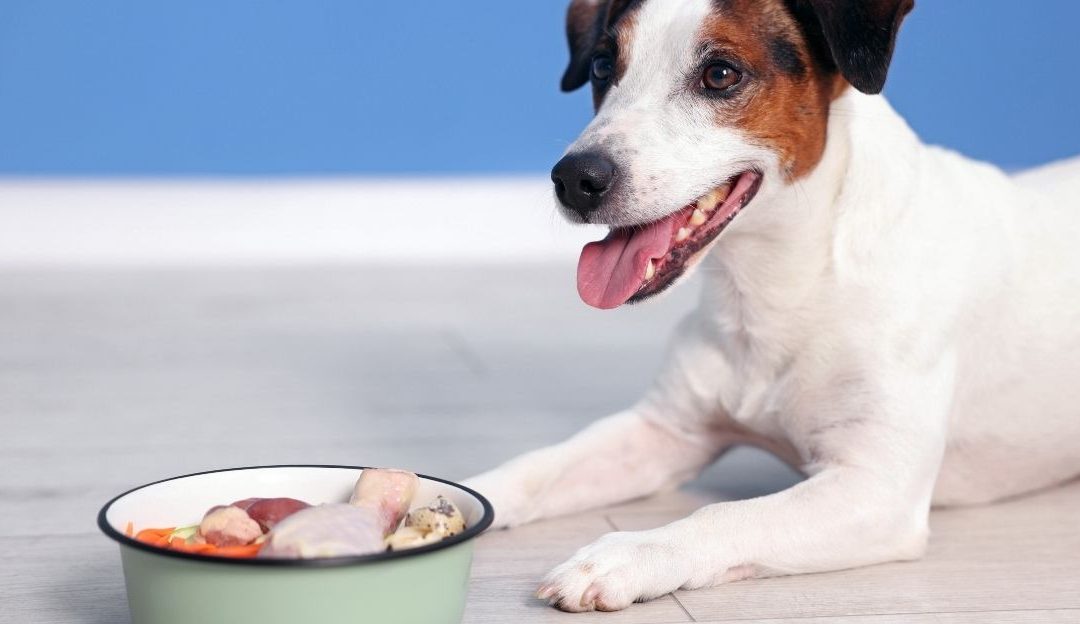
What does it really mean to feed a dog that suffers from allergies? A problem faced by an increasing number of owners begins with understanding the proteins we place in the dog’s bowl. Meat can be the least allergenic option, but under one key condition: that it contains no antibiotics.
Therefore, identifying how to properly feed sensitive dogs requires looking past the industrial packaging and into the exact biological complexity of the proteins you choose.
Simple vs. Complex Proteins
In mass animal production, animals with short life cycles are most commonly used. Chicken, turkey, goose, or duck. These animals live only a few months. Even a rabbit, raised for rapid growth, produces proteins that are relatively simple from a biological perspective. These simple proteins form the basis of most commercial dog foods.
On the other side, we have more complex biological systems. Animals that live longer, such as cows or goats. It takes one or two years to raise a good bull. These are biologically more complex organisms, which can carry a higher potential for sensitivity when introduced into a dog’s diet. Knowing how to properly feed sensitive dogs means managing these different tiers of structural complexity based on your dog’s unique metabolic tolerance.
What “Sensitive” Dog Food Actually Means
What many owners do not know is the technology behind dog food labeled as “sensitive.” This type of food is produced through a specific process in which, under high pressure and temperature, protein chains are broken down into simpler amino acid chains.

Biologically complex proteins from animals with longer life cycles can trigger sensitivities if the immune system is already compromised.
In this form, the probability of an allergic reaction becomes significantly lower. The dog’s immune system is far less likely to react to such food because, in biological terms, it no longer contains intact protein structures that the immune system recognizes as a threat. However, relying on processed amino acid fragments is a short-term bypass rather than a true biological cure. To understand how to properly feed sensitive dogs using whole, clean proteins that naturally nurture the cellular system, read our holistic nutrition guidelines.
At Sasha Riess, we look past commercial labels to honor the unique biological blueprint of your companion. True health requires addressing the subtle internal patterns that create lasting vitality and pureloveandharmony. Discover the customized path to your dog’s longevity: Linktree Sasha Riess
👉 Follow our Facebook page and never miss our latest articles, news, and updates.
by Sasha Riess | 23.07.26. | Nutrition
Before we change a dog’s diet, we must first prepare its digestive system. This is not simply about changing what goes into the bowl. Instead, it is a strategic process in which prebiotics play a key role.
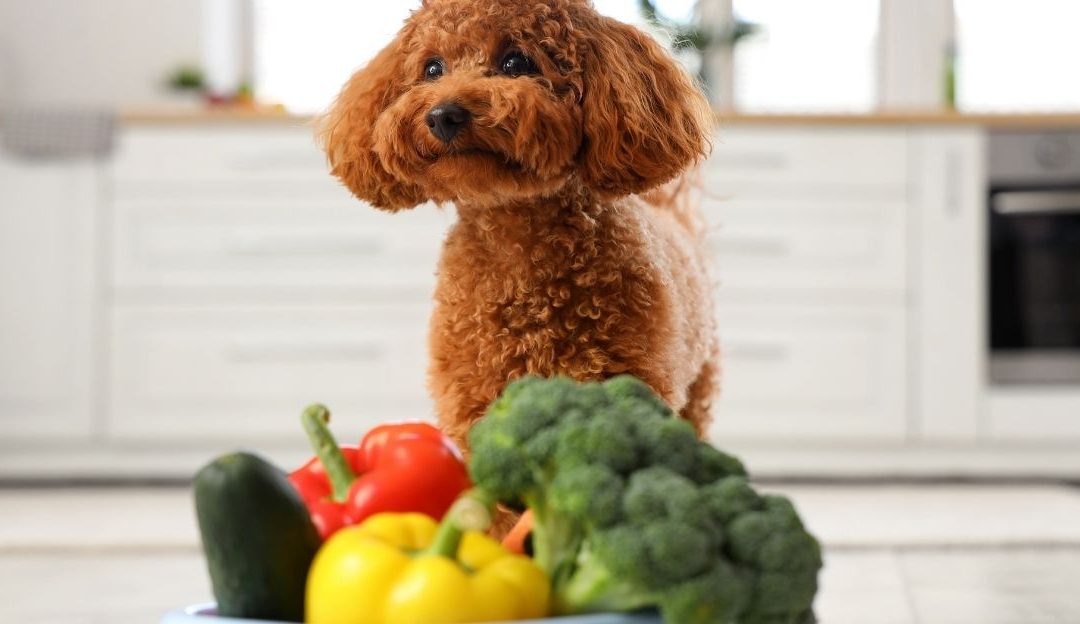
Bone broth, broccoli, and specially prepared “cookies” serve to prepare the dog’s digestive microbiome for the “cooking” of either raw or thermally processed food. Therefore, learning how to restore a dog’s gut microbiome is the essential first step before introducing any species-appropriate, biologically active food.
The Awakening Process Is Not Inflammation
Many owners give up at the very beginning because they become frightened by the reactions they see. Diarrhea, a sensitive stomach, and gas that may appear are often not signs that something is wrong. On the contrary, they are clear signs that the organism is waking up and adapting to new food. These processes, which may resemble inflammation, are actually symptoms of a body awakening after being fed artificial nutrition for too long.
This is where the main problem appears. Owners withdraw from the process prematurely because they believe the food does not suit the dog, when in fact the process of deep change has just begun. Fear of these initial digestive reactions remains the most common reason why people step back instead of continuing toward health. Understanding how to restore a dog’s gut microbiome allows you to navigate these temporary cellular shifts with confidence and patience.
A Protocol for a Safe Transition
That is why a gradual approach and structural support throughout the entire process are absolutely essential. I have created a special program and protocol that I will share with you on a daily basis. As we prepare our natural “bread” and daily appetizers, follow the steps that allow a dog to safely transition to a more natural diet.
Initial digestive shifts are not signs of illness, but symptoms of a toxic cellular system waking up to real nutrition.
The goal is for your dog to go through this process without unnecessary stress on the body. All details of the protocol can be followed through our live sessions, which remain saved, and can also be read in detail on the Formula portal in the category Nutrition. This structured guidance shows you exactly how to restore a dog’s gut microbiome safely and professionally. Your readiness for this awakening is the first step toward your dog’s longevity. To explore more about how freshly prepared, raw meals and natural enzymes restore internal balance, read our holistic nutrition guidelines.
At Sasha Riess, we look past commercial labels to honor the unique biological blueprint of your companion. True health requires addressing the subtle internal patterns that create lasting vitality and pureloveandharmony. Discover the customized path to your dog’s longevity: Linktree Sasha Riess
👉 Follow our Facebook page and never miss our latest articles, news, and updates.
by Sasha Riess | 19.07.26. | Nutrition
The essence of nutrition and the “cooking” of food inside the body lies in the microbiome. If there is no microbiome, there is no real processing of food. Without healthy microorganisms in the intestines, there is nothing the dog’s body can truly absorb from what we give it. Unfortunately, when it comes to dog nutrition based on artificial food, the microbiome almost does not exist. Therefore, understanding why artificial food ruins dog immunity helps you protect your pet from the hidden long-term dangers of processed commercial diets.
The Problem of “Powder” and Ready-Made Solutions
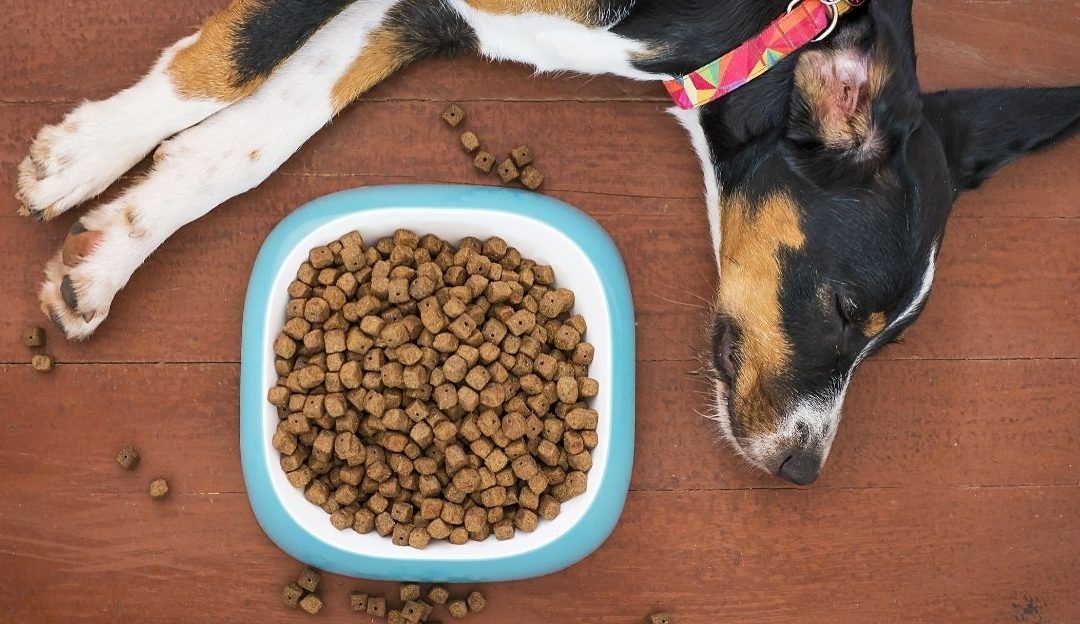
Why is artificial food problematic? Because everything in it is reduced to powder. Calcium is powder, vitamins are powder, proteins are powder. Everything is already “available” and processed. It is no longer a biological unit from which the body must extract nutrients on its own.
Nature is based on the second law of thermodynamics: minimal energy expenditure for maximum result. If you give the organism everything on a plate in the form of powder, it loses the need to maintain the microbiome. The organism will not spend energy on something it does not “need” to digest such food, and that is where the fatal mistake occurs. This metabolic shutdown explains exactly why artificial food ruins dog immunity by making the digestive tract completely redundant.
The Microbiome: The Home of Immunity and Defense Against Disease
Food that we prepare ourselves stimulates the formation of the microbiome, but it does not serve digestion alone. The dog’s immune system lives in the microbiome.
When a dog reaches older age and its body is attacked by malignant cells or serious diseases, it has nothing to defend itself with if its microbiome has been destroyed by decades of artificial feeding. This biological depletion is the primary reason why artificial food ruins dog immunity over a lifespan, leaving aging dogs vulnerable to chronic illness.

A living, active, and strong canine immune system is built exclusively through real, whole food.`
Food That Builds or Food That Destroys
The microbiome and immunity are built through food. In the same way, they are destroyed through food.
Feeding dogs artificial products leaves the organism without its natural army. For your dog to have the strength to cope with the challenges of old age, it must have a living, active, and strong microbiome that is built exclusively through real, biologically valuable food. To explore more about how freshly prepared, raw meals and natural enzymes restore internal balance, read our holistic nutrition guidelines.
See you next time.
At Sasha Riess, we look past commercial labels to honor the unique biological blueprint of your companion. True health requires addressing the subtle internal patterns that create lasting vitality and pureloveandharmony. Discover the customized path to your dog’s longevity:Linktree Sasha Riess
👉 Follow our Facebook page and never miss our latest articles, news, and updates.
by Sasha Riess | 14.07.26. | Nutrition
I thought it was time to move on to recipes. To reach the practical part, cooking, concrete combinations, and nutritional formulas. But it is not happening—not yet. This delay is not because I do not know the recipes, but because an obstacle appeared that I did not expect on this massive scale.
After my previous column and all the conversations I opened about kibble and industrial food, I received an avalanche of messages and comments. People write to me saying they “no longer give kibble” and that they now buy cooked or raw food. In those sentences, everything becomes visible: a person believes they have changed their dog’s life simply because they changed the commercial product. However, the point is not changing the product. The point is changing the relationship toward responsibility. Therefore, understanding why homemade meals beat store-bought food is essential, as true health requires personal involvement rather than buying a new commercial label.
The Trap of the “Easier Path”: From Kibble to “Fresh” Labels
Over the past year, more products have appeared than ever before. The dog food market is literally exploding. Whenever someone begins to speak the truth about kibble, the market immediately offers a new version of the same old story. It is no longer just “a bag of kibble.” Now it is labeled as “fresh,” “cooked,” “raw,” “human grade,” “chef made,” or “farm to bowl.”
Once again, owners face a label, advertising, and the act of buying instead of practicing genuine responsibility. People feel better because they believe they have done something big. In reality, they have simply moved from one manufacturing industry to another.
The problem is not only what the dog eats. The problem is who controls the path of that food. When you buy commercial cooked or raw meals, you buy food that has passed through mass production, chemical packaging, cold chains, storage, transport, and sales. One single interruption in that chain, one mistake, or one faulty batch, and the consequences become enormous. Industry operates on an industrial scale, and so do its errors.
The Risk of a Long Supply Chain: Why Industrial “Cooked” Food Can Be Dangerous
This systemic vulnerability is why massive lawsuits are being conducted worldwide against dog food manufacturers. When something goes wrong, it goes wrong collectively. These are not isolated problems; they are tragedies that affect waves of owners at once. Only then do you realize how powerless the phrase “freshly cooked” on a plastic label is against the reality of a long logistical chain.
People say, “But it is cooked, it cannot be dangerous.” It can—very much so. Cooked food spoils, becomes contaminated, and can be stored improperly. It can lose its cold chain or sit at the wrong temperature. It can look perfect, smell good, and still be lethal. All it takes is a single point in the logistical chain to fail for harmful bacteria to develop. These pathogens gradually destroy the microbiome, multiply excessively, and create chronic problems from which there is no return. This fragile delivery chain shows why homemade meals beat store-bought food when it comes to basic biological safety.
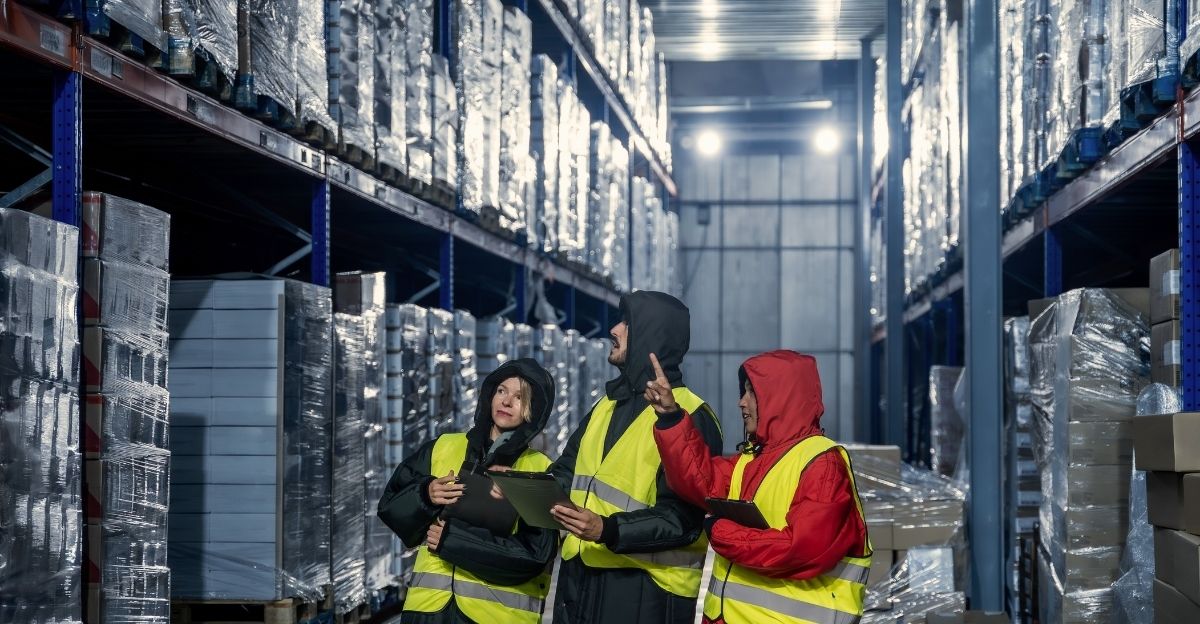
Every single stop in a massive commercial supply chain introduces a potential risk of contamination or failure for store-bought dog food
Why I Will Never Have My Own Dog Food Brand
No one can do better for your companion than you. No brand, no commercial “chef,” and no marketing company can assume responsibility better than an owner.
What surprised me most was how many companies called me to advertise food, promote brands, or become the face of someone else’s formula. Many invited me to help create recipes to build the “best cooked food on the market.” Some even enrolled in my school with the sole goal of launching their own dog food businesses because the market appears to be a perfect financial opportunity.
However, after a single serious meeting, people realize the heavy reality. They understand that it is an enormous risk. Regardless of the financial model or potential profit, the emotional risk is not worth the investment. When you make food for dogs, you literally hold someone’s life in your hands. If you make a mistake, the consequence is a funeral.
I will not create a food brand, nor will I promote anyone’s commercial food. I refuse to participate in an industry where one oversight can kill someone else’s dog. My mission is not to profit from another person’s concern; my mission is to awaken people.
⬇️⬇️⬇️
A Vision of a World Without a 500 Billion Dollar Empire
The dog food industry is a global empire worth over 500 billion dollars. Imagine that money remaining in people’s pockets instead. Imagine owners having knowledge, security, control, healthier dogs, fewer veterinary visits, and less suffering.
A dog was not given to us so we could feed consumerism and the greed of the world. A dog was given to us so that through it we might learn what real care means. Next time, and only next time, I will speak about recipes. I will explain how to cook for a dog properly and professionally, how to balance meals, and how to accomplish a stable nutritional routine. But first, we must all admit one thing: there is no perfect store-bought food. There is only perfectly accepted responsibility. To explore more about how sourcing fresh, living ingredients at home rebuilds your dog’s vital systems from the inside out, read our holistic nutrition guidelines.
See you next time.
At Sasha Riess, we look past commercial labels to honor the unique biological blueprint of your companion. True health requires addressing the subtle internal patterns that create lasting vitality and pureloveandharmony. Discover the customized path to your dog’s longevity:Linktree Sasha Riess
by Sasha Riess | 10.07.26. | Nutrition
It is time to question what truly lies inside the shiny packages we buy for our dogs. My message is clear: discard canned meat. Although it seems practical, canned dog food is often a major unknown that directly affects your dog’s health and the body’s acidity levels.
Therefore, discovering how canned dog food harms dogs helps you protect their digestive environment from hidden industrial hazards.
What Is Actually Inside the Can?
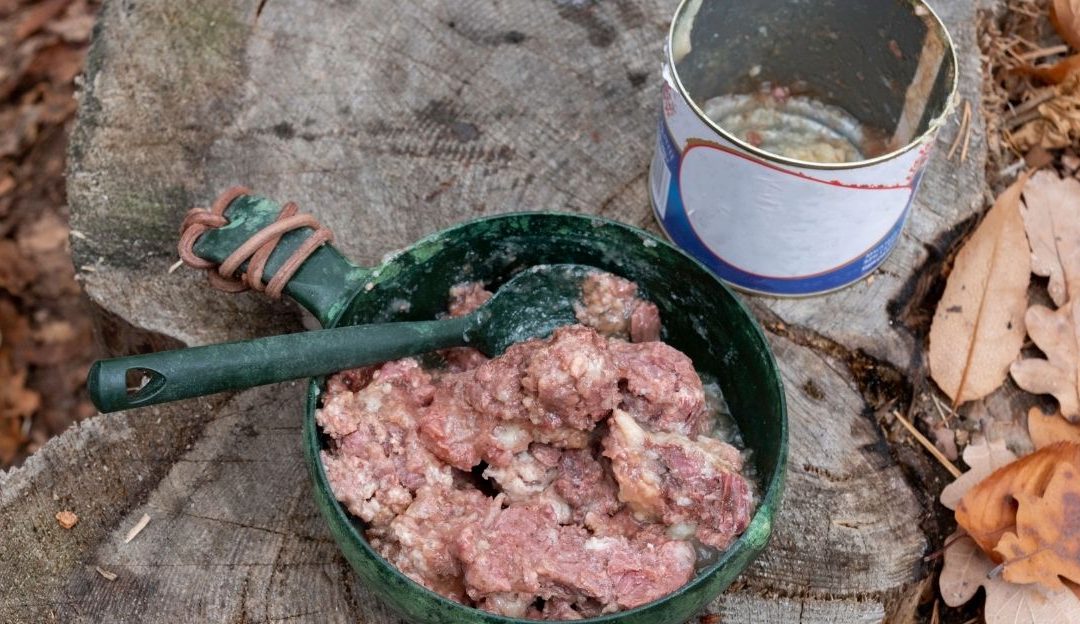
When you buy industrially processed food, you rarely know what is truly inside. These cans are often filled with carbohydrates and low-quality fats. Instead of pure meat, they frequently contain ground skin, horns, hooves, feathers, and organ byproducts. Together, they create a mixture that disrupts the stomach’s optimal acidity. Consequently, this metabolic imbalance serves as the first step toward severe digestive problems and weakened immunity. This structural breakdown explains exactly how canned dog food harms dogs by altering their natural digestive pH.
Apple Cider Vinegar as a Natural Remedy
As a counterbalance to poor industrial food, we must return to nature. My grandmother used to make remarkable apple cider vinegar by soaking apples in water and leaving them in the sun for several weeks. It was a drink I consumed throughout my childhood. That same fermented apple cider vinegar can support your dog as well.
Apple cider vinegar helps regulate the acidity that canned dog food often reduces due to excess low-quality fats. It acts as a natural probiotic and supports the body’s cleansing processes. Furthermore, the recipe is simple—you can make it yourself at home.
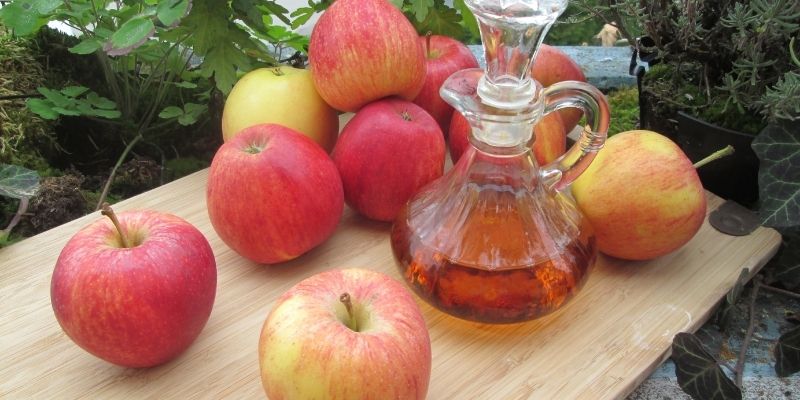
Fermented apple cider vinegar acts as a natural probiotic to safely restore your dog’s digestive balance.
How to Properly Dose Apple Cider Vinegar
You can add apple cider vinegar directly to food or to the water your dog drinks. The procedure is simple:
-
Prepare a basic solution with a 1:1 ratio—one tablespoon of vinegar to one tablespoon of water.
-
From this mixed solution, administer half a teaspoon for every 5 kg of the dog’s body weight.
Returning to natural fermentation and removing questionable canned products is one of the fastest paths toward your dog’s vitality. To explore more about how freshly prepared, raw meals and natural enzymes restore internal balance, read our holistic nutrition guidelines.
At Sasha Riess, we look past commercial labels to honor the unique biological blueprint of your companion. True health requires addressing the subtle internal patterns that create lasting vitality and pureloveandharmony. Discover the customized path to your dog’s longevity: Linktree Sasha Riess
👉 Follow our Facebook page and never miss our latest articles, news, and updates.