by Sasha Riess | 20.09.26. | Behaviour
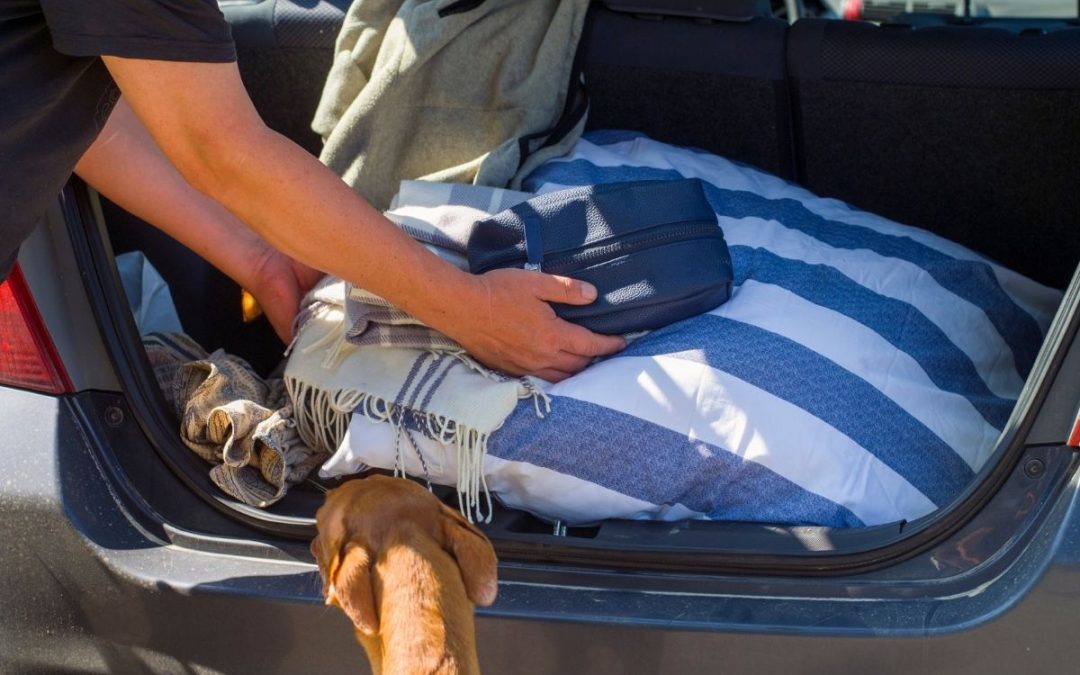
In the show “1000 Whys and 4 Hows,” a viewer asked about dogs that fear car rides. One owner shared that she tried everything — holding her dog in her lap, securing him with a seatbelt, placing him in a carrier — but nothing worked.
This type of fear is not unusual. In fact, many dogs fear car rides because they lack trust that their owner can protect them. They don’t see you as the “pack leader” in control of the situation, so the car becomes a place of uncertainty and danger.
The Ride Begins at Home — Not in the Car
When dogs fear car rides, the solution isn’t in carriers, harnesses, or petting during the trip. The solution lies in the relationship — and that relationship starts at home, not in the car.
From a technical point of view, when driving with your dog, you shouldn’t talk too much, pet him, or hold him. These actions only confirm that there’s a reason to be afraid. Consequently, what you intend as comfort actually reinforces his anxiety.
Instead, use your own calm and stability to communicate safety. Dogs respond to your energy — not your words.
Step One: Start with Yourself
The first step I always recommend to every owner is self-awareness.
Dogs don’t understand punishment or explanations — but they fully understand energy, tone, and intention. Therefore, your inner state sets the emotional tone of the environment.
Step Two: Practice Calm in the Car — Without Words or Music
When you start getting your dog used to the car, follow these steps:
-
Dress him in something slightly snug — if he usually wears a size 3, choose a size 2. Gentle pressure around the chest stimulates the vagus nerve, which has a calming effect.
-
Place him on the back seat and avoid eye contact or verbal interaction.
If he tries to come closer, calmly guide him back with your hand — no words, no emotion. Simultaneously, keep the car silent — no music, no talking — offering only silence and your grounded presence. This teaches your dog that the car is a neutral space, not a source of stress or tension.
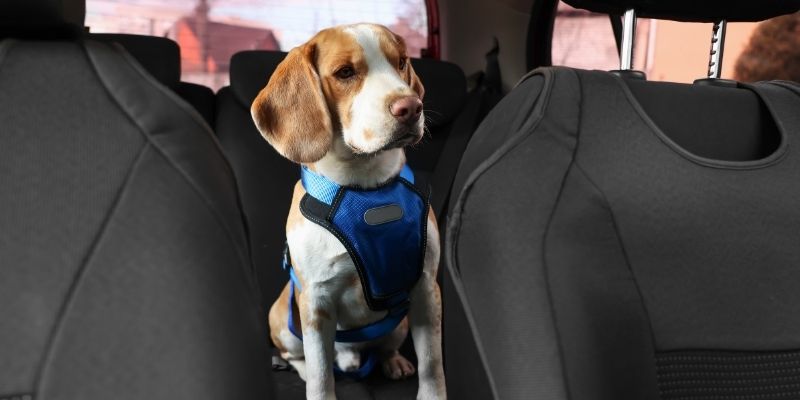
PRACTICING CALM IN THE CAR WITHOUT WORDS OR DISTRACTIONS TEACHES YOUR DOG THAT THE RIDE IS SAFE.
Step Three: Repetition and Trust
Repeat this exercise several times a week without driving. Once your dog appears calm and comfortable, begin taking very short rides — just a few minutes at first, gradually increasing the duration.
Your dog must feel that the ride is safe and that you are centered and in control.
Calm Owner – Calm Dog
A dog that faces fear car rides doesn’t need luxury — he needs security. When you show him that you’re stable, calm, and not overreacting, he begins to trust.
Ultimately, fear isn’t healed through words or force — but through energetic stability and consistency. When we learn to be calm, our dogs recognize it instantly and follow our lead.
Thank you for reading.
To discover more about how emotional alignment, balanced lifestyle, and authentic energy restore internal balance, read our canine communication & behavior guidelines.
See you next time.
At Sasha Riess, we look past commercial labels to honor the unique biological blueprint of your companion. True health requires addressing the subtle internal patterns that create lasting vitality and pureloveandharmony. Discover the customized path to your dog’s longevity:Linktree Sasha Riess
👉 Follow our Facebook page and never miss our latest articles, news, and updates.
by Sasha Riess | 18.09.26. | Nutrition
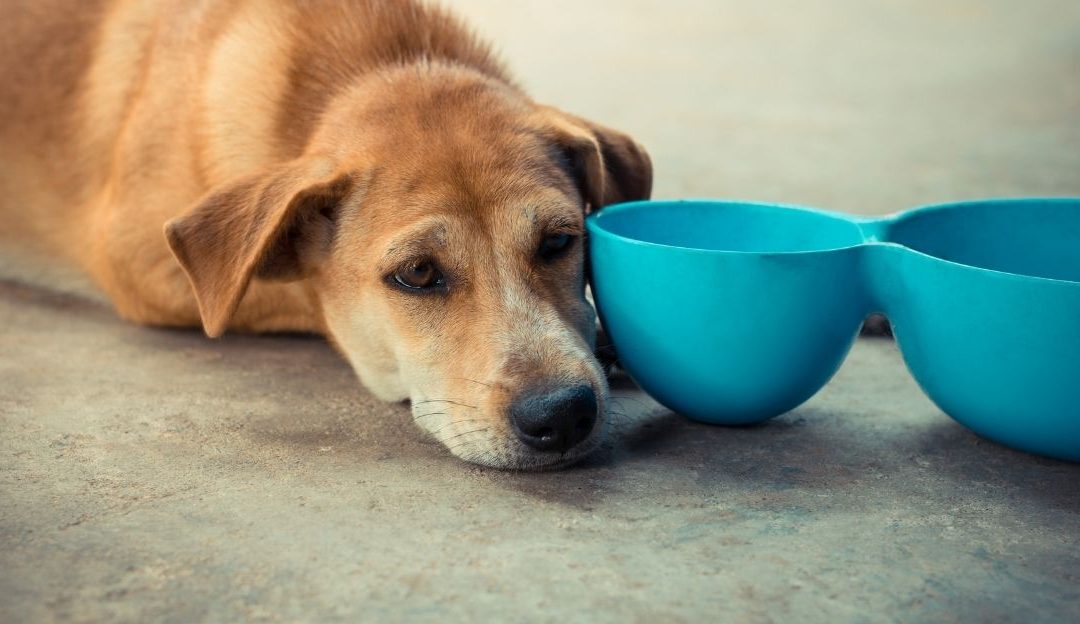
Many owners, with the best intentions, feed their dog at the exact same hour every day, most often after returning from work. What looks like routine and order, however, can create a strong conditioned reflex in the dog. Consequently, this habit turns into a serious behavioral and digestive issue over time.
A dog does not know that you are running late. The dog only knows that food arrives at five o’clock.
Therefore, allowing a dog to eat at the same time every day creates unnatural expectations.
How Digestive Problems Are Created
If you feed your dog every day at, for example, 5 p.m., the body adapts to that rigid rhythm:
-
stomach acid secretion begins around 4:30 p.m.
-
the organism prepares for a meal
-
the digestive system switches on
If the food does not arrive because you are stuck in traffic, working late, or delayed, stomach acid remains without food to digest. The result can be:
At that point, a conditioned reflex turns into an automatic physical reaction. The body no longer asks whether food is coming. It simply reacts.
A Dog Should Not Know the Exact Time of Feeding
The goal is not to stop feeding the dog. The goal is for the dog to know that food will come, but not exactly when.
In nature, dogs do not eat by the clock. Their bodies are adaptable, but when dogs eat at the same time every day, we teach them something unnatural. A dog that does not know the exact feeding time:
-
does not experience stress while waiting
-
does not produce excessive stomach acid
-
does not develop food-related anxiety
-
adapts more easily to changes in your daily life
How to Stop Feeding a Dog at the Same Time Every Day
The solution is simple, but it requires consistency:
-
one day feed the dog before leaving for work
-
the next day feed only after returning home
-
another day feed in the morning and stay home longer
-
one day skip a meal or let another person feed the dog
Simultaneously, observe your dog’s reaction during transition. Do not panic if the dog vomits foam the first time. This outcome shows that the reflex existed, not that you are doing something wrong.
BREAKING THE FIXED SCHEDULE HELPS YOUR DOG REMAIN CALM, BALANCED, AND FREE FROM FOOD ANXIETY.
Organize Life, Not the Clock
A dog that does not know the exact feeding time is more stable. It is important for the dog to understand this: Food comes, but not by the clock.
Ultimately, a dog should adapt to family life, not the family to the dog’s feeding schedule. When you achieve this balance, the dog stays calmer, the digestive system operates more smoothly, and you gain true freedom. Routine is good. Fixed feeding times are not.
Thank you for reading.
To discover more about how emotional alignment, balanced lifestyle, and authentic energy restore internal balance, read our canine nutrition guidelines.
See you next time.
At Sasha Riess, we look past commercial labels to honor the unique biological blueprint of your companion. True health requires addressing the subtle internal patterns that create lasting vitality and pureloveandharmony. Discover the customized path to your dog’s longevity: Linktree Sasha Riess
👉 Follow our Facebook page and never miss our latest articles, news, and updates.
by Sasha Riess | 16.09.26. | Coat Care
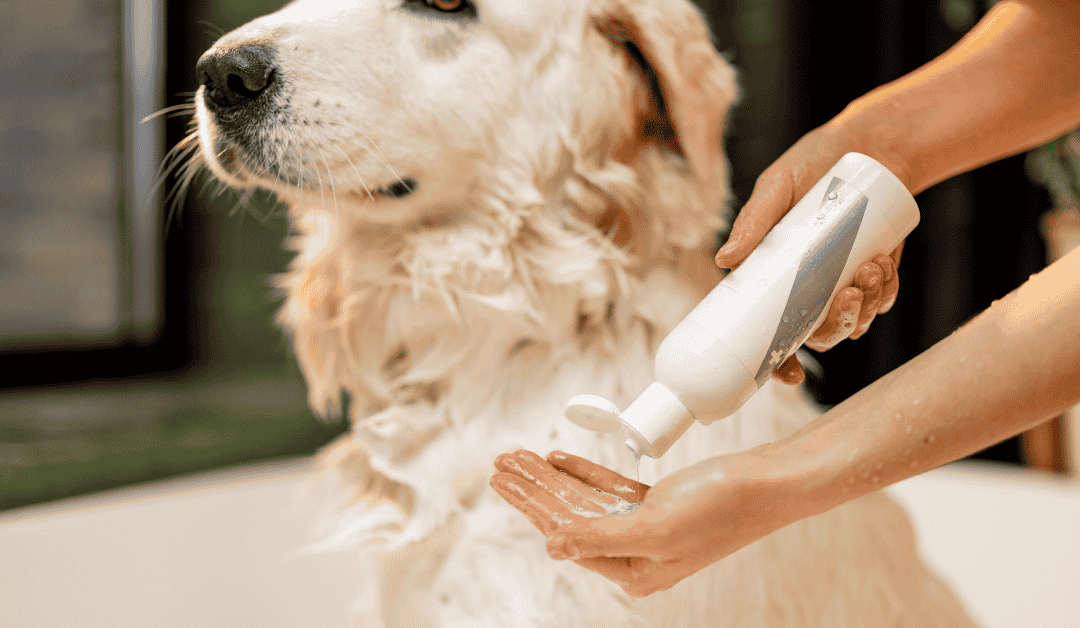
In most cases, the problem isn’t dirt — it’s the lack of conditioner. When owners ask, „why does my dog smell after a bath?“, the answer often lies in how shampoo removes not only dirt but also the skin’s natural oils, known as lanolin. Without restoring that protection, the coat becomes dry, and the body starts producing lanolin again — which can quickly lead to an unpleasant odor.
The Role of Lanolin
A dog’s skin and coat feature a natural protective layer of lanolin — a fatty substance that maintains balance and prevents dryness. Shampoo removes it during washing, and unless you replenish it with a conditioner, the body compensates by secreting even more oil.
Consequently, dogs sometimes start to smell again just a day or two after bathing.
Why Using Conditioner Matters
Conditioner helps:
-
Replenish the natural oils removed during washing
-
Hydrate the skin and coat
-
Prevent dryness and irritation
-
Keep the balance of lanolin production under control
Therefore, conditioners gradually release moisture, allowing the coat to stay soft, hydrated, and fresh for several days. Conditioner restores lanolin and keeps the skin moisturized.
Recommended Bathing Frequency
If you use shampoo and conditioner properly:
Simultaneously, avoid over-bathing, as removing lanolin too frequently can dry out the skin and coat, leading to irritation or dandruff.
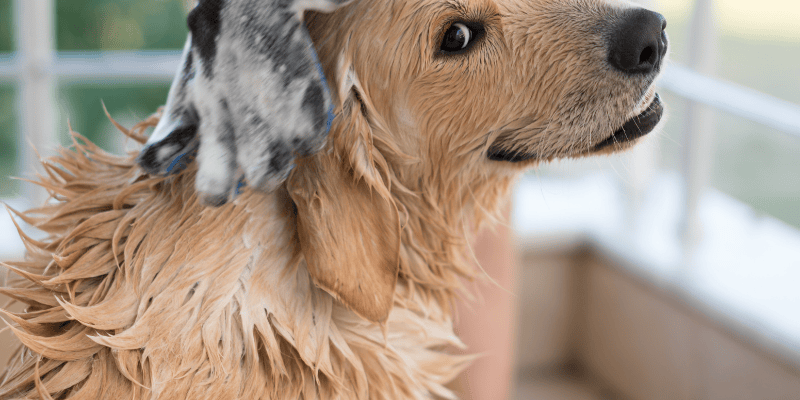
PROPER RINSING AND BALANCED COAT CARE PREVENT DRYNESS AND KEEP CANINE SKIN HEALTHY.
Tips for Lasting Freshness
-
Always rinse shampoo thoroughly before applying conditioner.
-
Use conditioner according to the product instructions.
-
Observe your dog’s skin — if it becomes dry or flaky, reduce bathing frequency.
-
Never use human products on dogs — they do not match the pH balance of canine skin and can damage the natural lanolin barrier.
Conclusion
Ultimately, proper coat care isn’t just about cleanliness — it’s about balance. When you protect the natural oils and support the skin’s hydration, your dog will stay clean, shiny, and smell fresh longer.
Thank you for reading.
To discover more about how emotional alignment, balanced lifestyle, and authentic energy restore internal balance, read our canine coat care guidelines.
See you next time.
At Sasha Riess, we look past commercial labels to honor the unique biological blueprint of your companion. True health requires addressing the subtle internal patterns that create lasting vitality and pureloveandharmony. Discover the customized path to your dog’s longevity: Linktree Sasha Riess
👉 Follow our Facebook page and never miss our latest articles, news, and updates.
by Sasha Riess | 16.09.26. | Wellbeing
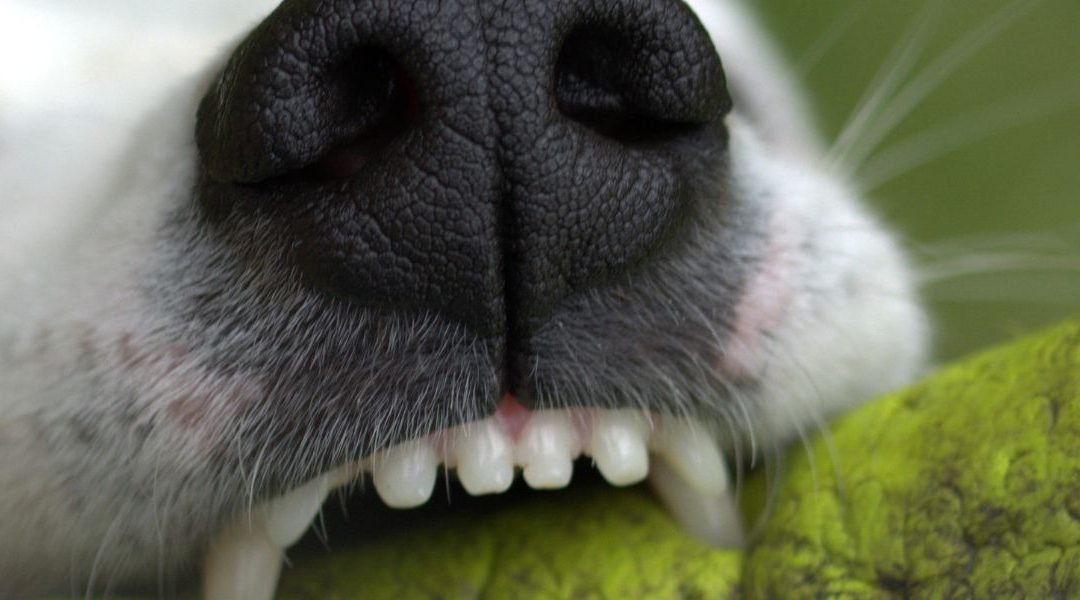
When someone mentions a dog with loose teeth, it almost always turns out the problem isn’t just dental. The question asked on the show “1000 Whys and 4 Hows” — why dogs’ teeth become loose — actually leads much deeper, to the mineral balance within the body.
I’ve spoken about this many times, and I keep returning to it, because understanding this connection is where true canine health begins.
Calcium–Phosphorus Imbalance
When excess copper depletes magnesium, the delicate balance between calcium and phosphorus becomes disturbed. Consequently, when those minerals fall out of alignment, the body begins drawing calcium from the bones.
This creates a paradox — the body has too much calcium in circulation, yet the bones and teeth become fragile. Therefore, the supporting bone tissue in the gums weakens and becomes porous, which is why many owners notice a tooth that’s suddenly loose for no apparent reason.
Copper Toxicity and Magnesium Deficiency
An overload of copper almost always indicates a magnesium deficiency, which affects how calcium binds in tissues. Simultaneously, the body stores calcium where it doesn’t belong — in soft tissues instead of bones.
This imbalance also leads to plaque buildup. When the body excretes calcium in higher amounts, it hardens the plaque into tartar. Dental tartar isn’t just cosmetic — it signals magnesium deficiency and often copper toxicity.
The Oral Microbiome and Gum Health
A dog’s mouth has its own microbiome, just like the gut. When the biodiversity of that microbiome loses its balance, previously harmless bacteria become opportunistic. Consequently, they start causing gum inflammation and the breakdown of tissue that holds the teeth in place.
The copper–zinc ratio plays a key role in immune function. When copper dominates, immunity weakens, gums become sensitive, and the oral microbiome loses its natural stability.
Stress, Hormones, and the Adrenal Glands
An imbalance between sodium and potassium indicates overactive adrenal glands — a sign of chronic stress. Dogs living under stress often show weakened immunity, which worsens dental and gum conditions.
When all four of these relationships — calcium and phosphorus, magnesium and copper, zinc and copper, sodium and potassium — suffer disturbance, the result creates a cascade of problems: loose teeth, bleeding gums, and systemic imbalance.
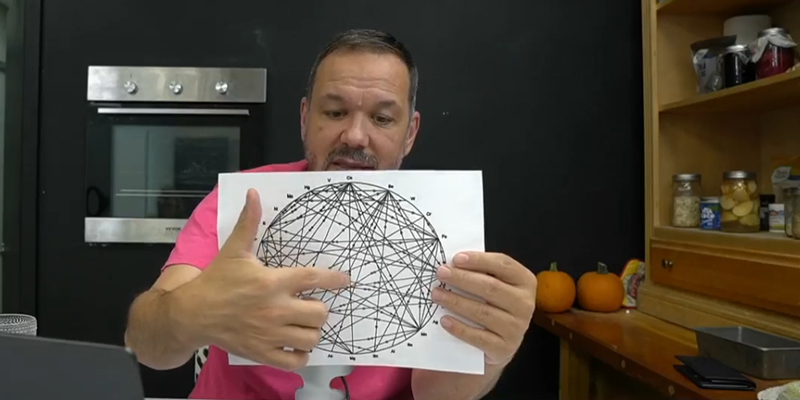
UNDERSTANDING MINERAL RELATIONSHIPS LIKE COPPER, MAGNESIUM, AND CALCIUM IS ESSENTIAL FOR CANINE HEALTH.
The First Step Toward Healing
Healing, as always, begins with understanding.
A dog’s body reflects its internal chemistry. When we see behavioral issues — pulling on the leash, barking, fear, or aggression — they often mirror physiological imbalances that have already taken root.
Ultimately, loose teeth, elevated urea, or skin problems are all different expressions of the same inner disbalance. Once we address the mineral harmony — especially copper, magnesium, and zinc — the entire organism can begin to restore itself naturally.
Thank you for reading.
To discover more about how emotional alignment, balanced lifestyle, and authentic energy restore internal balance, read our canine wellbeing guidelines.
See you next time.
At Sasha Riess, we look past commercial labels to honor the unique biological blueprint of your companion. True health requires addressing the subtle internal patterns that create lasting vitality and pureloveandharmony. Discover the customized path to your dog’s longevity: Linktree Sasha Riess
👉 Follow our Facebook page and never miss our latest articles, news, and updates.
by Sasha Riess | 15.09.26. | Emotions
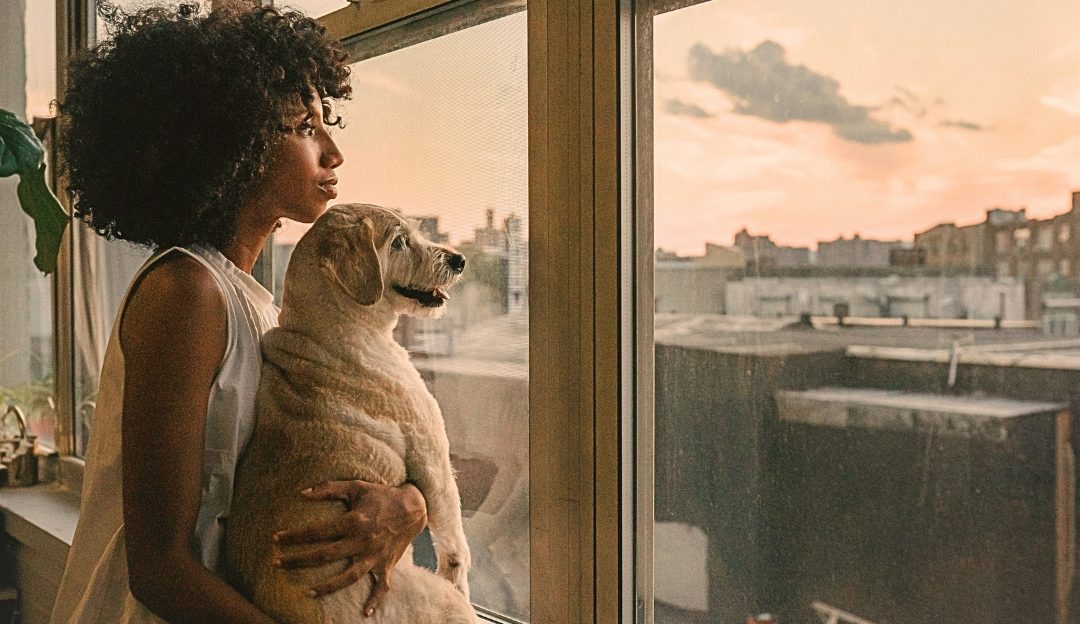
Love is an inner feeling that does not depend on someone’s physical presence in our lives. We can love a tree, a friend, or a partner because love springs from our own soul. However, when the loss of a dog occurs, the pain we feel often exceeds all our physical and emotional capacities.
Many people then wonder why is the loss of a dog so painful and why it breaks us to such an extent. The answer lies in the deep emotional bond and the role a dog unconsciously assumes within our family.
A Dog as an Emotional Conduit for Suppressed Love and Grief
Our dogs are not merely animals that live in our homes. Through our dogs, we often unconsciously connect with parents, siblings, and loved ones who are no longer with us. Consequently, when we hug or pet a dog, we express tenderness toward all those beloved beings who have already left this world.
A spontaneous kiss or the touch of a dog’s fur becomes a conduit for the love we never had the chance to fully share. Simultaneously, a dog accepts that emotion without any conditions and provides a safe haven for our inner grief.
Why Does the Loss of a Dog Reopen Old and Unhealed Wounds?
When a dog leaves this world, it is not only a beloved pet that is gone. Along with that loss, all the suppressed grief we carry deep within ourselves begins to resurface. Therefore, every loss of a dog reopens old sorrow connected to deceased family members and unspoken words.
That is why the pain is so intense, tragic, and long-lasting. We are not grieving for just one being. We are reliving all the family wounds we have carried throughout our lives. It is a profound sadness that remains in our hearts forever.

HONORING THE BOND WE SHARED ALLOWS US TO ACCEPT THE PAIN AND HEAL OUR SOUL.
Understanding and Accepting Deep Emotional Pain
It is truly important not to underestimate the pain we feel after losing a pet. Society often views the loss of a dog as an ordinary event, but for the soul, it represents a deeply emotional upheaval. We must allow ourselves to grieve that love and accept all the emotions that rise to the surface.
Ultimately, accepting that pain allows us to heal and honor that extraordinary bond. Our dogs enter our lives for a reason, leaving us with the ability to love more deeply and more purely than ever before.
Thank you for reading.
To discover more about how emotional alignment, balanced lifestyle, and authentic energy restore internal balance, read our canine emotion and behavior guidelines.
See you next time.
At Sasha Riess, we look past commercial labels to honor the unique biological blueprint of your companion. True health requires addressing the subtle internal patterns that create lasting vitality and pureloveandharmony. Discover the customized path to your dog’s longevity: Linktree Sasha Riess
👉 Follow our Facebook page and never miss our latest articles, news, and updates.