by Sasha Riess | 14.09.26. | Emotions
In nature, deep and harsh laws ensure the survival of the community. Many people view relationships among animals purely through an emotional lens. However, the natural order functions on the foundations of deep wisdom and responsibility for the whole.
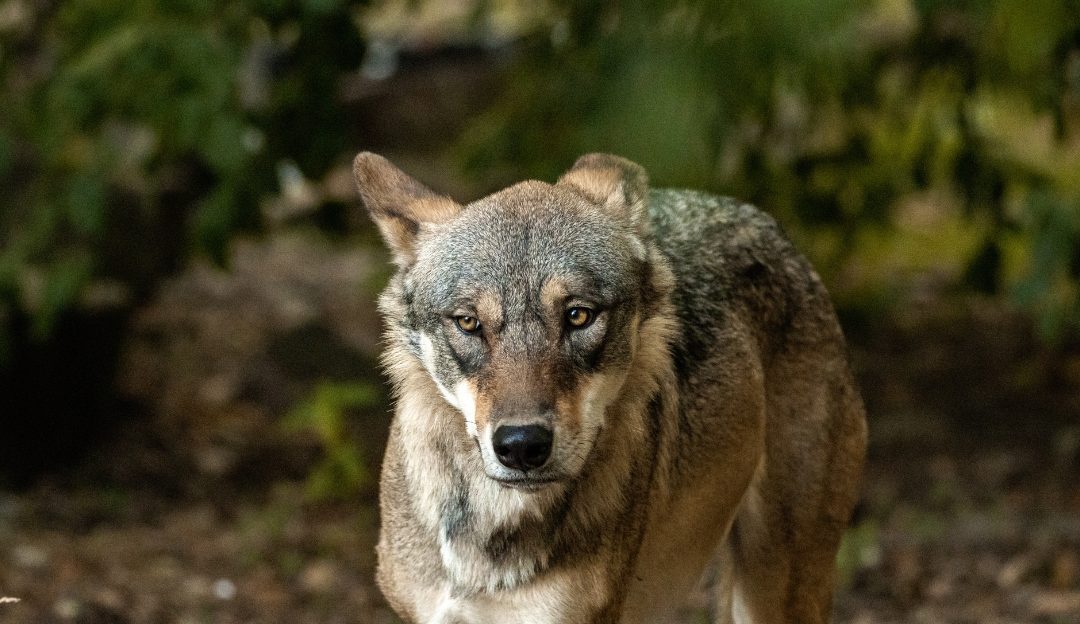
When we observe the lives of wild animals, we notice a fascinating pattern of behavior during times of crisis. Understanding why a wounded wolf does not immediately return to its den carries a powerful message about leadership, personal responsibility, and protecting one’s pack.
The Responsibility of a Leader and the Protection of the Entire System
A true leader must always look at the bigger picture and protect the stability of the group. If a leader allows weaknesses and destructive influences to disrupt the system, the entire pack faces great danger. In the wild, a wounded individual carries the scent of blood and displays clear signs of weakness.
Consequently, if such a wounded wolf returns to the den, rival packs immediately sense its vulnerability. Therefore, this situation attracts enemies and leads to an attack in which the entire community suffers.
Withdrawing Into Solitude as an Act of Love for the Pack
Just as elephants in old age or illness move far away from their herd, wolves also withdraw into isolation. This withdrawal is not a sign of rejection or surrender. Rather, it represents a deeply instinctive act through which an individual protects its family from additional burden and risk.
By withdrawing into solitude, the wounded individual takes full responsibility for its own healing. Simultaneously, it conserves the resources of its community and gives itself peace without exposing others to danger.

TRUE LEADERSHIP AND EMOTIONAL MATURITY PROTECT THE STABILITY AND SAFETY OF THE ENTIRE COMMUNITY.
Returning to the Community After Full Recovery
Healing requires time, silence, and dedication to one’s own recovery. When the wounded wolf manages to survive, heal its wounds, and regain its strength, the path back opens again. It then returns to the pack with renewed strength and receives a warm welcome.
Ultimately, this natural metaphor teaches us an extremely important life lesson. Before we seek refuge in the community, we must heal our own inner wounds so that we do not endanger the people we love.
Thank you for reading.
To discover more about how emotional alignment, balanced lifestyle, and authentic energy restore internal balance, read our canine emotion and behavior guidelines.
See you next time.
At Sasha Riess, we look past commercial labels to honor the unique biological blueprint of your companion. True health requires addressing the subtle internal patterns that create lasting vitality and pureloveandharmony. Discover the customized path to your dog’s longevity:Linktree Sasha Riess
👉 Follow our Facebook page and never miss our latest articles, news, and updates.
by Sasha Riess | 13.09.26. | Nutrition
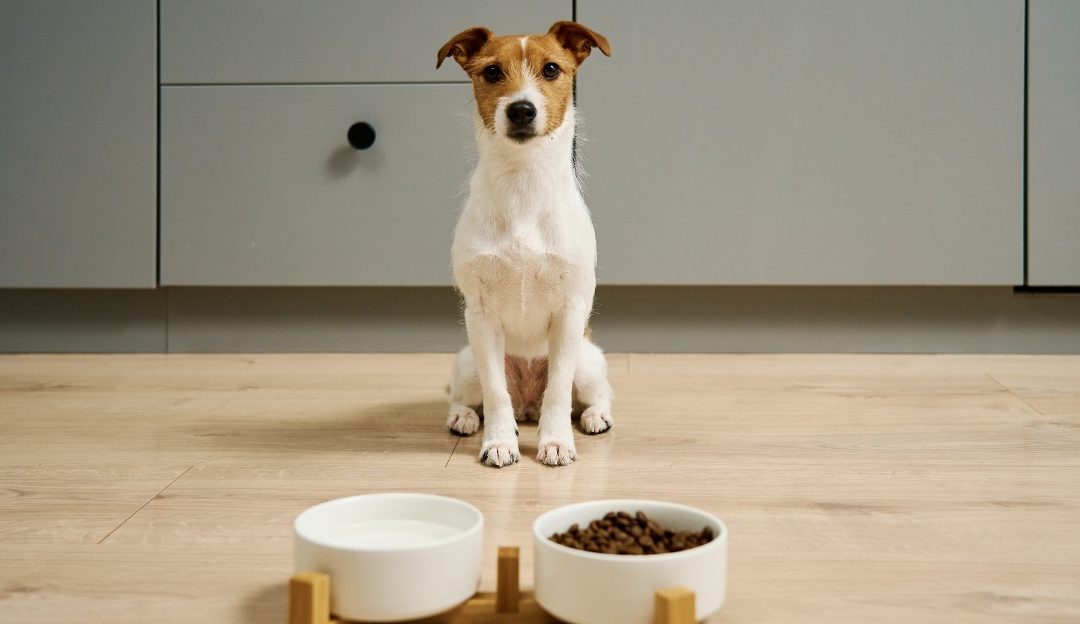
When owners notice that their dog suddenly refuses a meal, panic often follows. Many immediately wonder why won’t my dog eat despite appearing happy, healthy, energetic, and completely normal.
In many cases, however, the answer may be much simpler than people expect. Eating habits are often influenced not only by food itself, but also by routines, expectations, and the relationship that develops around feeding time. Consequently, establishing consistent feeding rituals and clear daily structure can be an important part of creating balance and harmony.
The Problem May Not Be the Food
When a dog turns away from a full bowl, it does not automatically mean there is something wrong with the food. Sometimes the situation reflects a deeper pattern within the relationship and the routines that surround mealtime.
Dogs quickly learn how their actions influence human behavior. If feeding becomes a constant negotiation, some dogs begin experimenting with what works and what gains attention. Therefore, meals are often most successful when owners offer them within a framework of consistency, calmness, and clear expectations.
Natural Appetite Usually Returns
When healthy dogs receive food through a stable and predictable routine, appetite often returns naturally. The instinct to eat is powerful.
Simultaneously, once uncertainty and negotiation disappear, the dog quickly returns to normal eating behavior. Of course, any prolonged loss of appetite, sudden weight loss, vomiting, diarrhea, lethargy, or signs of illness should always be discussed with a veterinarian to rule out medical causes.
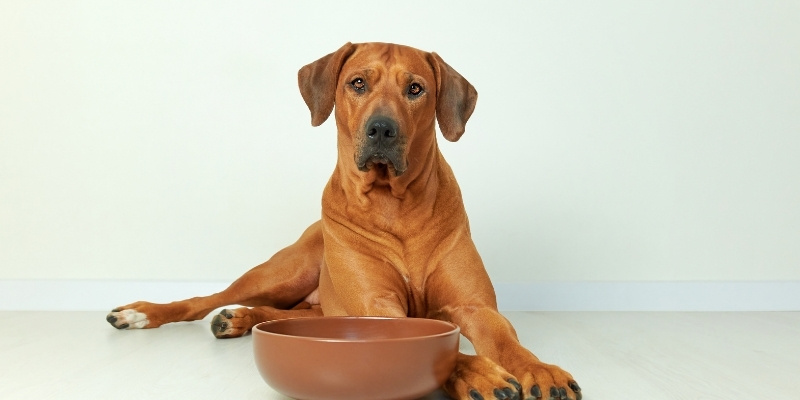
CREATING CONSISTENT DAILY RITUALS AND CLEAR EXPECTATIONS RESTORES NATURAL APPETITE AND INNER CALM.
Daily Rituals Create Stability
Feeding is only one piece of the puzzle. Dogs thrive when daily life follows predictable patterns that include feeding, walking, rest, play, and calm transitions between activities.
Ultimately, when these rituals become part of everyday life, many behavioral challenges begin to resolve themselves naturally. Understanding why a dog refuses food is often less about the bowl itself and more about understanding the relationship, structure, and communication that surround it.
Thank you for reading.
To discover more about how emotional alignment, balanced lifestyle, and authentic energy restore internal balance, read our canine nutrition guidelines.
See you next time.
At Sasha Riess, we look past commercial labels to honor the unique biological blueprint of your companion. True health requires addressing the subtle internal patterns that create lasting vitality and pureloveandharmony. Discover the customized path to your dog’s longevity:Linktree Sasha Riess
👉 Follow our Facebook page and never miss our latest articles, news, and updates.

by Sasha Riess | 11.09.26. | Behaviour
Babies, young children, and dogs share an exceptionally pure and innocent energy. When a newborn enters the home, many parents become concerned about safety and wonder why would a dog hurt a baby or react negatively. However, people must understand that a dog never consciously intends to harm a child.
Humans alone damage the relationship between a child and a dog, specifically parents who fail to take full responsibility. If we want complete safety at home, we must understand how the relationship between a dog and a baby functions through the emotional maturity of adults.
How Does a Dog Read a Mother’s Stress and Emotions During the First Months?
The period following the arrival of a baby brings enormous changes, sleepless nights, and physical exhaustion. Mothers often go through difficult emotional phases while the baby is teething and while the family adjusts to a new routine. Dogs naturally feel extremely sensitive to every change in our mood and emotional state.
If a mother experiences chronic stress and exhaustion, the dog recognizes it immediately. Consequently, the dog reaches a wrong conclusion in its mind, perceiving the baby as the source of danger and stress for its owner. As a result, it may try to protect the mother from the child itself.
Establishing Clear Boundaries as the Key to Safety
To prevent uncomfortable and potentially dangerous situations, we must stop behaving irresponsibly. Parents must demonstrate complete emotional maturity and establish firm boundaries within the home. A dog must know exactly how close it can get to the baby and how it should behave in the baby’s presence.
Simultaneously, as the child grows, we must teach the child to respect the dog’s personal space and resting area. Clear rules and consistency provide the dog with a sense of security. Therefore, it no longer feels the need to evaluate situations independently or to protect its owner.

CLEAR BOUNDARIES ALLOW THE DOG TO FEEL SECURE WITHOUT FEELING THE NEED TO PROTECT OR OVERREACT.
The Emotional Maturity of Parents as the Foundation of Harmony in the Home
This stage of life requires maximum focus, inner strength, and good organization from parents. When parents take full responsibility and provide a stable environment, the relationship between a dog and a baby becomes both beautiful and safe.
Ultimately, a dog that lives with clear boundaries and a stable leader will not feel the need to display protective behavior. In this way, we create an environment in which our children can grow up alongside dogs in complete harmony, love, and safety.
Thank you for reading.
Sasha Riess for dog groomers ready to understand what others overlook beneath behavior, stress, and the canine coat
To discover more about how emotional alignment, balanced lifestyle, and authentic energy restore internal balance, read our canine communication and behavior guidelines.
See you next time.
At Sasha Riess, we look past commercial labels to honor the unique biological blueprint of your companion. True health requires addressing the subtle internal patterns that create lasting vitality and pureloveandharmony. Discover the customized path to your dog’s longevity:Linktree Sasha Riess
Conditioner Excellence: Puppies & Sensitive Skin, Gentle All-Natural Deep Hydrating Formula with Jojoba Oil & Lavender

by Sasha Riess | 10.09.26. | Nutrition
One of nature’s oldest principles remains just as true today as it has always been: you are what you eat. The same applies to our dogs. The quality of the food they consume each day has a profound influence on their health, energy, and overall well-being.
When a diet consists primarily of highly processed, dehydrated dog food, it may provide basic nutrients, but it lacks many characteristics of fresh, minimally processed ingredients. Consequently, relying exclusively on these foods over time affects digestive health and the diversity of the gut microbiome.
How Highly Processed Diets Can Affect the Gut Microbiome
Commercial dry foods are formulated to provide complete nutrition, but manufacturers process them extensively. During digestion, the body breaks down these products differently from fresh ingredients that contain natural moisture and a broader range of bioactive compounds.
The gut microbiome thrives on dietary variety and appropriate nutrients that help support beneficial bacteria. Therefore, when feeds like dehydrated dog food compromise digestive health, the diversity of the microbiome gradually declines. This reduces one of the body’s most important foundations for immune function and overall health.
A Strong Body Begins with a Healthy Gut
A resilient immune system depends on far more than calories alone. It relies on healthy digestion, balanced nutrition, adequate rest, and the body’s ability to adapt to everyday challenges.
Simultaneously, when the gut microbiome stays healthy and diverse, it plays an essential role in digestion, nutrient absorption, and immune regulation. Supporting this internal ecosystem helps prepare the body to respond more effectively to the demands of everyday life.
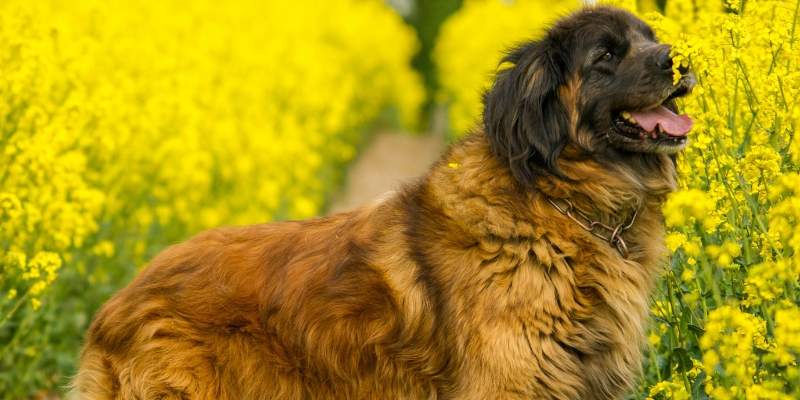
BRINGING FRESH, NUTRIENT-DENSE FOOD TO YOUR DOG’S BOWL RESTORES VITALITY AND INNER BALANCE.
Bring Life Back to Your Dog’s Bowl
Long-term health begins with thoughtful nutrition. Whenever appropriate, fresh, minimally processed ingredients, gently cooked meals, nourishing bone broth, and foods that naturally support digestive health can become valuable additions to replace strict reliance on dehydrated dog food.
Ultimately, every meal is an opportunity to nourish not only your dog’s body, but also the invisible ecosystem within it. By supporting the gut microbiome, you help build the foundation for lifelong vitality, resilience, and well-being.
Thank you for reading.
To discover more about how emotional alignment, balanced lifestyle, and authentic energy restore internal balance, read our canine nutrition guidelines.
See you next time.
At Sasha Riess, we look past commercial labels to honor the unique biological blueprint of your companion. True health requires addressing the subtle internal patterns that create lasting vitality and pureloveandharmony. Discover the customized path to your dog’s longevity: Linktree Sasha Riess
👉 Follow our Facebook page and never miss our latest articles, news, and updates.
by Sasha Riess | 09.09.26. | Behaviour
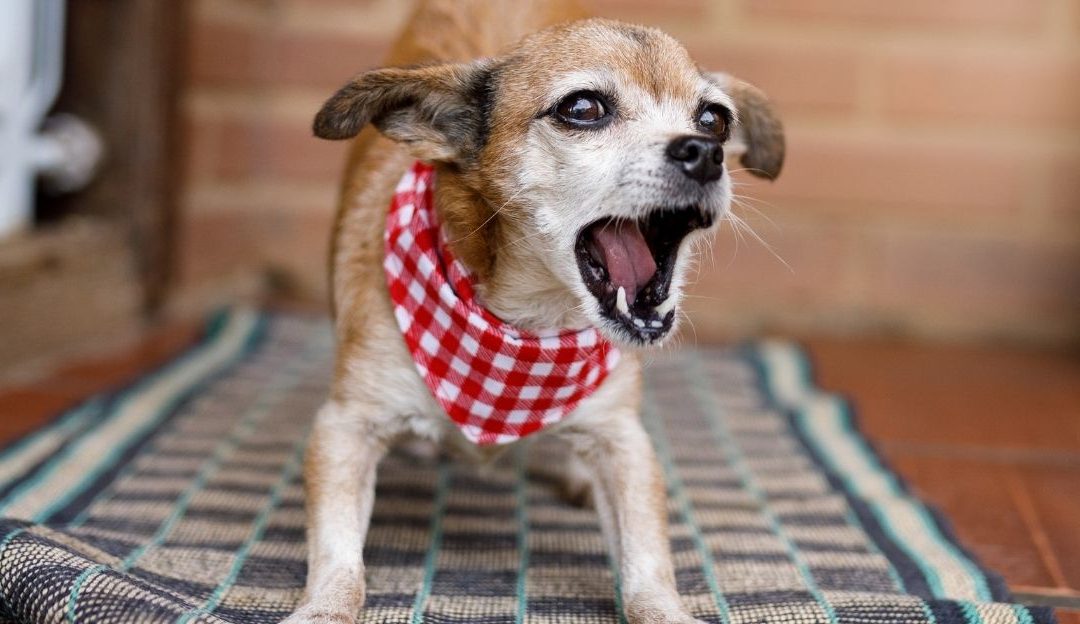
Someone’s dog barks constantly, while another whines or cries without pause. In these moments, most owners search for a quick fix or a trainer who will “repair” the dog. However, the truth is much deeper. These symptoms show clear signs of insecure emotional attachment.
Your dog is not confident in your ability to hold the system when it truly matters. Consequently, this is where your work on yourself begins. If you want to change your dog’s reaction, you must change the source, and that source is you. All the techniques and steps you need to become a stable anchor for your system can be found in my Dog Owner’s Handbook.
The Dog as a Shield From Facing Yourself
People often do not search for a solution to their dog’s behavior, but for a way to avoid confronting themselves. A dog that “doesn’t listen” becomes the perfect comfort zone. As long as you focus on the barking, you do not have to face your marriage, your dissatisfaction at work, or your own fears.
The problem with the dog becomes a project that keeps you busy while nothing truly changes. Therefore, many owners unconsciously maintain the problem because it keeps their attention away from the emptiness in other areas of life.
Change With Your Dog Threatens to Change Everything
When you decide to become a stable leader, you do not change only your relationship with your dog. Authentic change cannot survive if it exists only in the park. Once you become decisive and steady with your dog, that same impulse will push you to set boundaries:
Simultaneously, that is why such strong inner resistance appears. The fear that your dog might stop barking is often the fear of the moment when you will finally stay left in silence with your life decisions.
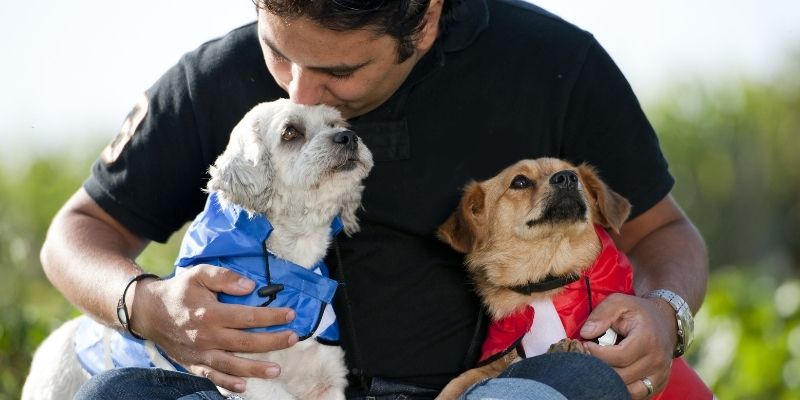
DISCIPLINE AND LEADERSHIP BEGIN WITH YOURSELF TO PROVIDE YOUR DOGS WITH COMPLETE EMOTIONAL SAFETY.
Real Change Begins With Silence
Real change does not begin when the dog becomes quiet, but when the owner decides to listen. You must listen to what stays hidden behind the noise. Are you ready to resolve your dog’s behavior if it means gaining the strength to leave everything in life that makes you unhappy?
Ultimately, discipline is not practiced on the dog, but on yourself. Only when you become the handler of your own life will your dog stop feeling the need to sound the alarm on your inner insecurity.
Thank you for reading.
To discover more about how emotional alignment, balanced lifestyle, and authentic energy restore internal balance, read our canine communication and behavior guidelines.
See you next time.
At Sasha Riess, we look past commercial labels to honor the unique biological blueprint of your companion. True health requires addressing the subtle internal patterns that create lasting vitality and pureloveandharmony. Discover the customized path to your dog’s longevity: Linktree Sasha Riess
👉 Follow our Facebook page and never miss our latest articles, news, and updates.