Dental Hygiene in Dogs: Why a Bone Is Better Than Any Toothbrush

Dental Hygiene in Dogs: Why a Bone Is Better Than Any Toothbrush

Most owners believe that problems with a dog’s teeth and gums can only be solved through brushing and expensive products. The truth, however, is far more natural. Dog care and jaw health rest on three pillars: mechanical cleaning, saliva chemistry, and stress control. If your dog does not chew, its teeth cannot be healthy, no matter how much you scrub them with artificial toothpaste.

A Bone as the Perfect Tool and “Toothbrush”

Every dog has an instinctive need to chew. Giving large, raw bones, such as shoulder bones, twice a week is one of the best ways for a dog to maintain its own dental hygiene. Chewing a firm bone mechanically removes buildup, but more importantly, it stimulates saliva production.

The Power of Saliva and pH Balance

Saliva is the most powerful natural protection. It contains enzymes essential for digestion and, most importantly, regulates the pH of the oral cavity. When a dog chews intensively, it produces rich saliva that washes away bacteria and prevents buildup.

Instead of commercial products filled with chemicals, the best “toothpaste” you can offer is coconut oil. It has natural antibacterial properties and dogs love it. Chewing bones twice a week is one of the best forms of prevention against tartar.

Is Hip Dysplasia Possible at 8 Months of Age?
Why We Choose a Dog and Postpone Having a Child
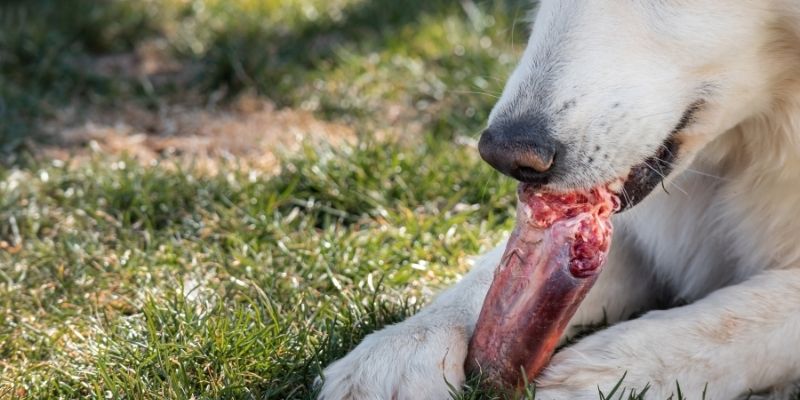
 

A dog that intensively chews on a large raw bone, naturally cleaning the teeth and gums.

Chewing bones twice a week is the best stone prevention.

Tartar as a Sign of Stress

It is important to understand that plaque and tartar are not solved only through mechanics. Tartar is often an indicator of stress a dog is experiencing. In that sense, a bone is also a release valve, allowing the dog to discharge internal tension.

However, true care sometimes requires more than just offering a bone. In certain cases, applying coconut oil directly to the gums can provide additional support, especially in dogs under chronic stress that alters the composition of their saliva.

At Sasha Riess, we respect the canine anatomy by providing natural solutions for dog care and jaw health. Returning to instinctive chewing promotes oral hygiene and emotional pureloveandharmony. Restore their natural balance:Linktree Sasha Riess

Book - The Dog Groomer's Dilemma

The Dog Groomer’s Dilemma: Journey Trough Burnout, Belonging and Becoming
Sasha Riess Pure Love & Harmony Duo Pack The Complete Dog Coat Care System
Pay Attention When Giving Your Dog Raw Bones

Pay Attention When Giving Your Dog Raw Bones

Raw bones can be extremely beneficial for dogs because they strengthen teeth, provide minerals, and satisfy the natural need for chewing. However, there is one important detail many owners overlook: raw bones that sit for too long become dangerous. In a healthy human dog relationship, understanding these subtle biological shifts is what keeps our companions safe.

Why Old Raw Bones Become Risky

If a bone remains for several days in the bowl, the yard, or even in the freezer, a sticky film begins to form on its surface. This is a sign of decomposing connective tissue and fat. At that moment, the dog no longer chews the bone slowly but may swallow it whole. This is when the greatest risk occurs.

The danger includes:

  • Choking or the bone getting stuck in the throat.

  • Potential injury to the esophagus.

  • Risk of sharp fragments becoming lodged in the intestines.

Therefore, an old raw bone is no longer safe for the human dog relationship to endure.

Which Bone Is the Safest?

The best choice will always be a completely fresh raw bone that is chilled or frozen, but not one that has been stored for weeks. When fresh, the dog can chew it normally, grind it slowly, and digest it without significant risk. Fresh bones provide high amounts of natural minerals that simply cannot be obtained from industrial dog food.


How Much Sleep Dogs Need — and What It Reveals About Their Health
How to Build Trust With a Dog in Difficult Situations


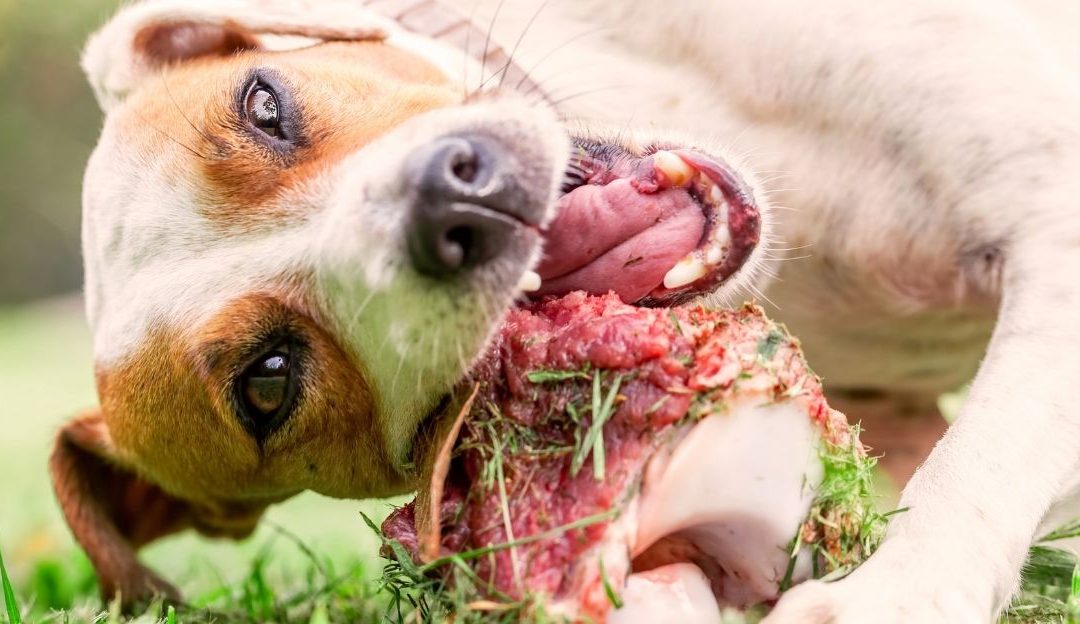
An old decomposing raw bone that has become dangerous for dogs to chew

Old bones decompose and can cause choking or severe internal injuries.


What About Cooked Bones?

This is a rule every dog owner must know: Never give a dog cooked bones.

Cooked bones break into sharp, brittle fragments that can tear the intestines, cause severe constipation, and lead to internal damage and painful blockages. If you cook bones to make broth, gelatin, or nutritional additions to meals, that is an excellent choice—but only the liquid nutrients should be shared. The cooked bone itself should never be fed to a dog.

Raw bones are an excellent and completely natural source of minerals, but only when they are given fresh and in the proper form. In the human dog relationship, providing the right tools for health is an act of love.


At Integrative and Holistic Grooming Education, we believe that precision in nutrition is a reflection of our care. When we measure with love, we feed the soul. Explore our philosophy: Linktree Sasha Riess

Sasha Riess Harmony Conditioner for Dogs