by Sasha Riess | 03.05.26. | Nutrition
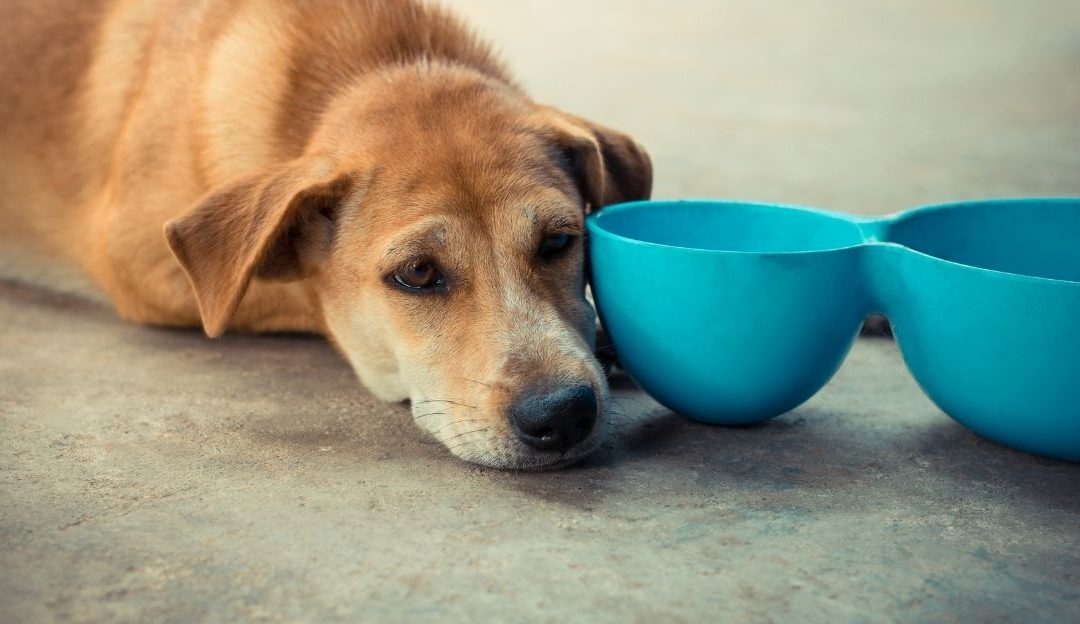
Many owners, with the best intentions, feed their dog at the same time every day. What looks like routine, however, can create a strong conditioned reflex that turns into a physical problem. To understand why dogs should not eat at the same time, we must look at how their digestive system reacts to the clock.
How Digestive Problems Are Created
If you feed your dog every day at 5 p.m., their body starts preparing at 4:30 p.m. Stomach acid begins to secrete, and the digestive system switches on. If the food doesn’t arrive because you are delayed, that acid remains without anything to digest. This often leads to:
At that point, a habit becomes a stressful physical reaction.
The Goal: A Dog That Doesn’t Live by the Clock
The goal is for the dog to know food will come, but not exactly when. In nature, dogs do not eat by the clock. A dog that is not tied to a fixed schedule:
-
Does not experience stress while waiting
-
Does not produce excessive stomach acid
-
Adapts easily to changes in your daily life
This is the primary reason why dogs should not eat at the same time—it builds resilience instead of dependency.
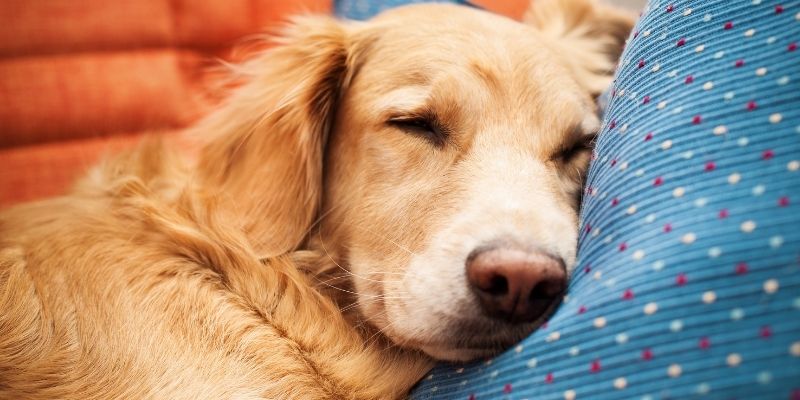
A dog that does not know the exact feeding time is more stable.
How to Change the Habit
The solution requires consistency. Vary the feeding times so the dog can’t predict them:
-
Feed before work one day, and after returning the next.
-
Change the person who feeds the dog.
-
Skip a meal occasionally or feed much later than usual.
Organize Life, Not the Clock
A dog should adapt to family life, not the other way around. When this balance is achieved, the dog is calmer and the digestive system is more stable. Routine is good, but fixed feeding times are not.
At Sasha Riess, we believe in harmony with nature, not the clock. Understanding why dogs should not eat at the same time allows your pet to live without the stress of expectation, leading them to a more grounded and peaceful state of pureloveandharmony. Discover more: Linktree Sasha Riess
by Sasha Riess | 01.05.26. | Behaviour
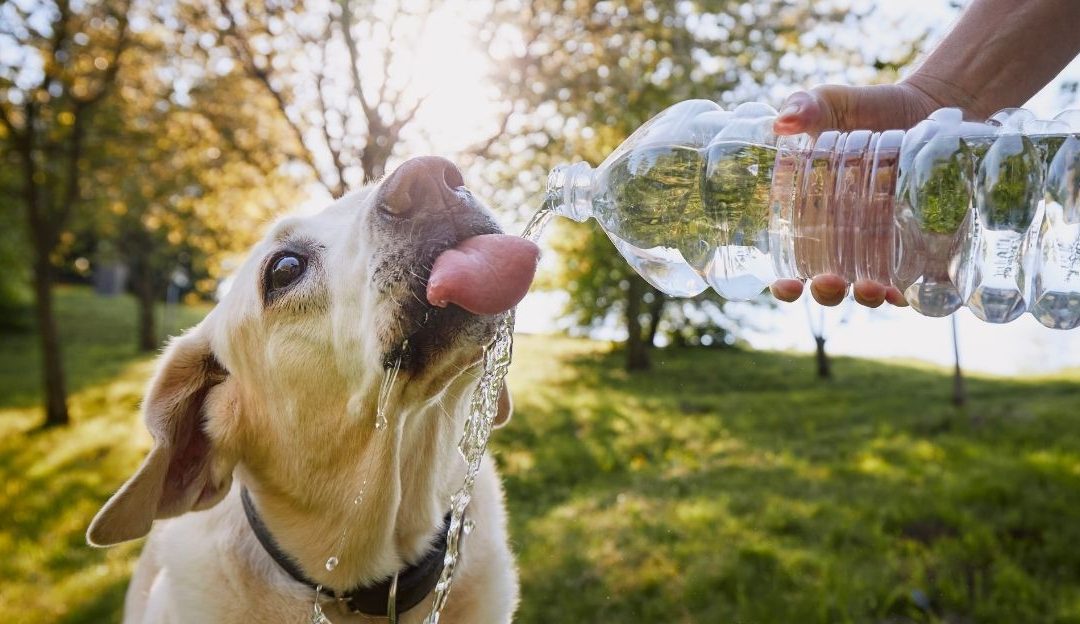
During the show “1000 Whys and 4 Hows,” a viewer asked why her dog seems dehydrated even though he always has fresh water available. This is a common concern. Here is the truth about why dogs that eat dry food are often dehydrated—and why water alone isn’t enough.
Water Alone Isn’t Enough
Many dogs that eat exclusively dry food are chronically dehydrated because they cannot drink enough water to properly digest that type of food. When a dog drinks only after feeling thirsty, it is already too late—thirst is a sign that dehydration has begun.
For the body to stay truly hydrated, electrolytes are essential. These are minerals that help water actually reach and enter the cells. Without them, water simply “passes through” the body without being absorbed.
How Dry Food Causes Dehydration
When a dog eats a dry meal, the body must pull water from its own cells and tissues to help with digestion. This leaves the internal environment „dry.“ Over time, this chronic state leads to serious consequences, such as:
These are typical signs of chronic dehydration in dogs that are fed a strictly dry diet.
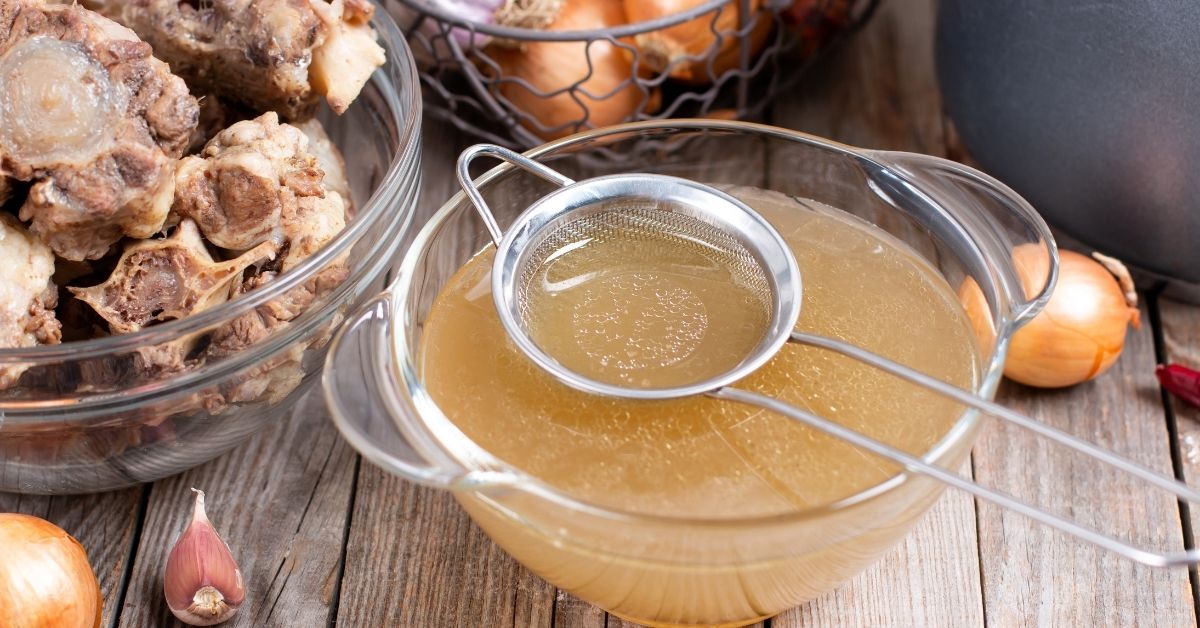
Bone broth for your pet’s health: a natural source of minerals and electrolytes.
How to Prevent Dehydration Naturally
The best way to keep your dog hydrated is to move away from a „dry-only“ approach:
-
Home-Cooked Meals: These naturally contain the moisture and nutrients the body needs.
-
Add Bone Broth: This is a miracle addition. Bone broth provides natural electrolytes and minerals that help the cells retain fluid.
-
Hydrated Digestion: A well-hydrated dog has better kidney function and overall health.
At Sasha Riess, we believe that hydration is the flow of life. When you understand why dogs that eat dry food are often dehydrated, you can take the necessary steps to restore their internal balance. By adding moisture and minerals, you move your pet from survival mode to a state of pureloveandharmony. Discover more: Linktree Sasha Riess
by Sasha Riess | 01.05.26. | Behaviour
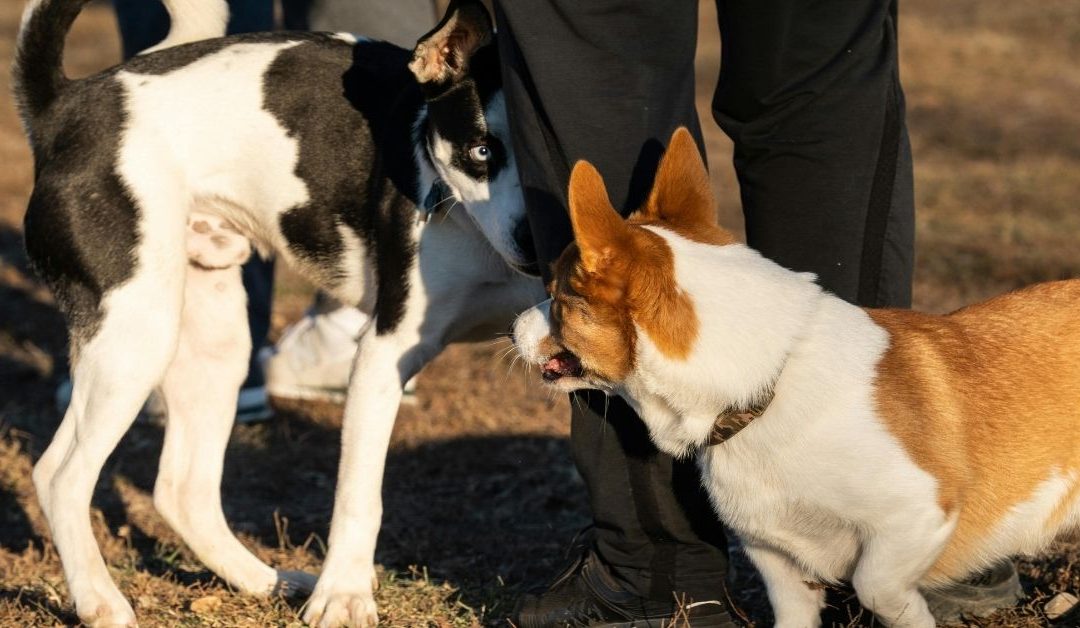
Many owners wonder why dogs lick everything and attack, jump on people, or show aggression toward other dogs. The answer often lies in the absence of a stable, trusting bond. When a dog lacks emotional security, it feels responsible for defending both itself and its human. That burden leads to overreactions, stress, and behavioral issues.
Licking and Aggression as Communication
When a dog constantly licks, jumps, or clings, it’s not just a habit—it’s communication. It can be a way of seeking reassurance or relief from anxiety. If this is paired with aggression, the root is usually insecurity. The dog believes it must take control because it doesn’t trust that the human is calm and in charge.
The Three Fear Responses: Flight, Freeze, Fight
Just like humans, dogs respond to fear in three main ways:
-
Flight: Trying to escape.
-
Freeze: Becoming stiff and motionless.
-
Fight: Aggression as a last resort. Growling or barking are not signs of dominance—they are expressions of fear and confusion.
How to Correct Behavioral Problems
A dog’s reactions depend on the quality of the bond. To address why dogs lick everything and attack, you must build a secure emotional attachment based on trust:
-
Consistency: The owner must be calm and predictable.
-
Rituals: Regular hours for feeding and walking create security.
-
Gradual Socialization: Introduce new environments in a controlled, low-stress way.
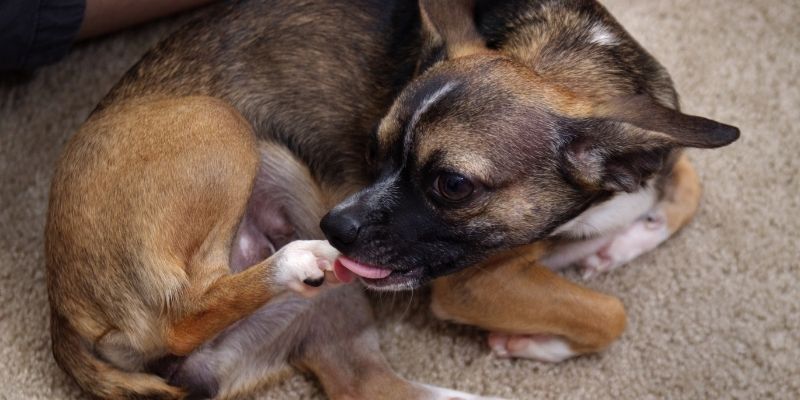
Paw licking is often a sign of insecurity and anxiety in dogs.
Trust: The Foundation of Balance
Excessive licking or barking are signals that the dog is seeking safety. When you become the calm center your dog can rely on, they no longer need aggression to feel safe. They become peaceful, not because they are trained to obey, but because they finally feel safe to simply be.
At Sasha Riess, we know that behavior is a mirror of the soul. When you understand why dogs lick everything and attack, you can stop managing symptoms and start building the trust that leads to pureloveandharmony. Discover more: Linktree Sasha Riess
by Sasha Riess | 30.04.26. | Nutrition
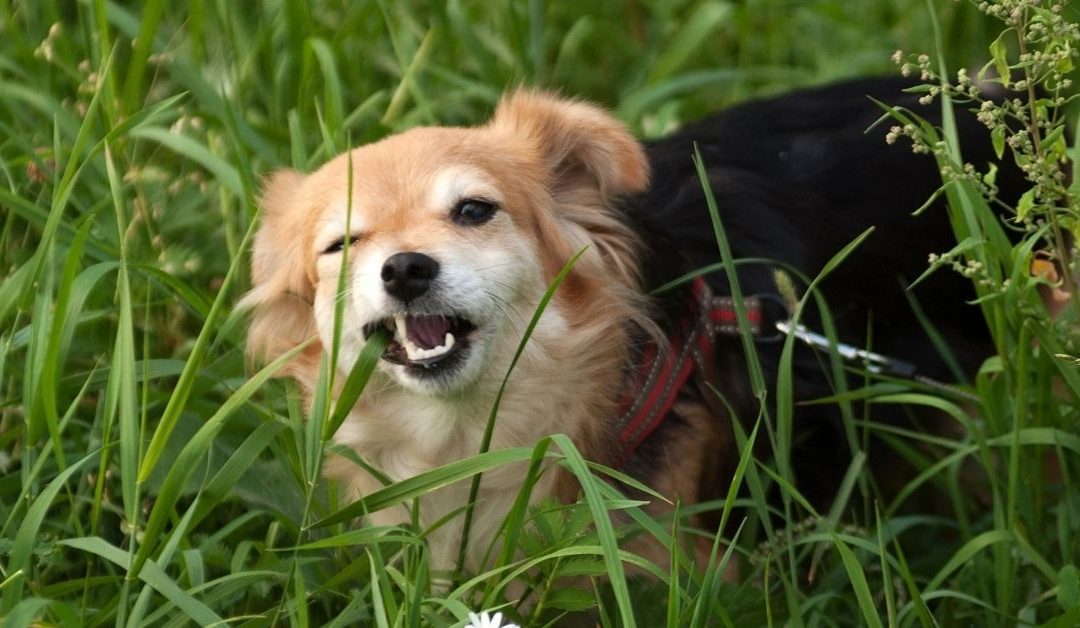
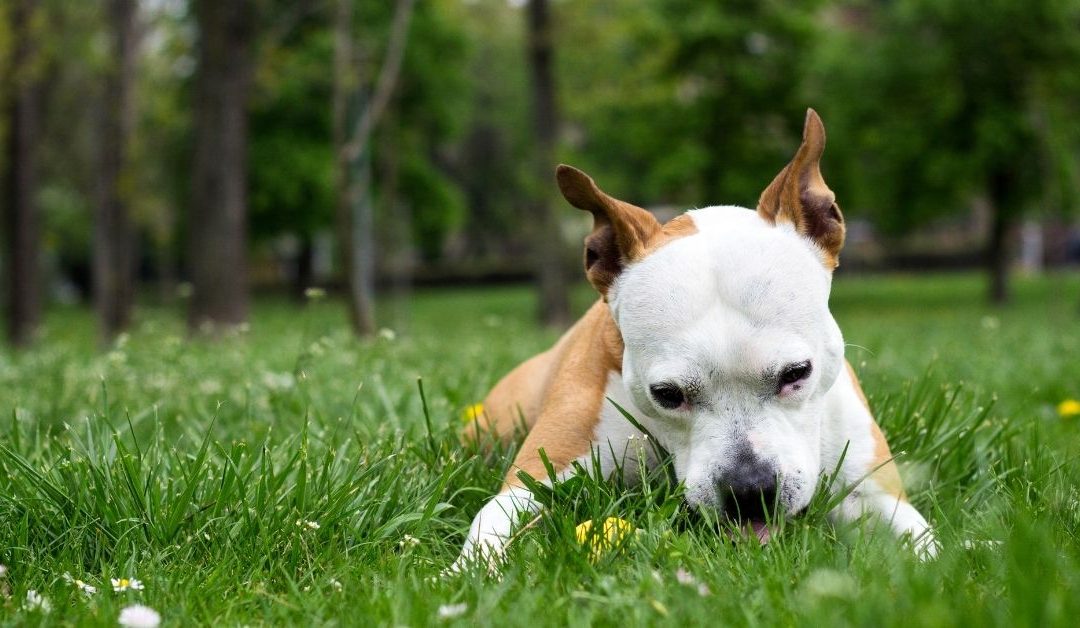
Many dog owners often wonder why dogs eat grass. While it might seem harmless or even odd, this behavior often hides subtle signals your dog is sending about their digestion or overall health. Understanding those signals is the first step in providing support and relief.
Is It Normal for Dogs to Eat Grass?
Occasional grass-eating is common and usually nothing to worry about. Most often, the reason lies in the digestive system; dogs instinctively eat grass to soothe stomach discomfort or speed up digestion. Sometimes it triggers vomiting, a natural detox process that helps the stomach release excess acid or undigested food.
A dog’s stomach produces incredibly strong acid, powerful enough to digest even raw bones. However, when the system is out of balance, grass becomes their natural medicine.
Warning Signs to Watch For
If you are asking why dogs eat grass more frequently than usual, look for these accompanying signs:
Zeolite: Natural Support for Detox
Zeolite is a natural mineral that helps detoxify the body and restore intestinal balance. For dogs, it can significantly reduce issues such as acid reflux and poor digestion.
How to Prepare Zeolite Water:
-
Add one tablespoon of zeolite powder to a glass of water.
-
Let it sit overnight.
-
In the morning, use only the clear water and discard the sediment.
-
Add one tablespoon of this water daily to your dog’s food or drinking water for about a month.
Chronic Gastritis in Dogs – When the Problem Is Not Only in the Stomach
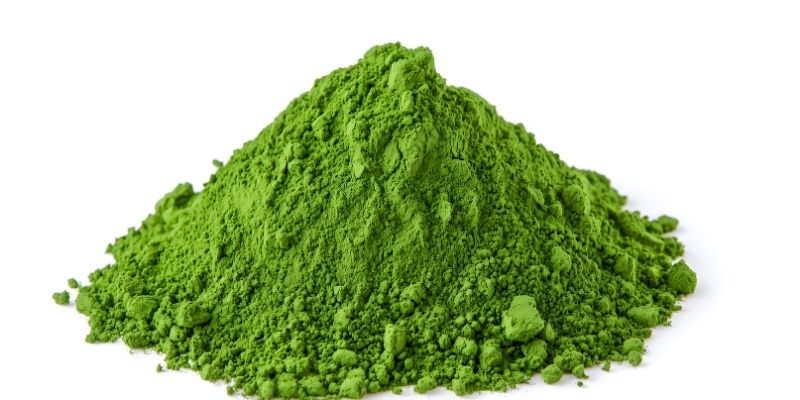
Zeolite is a natural aid for dogs with stomach issues and digestive discomfort.
Conclusion – Understanding the Signal
A dog that occasionally eats grass is often just following instinct. However, frequent grass-eating is a clear sign that the digestive system needs help. Natural support can cleanse the body and strengthen the stomach. By observing your dog carefully, you can act early to maintain their health and vitality.
At Sasha Riess, we believe that nature provides the best solutions. When you understand why dogs eat grass, you can stop worrying and start supporting your pet’s natural detox process, bringing them back to a state of pureloveandharmony. Discover more:Linktree Sasha Riess
by Sasha Riess | 30.04.26. | Behaviour
Many dog owners become confused and worried when they notice their dog eating feces from other animals or even other dogs. This behavior, known as coprophagia, may seem strange, but it actually has deeper roots. To understand why do dogs eat feces, we must look at their evolutionary history, their gut health, and their relationship with us.
Instinctive Habits and Maternal Care
In nature, mother dogs have a biological instinct to keep the nest clean. They may consume the feces of their puppies to maintain hygiene and hide their scent from predators. While this behavior naturally fades as puppies grow, the instinctual blueprint remains.
Nutritional Deficiencies and the Role of Probiotics
One of the primary reasons why do dogs eat feces is a search for missing nutrients.
-
Dietary Gaps: A diet too high in carbohydrates or low-quality proteins can leave a dog seeking digestive enzymes or bacteria elsewhere.
-
The Probiotic Solution: Adding probiotics, fermented vegetables, or natural supplements can balance the gut flora and significantly reduce the urge to seek out waste.
-
Natural Minerals: Offering a raw or dried bone once a week provides essential minerals and supports dental health, fulfilling a natural craving for raw nutrients.
Boredom and the Attention Trap
Sometimes, the answer to why do dogs eat feces is simply a cry for attention. If a dog is bored and notices that eating feces triggers a loud, high-energy reaction from the owner, they may repeat it just to get your focus.
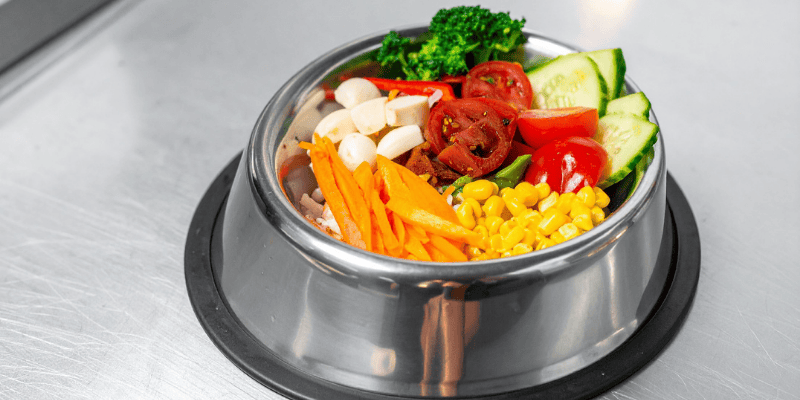
Nutrition plays a key role in dog behavior and habits.
How to Address the Behavior
-
Improve Food Quality: Reduce fillers and increase bioavailable nutrients.
-
Calm Communication: If you catch them in the act, respond calmly. Do not shout; simply redirect and lead them away.
-
Mental Stimulation: Ensure your dog has enough play and training to prevent boredom-based habits.
At Sasha Riess, we view every „bad“ habit as a message. When you understand why do dogs eat feces, you stop reacting with disgust and start responding with care, providing the enzymes and leadership your dog needs for pureloveandharmony. Discover more:Linktree Sasha Riess