by Sasha Riess | 27.04.26. | Behaviour
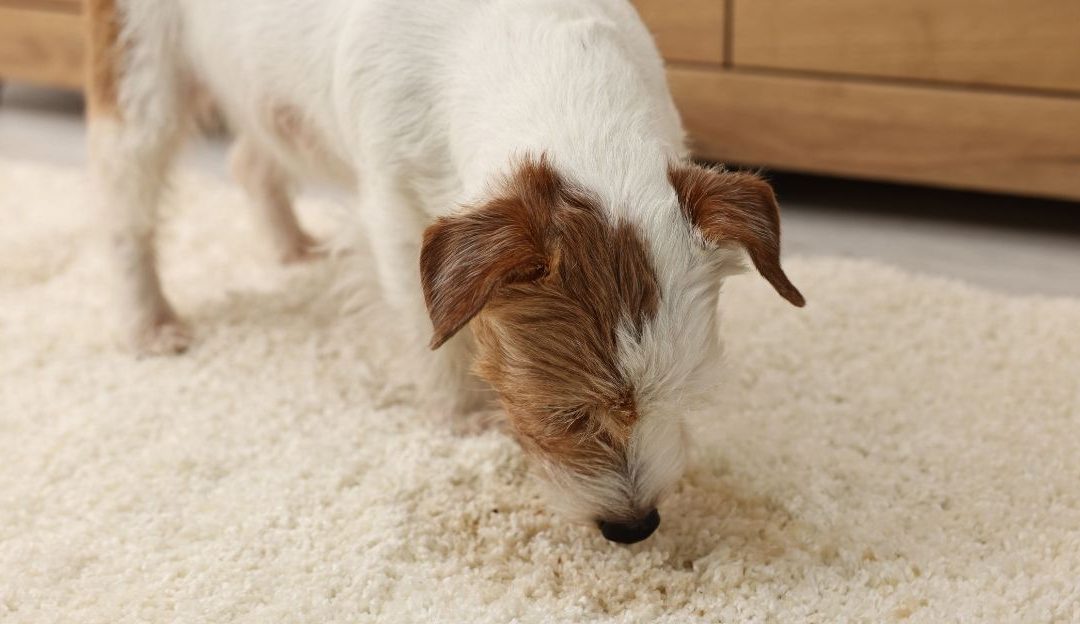
A sudden change in urination habits in a dog who previously had perfect house manners often confuses owners. When a dog begins urinating indoors, the reason may be medical, hormonal, emotional, or behavioral. Understanding why a dog starts urinating indoors is essential to solving the problem without causing further stress to the animal.
Medical Reasons to Rule Out First
Before assuming disobedience, it is important to check for medical causes. Urinary tract infections, kidney problems, diabetes, or inflammation can lead to sudden, frequent urination. A urine or blood test gives a clear picture of whether the dog is experiencing a physical problem that makes holding the bladder difficult. If a medical issue is present, the problem is not behavioral but real physical discomfort.
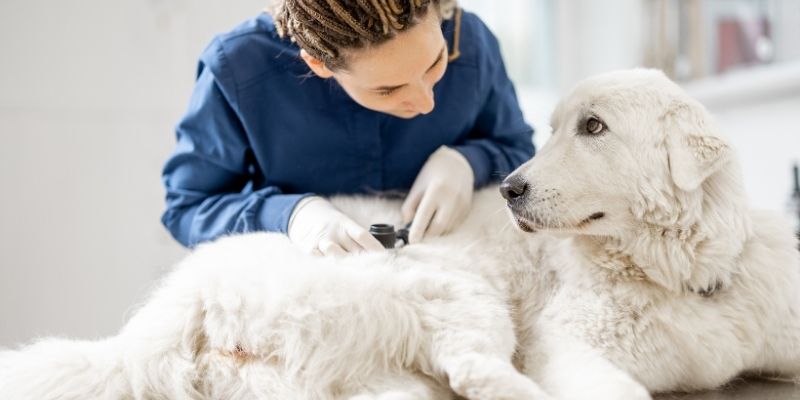
A medical exam helps rule out urinary tract infections as the cause of indoor accidents.
Behavioral Triggers: Marking and Attention Seeking
In sexually mature dogs, urination may serve as territorial marking. This is especially common in intact males. However, there are other behavioral reasons why a dog starts urinating indoors:
If the dog realizes that urinating elicits a reaction—even a negative one—it may continue using this behavior as a tool to attract attention.
Why Punishment Never Works
Punishment makes the problem worse. The dog begins to associate urination with fear and tension. Instead of understanding that the behavior is unwanted, the dog learns that urinating is a way to trigger interaction. Ignoring the behavior is far more effective. Quietly clean the area without contact, and positively reward the dog every time it urinates outside.
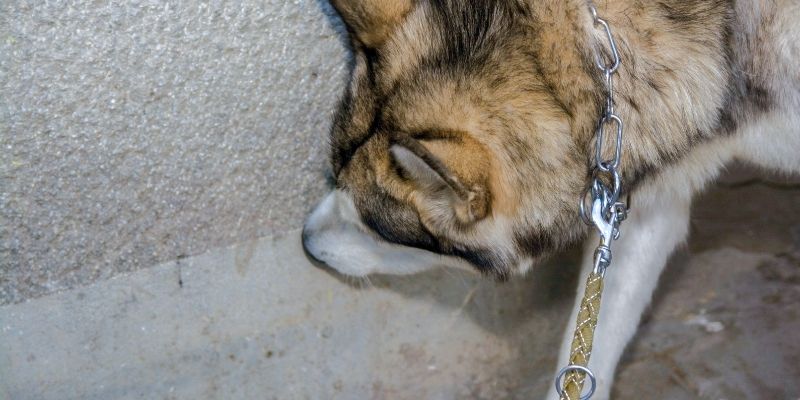
Adult males often mark their space when they feel insecure or are testing boundaries.
How to Restore Good Habits
To address why a dog starts urinating indoors and return to a clean home:
-
Rule out medical problems with a vet.
-
Establish a clear routine for walks and breaks.
-
Use enzymatic cleaners to remove the scent completely.
-
Reward success instead of punishing failure.
At Sasha Riess, we believe that every „accident“ is a cry for more structure or health support. When you understand why a dog starts urinating indoors, you can address the root cause and restore pureloveandharmony. Discover more: Linktree Sasha Riess
by Sasha Riess | 26.04.26. | Behaviour
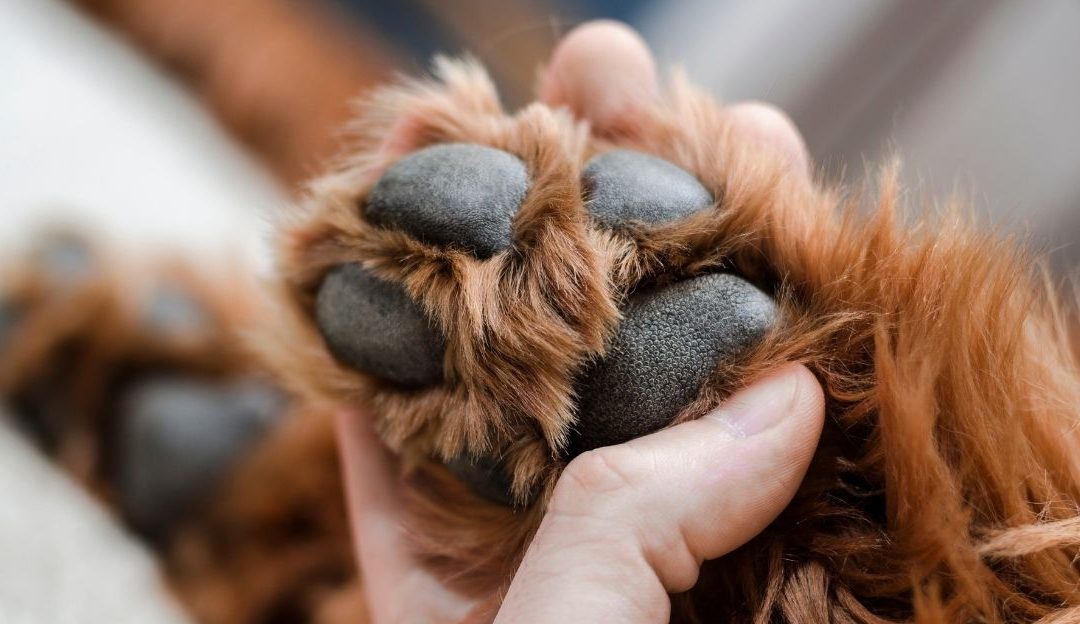
Many owners notice that their dog does not like having its front paws touched. The dog pulls them away, growls, or becomes uneasy. However, this is not a sign of disobedience but a natural reaction to sensitivity. A dog’s front paws have an extremely developed network of nerves, which is why they require special care and understanding.
The Biological Function: Why Are the Front Paws So Sensitive?
The front legs in dogs actually have a role similar to human hands. They are not only used for walking but also for exploring, holding, pushing, and carrying the weight of the body. They contain far more nerve endings than the back legs, which makes them more sensitive to touch, pain, and changes in the environment.
Because of this, many dogs do not like when someone touches their front paws, especially if they were not accustomed to touch from an early age. This sensitivity is not a sign of being spoiled; it is a biological reaction. Understanding why are dogs sensitive in their front paws helps us approach them with the respect they deserve.
How to Properly Handle a Dog’s Front Paws
To help your dog overcome this sensitivity, you must build a bridge of trust:
-
Get the dog used to touch: Start slowly, gently petting the front paws while the dog is relaxed.
-
Use praise: Each time the dog allows the touch, reward him with a gentle word or a treat.
-
Practice trust: Touch the paws without immediately trimming the nails. The dog needs to learn that touch does not mean pain.
-
Be careful during grooming: Approach the front legs with patience and care.
Why Some Dogs Refuse to Have Their Paws Touched
If you wonder why are dogs sensitive in their front paws to the point of refusal, it could be the result of:
-
A negative experience (previous pain or rough handling)
-
Naturally increased nerve sensitivity
-
Emotional tension or lack of trust toward the person
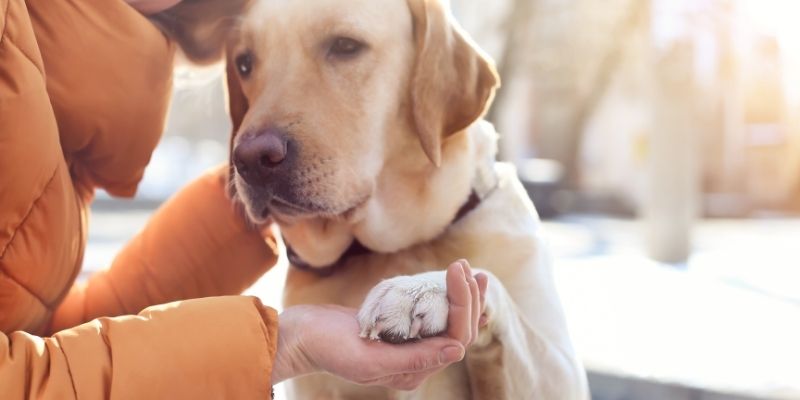
Acclimatizing your dog to having its front paws touched reduces fear and increases trust.
When a dog learns that touch is not a threat but a sign of care and affection, the reaction changes. The key is consistency, gentleness, and patience.
In the End
A dog’s front paws are what hands are for humans—a source of sensation, movement, and expression. Build contact with your dog through touch and reward, and over time the resistance will fade. This is how you build trust, which is the foundation of every healthy relationship between a dog and a human.
At Sasha Riess, we view grooming as a meditative touch. When you acknowledge why are dogs sensitive in their front paws, you move from maintenance to connection, achieving true pureloveandharmony. Discover more:Linktree Sasha Riess
by Sasha Riess | 26.04.26. | Nutrition
Artificial dog food is often presented as a practical and supposedly healthy solution, but its effect on a dog’s body is usually limited to short-term results such as “no visible symptoms.” The real issue is not whether the dog eats, but what actually happens inside the body during that process. If there is no digestion, there is no health.
How Artificial Dog Food Affects the Microbiome
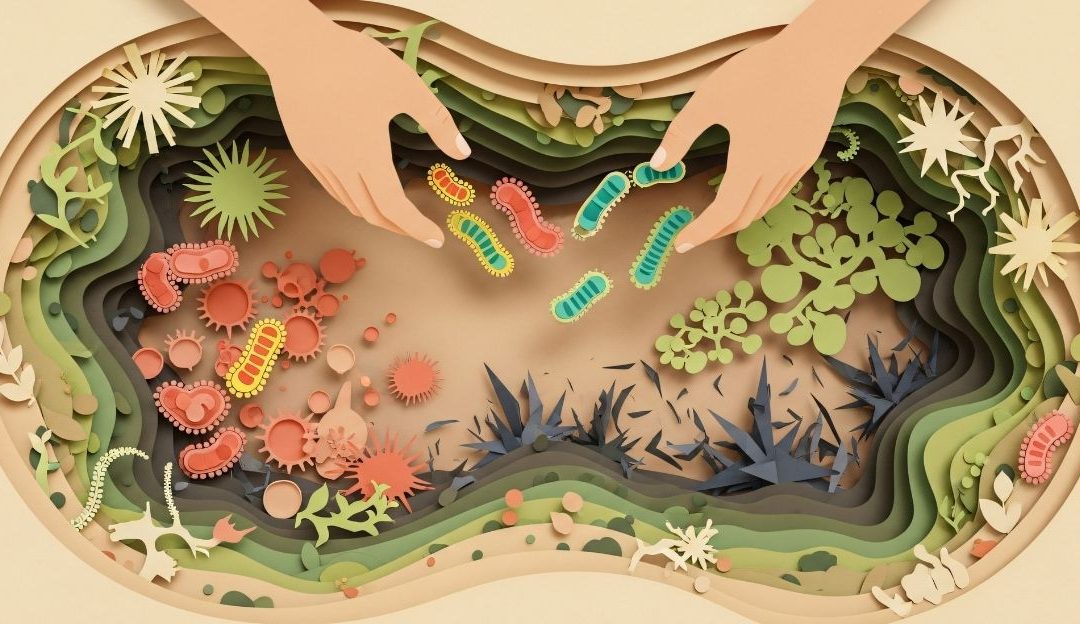
The essence of digestion lies in the microbiome. Without a microbiome, there is no digestion. Without digestion, there is nothing from food that can truly be absorbed.
In artificial dog food, almost everything is already broken down. Proteins, vitamins, and minerals are in powdered form. The body has no reason to engage. When the body does not need to digest, it does not activate the microbiome. And the microbiome does not exist only to break down food.
Why There Is No Immunity Without a Microbiome
The immune system lives in the microbiome. Not metaphorically, but literally. When the microbiome does not develop because the body does not need to digest food, the immune system remains inactive and weakened.
Artificial dog food therefore does not build resilience. Over time, it creates an organism that lacks the capacity to defend itself when serious issues arise, such as chronic inflammation, autoimmune processes, and severe diseases later in life.
Nature’s Law of Minimum Energy Expenditure
Nature functions according to the principle of minimal energy expenditure for maximum result. If the body receives ready-made substances that do not require breakdown, it will not invest energy in developing systems that appear unnecessary.
The problem is that the microbiome is not an optional feature; it is the foundation of health. When a dog becomes accustomed to food that does not require digestion, the body enters a state of passivity. Everything appears fine while the organism is young, but when aging begins, there are no developed defense mechanisms.
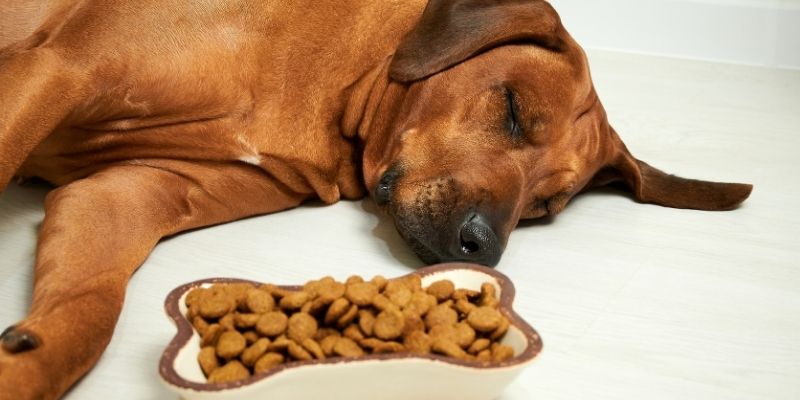
Industrial food does not require digestion—and for that reason, it does not build immunity.
How Industrial Nutrition Weakens Dogs Over Time
Industrial food does not require digestion, and for that very reason, it does not build immunity. Artificial dog food often seems like a solution because the dog eats, there is no diarrhea, and the coat shines. These are surface indicators.
Beneath them, resilience is not built. Adaptation is not built. A healthy relationship between body and food is not built. The microbiome and the immune system are either built through food or destroyed by it. There is no neutral option.
Not Convenience, but Responsibility
Feeding dogs is not a question of convenience. It is a question of responsibility. Food that does not require digestion does not stimulate life processes; it puts them to sleep. A healthy dog is not a dog without symptoms, but a dog with a system that knows how to defend itself.
At Integrative and Holistic Grooming Education, we teach that beauty begins in the gut. When you move away from artificial dog food, you choose to wake up your dog’s natural defenses. Discover the path to pureloveandharmony:Linktree Sasha Riess
Sasha Riess Pure Love & Harmony Duo Pack The Complete Dog Coat Care System
by Sasha Riess | 24.04.26. | Behaviour
When a dog adopted from a shelter arrives in a new home, many owners expect gratitude, affection, and quick bonding. Instead, the dog often seems withdrawn, sad, unsure, or completely distant. Understanding why a shelter dog appears withdrawn is a natural reaction from a dog who has had his entire world changed and still needs to understand where he has come and who you are in his life.
The Grieving Process of a Shelter Dog
A dog who has spent time without a stable home experiences the world differently. He does not see you as a savior, but as someone who has moved him from one unfamiliar environment to another.
Many dogs even want to go back in the first days, not because it was better there, but because the known always feels safer than the unknown. Their sadness is actually a form of grieving for the life they understood. Why a shelter dog appears withdrawn is often a direct result of this emotional stabilization process.
Giving Space Instead of Comfort
During this period, the dog may seem lost, inactive, or completely distant. The healthiest approach is to give him space. You should not comfort him immediately or force him into interaction.
Feeding Rituals as the Key to Trust
In the first days, you should not overwhelm the dog with attention. Instead, use feeding rituals that give the dog structure and predictability. Through this small but powerful ritual, the dog begins to understand that you are a figure of stability. This is the most effective answer to why a shelter dog appears withdrawn: they lack a point of reference, and you are building that through routine.
Why You Should Not React Immediately
When the dog finally gathers the courage to come to you, do not react impulsively. Do not pet him right away or praise him loudly, as this can frighten him. Instead, wait for him to calm down. This teaches the dog that interactions with you are stable and predictable.
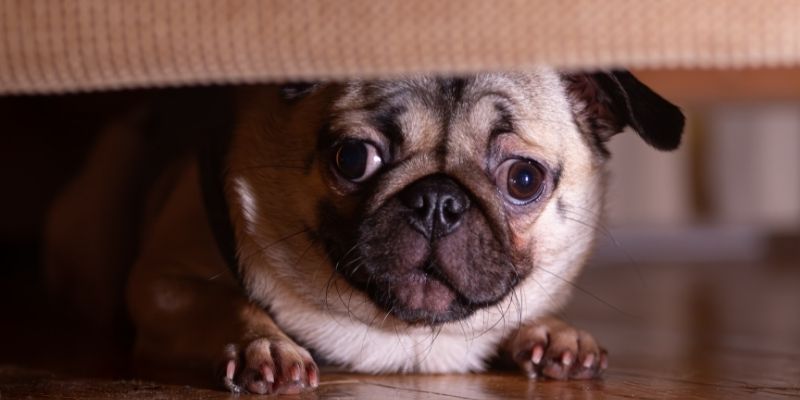
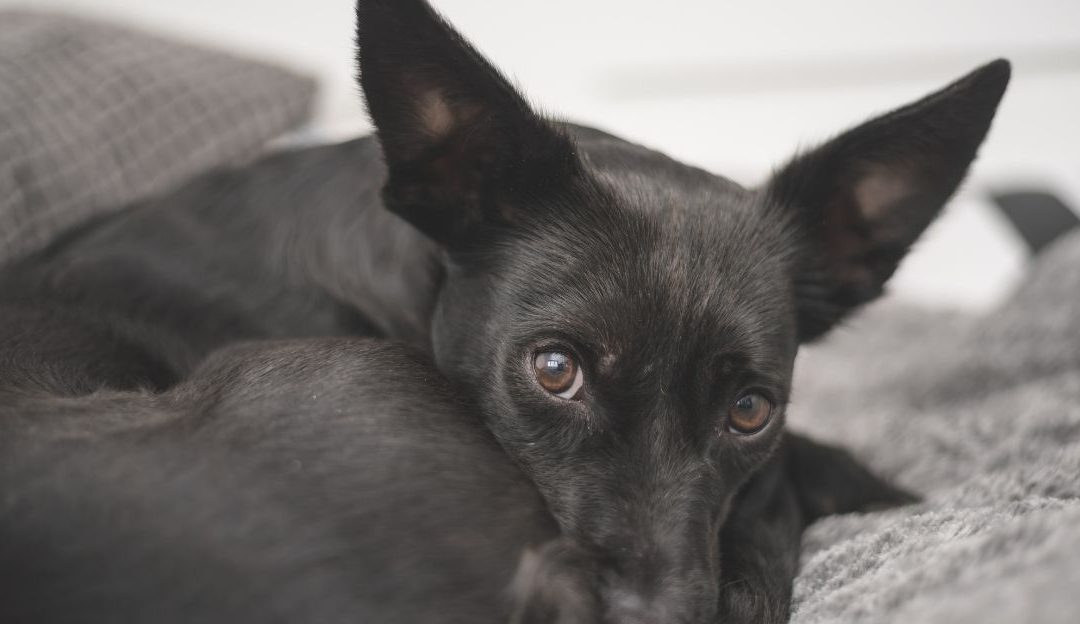
Keeping distance is a normal phase of adjustment for a dog adopted from a shelter.
The Biggest Mistake: Too Much Attention
Many people, with the best intentions, constantly approach the dog. But a dog does not experience this as support. To understand why a shelter dog appears withdrawn, one must realize that too much attention increases their stress. He does not need to be overwhelmed with emotions; he needs routine, structure, and quiet.
In the Sasha Riess philosophy, we believe that the greatest gift you can give a rescued animal is the right to their own silence. When you understand why a shelter dog appears withdrawn, you provide the foundation for pureloveandharmony. Discover more: Linktree Sasha Riess
by Sasha Riess | 24.04.26. | Behaviour
When a dog refuses to come when called, especially outdoors, many owners immediately assume they are doing something wrong. However, the dog is rarely “disobedient.” Most of the time, the dog is making a decision based on the dynamics of the relationship with the owner and on past experiences. Understanding why a dog refuses to come is the first step toward building a reliable recall.
The Foundation: Why a Dog Refuses to Come at Home
For a dog to truly want to come when you call, the exercise must begin at home. A refusal to come is never accidental; it always has a reason rooted in structure—or the lack of it.
The first step is establishing a clear feeding ritual. After you take your bite and prepare the dog’s meal, take a few steps backward and call your dog to come to you. Even if the dog is already following you, it is important to say the command and then place the food down. When the dog finishes eating and moves away from the bowl, you lift it.
This creates structure and teaches the dog that your invitations have meaning, addressing the core issue of why a dog refuses to come by establishing you as the source of valuable resources.
The Sacred Channel of Communication
Rewards are a powerful tool, but only when used correctly. A “treat” should not be something that is constantly available. It should be a reward earned through a specific behavior. That is why it is ideal for the dog to receive a reward every time it comes when called, and never in any other situation.
Food is, for dogs, a sacred channel of communication, and it should be used with intention and clarity. Through this process, the dog learns that coming when called always brings something positive—a predictable and safe behavior.
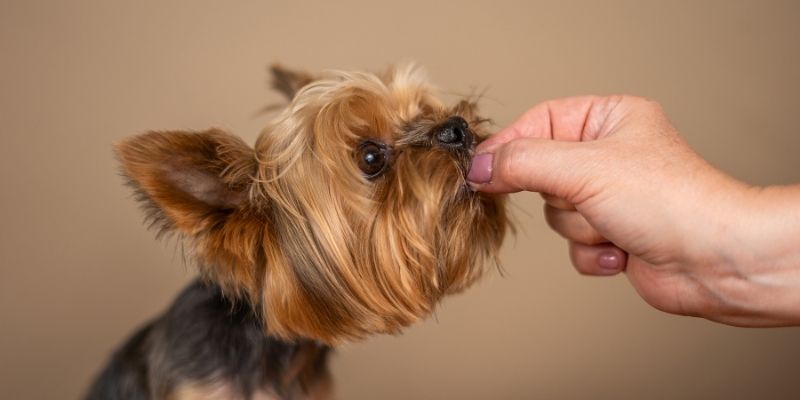
Training a reliable recall always begins at home, far before attempting the park.
Extending the Ritual Outdoors
Once you establish these rituals at home, they gradually extend to outdoor situations as well. Keep in mind that a dog does not ignore your call “on purpose.” The dog simply follows what its inner experience tells it is more important in that moment.
When you wonder why a dog refuses to come in the park, it is usually because the environment is more rewarding than the owner. Your task is to make your call the most valuable signal in your dog’s environment through consistent home-based rituals.
At Integrative and Holistic Grooming Education, we believe that every command is a conversation. When you understand why a dog refuses to come, you stop fighting and start connecting. Discover the path to pureloveandharmony: Linktree Sasha Riess