
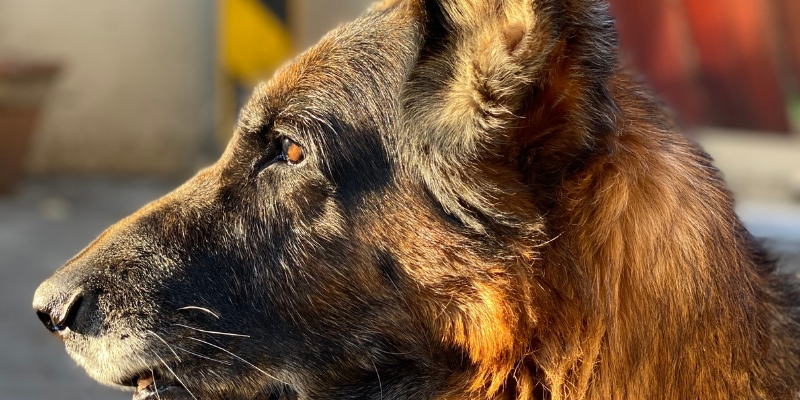
In today’s society, we are accustomed to drawing a sharp line between pets and other animals. We often love dogs as members of the family, while maintaining a completely different attitude toward pigs or cows. This naturally raises the question of why a dog is different from a pig in our eyes.
Who actually decides this difference, and according to what criteria do we draw these boundaries? Our entire relationship with animals rests on laws and social conventions that we readily accept without deeper questioning. Consequently, analyzing what occurs when a hypothesis arises regarding a virus transmitting from dogs to humans forces us to re-evaluate how quickly society alters its ethical standards.
Protocols and Decisions Made for the Greater Good
Throughout history, we have witnessed mass culling and destruction of domestic animals during epidemics. When swine flu, avian flu, or mad cow disease emerge, governments and institutions activate strict protocols. Millions of animals are then sacrificed in the name of protecting human health and controlling the spread of infection.

However, what would happen if a virus transmitting from dogs to humans were hypothesized? What protocols would then be applied, and how would the system respond to our pets? Therefore, asking this hypothetical question reveals how easily boundaries and rules change under systemic pressure.
Who Determines the Value of Life and Ethical Boundaries?
The way laws treat animals directly reflects our current collective consciousness. In terms of intelligence and emotions, a pig is in no way inferior to a dog. Yet lawmakers and industry have placed one animal in the category of food and resources, while placing the other in the category of friend and protector.
When decisions occur under the pretext of the greater good, ethical boundaries become highly flexible. Simultaneously, injustice or cruelty happens to certain animals today, but tomorrow, the same question could easily extend to our companion animals.
Vitamin C for Dogs: The Key to Healthy Joints and a Life Without Pain
Why Do Dogs Eat Feces from Other Animals or Dogs?
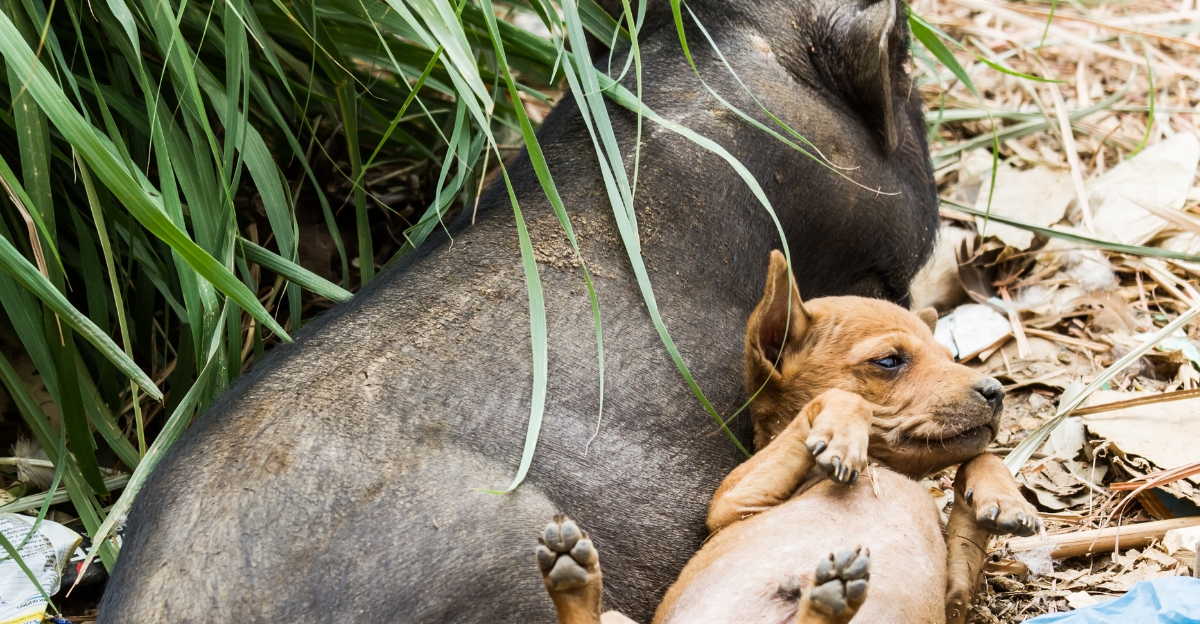
IN TERMS OF INTELLIGENCE AND EMOTIONS, A PIG IS IN NO WAY INFERIOR TO A DOG, YET SOCIETY TREATS THEM DIFFERENTLY.
Understanding Our World and Building Awareness
The purpose of these questions is not to spread fear, but to deeply understand the world and the system in which we exist. Our individual relationship with animals determines what decisions we will make and what kind of world we build.
Ultimately, we must begin to view life as a whole, rather than measuring the value of a being solely by its usefulness to humans. Only when we develop a true awareness of the value of every living being will we be able to make wise, fair, and ethical decisions for the future.
Thank you for reading.
To discover more about how emotional alignment, balanced lifestyle, and authentic energy restore internal balance, read our wellbeing guidelines.
See you next time.
At Sasha Riess, we look past commercial labels to honor the unique biological blueprint of your companion. True health requires addressing the subtle internal patterns that create lasting vitality and pureloveandharmony. Discover the customized path to your dog’s longevity: Linktree Sasha Riess
👉 Follow our Facebook page and never miss our latest articles, news, and updates.
What If The Dog Was Never The Problem?
View this post on Instagram