by Sasha Riess | 21.06.26. | Emotions
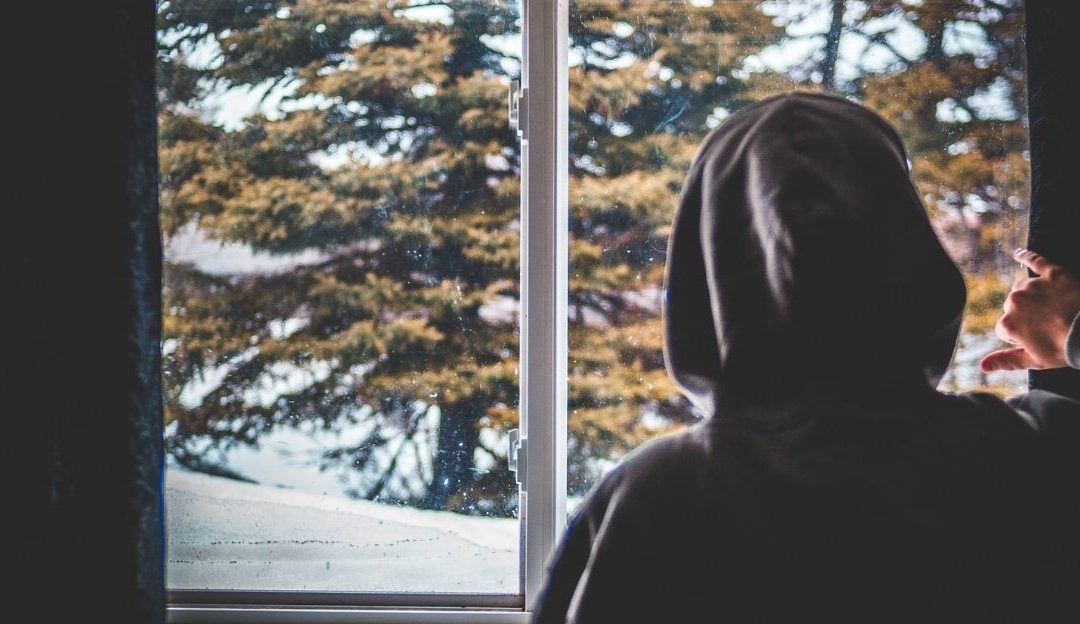
How often do we judging others in life? Parents, partners, friends… There is always someone who did not act the way we thought they should. But every time we judge, we are actually creating distance, from others, but also from ourselves.
A Movement of the Soul That Isolates
When we place judgment at the center of our attention, we give it a meaning that ultimately always leaves us alone. Every judgment, on any level, leads to deeper loneliness within ourselves.
It is that moment of envy and pride that arises when we believe someone else should have acted differently, especially when that situation involved us. By constantly judging others, we feed that internal separation.
The Trap of the Victim Role
Often, when we speak about others, we unconsciously make ourselves into a greater victim than we truly are. Why do we do this? Because in the role of the victim, a person often feels most comfortable.
It is easiest to label the other as the aggressor who attacks our moral or physical integrity. In that division, we are “right,” and they are “wrong.” But that need to be right is actually a mask for hurt and unfulfilled expectations.
The first step toward freedom is not to change others, but to see what is activated within us when we judge. A true Pure Love & Harmony connection with the world begins the moment we stop building walls out of judging others and start healing our own pride.
At Sasha Riess, we believe that true connection with our loved ones and our companions requires a heart free from barriers. Embracing a lifestyle of empathy and self-reflection allows us to live in pureloveandharmony. Discover more insights on deep harmony and growth here: Linktree Sasha Riess
by Sasha Riess | 19.06.26. | Behaviour
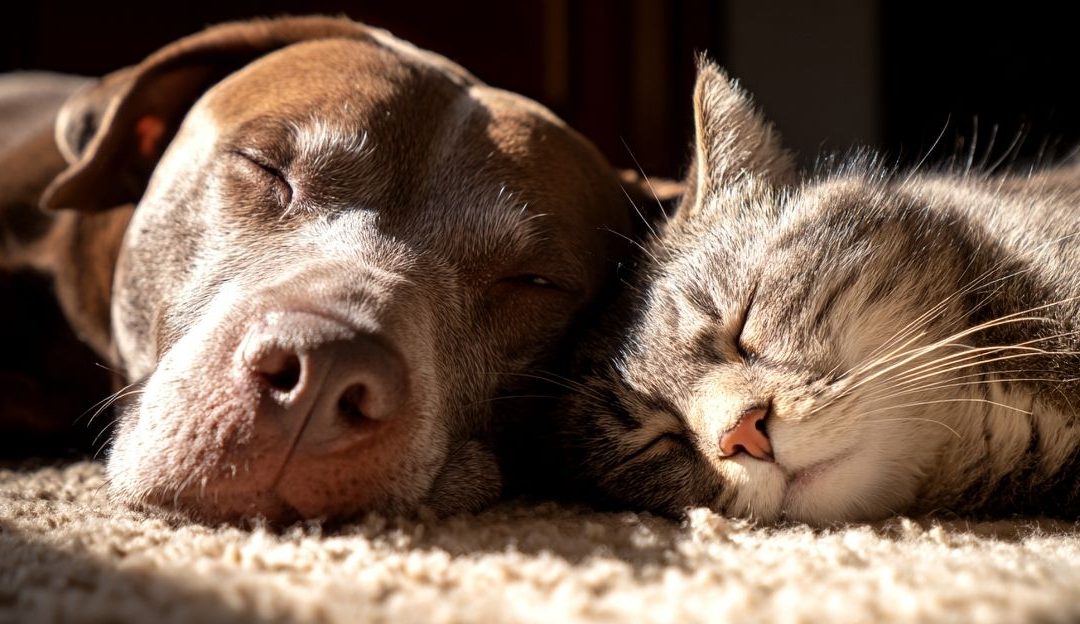
The question of how to get a dog used to a cat is one of the most common among pet owners. Most people look for tricks, barriers, or scents, but the essence is much deeper. If your dog chases a cat, it often does so because it feels the need to protect you or its territory. A dog’s behavior in this situation is a direct message to you: “You are not the center of my world, so I have to decide who is welcome here.”
A Dog That Protects Its Owner From the Cat
Many people do not realize that aggression or intolerance toward a cat often comes from a dog’s instinct to protect its human. If the dog does not see you as an unquestionable leader, it takes responsibility for the safety of the pack.
To resolve this conflict, you do not need to train the dog to “sit” next to the cat. You need to go back to the beginning and rebuild that mutual relationship by placing yourself at the very center of your dog’s attention.
You Are the Greatest Reward, Not a Treat
Forget about bribing your dog with cheese or toys so it accepts the cat. A true relationship is built when you become the greatest possible reward for your dog.
When the dog sees you as its “god” and absolute authority, its need to chase the cat or react to external stimuli disappears. It wants to follow you and please you because you are the leader of its life.
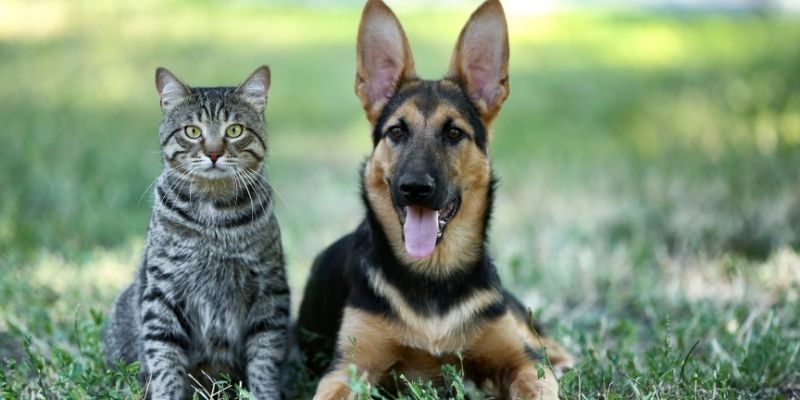
Be the leader for your dog and he will stop feeling the need to „solve“ the cat situation.
Leadership in Your Own Life
Dogs long for a leader who moves through the world with stability. The hardest thing for a human is to do what must be done, to be consistent and calm.
When you master yourself and your life, your dog will feel it. At that moment, the presence of a cat is no longer a threat or a target, because the dog knows that the leader is the one who decides what peace in the home looks like.
by Sasha Riess | 19.06.26. | Wellbeing
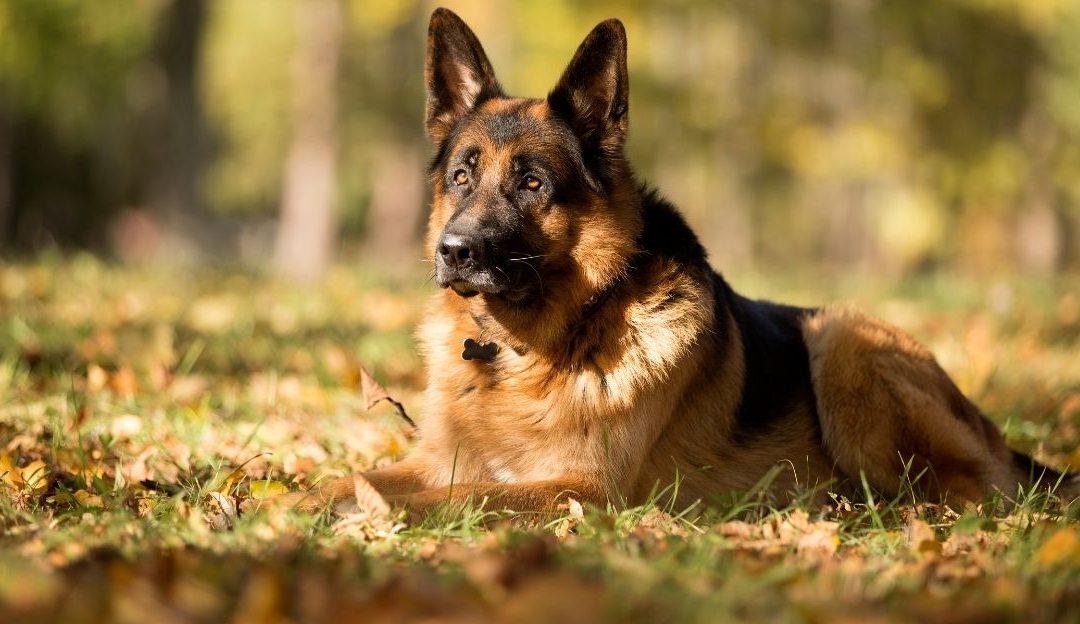
A man named Marko, who recently became the owner of a young German Shepherd, sent me a question about a health issue known as hip dysplasia, or simply HD. As he explained, he had read extensively about the breed in order to understand it better, and learned that this hip problem sometimes occurs in German Shepherds, as well as in large breeds in general. Although the issue is usually genetic, it can also be encouraged by inadequate living conditions and nutrition, so Marko wanted to know what deserves special attention.
The German Shepherd and the Dark Fate of Eugenics
When it comes to the German Shepherd, we clearly see the dark consequences of eugenics and human interference with nature. In the process of creating the “perfect breed,” humans confront natural laws so that the newly shaped body can perform a task flawlessly for human benefit, regardless of how much the dog may suffer or endure pain in the process.
Lowering the hindquarters or creating that pronounced arch in the spine increases the drive of the rear legs. This enhances the speed required of the German Shepherd as a working breed, enabling it to generate the force needed to subdue a person weighing, for example, 100 kilograms. As a result, the dog’s center of gravity shifts from the front limbs to the hind legs, placing excessive strain on the hips, which are not designed to bear such load. In this way, the process that leads to hip dysplasia begins through chronic overburdening of the hip joints. The entire biomechanical model of a dog assumes that its weight should primarily rest on the front paws, not on the pelvis.
Causes of Dysplasia and the Biomechanical Model
A disrupted center of balance can contribute to the development of what is sometimes called “functional” hip dysplasia. Another possible factor is overly long nails on the front paws, which push the paw backward. When nails grow too long, the paw rests on the rear pads, the toes lift, and the center of gravity shifts once again toward the hips. The socket and joint structures then suffer under a load they were never designed to carry.
What should be considered when purchasing a German Shepherd is choosing the most natural looking dog possible, ideally one with a straighter back, since a straight back is a reliable sign that the body’s weight is properly distributed toward the front limbs. When the fundamental biomechanical model is disrupted, contraindicated traits emerge, because nature always strives for balance. The collection of moderate features in each body part creates the conceptual beauty of the whole.
The Future of the Breed and Owner Responsibility
Anyone who chooses to own a German Shepherd today must be prepared for potential hip problems as the dog ages. The issue lies in the fact that the breed was shaped for specific performances that many dogs no longer carry out. The working value of the German Shepherd is steadily declining, yet we expect the physical form alone to remain sustainable, which is impossible.
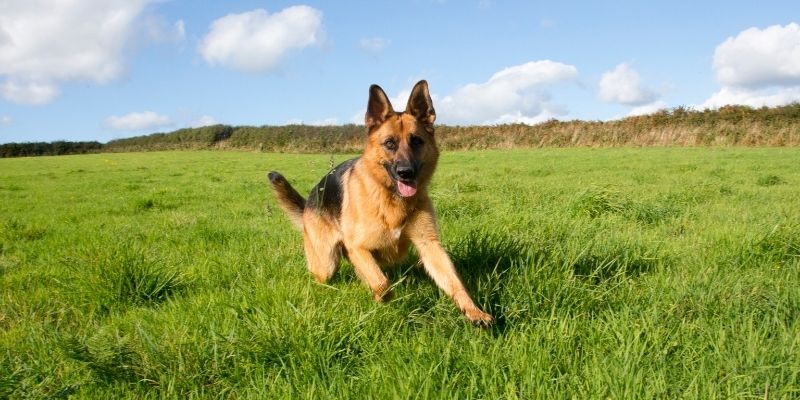
Back to nature: A straight back and correct center of gravity are the only way to a healthy and mobile dog.
A dog’s physical structure arises from the essence of its function. We should choose dogs of balanced build with straighter backs, although such dogs are becoming increasingly difficult to find. Everything else is the result of eugenics and the elevation of breed above species, a price that must eventually be paid. It is difficult to say how humanity will repay what it has done to the German Shepherd, and to many other breeds as well.
At Sasha Riess, we look beyond artificial breed standards to protect the natural biology of your dog. True canine wellness means restoring structural balance and a proper center of gravity, allowing your German Shepherd to live in movement, comfort, and pure biological pureloveandharmony. Support your dog’s ancestral health:Linktree Sasha Riess
by Sasha Riess | 18.06.26. | Coat Care
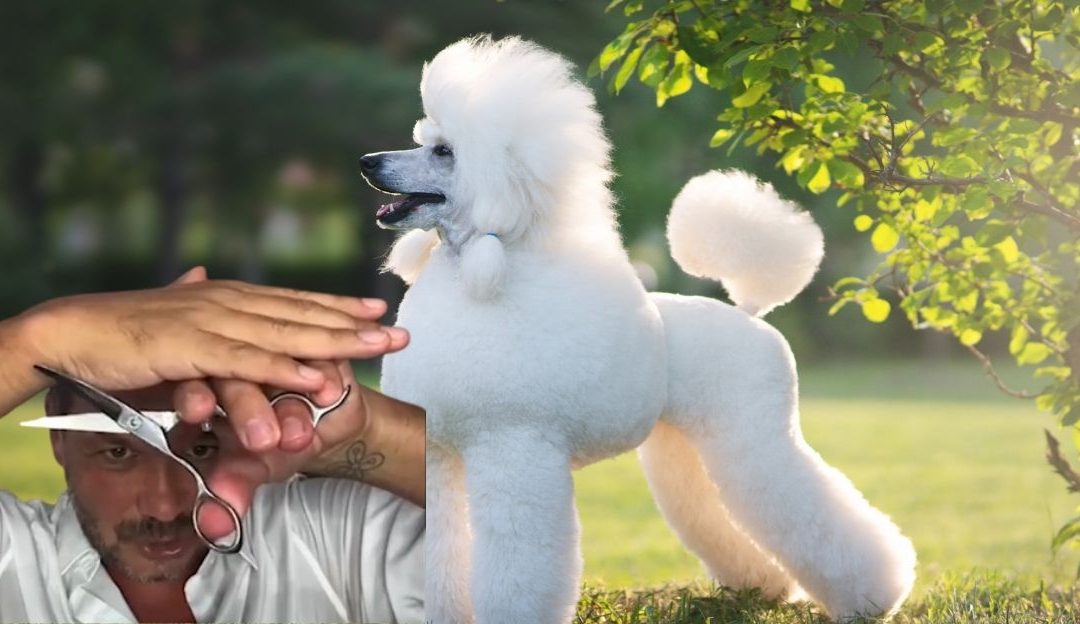
When people ask me which scissors are the best, what size, and which brand to choose, my answer is always the same: the ones that fit your hand. Brand and price are secondary if the tool does not follow your anatomy. Buying scissors online is almost an impossible mission because until you hold them in your hand, you do not know how they will “sit” in your grip. The technique of dog grooming begins with ergonomics, not with a catalog.
Handle Anatomy: The Key to Superior Technique
The most important aspect of scissors is the construction of the handle. Proper dog grooming technique means that only one blade moves, while the other remains static and serves as a limiter. The more stable that static blade is, the cleaner and flatter the surface you are cutting will be.
You will not need to pass over the same spot a hundred times if your tool supports the proper movement of your thumb.
A Patented Design for Perfect Balance
Our Sasha Riess patent, which will enter the market this autumn, focuses on keeping the hand in the most natural position possible. When you close your fingers, the upper part of the scissors should remain as flat as possible. In our models, the finger rests are stepped so that when you hold them, your hand forms a flat surface. This reduces fatigue and allows maximum precision.
The size of the scissors must allow your hand to remain flat. Only then can the finger move freely while the hand stays stable. A tool must serve your biology, not the other way around.
At Sasha Riess, we design equipment that honors your physiology. Choosing dog grooming scissors engineered around natural hand ergonomics eliminates fatigue and unlocks effortless, artistic precision, bringing true pureloveandharmony to your craft. Explore anatomical mastery: Linktree Sasha Riess
Recommended readin:
by Sasha Riess | 18.06.26. | Coat Care
Life sometimes breaks us completely. In those moments, we feel lost, but what is truly breaking is not our essence, it is the armor that has covered us for years. Deep within each of us exists a memory of safety and stability. Pet care and grooming are spaces where that memory can come alive again, but only if we understand the traps this profession carries.
Between Healing and the Black Hole
Grooming is a space of presence and connection. While working with dogs, we are actually working on our own return to ourselves. However, this profession can also become a “black hole” that pulls us in overnight. That is why the grooming industry shows such high levels of anxiety, depression, and burnout.
The same space that offers healing can also become a source of enormous stress if we are not aware of our own boundaries.
Returning to Yourself Through Conscious Grooming
The path to recovery is not about becoming someone new, but about remembering what has always been ours, our inner peace. Pet care and grooming allow us to practice that presence every single day.
The key is awareness: do not allow the job to define you, but use working with dogs as a tool for rebuilding your own stability. The path to peace does not lead outside the salon, but within your own heart while holding the scissors in your hands.
At Sasha Riess, we recognize that you cannot pour from an empty cup. Approaching pet care and grooming as a conscious practice of presence heals both the stylist and the dog, aligning the salon in true pureloveandharmony. Reclaim your balance: Linktree Sasha Riess
by Sasha Riess | 17.06.26. | Wellbeing
Today, a dog owner wrote to me about a passive problem of uncontrolled “leakage” in dogs. Why does this happen? Is the cause the weakening of the bladder wall and glands due to a lack of estrogen? This is a serious condition in which a dog, while sleeping, is often not even aware of what is happening and urinates on itself because it cannot control it.
Hormonal Imbalance and the Bladder Wall
The problem often lies in the deficiency of vital hormones. Estrogen in dogs, just like testosterone and other related hormones, plays a crucial role in maintaining muscle tone and the strength of the bladder wall. When the levels of these hormones drop, the bladder walls weaken, which leads to passive incontinence.
Unfortunately, owners often encounter a lack of response or adequate therapy. There are also extreme approaches, such as estrogen injections, used in an attempt to compensate for what the body has lost. This is an effort to restore the vital balance that has been disrupted.
Risks and Consequences of Hormone Deficiency
Beyond incontinence itself, the lack of these important hormones can open the door to other health risks, including various cancers. Hormones such as estrogen in dogs and testosterone are not only “sex” hormones; they are vital regulators of the overall health of the body.
When these hormones are lacking, a dog becomes more vulnerable to diseases that arise from this fundamental imbalance. Understanding the connection between hormonal status and physiological functions such as bladder control is the first step in providing help to a pet suffering from this passive yet frustrating condition.
At Sasha Riess, we recognize that structural wellness and hormonal balance go hand in hand. Addressing a deficiency in estrogen in dogs requires a deep understanding of cellular health, guiding your pet back to a life of true pureloveandharmony. Restore their inner vitality: Linktree Sasha Riess
by Sasha Riess | 16.06.26. | Nutrition
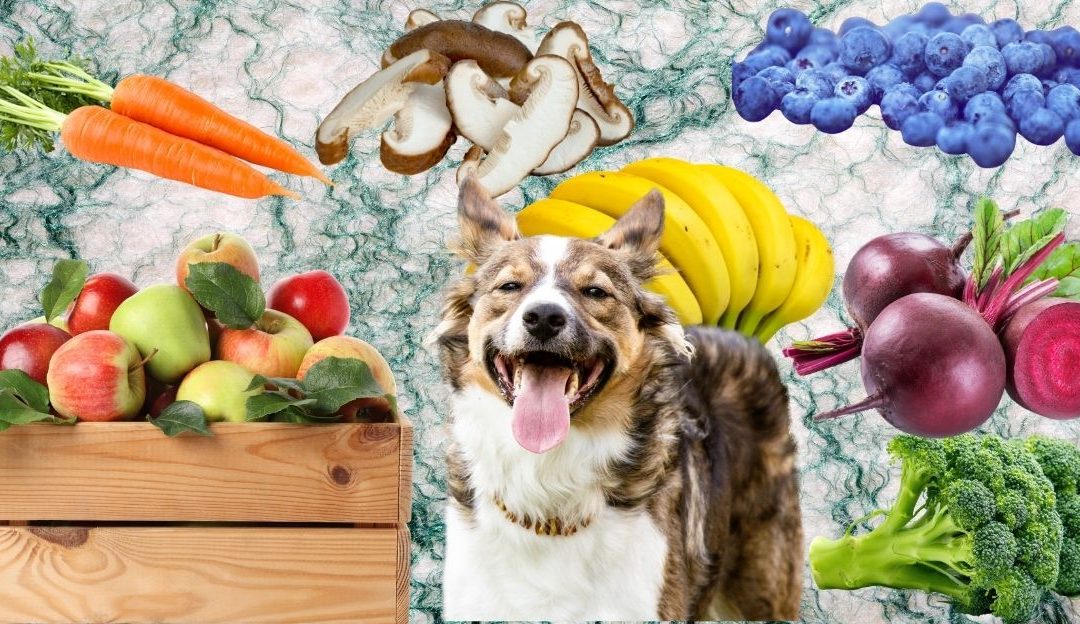
When it comes to proper dog nutrition, introducing fresh foods from nature is a key step toward a healthier microbiome and overall vitality. Every dog has specific needs, but the foundation of health always lies in the quality of ingredients. Within the Pure Love and Harmony concept, dog nutrition focuses on foods that reduce inflammation and strengthen the dog’s natural immunity.
Fruits in Dog Nutrition
-
Apples
-
Apricots
-
Avocado
-
Bananas
-
Blackberries
-
Blueberries
-
Melon
-
Coconut
-
Cranberries
-
Pitaya (dragon fruit)
-
Mango
-
Papaya
-
Peaches
-
Pears
-
Pineapple
-
Raspberries
-
Strawberries
-
Tomato
-
Watermelon
Vegetables as an Important Part of Dog Nutrition
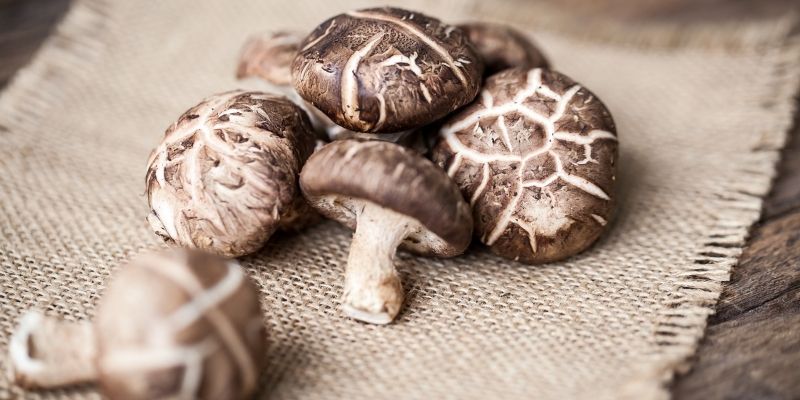
Mushrooms are powerful immunity allies, while spinach is added in small, controlled amounts.
Medicinal Mushrooms and Holistic Dog Nutrition
-
Lion’s Mane
-
Shiitake
-
Maitake
-
Turkey Tail
-
Cordyceps
-
Reishi
-
Chaga
The proper selection of these natural foods directly influences your dog’s vitality and longevity. By introducing fresh ingredients through the Pure Love and Harmony Kitchen concept, you provide your dog with strength that processed food cannot offer.
Conscious ownership begins in the bowl, and health is built with every carefully chosen bite.
At Sasha Riess, we view daily feeding as a profound opportunity to cultivate health. Elevating your approach to dog nutrition with whole, anti-inflammatory foods feeds the spirit and body, bringing pureloveandharmony. Balance their diet: Linktree Sasha Riess
by Sasha Riess | 16.06.26. | Behaviour
Dog Parks: A Time Bomb of Anthropomorphism
There is something deeply appealing in the image of a dog park. Open space, grass, freedom, play, encounters, “socialization.” People stand on the side, smiling, relaxed, convinced they are doing the best possible thing for their dog. The idea seems pure, humane, modern. And that is exactly why it is dangerous. Not because it is malicious, but because it is based on a misunderstanding of the dog’s nature.
The question is not whether a problem will occur. The question is when, and what the cost will be.
Over the past ten years, dog parks have become a standard of urban culture. In many cities, they are seen as a symbol of care for animals. However, alongside this growth, the number of incidents has also increased. Various studies and data from veterinary practice show that a significant percentage of owners report that their dog has experienced an attack in such environments. Estimates go as far as suggesting that approximately every seventh dog has had a negative experience in a dog park. Scientific research further confirms that conflicts between dogs in these settings are a real and frequent occurrence.
But what cannot be seen in statistics is far more important. It is the invisible cost paid by the dog’s nervous system. It is the micro-stresses that accumulate. It is the behavioral changes that appear later, when no one connects cause and effect anymore. And here we arrive at the key point: the dog park is not the problem. The problem is the idea we have placed into it.
Anthropomorphism and the Truth About Dog Parks
Anthropomorphism means attributing human characteristics to beings that are not human. When a dog owner observes a dog through a human lens, we do two things at once: we lose contact with its nature and project our own needs onto it. We believe it needs the company of other dogs because we need the company of other people. We believe that a large group equals joy. We believe that more contact means more “socialization.”
But a dog is not a human in a dog’s body.
A dog did not originate in a dog park. A dog comes from a structure that has deep roots, from relationships that carry order, boundaries, and meaning. The dog is a descendant of the wolf, and although it lives alongside us today, its instincts have not disappeared. They are still there, quiet, present, patient.
Whether it is a Chihuahua, a German Shepherd, or a mixed breed, in every dog there is a layer that does not belong to the modern world, but to the nature that shaped its nervous system over thousands of years. What we often do not know is what exactly is required to activate that layer. Which look, which movement, which scent, or which tension in the space can become a trigger.
And this is where the problem begins. Because when those primordial instincts awaken, the dog does not react as a pet. It reacts as a being guided by survival, hierarchy, protection, and defense. At that point, there is no longer “play” in the human sense. What begins is what people later describe with sentences like: “I don’t know what happened,” or “He has never behaved like that before.”
But it is not something new. It has always been there. And when it emerges, the consequences can be serious. A dog can injure another dog. It can injure a human. It can also be injured or even killed. At that moment, the cost of anthropomorphism becomes real.
Why Socialization and Dog Parks Do Not Go Together
One of the most common arguments in favor of dog parks is socialization. However, the way this concept is used is often completely misunderstood.
Socialization is not the amount of contact. It is not the number of dogs a dog has met. It is not the intensity of play. Socialization is the dog’s ability to remain regulated, stable, and functional in the presence of other beings.
This means that a dog can see another dog and remain within itself. It does not need to approach every dog. It does not need to react to every stimulus. It means the dog has an internal structure that allows it to exist in the world without the need to control it or escape from it.
In dog parks, this is exactly what is lost. The dog is taught the opposite: that every encounter requires a reaction, that intensity is normal, that boundaries are unclear, that excitement is desirable. This is not socialization. This is destabilization.
A large part of the problem lies in the fact that people do not recognize signs of stress in dogs. A dog that runs, jumps, and barks appears happy. But a highly activated nervous system is not the same as wellbeing. A dog can be in a state of overload while appearing to enjoy itself.
In dog parks, dogs are exposed to constant signals: looks, movements, approaches, scents, and the tension of other dogs. Their system must continuously evaluate and react. When that system can no longer process everything, an explosion occurs. People then say it happened out of nowhere. But it did not. It happened within a system that was overloaded.
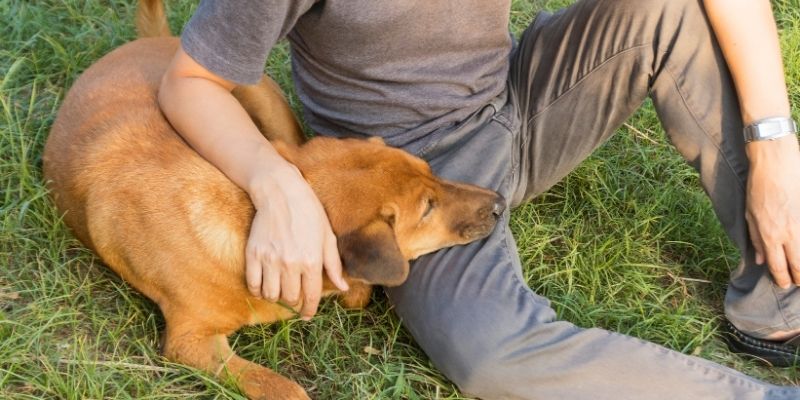
Clear structure and calm build a more stable dog than chaotic play.
Belonging to a Group, Not a Crowd
This is why it is important to understand another key point: a dog is not a being that seeks to be part of a crowd. A dog seeks belonging. And belonging does not exist in chaos.
A dog feels safest, most stable, and most relaxed within its small group. This can be a family, a household, or a small circle of known relationships where it understands its place and where boundaries are clear. This does not mean isolation. It means a clear and meaningful position within relationships.
When a dog has its place, it can move through the external world without needing to react to every stimulus. Encounters with other dogs then do not become a matter of survival, but simply part of the environment that it can register and let pass. Otherwise, every encounter becomes a potential trigger. And at that point, the dog park stops being a space of freedom. It becomes a space of uncertainty.
One of the biggest problems with dog parks is that the consequences often do not appear immediately. A dog may seem “social” for a long time, without visible issues. And then one day, something changes. The dog becomes reactive. It begins to avoid contact or enters a state of excessive tension. Every dog owner then looks for the cause in the last event. But the cause is often cumulative.
Every stress, every unclear interaction, every situation without structure leaves a trace. These traces accumulate until the system reaches a breaking point. And then we come to the question: what is the cost?
The cost can be injury. It can be behavioral change. It can be the loss of trust between the dog and the human. It can be a long recovery process that requires time, knowledge, and patience. And it all began with the idea that we were doing something good.
Why We Choose a Dog and Postpone Having a Child

The Dog Groomer’s Dilemma: Journey Trough Burnout, Belonging and Becoming
What Is the Alternative?
The answer is not isolation. A dog needs contact with the world. But that contact must be structured, gradual, and meaningful.
Instead of random encounters, we choose quality relationships. One or two stable dogs with whom our dog can develop a familiar and predictable connection. Instead of chaotic play, we introduce clear boundaries and rhythm. Instead of constant stimulation, we allow the dog to learn how to be calm in the presence of others.
Walks where the dog learns to observe the world without the need to react have greater value than an hour of chaotic play. Short, controlled encounters build security. Work on regulation becomes the foundation. In other words, we do not build a dog that is “social” in the human sense of the word. We build a dog that is stable.
In the end, the question of dog parks is not a question of space. It is a question of awareness. How willing is a dog owner to truly understand the dog, instead of adapting it to ourselves? How willing are we to admit that good intentions are not enough if they are not supported by knowledge?
A dog park may look like a place of freedom. But without understanding the nature of the dog, it becomes a space where freedom turns into chaos. That is why perhaps the most important question is not where we take the dog, but how we guide it through the world.
A dog does not ask for more freedom. It asks for more clarity. And clarity does not exist in chaos.
At Sasha Riess, we step away from the crowd to offer your dog the security of structure and leadership. True socialization means teaching your pet to remain calm and regulated, ensuring genuine pureloveandharmony. Discover your path to clarity: Linktree Sasha Riess
The Dog Groomer’s Letter of the Month Club with Sasha Riess
by Sasha Riess | 15.06.26. | Coat Care
The hands are the same. The scissors are the same. The technique is the same. Even the dog is the same. But the result? Completely different. That is the moment every groomer seeks, not perfection, but alignment.
Creative flow in grooming happens the moment you let go of control, stop questioning every movement, and finally begin to trust yourself.
From Tears to Triumph: When Work Becomes Easy
We often struggle with lines, angles, and symmetry, forgetting that the dog feels our uncertainty.
When one student, after hours of drawing and learning, finally put down the need to control and began working “backwards,” row by row, without asking unnecessary questions, something shifted.
Forty minutes later, the dog was radiant, perfectly balanced and smooth. But the true beauty was not in the dog. It was in the tears of the groomer who said: “This dog has never looked this good… and I have never felt this good.”
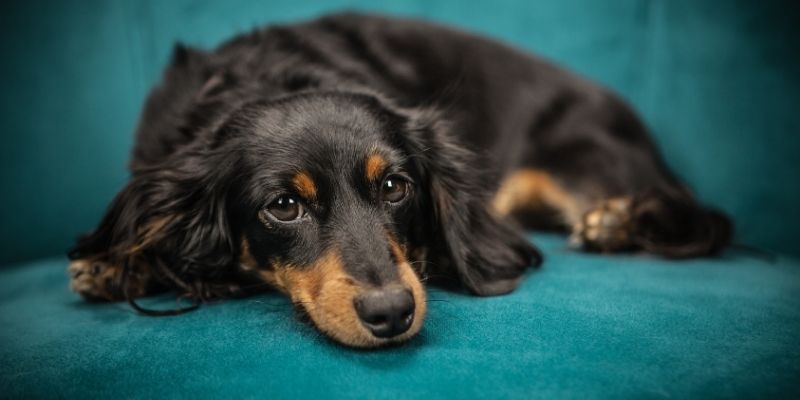
„This dog has never looked this good.“
More Than a Groom: Finding Yourself
That “smooth finish” we see on the dog is actually a reflection of the inner calm the groomer has reached. When you are present, the work becomes effortless, and the result, as Sasha says, becomes an incredible outcome born from what appears to be nothing.
Creative flow in grooming is not a goal achieved by force. It is a space you enter when you allow yourself to be fully present. Do not search for perfection in every hair. Search for the feeling of alignment with yourself while you create.
At Sasha Riess, we teach that scissors only execute what the soul has already envisioned. Stepping into a state of creative flow in grooming transforms your work and fills the space with pureloveandharmony. Discover your creative alignment: Linktree Sasha Riess
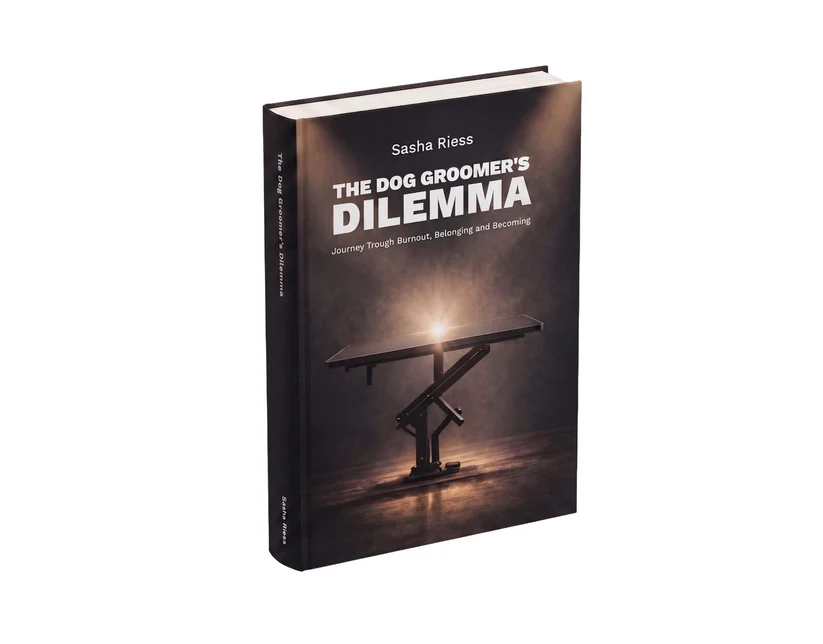
The Dog Groomer’s Dilemma: Journey Trough Burnout, Belonging and Becoming
by Sasha Riess | 12.06.26. | Coat Care
Many owners still receive advice that a dog should be bathed only three times a year. While that may have been relevant in the past, life in urban environments today requires a completely different approach. Regular bathing dogs is no longer a matter of aesthetics, but of preventing the intake of heavy metals into your dog’s body.
The Hidden Danger From Asphalt and Air
Urban dogs walk on asphalt daily and inhale polluted air saturated with heavy metals. These toxins are large molecules that cannot pass through the skin on their own, but they bind to lanolin, the natural fat on the coat.
The problem occurs when the dog:
In this way, heavy metals from the street end up directly inside the dog’s body. Apple cider vinegar and a cloth are not enough to break down the fat to which these toxins are attached. Always use conditioner after shampoo to seal the coat and prevent flaking.
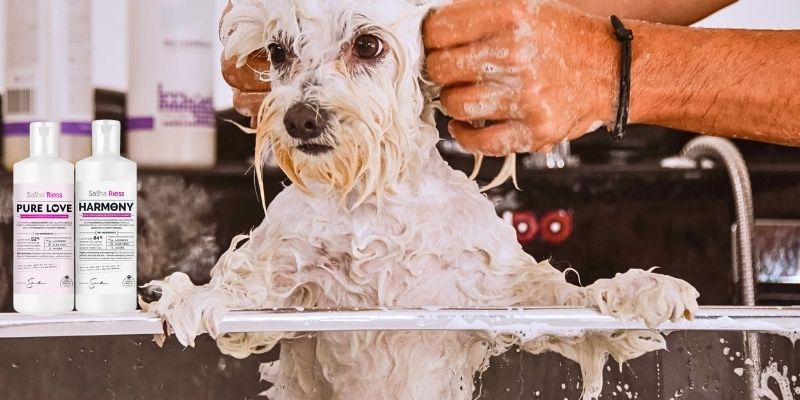
Shampoo cleans, but conditioner seals and protects.
Proper Care: Shampoo Is Not Enough
If a dog lives indoors and moves through the city, bathing dogs every 7 to 15 days is ideal. However, the key lies in the correct process:
-
Shampoo and conditioner: Never use shampoo alone, as it dries out both the skin and the coat. Conditioner is essential to seal the coat and maintain its elasticity.
-
Nutrition against dandruff: If you notice dandruff, a useful trick is adding a quarter teaspoon of butter to the dog’s food. These healthy fats nourish the skin from within.
Forget advice from the past; a clean dog in an urban environment is a healthy dog.
At Sasha Riess, we understand that bathing dogs is a shield against the modern world. Protecting their internal organs starts with external care and pureloveandharmony. Maintain their defense: Linktree Sasha Riess
The Dog Groomer’s Letter of the Month Club with Sasha Riess