by Sasha Riess | 23.09.26. | Behaviour
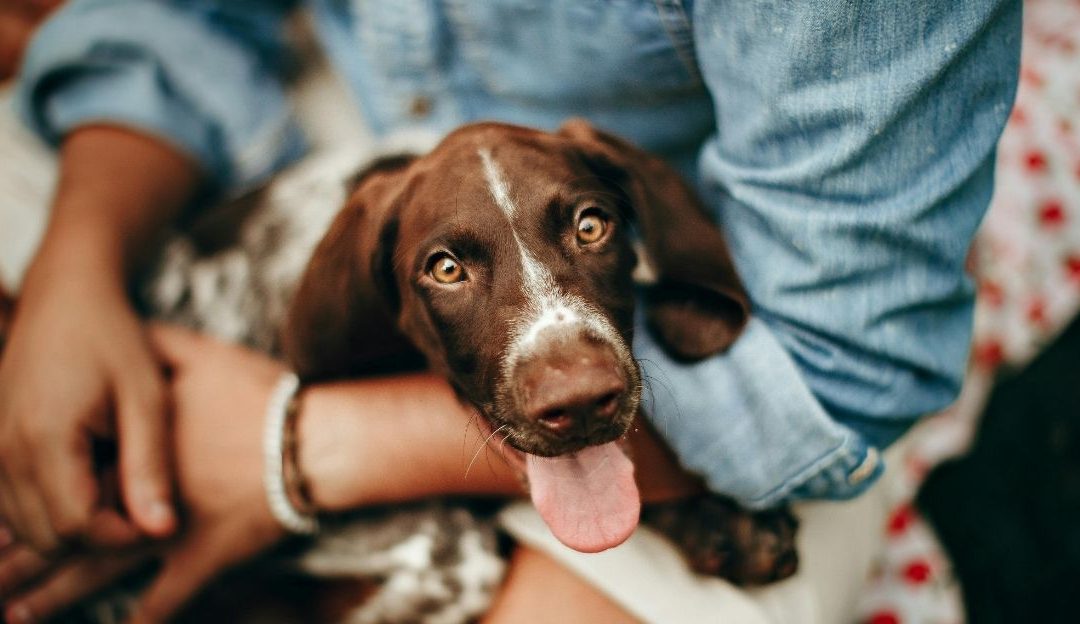
A dog leaning against its owner represents a need for closeness and safety. If your dog constantly sticks to you, asks for cuddles, climbs into your lap, and never leaves your side, the reason is not only love. There is a deeper emotional mechanism that many owners do not see.
It may seem sweet when a dog refuses to separate from you, climbs into your lap, lies on you, and repeatedly asks to be petted. And it is sweet, but only as long as you are the one deciding when the cuddling happens.
The moment the dog begins to set the pace, it is no longer just affection. Consequently, it becomes a small game of power in which humans almost always lose, because dogs are masters at gently pulling us into their rituals.
What Is the Real Issue?
The problem is not that your dog wants to be close to you. The problem is not that he seeks affection.
The problem begins when this need appears only when he wants it, and we respond every single time. In that way, the dog unconsciously learns to control our behavior. Therefore, understanding why does my dog stick to me requires looking at who initiates interaction.
How to Restore Balance
The next time your dog comes for cuddles, ignore him briefly. Not harshly, not coldly — simply remain calm and do not respond.
Invite him to the same cuddling that would have happened if he had asked for it, except now it happens on your initiative.
And here comes the interesting part: When you call him, sometimes the dog will not come. Most people give in at this moment. They say, “Well, fine, let him come now… better now than never.”
But that is the trap. This is the moment when we unintentionally hand over authority to the dog. Petting is important, but it should happen when you initiate it.
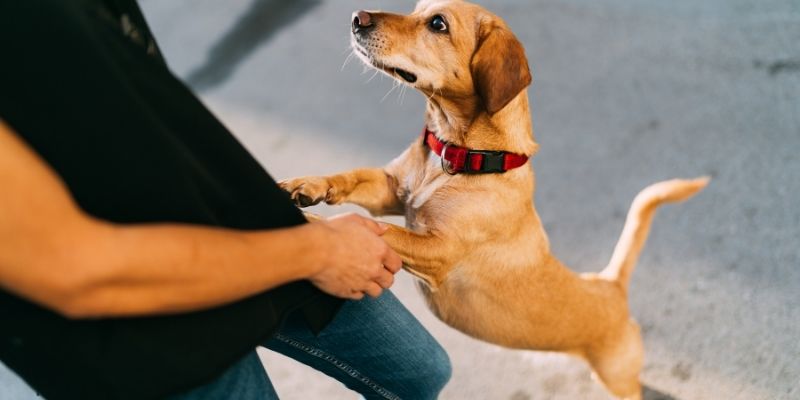
WHEN A DOG INITIATES CONTACT, WAITING AND CALLING THEM ON YOUR TERMS RESTORES CALM AUTHORITY.
Who Leads the Interaction and Who Provides Safety
A dog does not need a boss in the classical sense. He needs a guide, a figure who provides safety, structure, and calmness.
Just as a wolf pup experiences the wolf mother: She protects him, gives him boundaries, gives him love, but also clearly shows what is allowed and what is not. Imagine how a wolf pup would feel if his mother had no authority, if she were confused, if she offered no sense of safety. He would be lost, insecure, and constantly tense. Simultaneously, it is the same with dogs.
An Important Truth
Our task is not only to love the dog. Our task is to give him a framework, a sense of safety, and the feeling that someone is steering the ship.
That is what brings dogs peace. Ultimately, that is the kind of love that calms both humans and dogs.
Thank you for reading.
To discover more about how emotional alignment, balanced lifestyle, and authentic energy restore internal balance, read our canine communication & behavior guidelines.
See you next time.
At Sasha Riess, we look past commercial labels to honor the unique biological blueprint of your companion. True health requires addressing the subtle internal patterns that create lasting vitality and pureloveandharmony. Discover the customized path to your dog’s longevity: Linktree Sasha Riess
by Sasha Riess | 21.09.26. | Behaviour
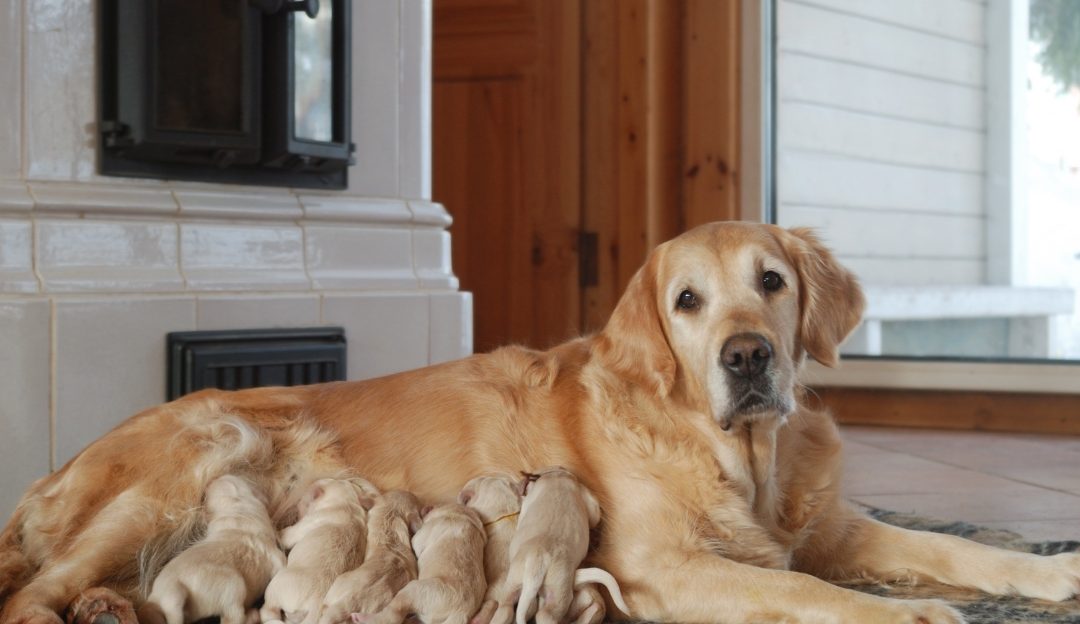
In nature and among free-roaming dogs, a precise biological clock governs the process of giving birth. When a female begins giving birth outdoors, in an open space such as a field or meadow, a series of instinctive reactions triggers immediately. The female will often leave the first puppy where the birth began and then move to a secluded place or shelter to complete the delivery. Consequently, a tragic outcome often occurs for the first puppy, directly resulting from the mother’s specific biological mechanism.
The Cry of the Young and the Biological Block in the Mother
The fearful cry of a newborn represents a universal signal in the animal world. Sheep, cows, and dogs all share a specific sound through which a newborn calls its mother to find and protect it. However, under natural conditions, the mother does not possess the biological “tool” to hear that cry until she completes the entire birth process.
As long as she has not delivered the final pup, that sound receptor in her brain simply remains inactive. Because of this temporary block, the mother stays completely focused on the primary act of bringing new life into the world.
Activation of the Maternal Instinct Only After Birth
Only after she gives birth to the last puppy does this specific mechanism for recognizing sound activate in the mother. She then begins to clearly hear the cries of her young and starts gathering them together in one safe place.
Unfortunately, if she left the first puppy in an open space, help often arrives too late. As considerable time passes after its birth, the first puppy usually succumbs to the cold, hypothermia, or external dangers before the mother returns. Newborn puppies remain extremely sensitive to low temperatures and require a rapid response during their very first minutes of life.
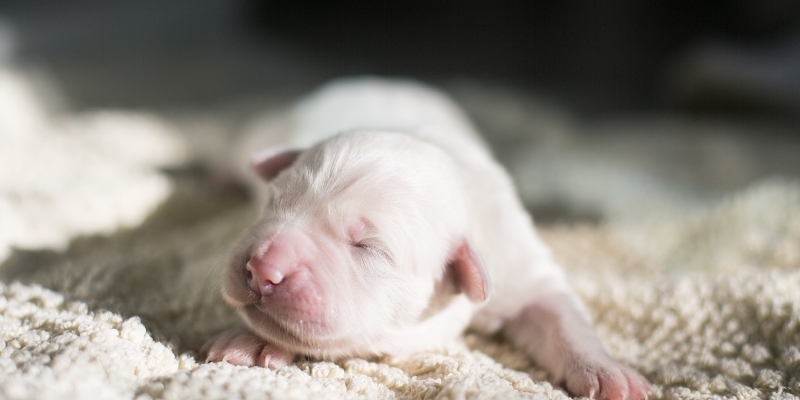
NEWBORN PUPPIES ARE EXTREMELY SENSITIVE TO COLD AND REQUIRE IMMEDIATE WARMTH AND ATTENTION.
Understanding Natural Processes and the Role of Humans
This harsh scenario shows us how the original laws of nature function when humans are not present to assist. Nature arranges for the mother to complete the labor process to preserve the entire litter.
Simultaneously, with domestic dogs, humans hold the responsibility to provide a safe environment and prevent such tragic losses. Therefore, when we understand these deep-seated instincts, we can respond in time and protect every first puppy while the mother safely brings the rest of the litter into the world.
Thank you for reading.
To discover more about how emotional alignment, balanced lifestyle, and authentic energy restore internal balance, read our canine communication & behavior guidelines.
See you next time.
At Sasha Riess, we look past commercial labels to honor the unique biological blueprint of your companion. True health requires addressing the subtle internal patterns that create lasting vitality and pureloveandharmony. Discover the customized path to your dog’s longevity:Linktree Sasha Riess
👉 Follow our Facebook page and never miss our latest articles, news, and updates.
by Sasha Riess | 21.09.26. | Nutrition
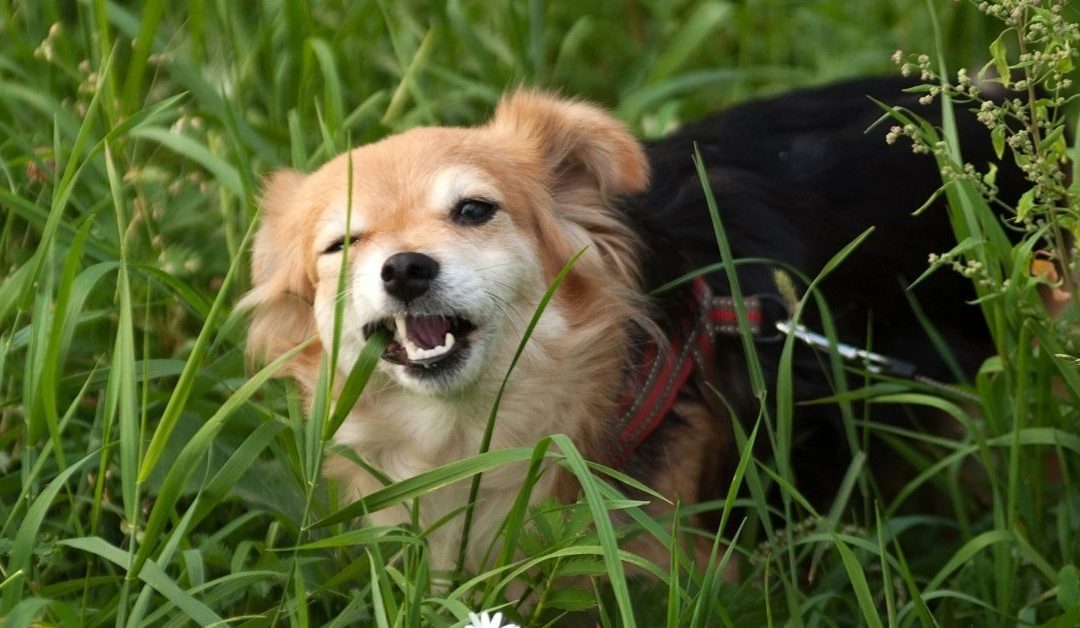
Many dog owners often wonder why dogs eat grass. While it might seem harmless or even odd, this behavior often hides subtle signals your dog is sending about digestion or overall health. Understanding those signals provides the first step in offering true support and relief.
Is It Normal for Dogs to Eat Grass?
Occasional grass-eating occurs commonly among dogs and usually causes no concern. Most often, the reason lies in the digestive system, as dogs instinctively eat grass to soothe stomach discomfort or speed up digestion. Consequently, it sometimes triggers vomiting, a natural detox process that helps the stomach release excess acid or undigested food.
A dog’s stomach produces incredibly strong acid, powerful enough to digest even raw bones. However, this applies only to fresh bones, as cooked ones remain unsafe and cause serious injuries to the digestive tract.
Warning Signs
Frequent grass-eating, vomiting, acid reflux, lip-smacking, or excessive drooling all reveal that the stomach and intestines lack balance. In such cases, owners must respond quickly to help their dogs naturally.
Zeolite as Natural Support
Zeolite serves as a natural mineral that helps detoxify the body and restore intestinal balance. For dogs, it significantly reduces issues such as acid reflux, vomiting, and poor digestion.
How to Prepare Zeolite
Prepare zeolite safely by following these steps:
-
Add one tablespoon of zeolite powder to a glass of water and let it sit overnight.
-
In the morning, collect only the clear water and discard the heavy sediment.
-
Add one tablespoon of this mineral water daily to your dog’s food or drinking water.
Owners can use this method daily for about a month, especially during natural detox periods. Although some manufacturers recommend giving the powder directly, this gentle water preparation offers a simpler, easier option that dogs tolerate much better.
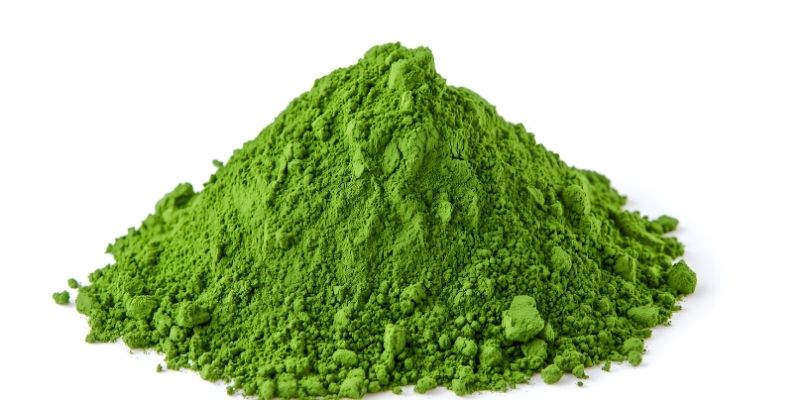
NATURAL DETOX SUPPLEMENTS HELP RESTORE DIGESTIVE BALANCE AND REDUCE ACID REFLUX IN DOGS.
Conclusion – What Does It Mean When a Dog Eats Grass?
A dog that occasionally eats grass doesn’t necessarily suffer from a serious health problem. However, frequent repetition or additional symptoms clearly show that the digestive system needs balance.
Ultimately, natural support like zeolite cleanses the body and strengthens stomach function. Observe your dog carefully and act early to maintain lasting health and vitality.
Thank you for reading.
To discover more about how emotional alignment, balanced lifestyle, and authentic energy restore internal balance, read our canine nutrition guidelines.
See you next time.
At Sasha Riess, we look past commercial labels to honor the unique biological blueprint of your companion. True health requires addressing the subtle internal patterns that create lasting vitality and pureloveandharmony. Discover the customized path to your dog’s longevity: Linktree Sasha Riess
by Sasha Riess | 20.09.26. | Behaviour
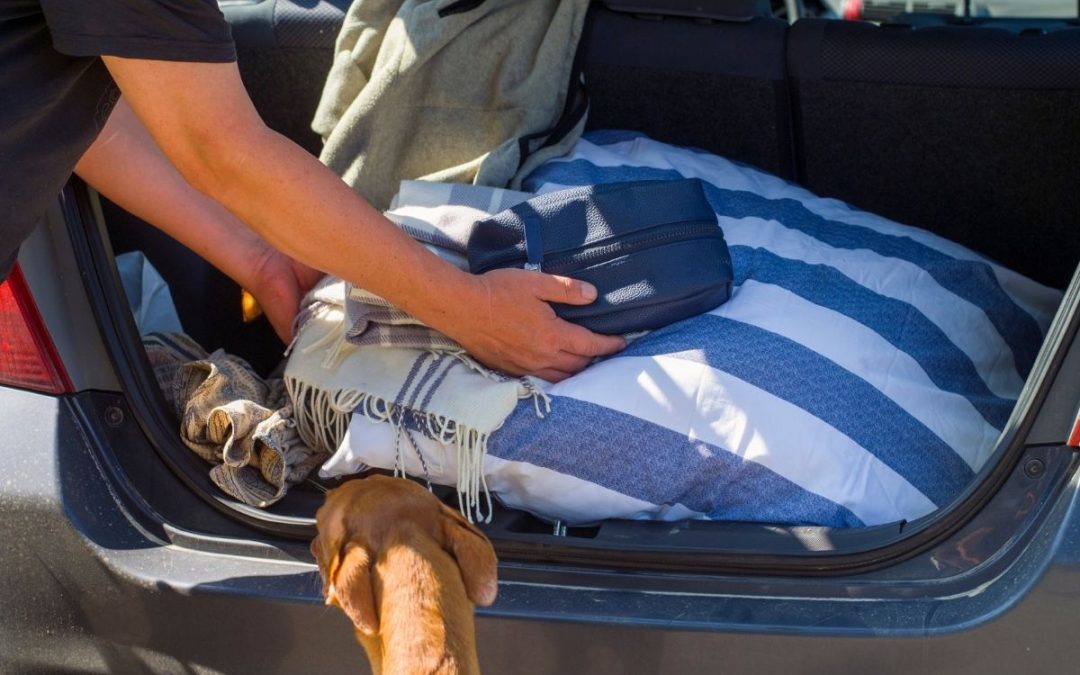
In the show “1000 Whys and 4 Hows,” a viewer asked about dogs that fear car rides. One owner shared that she tried everything — holding her dog in her lap, securing him with a seatbelt, placing him in a carrier — but nothing worked.
This type of fear is not unusual. In fact, many dogs fear car rides because they lack trust that their owner can protect them. They don’t see you as the “pack leader” in control of the situation, so the car becomes a place of uncertainty and danger.
The Ride Begins at Home — Not in the Car
When dogs fear car rides, the solution isn’t in carriers, harnesses, or petting during the trip. The solution lies in the relationship — and that relationship starts at home, not in the car.
From a technical point of view, when driving with your dog, you shouldn’t talk too much, pet him, or hold him. These actions only confirm that there’s a reason to be afraid. Consequently, what you intend as comfort actually reinforces his anxiety.
Instead, use your own calm and stability to communicate safety. Dogs respond to your energy — not your words.
Step One: Start with Yourself
The first step I always recommend to every owner is self-awareness.
Dogs don’t understand punishment or explanations — but they fully understand energy, tone, and intention. Therefore, your inner state sets the emotional tone of the environment.
Step Two: Practice Calm in the Car — Without Words or Music
When you start getting your dog used to the car, follow these steps:
-
Dress him in something slightly snug — if he usually wears a size 3, choose a size 2. Gentle pressure around the chest stimulates the vagus nerve, which has a calming effect.
-
Place him on the back seat and avoid eye contact or verbal interaction.
If he tries to come closer, calmly guide him back with your hand — no words, no emotion. Simultaneously, keep the car silent — no music, no talking — offering only silence and your grounded presence. This teaches your dog that the car is a neutral space, not a source of stress or tension.
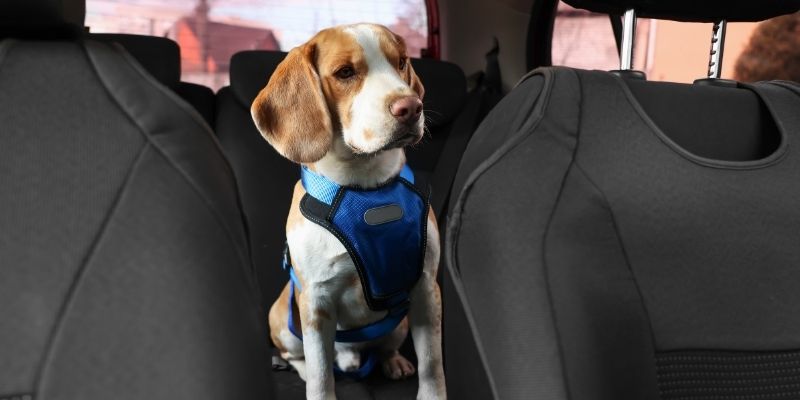
PRACTICING CALM IN THE CAR WITHOUT WORDS OR DISTRACTIONS TEACHES YOUR DOG THAT THE RIDE IS SAFE.
Step Three: Repetition and Trust
Repeat this exercise several times a week without driving. Once your dog appears calm and comfortable, begin taking very short rides — just a few minutes at first, gradually increasing the duration.
Your dog must feel that the ride is safe and that you are centered and in control.
Calm Owner – Calm Dog
A dog that faces fear car rides doesn’t need luxury — he needs security. When you show him that you’re stable, calm, and not overreacting, he begins to trust.
Ultimately, fear isn’t healed through words or force — but through energetic stability and consistency. When we learn to be calm, our dogs recognize it instantly and follow our lead.
Thank you for reading.
To discover more about how emotional alignment, balanced lifestyle, and authentic energy restore internal balance, read our canine communication & behavior guidelines.
See you next time.
At Sasha Riess, we look past commercial labels to honor the unique biological blueprint of your companion. True health requires addressing the subtle internal patterns that create lasting vitality and pureloveandharmony. Discover the customized path to your dog’s longevity:Linktree Sasha Riess
👉 Follow our Facebook page and never miss our latest articles, news, and updates.
by Sasha Riess | 18.09.26. | Behaviour
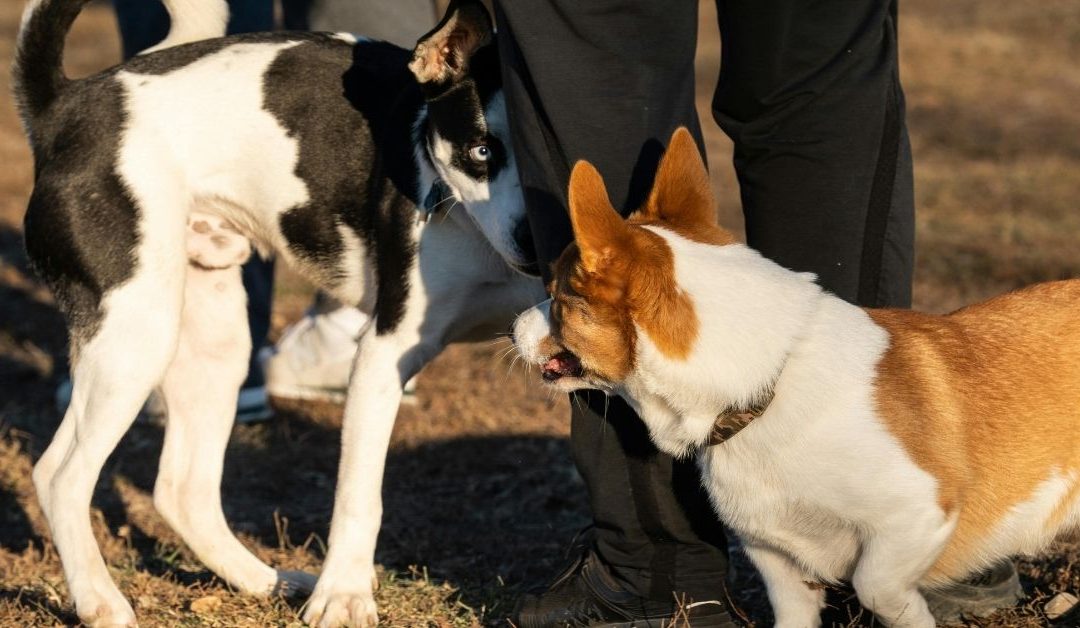
Many owners wonder why a dog licks everything, jumps on people, or shows aggression toward other dogs. The answer often lies in one primary cause — the absence of a stable, trusting bond between the dog and the owner.
When a dog lacks emotional security, it feels responsible for defending both itself and its human. Consequently, that heavy burden — born out of love, not malice — leads to overreactions, stress, and behavioral issues. A calm, confident relationship built on trust and guidance creates the foundation of balance.
Therefore, a dog that feels safe and trusts its person to lead will no longer feel the need to react to every noise, movement, or dog in the distance.
Why Does a Dog Lick or Attack?
When a dog constantly licks, jumps, or clings, it’s not just a habit — it’s active communication. It serves as a way of seeking reassurance, attention, or relief from anxiety. If this behavior occurs alongside aggression toward other dogs or people, insecurity forms the core issue.
The dog believes it must take control and protect its owner because it doesn’t trust that the human remains calm and in charge.
The Three Fear Responses in Dogs
Just like humans, dogs respond to fear in three main ways:
-
Flight — the dog tries to escape the situation but often can’t.
-
Freeze — it becomes stiff and motionless, hoping the discomfort will pass.
-
Fight — when escape or stillness no longer work, aggression becomes the last resort.
Growling, barking, or attacking do not reflect evil intent or dominance — they represent expressions of fear and confusion.
The Owner-Dog Relationship as the Key
A dog’s reactions depend entirely on the quality of the bond it shares with its human. If the dog feels alone while facing the world, it develops defensive patterns: barking at everything, lunging at other dogs, or fixating on sounds and movements.
Simultaneously, when the dog builds a secure emotional attachment with its owner — one based on trust, clarity, and calm leadership — it naturally relaxes. Consequently, it no longer needs aggression to feel safe.
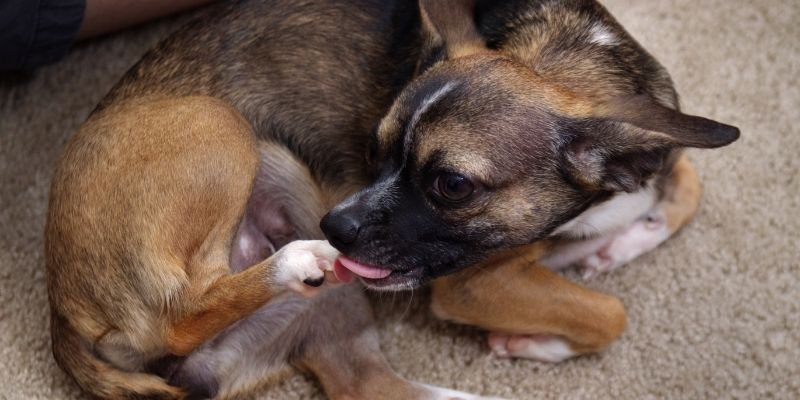
EXCESSIVE LICKING IS OFTEN A SIGNAL OF ANXIETY, REASSURANCE-SEEKING, OR EMOTIONAL UNREST.
How to Correct Behavioral Problems
Correcting these patterns requires a thoughtful approach:
-
Consistency and patience — the dog must feel that its owner maintains control, calmly and predictably.
-
Rituals and routine — feeding, walking, and playtime at regular hours create true security.
-
Positive reinforcement — reward calm and appropriate behavior; repetition builds new habits.
-
Gradual socialization — introduce new dogs and people in controlled, low-stress environments.
Trust: The Foundation of a Happy Dog
Behaviors such as excessive licking, attacking, or constant barking aren’t signs of a “bad dog.” They serve as clear signals — the dog is seeking safety and understanding.
Ultimately, when you build trust, provide structure, and become the calm center your dog can rely on, everything changes. Your dog becomes peaceful, confident, and deeply connected — not because it’s been trained to obey, but because it finally feels safe to simply be.
Thank you for reading.
To discover more about how emotional alignment, balanced lifestyle, and authentic energy restore internal balance, read our canine communication & behavior guidelines.
See you next time.
At Sasha Riess, we look past commercial labels to honor the unique biological blueprint of your companion. True health requires addressing the subtle internal patterns that create lasting vitality and pureloveandharmony. Discover the customized path to your dog’s longevity: Linktree Sasha Riess
👉 Follow our Facebook page and never miss our latest articles, news, and updates.
by Sasha Riess | 18.09.26. | Nutrition
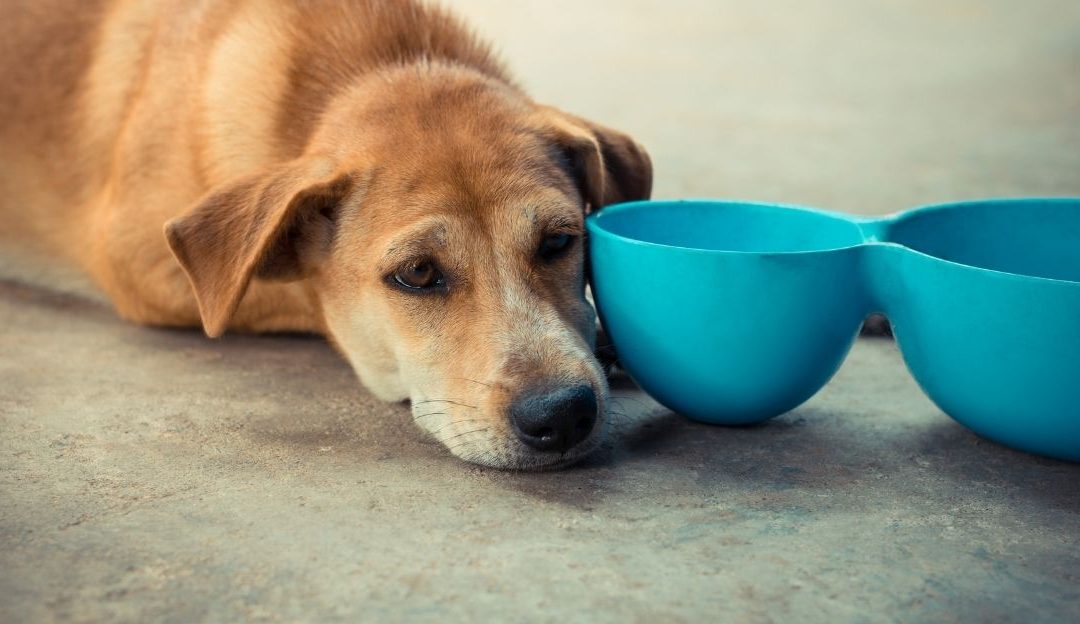
Many owners, with the best intentions, feed their dog at the exact same hour every day, most often after returning from work. What looks like routine and order, however, can create a strong conditioned reflex in the dog. Consequently, this habit turns into a serious behavioral and digestive issue over time.
A dog does not know that you are running late. The dog only knows that food arrives at five o’clock.
Therefore, allowing a dog to eat at the same time every day creates unnatural expectations.
How Digestive Problems Are Created
If you feed your dog every day at, for example, 5 p.m., the body adapts to that rigid rhythm:
-
stomach acid secretion begins around 4:30 p.m.
-
the organism prepares for a meal
-
the digestive system switches on
If the food does not arrive because you are stuck in traffic, working late, or delayed, stomach acid remains without food to digest. The result can be:
At that point, a conditioned reflex turns into an automatic physical reaction. The body no longer asks whether food is coming. It simply reacts.
A Dog Should Not Know the Exact Time of Feeding
The goal is not to stop feeding the dog. The goal is for the dog to know that food will come, but not exactly when.
In nature, dogs do not eat by the clock. Their bodies are adaptable, but when dogs eat at the same time every day, we teach them something unnatural. A dog that does not know the exact feeding time:
-
does not experience stress while waiting
-
does not produce excessive stomach acid
-
does not develop food-related anxiety
-
adapts more easily to changes in your daily life
How to Stop Feeding a Dog at the Same Time Every Day
The solution is simple, but it requires consistency:
-
one day feed the dog before leaving for work
-
the next day feed only after returning home
-
another day feed in the morning and stay home longer
-
one day skip a meal or let another person feed the dog
Simultaneously, observe your dog’s reaction during transition. Do not panic if the dog vomits foam the first time. This outcome shows that the reflex existed, not that you are doing something wrong.
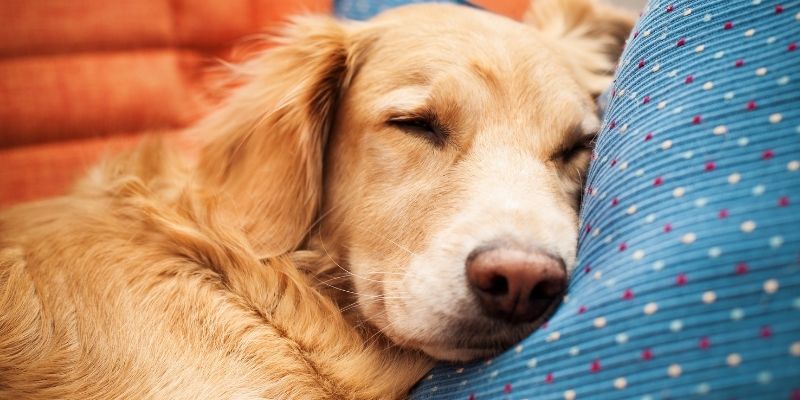
BREAKING THE FIXED SCHEDULE HELPS YOUR DOG REMAIN CALM, BALANCED, AND FREE FROM FOOD ANXIETY.
Organize Life, Not the Clock
A dog that does not know the exact feeding time is more stable. It is important for the dog to understand this: Food comes, but not by the clock.
Ultimately, a dog should adapt to family life, not the family to the dog’s feeding schedule. When you achieve this balance, the dog stays calmer, the digestive system operates more smoothly, and you gain true freedom. Routine is good. Fixed feeding times are not.
Thank you for reading.
To discover more about how emotional alignment, balanced lifestyle, and authentic energy restore internal balance, read our canine nutrition guidelines.
See you next time.
At Sasha Riess, we look past commercial labels to honor the unique biological blueprint of your companion. True health requires addressing the subtle internal patterns that create lasting vitality and pureloveandharmony. Discover the customized path to your dog’s longevity: Linktree Sasha Riess
👉 Follow our Facebook page and never miss our latest articles, news, and updates.
by Sasha Riess | 16.09.26. | Coat Care
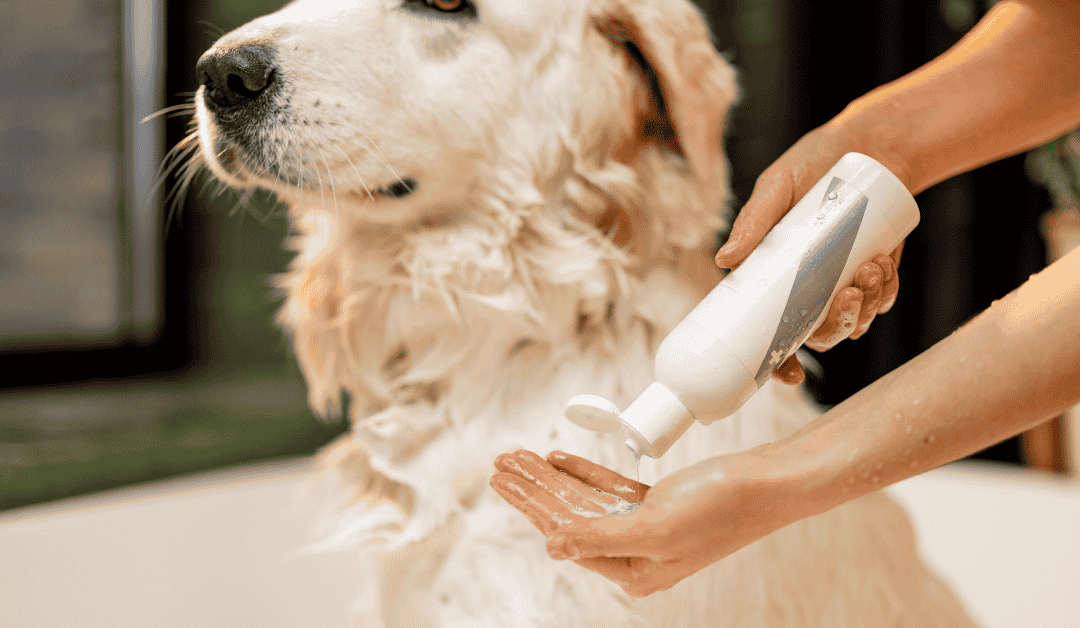
In most cases, the problem isn’t dirt — it’s the lack of conditioner. When owners ask, „why does my dog smell after a bath?“, the answer often lies in how shampoo removes not only dirt but also the skin’s natural oils, known as lanolin. Without restoring that protection, the coat becomes dry, and the body starts producing lanolin again — which can quickly lead to an unpleasant odor.
The Role of Lanolin
A dog’s skin and coat feature a natural protective layer of lanolin — a fatty substance that maintains balance and prevents dryness. Shampoo removes it during washing, and unless you replenish it with a conditioner, the body compensates by secreting even more oil.
Consequently, dogs sometimes start to smell again just a day or two after bathing.
Why Using Conditioner Matters
Conditioner helps:
-
Replenish the natural oils removed during washing
-
Hydrate the skin and coat
-
Prevent dryness and irritation
-
Keep the balance of lanolin production under control
Therefore, conditioners gradually release moisture, allowing the coat to stay soft, hydrated, and fresh for several days. Conditioner restores lanolin and keeps the skin moisturized.
Recommended Bathing Frequency
If you use shampoo and conditioner properly:
Simultaneously, avoid over-bathing, as removing lanolin too frequently can dry out the skin and coat, leading to irritation or dandruff.
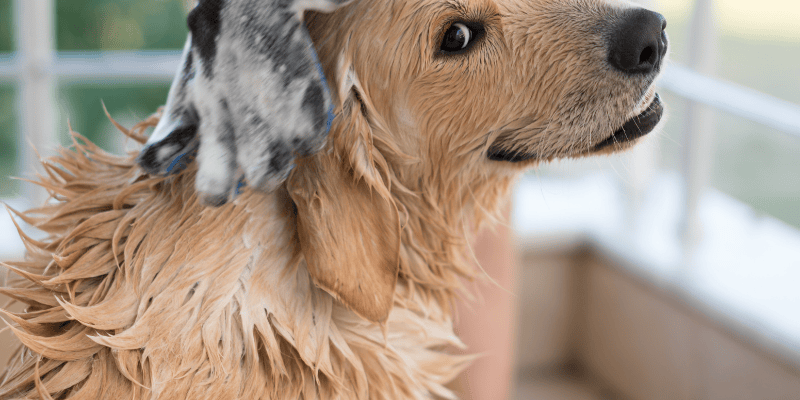
PROPER RINSING AND BALANCED COAT CARE PREVENT DRYNESS AND KEEP CANINE SKIN HEALTHY.
Tips for Lasting Freshness
-
Always rinse shampoo thoroughly before applying conditioner.
-
Use conditioner according to the product instructions.
-
Observe your dog’s skin — if it becomes dry or flaky, reduce bathing frequency.
-
Never use human products on dogs — they do not match the pH balance of canine skin and can damage the natural lanolin barrier.
Conclusion
Ultimately, proper coat care isn’t just about cleanliness — it’s about balance. When you protect the natural oils and support the skin’s hydration, your dog will stay clean, shiny, and smell fresh longer.
Thank you for reading.
To discover more about how emotional alignment, balanced lifestyle, and authentic energy restore internal balance, read our canine coat care guidelines.
See you next time.
At Sasha Riess, we look past commercial labels to honor the unique biological blueprint of your companion. True health requires addressing the subtle internal patterns that create lasting vitality and pureloveandharmony. Discover the customized path to your dog’s longevity: Linktree Sasha Riess
👉 Follow our Facebook page and never miss our latest articles, news, and updates.
by Sasha Riess | 16.09.26. | Wellbeing
When someone mentions a dog with loose teeth, it almost always turns out the problem isn’t just dental. The question asked on the show “1000 Whys and 4 Hows” — why dogs’ teeth become loose — actually leads much deeper, to the mineral balance within the body.
I’ve spoken about this many times, and I keep returning to it, because understanding this connection is where true canine health begins.
Calcium–Phosphorus Imbalance
When excess copper depletes magnesium, the delicate balance between calcium and phosphorus becomes disturbed. Consequently, when those minerals fall out of alignment, the body begins drawing calcium from the bones.
This creates a paradox — the body has too much calcium in circulation, yet the bones and teeth become fragile. Therefore, the supporting bone tissue in the gums weakens and becomes porous, which is why many owners notice a tooth that’s suddenly loose for no apparent reason.
Copper Toxicity and Magnesium Deficiency
An overload of copper almost always indicates a magnesium deficiency, which affects how calcium binds in tissues. Simultaneously, the body stores calcium where it doesn’t belong — in soft tissues instead of bones.
This imbalance also leads to plaque buildup. When the body excretes calcium in higher amounts, it hardens the plaque into tartar. Dental tartar isn’t just cosmetic — it signals magnesium deficiency and often copper toxicity.
The Oral Microbiome and Gum Health
A dog’s mouth has its own microbiome, just like the gut. When the biodiversity of that microbiome loses its balance, previously harmless bacteria become opportunistic. Consequently, they start causing gum inflammation and the breakdown of tissue that holds the teeth in place.
The copper–zinc ratio plays a key role in immune function. When copper dominates, immunity weakens, gums become sensitive, and the oral microbiome loses its natural stability.
Stress, Hormones, and the Adrenal Glands
An imbalance between sodium and potassium indicates overactive adrenal glands — a sign of chronic stress. Dogs living under stress often show weakened immunity, which worsens dental and gum conditions.
When all four of these relationships — calcium and phosphorus, magnesium and copper, zinc and copper, sodium and potassium — suffer disturbance, the result creates a cascade of problems: loose teeth, bleeding gums, and systemic imbalance.
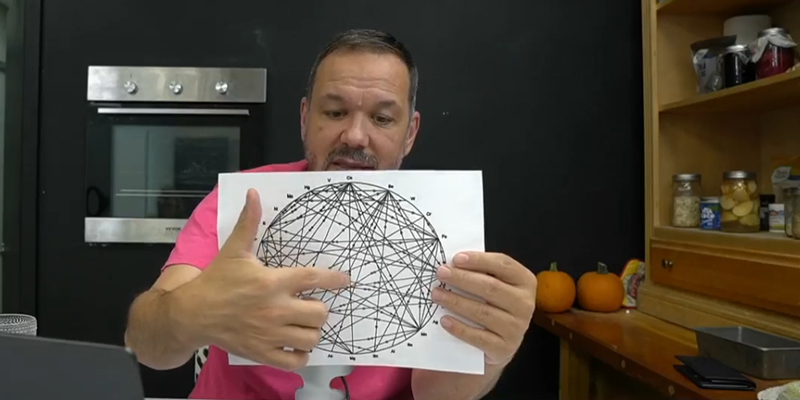
UNDERSTANDING MINERAL RELATIONSHIPS LIKE COPPER, MAGNESIUM, AND CALCIUM IS ESSENTIAL FOR CANINE HEALTH.
The First Step Toward Healing
Healing, as always, begins with understanding.
A dog’s body reflects its internal chemistry. When we see behavioral issues — pulling on the leash, barking, fear, or aggression — they often mirror physiological imbalances that have already taken root.
Ultimately, loose teeth, elevated urea, or skin problems are all different expressions of the same inner disbalance. Once we address the mineral harmony — especially copper, magnesium, and zinc — the entire organism can begin to restore itself naturally.
Thank you for reading.
To discover more about how emotional alignment, balanced lifestyle, and authentic energy restore internal balance, read our canine wellbeing guidelines.
See you next time.
At Sasha Riess, we look past commercial labels to honor the unique biological blueprint of your companion. True health requires addressing the subtle internal patterns that create lasting vitality and pureloveandharmony. Discover the customized path to your dog’s longevity: Linktree Sasha Riess
👉 Follow our Facebook page and never miss our latest articles, news, and updates.

by Sasha Riess | 15.09.26. | Emotions
Love is an inner feeling that does not depend on someone’s physical presence in our lives. We can love a tree, a friend, or a partner because love springs from our own soul. However, when the loss of a dog occurs, the pain we feel often exceeds all our physical and emotional capacities.
Many people then wonder why is the loss of a dog so painful and why it breaks us to such an extent. The answer lies in the deep emotional bond and the role a dog unconsciously assumes within our family.
A Dog as an Emotional Conduit for Suppressed Love and Grief
Our dogs are not merely animals that live in our homes. Through our dogs, we often unconsciously connect with parents, siblings, and loved ones who are no longer with us. Consequently, when we hug or pet a dog, we express tenderness toward all those beloved beings who have already left this world.
A spontaneous kiss or the touch of a dog’s fur becomes a conduit for the love we never had the chance to fully share. Simultaneously, a dog accepts that emotion without any conditions and provides a safe haven for our inner grief.
Why Does the Loss of a Dog Reopen Old and Unhealed Wounds?
When a dog leaves this world, it is not only a beloved pet that is gone. Along with that loss, all the suppressed grief we carry deep within ourselves begins to resurface. Therefore, every loss of a dog reopens old sorrow connected to deceased family members and unspoken words.
That is why the pain is so intense, tragic, and long-lasting. We are not grieving for just one being. We are reliving all the family wounds we have carried throughout our lives. It is a profound sadness that remains in our hearts forever.

HONORING THE BOND WE SHARED ALLOWS US TO ACCEPT THE PAIN AND HEAL OUR SOUL.
Understanding and Accepting Deep Emotional Pain
It is truly important not to underestimate the pain we feel after losing a pet. Society often views the loss of a dog as an ordinary event, but for the soul, it represents a deeply emotional upheaval. We must allow ourselves to grieve that love and accept all the emotions that rise to the surface.
Ultimately, accepting that pain allows us to heal and honor that extraordinary bond. Our dogs enter our lives for a reason, leaving us with the ability to love more deeply and more purely than ever before.
Thank you for reading.
To discover more about how emotional alignment, balanced lifestyle, and authentic energy restore internal balance, read our canine emotion and behavior guidelines.
See you next time.
At Sasha Riess, we look past commercial labels to honor the unique biological blueprint of your companion. True health requires addressing the subtle internal patterns that create lasting vitality and pureloveandharmony. Discover the customized path to your dog’s longevity: Linktree Sasha Riess
👉 Follow our Facebook page and never miss our latest articles, news, and updates.
by Sasha Riess | 14.09.26. | Emotions
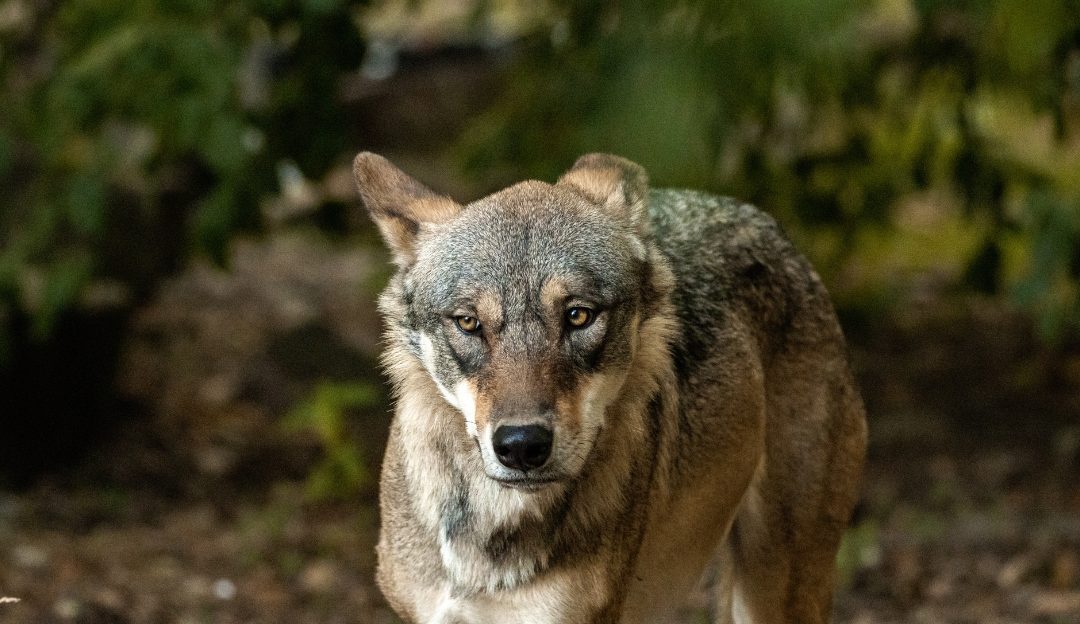
In nature, deep and harsh laws ensure the survival of the community. Many people view relationships among animals purely through an emotional lens. However, the natural order functions on the foundations of deep wisdom and responsibility for the whole.
When we observe the lives of wild animals, we notice a fascinating pattern of behavior during times of crisis. Understanding why a wounded wolf does not immediately return to its den carries a powerful message about leadership, personal responsibility, and protecting one’s pack.
The Responsibility of a Leader and the Protection of the Entire System
A true leader must always look at the bigger picture and protect the stability of the group. If a leader allows weaknesses and destructive influences to disrupt the system, the entire pack faces great danger. In the wild, a wounded individual carries the scent of blood and displays clear signs of weakness.
Consequently, if such a wounded wolf returns to the den, rival packs immediately sense its vulnerability. Therefore, this situation attracts enemies and leads to an attack in which the entire community suffers.
Withdrawing Into Solitude as an Act of Love for the Pack
Just as elephants in old age or illness move far away from their herd, wolves also withdraw into isolation. This withdrawal is not a sign of rejection or surrender. Rather, it represents a deeply instinctive act through which an individual protects its family from additional burden and risk.
By withdrawing into solitude, the wounded individual takes full responsibility for its own healing. Simultaneously, it conserves the resources of its community and gives itself peace without exposing others to danger.
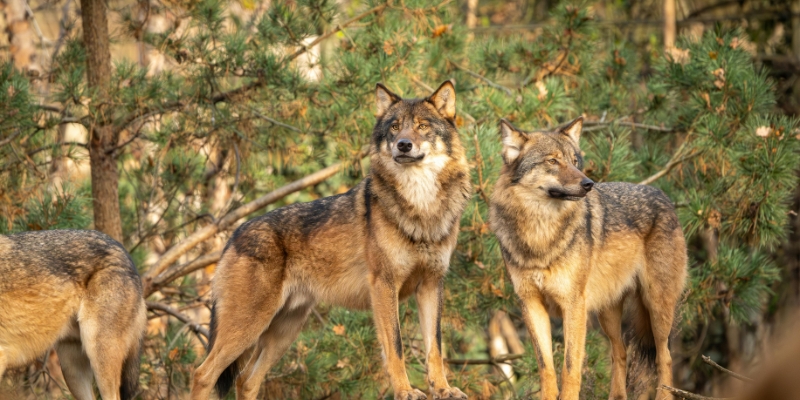
TRUE LEADERSHIP AND EMOTIONAL MATURITY PROTECT THE STABILITY AND SAFETY OF THE ENTIRE COMMUNITY.
Returning to the Community After Full Recovery
Healing requires time, silence, and dedication to one’s own recovery. When the wounded wolf manages to survive, heal its wounds, and regain its strength, the path back opens again. It then returns to the pack with renewed strength and receives a warm welcome.
Ultimately, this natural metaphor teaches us an extremely important life lesson. Before we seek refuge in the community, we must heal our own inner wounds so that we do not endanger the people we love.
Thank you for reading.
To discover more about how emotional alignment, balanced lifestyle, and authentic energy restore internal balance, read our canine emotion and behavior guidelines.
See you next time.
At Sasha Riess, we look past commercial labels to honor the unique biological blueprint of your companion. True health requires addressing the subtle internal patterns that create lasting vitality and pureloveandharmony. Discover the customized path to your dog’s longevity:Linktree Sasha Riess
👉 Follow our Facebook page and never miss our latest articles, news, and updates.