by Sasha Riess | 05.10.26. | Nutrition
Many owners spend a great deal of time, energy, and money on shampoos and external products to improve the appearance of their companion’s coat. However, once the coat has already washed out and pigment has faded, external care no longer works miracles. External treatments provide only a temporary and superficial change. Consequently, understanding where is inner beauty created helps us realize that true transformation always begins deep within the body and depends on the overall health of the entire system.
The Microbiome and Gut: The Source of Canine Beauty
The answer to where your dog’s beauty originates remains remarkably simple: in the gut and its microbiome. A balanced microbiome enables proper digestion and ensures complete absorption of vital nutrients from food.
When the digestive tract functions perfectly, the body receives all the essential building blocks needed to regenerate skin and fur. On the other hand, a disrupted microbiome immediately displays external symptoms like a dry coat, pigment loss, dandruff, and excessive shedding.
Therefore, the gut serves as the foundation upon which overall health and external appearance rest.
How Nutrition and Supplements Transform Coat Roots
When we change our approach to nutrition and add biologically appropriate supplements, results quickly become visible on the skin itself. By parting the coat, owners observe the growth of completely new, exceptionally dense, and strong fibers.
The new coat close to the skin develops a deeper color, natural shine, and significantly better texture. This visible change confirms that inner beauty represents a direct consequence of internal health and proper care of digestive organs. Simultaneously, instead of masking superficial imperfections, we must invest in food that actively restores the body from within.
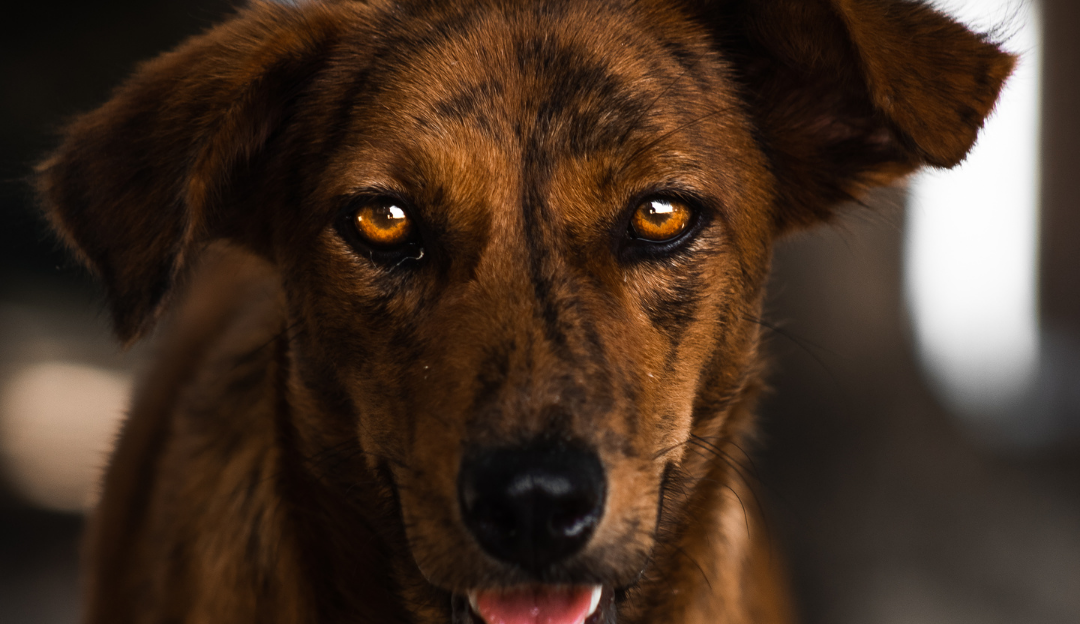
A LUSH, SHINY COAT IS A DIRECT NATURAL RESULT OF INNER BALANCE AND PROPER DIGESTIVE HEALTH.
External Shine as a Natural Result of Internal Balance
A dog’s beauty does not represent an aesthetic project that owners solve with scissors and cosmetics alone. It reflects the natural result of a healthy body in complete balance. When you provide your dog with proper support through fresh food and a balanced microbiome, the body responds with a lush, resilient coat.
Ultimately, reject short-term cosmetic solutions and dedicate your effort to building health from the very root. In this way, you ensure that your dog shines with full beauty, both from within and on the outside.
Thank you for reading.
To discover more about how emotional alignment, balanced lifestyle, and authentic energy restore internal balance, read our holistic health & nutrition guidelines.
See you next time.
At Sasha Riess, we look past commercial labels to honor the unique biological blueprint of your companion. True health requires addressing the subtle internal patterns that create lasting vitality and pureloveandharmony. Discover the customized path to your dog’s longevity: Linktree Sasha Riess
by Sasha Riess | 04.10.26. | Behaviour
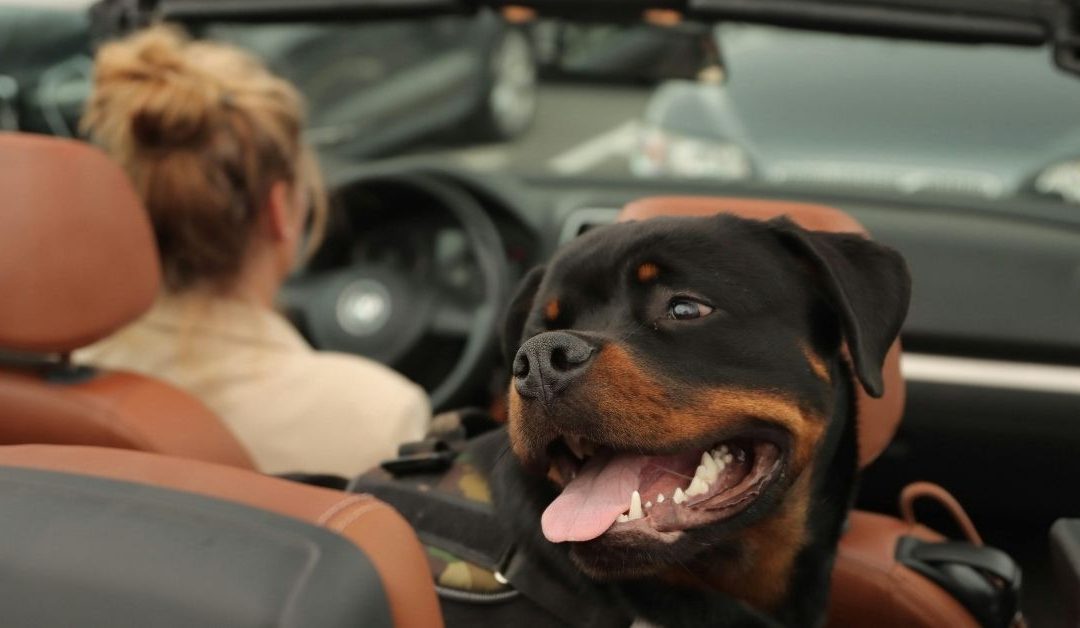
People often ask: are there truly dangerous dog breeds? Pit Bulls, Staffordshire Terriers, Dobermans, and Rottweilers frequently become the target of heavy prejudice. However, the truth reveals that no breed remains dangerous by nature. Consequently, understanding which dogs are dangerous requires examining human influence, upbringing, neglect, and the owner’s emotional stability.
Dogs act as a direct reflection of the people they live with. When an owner fails to process their own trauma, fears, or emotional blockages, the dog steps into the role of protector — and develops behaviors that appear aggressive or unpredictable.
Are Pit Bulls Dangerous?
A Pit Bull, like any other breed, acts gentle, loyal, and affectionate when raised properly. It is not the breed that carries danger, but the way humans treat the dog. Improper socialization, aggressive training, or neglect all lead directly to serious behavioral issues.
Therefore, breed labels distract from the real issue: human responsibility and proper upbringing.
Dogs and Emotional Connection with Their Owners
Dogs remain highly sensitive to their owner’s emotional state. When a person stays trapped in unresolved emotions or chronic stress, the dog senses it and immediately takes on the protector role.
This shift often leads to unpredictable behavior — barking, jumping, attacking, or withdrawal. In my book On Dogs and Awakening, I emphasize that a manual of communication exists between human and dog. If the owner fails to establish healthy, clear communication, the dog becomes trapped in the exact same emotional loop.
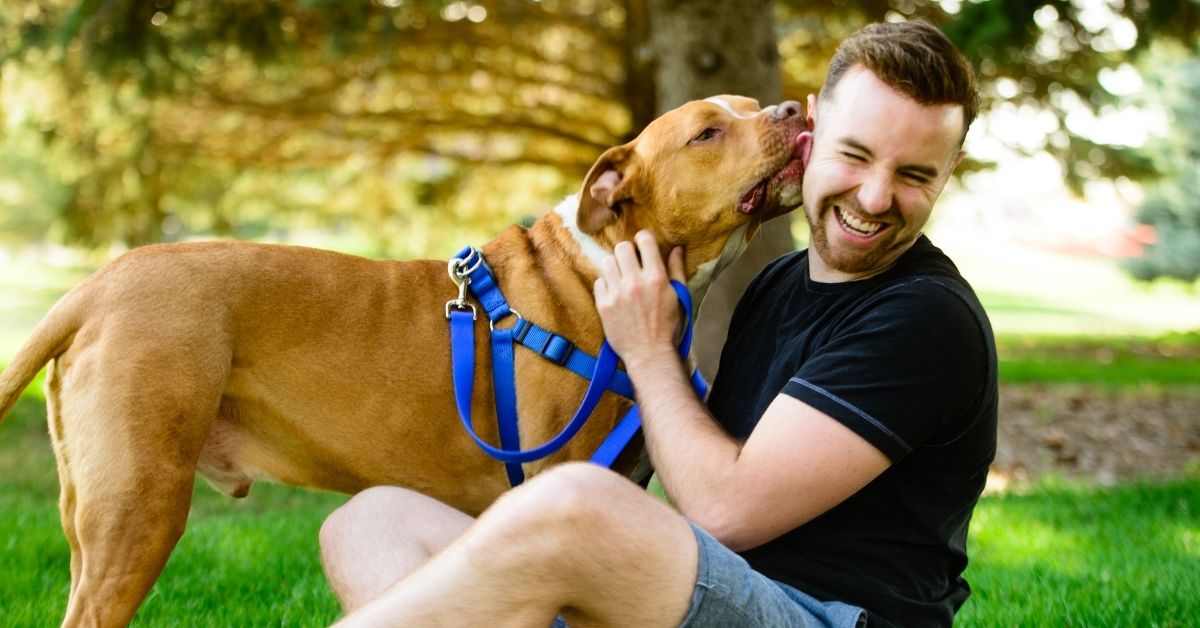
PIT BULLS SHOW AFECCTION AND DEVOTION WHEN RAISED WITH CONSISTENT, LOVING LEADERSHIP.
Who Is Truly „Dangerous“?
There are no dangerous dogs — only dangerous people who do not know how to manage their emotions, relationships, and lives. Simultaneously, when a person neglects themselves and their dog, both suffer together. The dog becomes unstable, and the owner remains emotionally unbalanced.
The Key to a Peaceful Relationship with Your Dog
A Pit Bull or any other breed does not possess a dangerous nature. The real danger lies in what humans unconsciously project onto their dogs — fear, trauma, or aggression. Ultimately, the key to a balanced and peaceful dog lies in a responsible, consistent, and loving owner.
Thank you for reading.
To discover more about how emotional alignment, balanced lifestyle, and authentic energy restore internal balance, read our canine communication & behavior guidelines.
See you next time.
At Sasha Riess, we look past commercial labels to honor the unique biological blueprint of your companion. True health requires addressing the subtle internal patterns that create lasting vitality and pureloveandharmony. Discover the customized path to your dog’s longevity: Linktree Sasha Riess
👉 Follow our Facebook page and never miss our latest articles, news, and updates.
by Sasha Riess | 02.10.26. | Behaviour
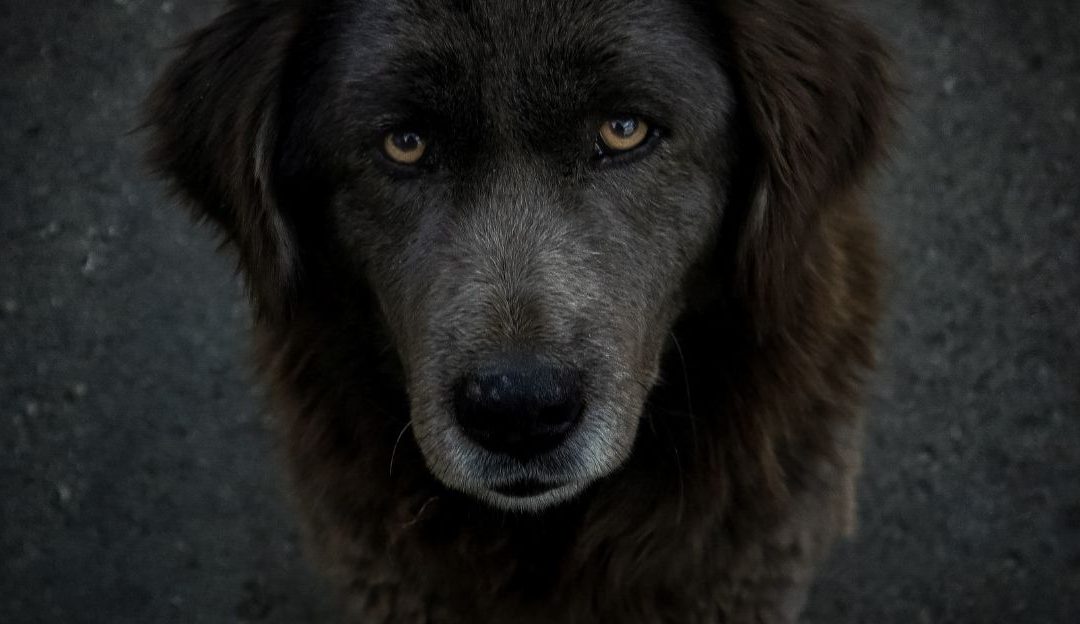
When a dog refuses to come when called, especially outdoors, many owners immediately assume they are doing something wrong. However, the dog rarely acts out of pure disobedience. Most of the time, the dog makes a decision based on the dynamics of the relationship with the owner and past experiences. Consequently, understanding why a dog refuses to come when you call helps us see that a refusal never happens by accident — it always has a clear underlying reason.
Establishing Structure and Feeding Rituals at Home
For a dog to truly want to come when you call, the exercise must begin at home. The first step involves establishing a clear feeding ritual. After you take your bite and prepare the dog’s meal, take a few steps backward and call your dog to come to you.
Even if the dog already follows you, stating the command clearly before placing the food down remains essential. When the dog finishes eating and moves away from the bowl, you lift the bowl away. Therefore, this process creates structure and teaches the dog that your invitations carry real meaning.
Using Intentional Rewards for Clear Communication
Rewards serve as a powerful tool, but only when you use them correctly. A treat should never exist as something constantly available. Instead, the dog must earn a reward through specific, desirable behavior.
That is why you should ideally reward the dog every time it comes when called, and never in any other situation. Food acts as a sacred channel of communication for dogs, so owners must use it with intention and absolute clarity.
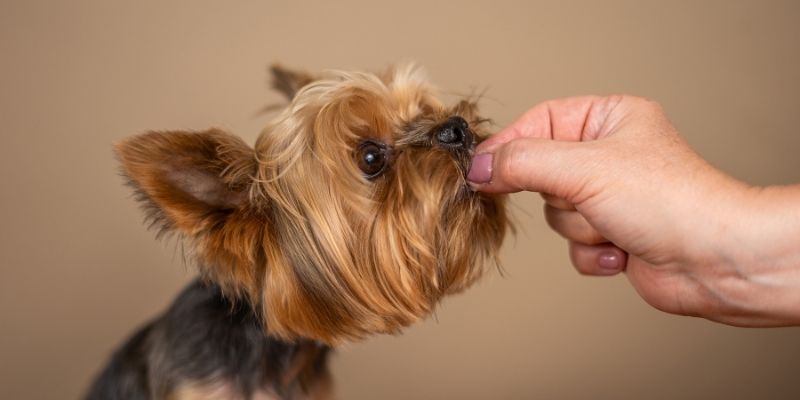
REWARDS SHOULD BE EARNED THROUGH SPECIFIC BEHAVIORS TO MAKE YOUR CALL THE MOST VALUABLE SIGNAL.
Building Predictability and Value Outdoors
Through this structured process, the dog learns that coming when called always brings something positive, predictable, and safe. Once you establish these rituals at home, they gradually extend to outdoor situations as well.
Simultaneously, remember that a dog does not ignore your call on purpose. The dog simply follows what its inner experience tells it is more important in that specific moment. Ultimately, your task involves making your call the most valuable signal in your dog’s entire environment.
Thank you for reading.
To discover more about how emotional alignment, balanced lifestyle, and authentic energy restore internal balance, read our canine communication & behavior guidelines.
See you next time.
At Sasha Riess, we look past commercial labels to honor the unique biological blueprint of your companion. True health requires addressing the subtle internal patterns that create lasting vitality and pureloveandharmony. Discover the customized path to your dog’s longevity: Linktree Sasha Riess
Comfort bundle prebiotics and probiotic supplement gut health aid your dog’s immune and digestive systems
by Sasha Riess | 01.10.26. | Behaviour
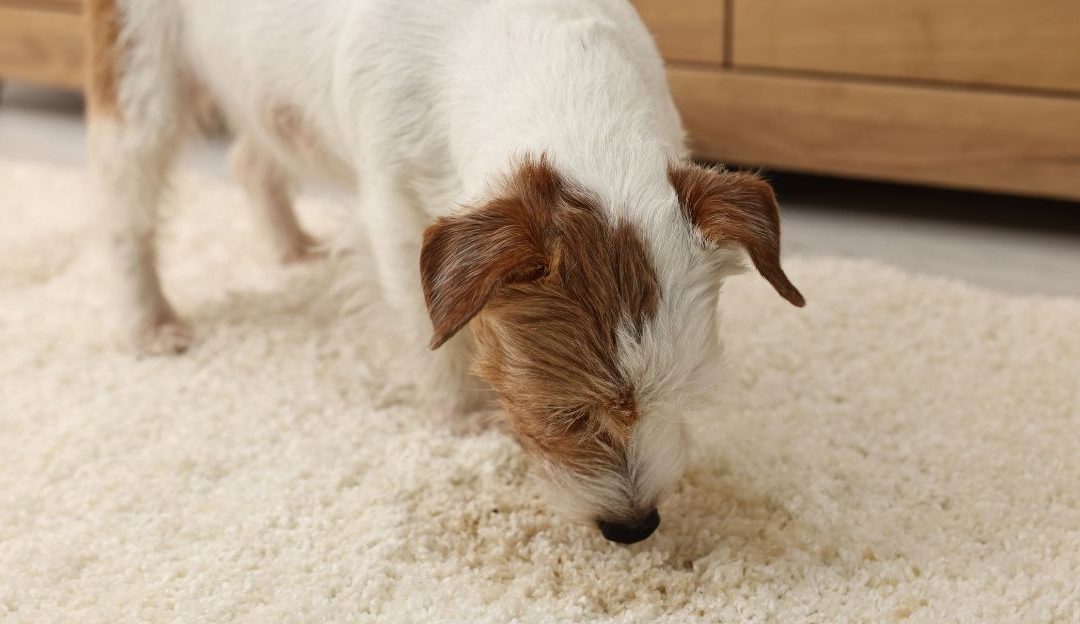
A sudden change in urination habits in a dog who previously maintained perfect house manners often confuses owners. When a dog begins urinating indoors, the reason may be medical, hormonal, emotional, or behavioral. In adult dogs, especially intact males, urination also serves as territorial marking. Consequently, understanding why a dog starts urinating indoors requires ruling out medical issues first and then observing the dog’s behavior and specific situations where accidents occur.
Medical Reasons Why a Dog May Begin Urinating Indoors
Before assuming disobedience, checking for underlying medical causes remains critical. Urinary tract infections, kidney problems, diabetes, or inflammation lead to sudden, frequent urination. A simple urine or blood test gives a clear picture of whether the dog experiences a physical problem that makes holding the bladder difficult.
When a medical issue exists, the problem is not behavioral but reflects real physical discomfort.
Behavioral Causes: Dominance, Marking, and Attention Seeking
In sexually mature dogs, urination often serves as territorial marking. This occurs especially in males who have not undergone neutering.
Sometimes a dog urinates indoors because it is:
If the dog realizes that urinating elicits a reaction, even a negative one, it continues using this behavior as a tool to attract attention.
Why You Should Not Punish a Dog for Urinating Indoors
Punishment consistently makes the problem worse. The dog begins to associate urination with fear and internal tension. Instead of understanding that the behavior is unwanted, the dog learns that urinating triggers interaction with the owner and provokes a reaction.
Ignoring the behavior proves far more effective because the dog receives nothing in return. Therefore, quietly clean the area without eye contact, and positively reward the dog every time it urinates outside.
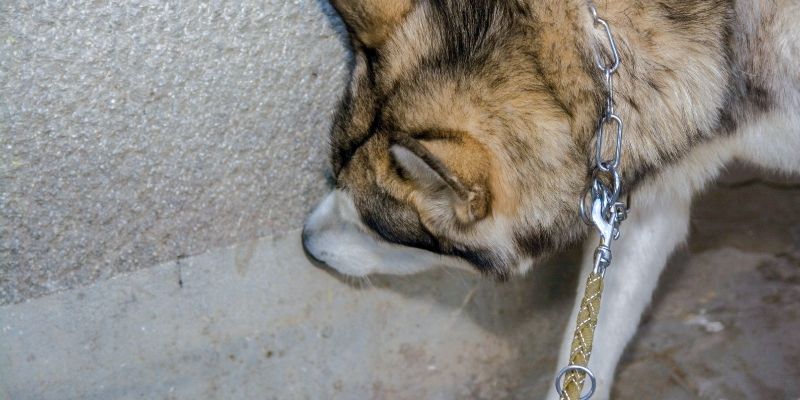
ESTABLISHING REGULAR ROUTINES AND CLEANING MARKED AREAS WITH ENZYMATIC CLEANERS PREVENTS REPEATED ACCIDENTS.
How to Resolve the Problem and Restore Healthy Habits
To prevent the dog from continuing to urinate indoors, follow these essential steps:
-
rule out medical problems first
-
consider neutering if the dog remains intact
-
establish a clear routine for walks and bathroom breaks
-
reduce emotional triggers such as stress, household changes, or new pets
-
regularly clean marked areas with enzymatic cleaners
-
avoid punishment and reward successes instead
Simultaneously, addressing emotional security and establishing predictable boundaries help rebuild confidence. Ultimately, when we remove health concerns and handle accidents calmly, our dogs easily return to their previous clean habits.
Thank you for reading.
To discover more about how emotional alignment, balanced lifestyle, and authentic energy restore internal balance, read our canine communication & behavior guidelines.
See you next time.
At Sasha Riess, we look past commercial labels to honor the unique biological blueprint of your companion. True health requires addressing the subtle internal patterns that create lasting vitality and pureloveandharmony. Discover the customized path to your dog’s longevity: Linktree Sasha Riess
by Sasha Riess | 30.09.26. | Behaviour
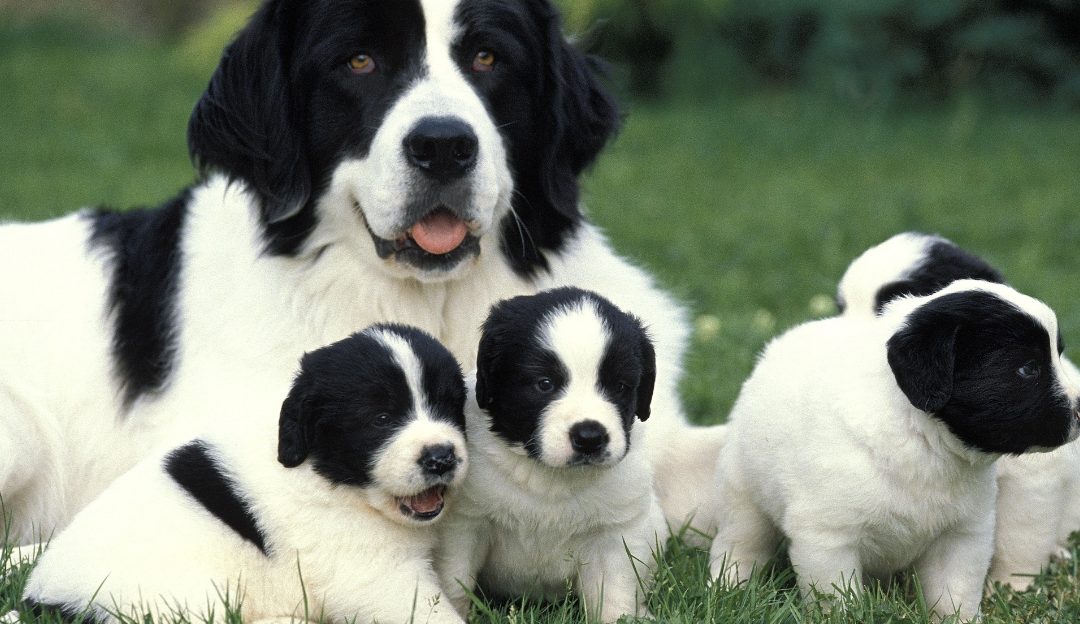
In the world of professional dog breeding, mating combinations involving extremely close relatives often occur. Breeding a mother with her son or a father with his daughter provokes strong reactions and misunderstanding among the general public. Consequently, understanding why are dogs bred with close relatives reveals whether this practice strengthens quality or consciously exposes hidden genetics to unnecessary risk.
Breeders use this practice when introducing completely new bloodlines or a new female into their genetics. Understanding this process unveils the true biological mechanics behind linebreeding.
Introducing a New Line and Identifying Genetic Defects
When a breeder purchases a high-quality female and introduces her into their kennel, they want to assess her genetic potential quickly. Therefore, the breeder mates this female with the best male from the existing line to produce offspring.
As soon as the son reaches sexual maturity, the breeder mates the mother and son in the following generation. The goal of this rigorous method involves immediately revealing, in that second generation, all possible hidden defects that the new line may carry.
Rapid Testing and Preserving Line Quality
In theory, breeding dogs with close relatives preserves a particular line and eliminates negative traits right from the very first step. By mating close relatives, all hidden weaknesses and potential hereditary diseases come directly to the surface.
In this way, the breeder immediately knows what they work with and what the new line carries in its genetic code. Simultaneously, without this method, hidden defects might not manifest until many years later in subsequent generations.
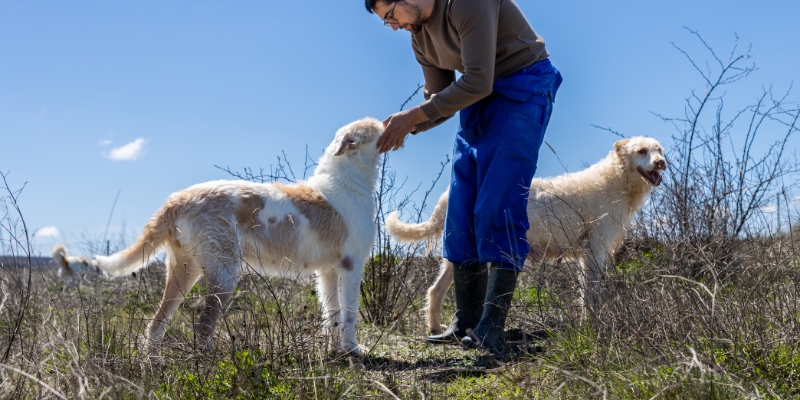
RESPONSIBLE BREEDING REQUIRES DEEP KNOWLEDGE OF GENETICS TO PRESERVE BREED STABILITY AND HEALTH.
Risks and Stability in Modern Breeding
Although this method provides rapid insight into a dog’s genetic profile, it carries enormous responsibility. Improper use of inbreeding permanently compromises the immunity and health of a breed. A breeder must possess extensive knowledge so they do not endanger the entire offspring.
Health screening and a deep understanding of biology form the foundation of safe breeding practices. Ultimately, only through a conscious approach to genetics can we prevent the spread of hereditary diseases and preserve the long-term stability of each breed.
Thank you for reading.
To discover more about how emotional alignment, balanced lifestyle, and authentic energy restore internal balance, read ourcanine communication & behavior guidelines.
See you next time.
At Sasha Riess, we look past commercial labels to honor the unique biological blueprint of your companion. True health requires addressing the subtle internal patterns that create lasting vitality and pureloveandharmony. Discover the customized path to your dog’s longevity: Linktree Sasha Riess
👉 Follow our Facebook page and never miss our latest articles, news, and updates.
by Sasha Riess | 29.09.26. | Behaviour
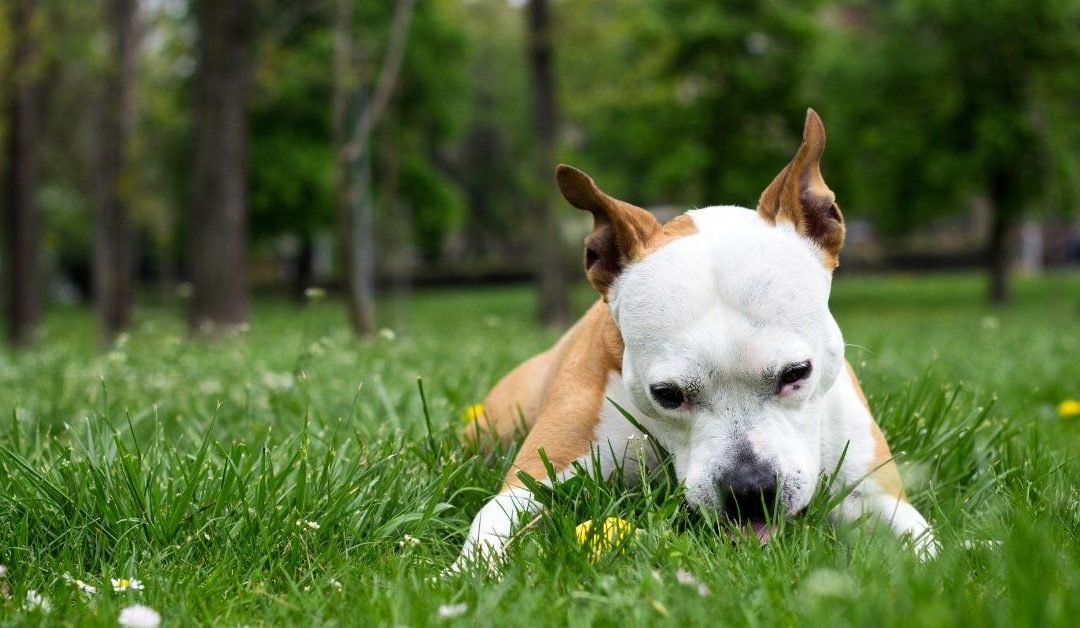
Many dog owners become confused and worried when they notice their dog eating feces from other animals or even other dogs. This behavior, known as coprophagia, may seem strange, but it actually has deeper instinctive, nutritional, and behavioral roots.
Coprophagia in dogs can confuse owners, but behind this habit lie instinct, diet, and the way a dog communicates with its human. Therefore, understanding why do dogs eat feces allows us to respond with patience rather than frustration.
Instinctive Habits, Boredom, and Attention-Seeking
This behavior appears most commonly in females. In nature, mother dogs have an instinct to keep the nest clean while caring for their puppies. They clean their pups and may even consume their feces to maintain hygiene in the area. As the puppies begin to eat solid food, this behavior naturally fades in the mothers.
Simultaneously, some dogs eat feces simply out of boredom or to get their owner’s attention. If you react strongly, the dog may interpret that reaction as success because it secured your focus, which leads the dog to repeat the action. Consequently, responding calmly and consistently, without anger or shouting, remains essential.
Diet, Probiotics, and Natural Minerals
A lack of nutrients or poor-quality food can lead dogs to seek ways to obtain missing bacteria or enzymes for digestion. Dogs that eat too many carbohydrates or have difficulty digesting their food may instinctively try to balance their diet by eating feces.
Adding probiotics to your dog’s diet helps regulate digestion and reduces the urge to eat feces. Fermented fruits and vegetables or natural supplements can significantly improve gut flora and support a healthy microbiome.
In nature, dogs also eat bones because they provide rich sources of minerals. Offering your dog a raw or dried bone once a week (never cooked, as it can splinter and cause injury) supplies essential minerals while maintaining dental health.
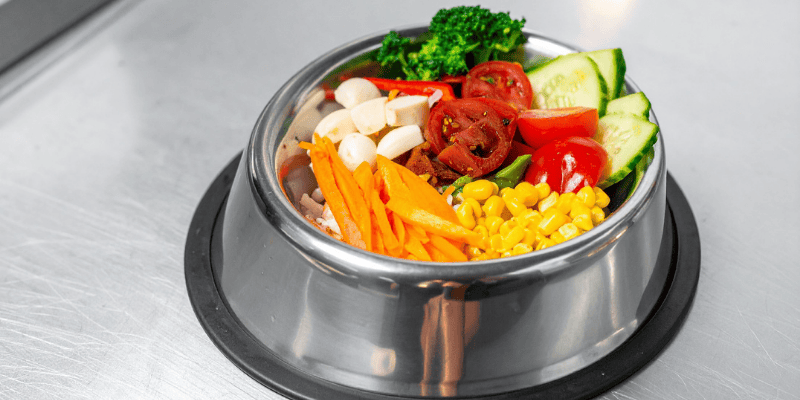
BALANCED NUTRITION AND PROBIOTIC SUPPLEMENTS RESTORE GUT FLORA AND REDUCE UNWANTED CRAVINGS.
Addressing the Behavior Through Communication
When a dog exhibits this behavior, introducing proper communication protocols becomes necessary. A dog needs to understand clear boundaries while receiving enough attention and mental stimulation through walks, play, and structured training.
If you notice your dog persistently eating feces, pay attention to these essential factors:
-
The quality of food and amount of carbohydrates in the diet
-
The inclusion of probiotics and natural supplements
-
Consistent communication and a calm, patient approach
This behavior does not necessarily mean your dog has a serious problem. Instead, it often serves as a message that something is missing, whether nutrients, attention, or clear boundaries. Ultimately, when we learn to understand these signals and respond appropriately, our dogs become more balanced, calm, and fulfilled.
Thank you for reading.
To discover more about how emotional alignment, balanced lifestyle, and authentic energy restore internal balance, read our canine communication & behavior guidelines.
See you next time.
At Sasha Riess, we look past commercial labels to honor the unique biological blueprint of your companion. True health requires addressing the subtle internal patterns that create lasting vitality and pureloveandharmony. Discover the customized path to your dog’s longevity: Linktree Sasha Riess
👉 Follow our Facebook page and never miss our latest articles, news, and updates.
by Sasha Riess | 28.09.26. | Behaviour
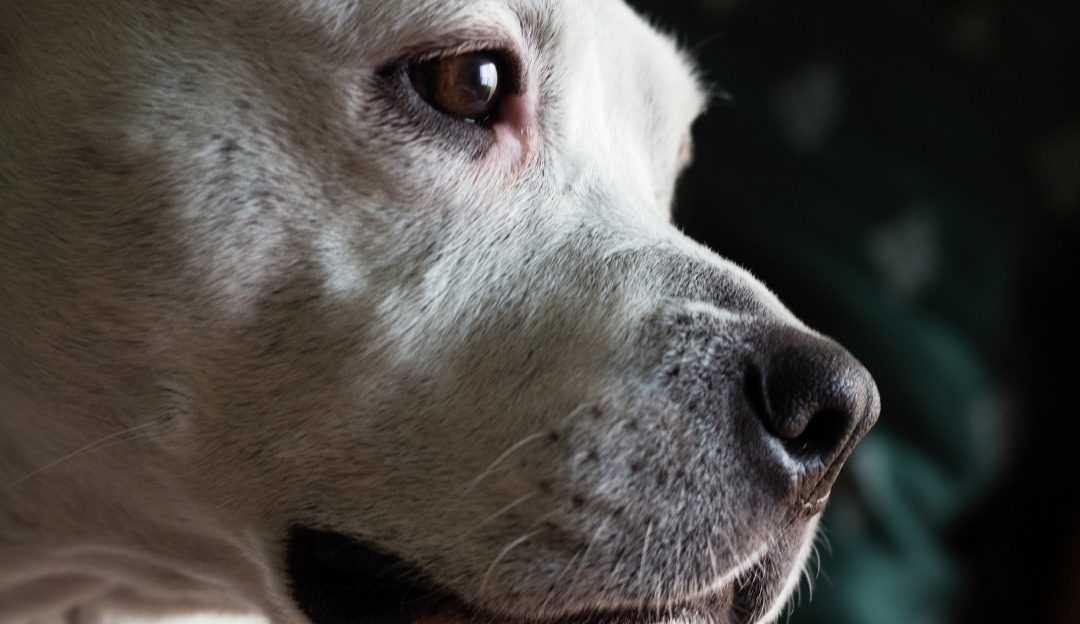
Successful communication with a dog can be a challenge for many owners. Have you ever noticed your dog turning its head away when you speak to it or ask something of it? Many people interpret this as stubbornness, disobedience, or a lack of interest. However, the reality may be far more complex. Before looking at the dog’s behavior, asking ourselves an important question provides clarity: Who are we really communicating with in that moment?
Are we speaking calmly and clearly to the dog in front of us, or are our emotions, frustrations, expectations, and past experiences also driving that interaction? Consequently, understanding our own emotional state forms an essential foundation for understanding why does a dog turn its head away.
Why Some Dogs Turn Their Heads Away
When we examine communication more closely, tone of voice, body language, facial expression, and emotional intensity all play critical roles. Dogs act as highly sensitive observers of human behavior. Turning the head away functions as a calming signal — a natural behavior many dogs use to reduce tension and avoid conflict.
In these moments, the dog attempts to create distance from something it perceives as uncomfortable, overwhelming, or emotionally intense. Therefore, rather than showing disrespect, this action demonstrates that the dog actively tries to maintain peace and emotional balance.
Dogs as Sensitive Observers of Human Emotions
Dogs excel at detecting subtle changes in human behavior. They notice shifts in posture, breathing, movement, facial expressions, and vocal tone long before most people become aware of them. Because of this sensitivity, dogs react not only to what we say, but also to how we feel while saying it. Simultaneously, periods of tension, stress, uncertainty, or emotional strain within a household influence a dog’s behavior in many different ways.
Sometimes, what appears to be a basic training issue actually reflects a dog responding to the emotional atmosphere around it.
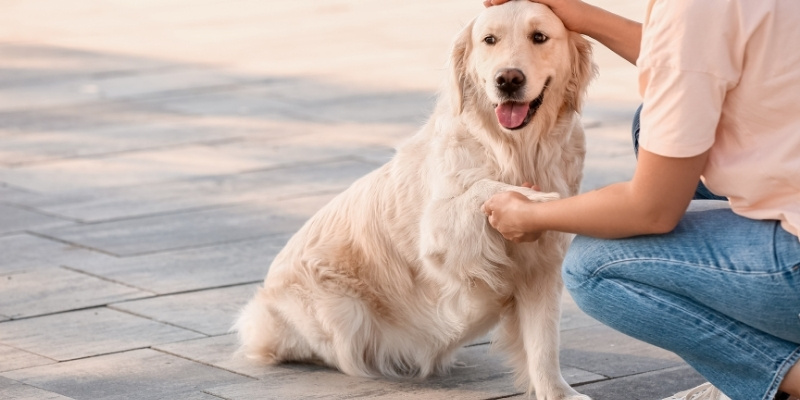
WHEN HUMAN PRESSURE DISAPPEARS, AUTHENTIC CONNECTION AND MUTUAL TRUST FOLLOW EFFORTLESSLY.
Looking Inward Before Looking at the Dog
When a dog repeatedly avoids eye contact, turns away, or appears uncomfortable during interactions, examining both sides of the relationship yields valuable insights. Communication involves much more than giving commands. It requires emotional clarity, consistency, and deep self-awareness.
The calmer, more predictable, and more emotionally regulated we become, the easier our dogs feel safe and engaged. Ultimately, improving communication begins not by changing the dog, but by becoming more conscious of our own presence and energy. When pressure disappears, true connection follows effortlessly.
Thank you for reading.
To discover more about how emotional alignment, balanced lifestyle, and authentic energy restore internal balance, read our canine communication & behavior guidelines.
See you next time.
At Sasha Riess, we look past commercial labels to honor the unique biological blueprint of your companion. True health requires addressing the subtle internal patterns that create lasting vitality and pureloveandharmony. Discover the customized path to your dog’s longevity: Linktree Sasha Riess
👉 Follow our Facebook page and never miss our latest articles, news, and updates.
by Sasha Riess | 27.09.26. | Behaviour
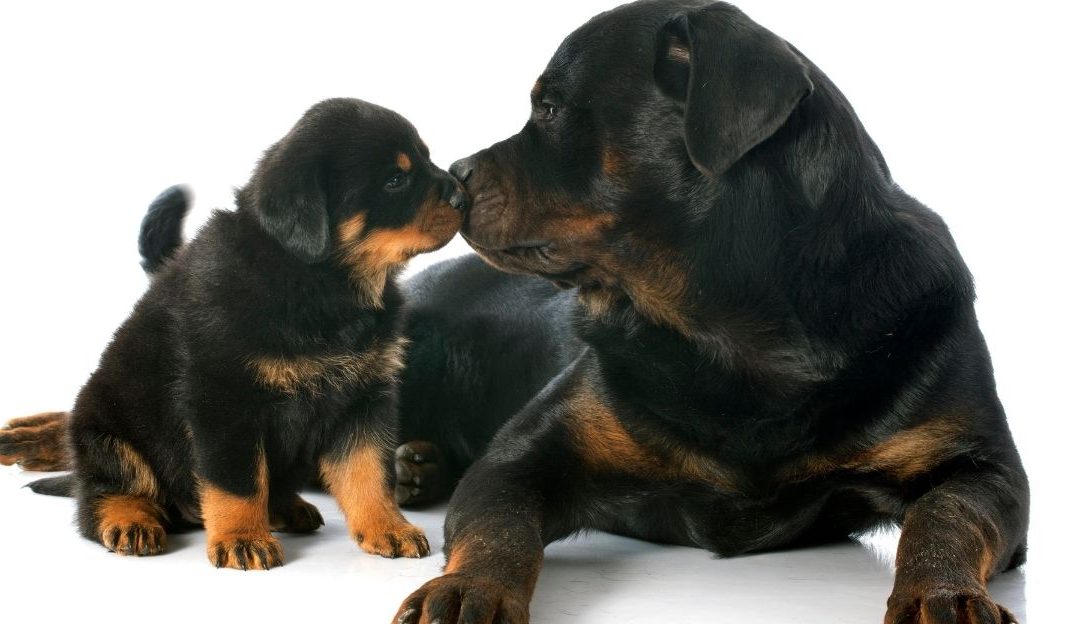
Nothing in nature happens by accident, including maternal instinct in dogs. A mother dog has a very specific and time-limited internal biological mechanism that allows her to hear the high-frequency cry of her puppies, but only during a precisely defined period. She cannot hear this sound before birth. Simultaneously, she cannot hear it after approximately thirteen days following birth. This is not an emotional decision — it is pure physiology.
A Special Frequency the Mother Can Hear Only Briefly
Immediately after giving birth, a specific auditory mechanism activates in the mother dog. It can be described as a biological filter that allows her to register only one very specific frequency: the distress call of her puppies.
This sound triggers an immediate response. It activates carrying, licking, warming, and protective behaviors to ensure the survival of the puppies. If a puppy falls out of the nest or moves away, the mother reacts exclusively to sound. If she sees the puppy but does not hear that specific cry, she is physiologically unable to respond. Breeders know this well. Consequently, this is not neglect, but a biological limitation. Therefore, understanding why does a mother dog stop hearing her puppies helps us grasp these natural boundaries.
Why Does This Ability Disappear After 13 Days?
Between approximately the tenth and thirteenth day of life, puppies begin to open their eyes, start to hear, and become more aware of their surroundings. At that point, their survival no longer depends solely on the mother’s immediate reaction to sound.
As a result, the following natural changes occur:
-
The specific frequency disappears.
-
The mother’s auditory filter shuts down.
-
Protective instinct transitions into other forms of behavior.
At this stage, the mother no longer perceives the puppies as helpless infants. A new phase of the relationship begins.
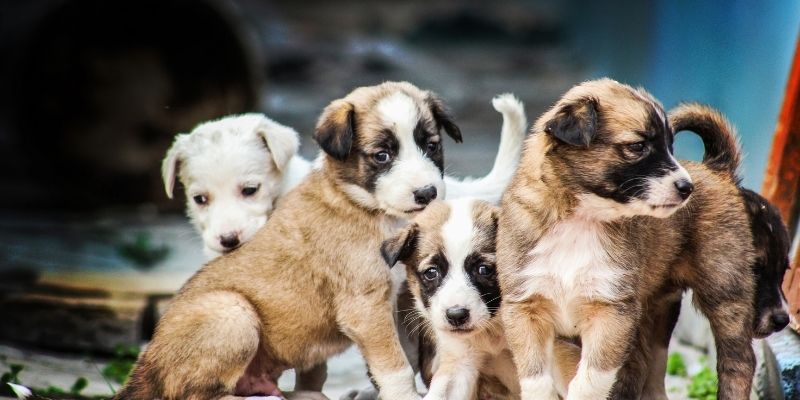
AFTER 13 DAYS, PUPPIES BECOME MORE INDEPENDENT AND NO LONGER DEPEND SOLELY ON AUDITORY DISTRESS SIGNALS.
Nature Does Not Make Mistakes, It Changes Roles
From that moment onward, certain instincts fade while others awaken. The dynamic of the relationship shifts as puppies become more active, more independent, and more resilient.
The mother is no longer an extension of their nervous system. Instead, she becomes a guide who gradually prepares them for separation. Ultimately, this is not rejection, but precisely timed evolution.
Thank you for reading.
To discover more about how emotional alignment, balanced lifestyle, and authentic energy restore internal balance, read our canine communication & behavior guidelines.
See you next time.
At Sasha Riess, we look past commercial labels to honor the unique biological blueprint of your companion. True health requires addressing the subtle internal patterns that create lasting vitality and pureloveandharmony. Discover the customized path to your dog’s longevity: Linktree Sasha Riess
Comfort bundle prebiotics and probiotic supplement gut health aid your dog’s immune and digestive systems
by Sasha Riess | 25.09.26. | Behaviour
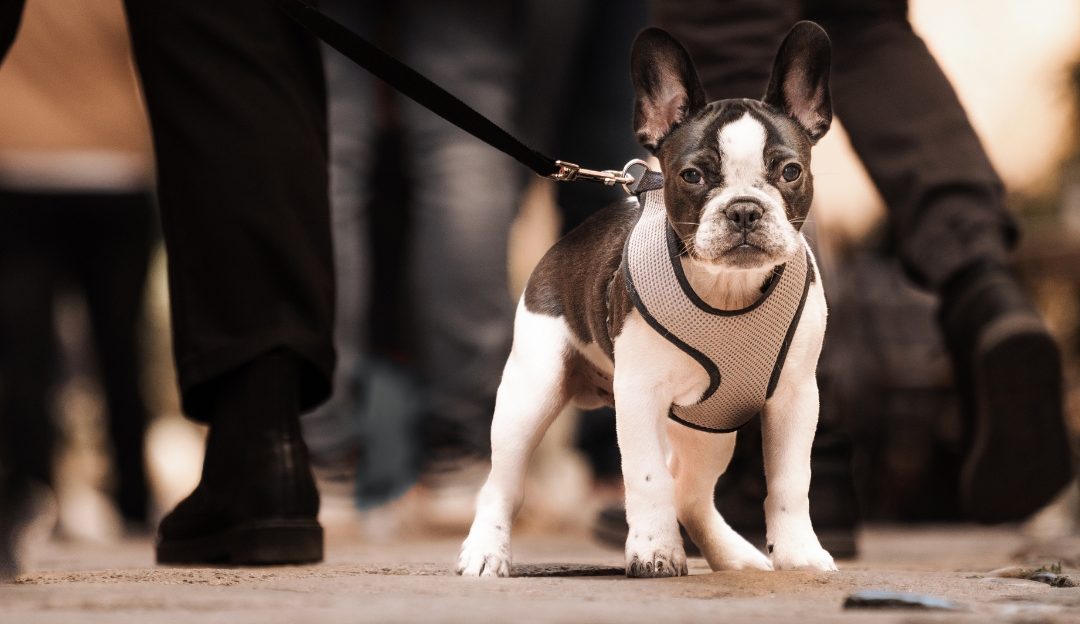
Understanding the place a dog occupies within the family system is essential for household stability and harmony in the relationship. Many owners genuinely want to provide the greatest possible support for their pets. However, if we violate the fundamental laws of nature and the natural order, we introduce unrest and instability into the system. Consequently, unexplained problems and inappropriate dog behavior often arise when working with animals. To build a healthy relationship, we must first understand the true hierarchy and our own limits when it comes to providing help.
The Natural Hierarchy Within the Family System
Within every community, a natural order exists that ensures its proper functioning. A person and their family members occupy the first position, while a dog always holds a place lower in that hierarchy.
This principle does not mean that a dog lacks love or respect. On the contrary, a dog feels safest when the structure is clear and when it does not have to carry the heavy burden of leadership. Therefore, when we disrupt this order and place a dog above the needs of the family, we create confusion that directly affects household stability and overall dog behavior.
Boundaries in Providing Help Without Taking on Someone Else’s Destiny
When we help a dog, we must act within the limits of our actual abilities and capacities. Providing help beyond our own boundaries leads to exhaustion and disrupts our inner peace.
If we try to save a dog in an inappropriate way, we begin to pay the price of its destiny. Instead of progress and an improved relationship, we end up taking a step backward. Simultaneously, giving as much as we can remains important, but never to the point that it threatens our own stability and the peace within our home.
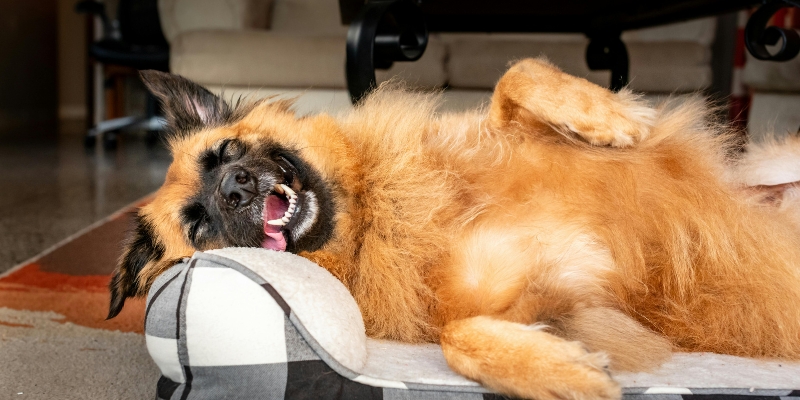
WHEN HUMANS ESTABLISH CLEAR BOUNDARIES, DOGS CAN FINALLY RELAX AND TRUST THEIR LEADERSHIP.
Progress Through Stability and Balance
True help reflects our ability to remain stable and fully present for our pets. When we respect the natural order of support, we provide our dogs with exactly what they need to thrive. A strong structure and clear boundaries give a dog a sense of security that quickly translates into calmness.
When a person assumes their rightful place as the leader within the system, the dog can finally relax and trust that leadership. Ultimately, by respecting these principles, we build a relationship founded on deep trust, respect, and long-term harmony.
Thank you for reading.
To discover more about how emotional alignment, balanced lifestyle, and authentic energy restore internal balance, read our canine communication & behavior guidelines.
See you next time.
At Sasha Riess, we look past commercial labels to honor the unique biological blueprint of your companion. True health requires addressing the subtle internal patterns that create lasting vitality and pureloveandharmony. Discover the customized path to your dog’s longevity:Linktree Sasha Riess
by Sasha Riess | 24.09.26. | Nutrition
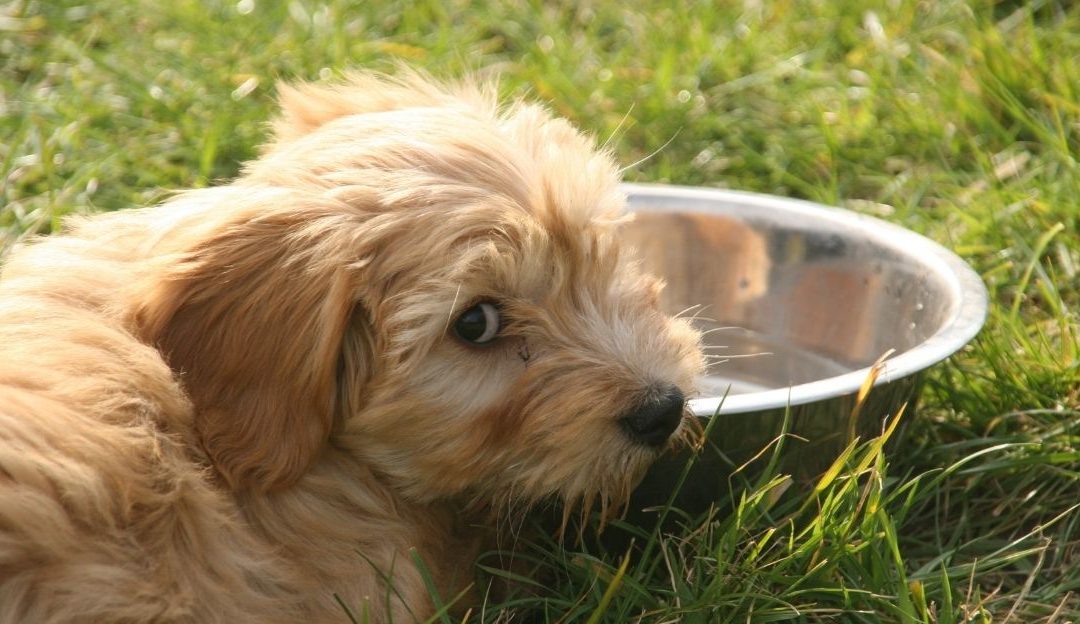
Many owners, especially those with smaller breeds such as Yorkies, panic when they notice that their dog has not approached the water bowl all day. The first question they ask is: “How can I make my dog drink?” The answer is simple: Do not force it. A dog is not a number in a nutrition table. It is a living being of nature that drinks water only when it is truly thirsty. Proper dog care requires understanding the dog’s ecosystem, not blindly following general recommendations.
The Trap of Kibble and Dehydrated Food
The reason we remember dogs that constantly drink water is kibble. Dry, dehydrated food requires a large amount of water simply to soak in the stomach before digestion can even begin. Consequently, when a dog eats kibble, the body often uses its own water reserves to process it. This can lead to constant thirst and disturbance of stomach acid balance.
On the other hand, if your dog eats freshly prepared, moist food, most of the required hydration already comes through the meal itself. In that situation, the dog simply does not need to drink additional water because the digestive process does not dehydrate the body. Therefore, owners wondering why does my dog not drink water should first examine the moisture content in their dog’s daily diet.
Cooling Biology and Environment
Dogs do not have sweat glands across the entire body as humans do. They cool themselves mainly through breathing and through their paw pads. If your dog lives indoors in a temperature-controlled environment and is not exposed to extreme heat, it will not lose significant fluid through evaporation.
A dog walking on hot asphalt in Belgrade and a dog breathing mountain air on Zlatibor do not have the same hydration needs. Simultaneously, if there is no dehydration, there is no need for rehydration.
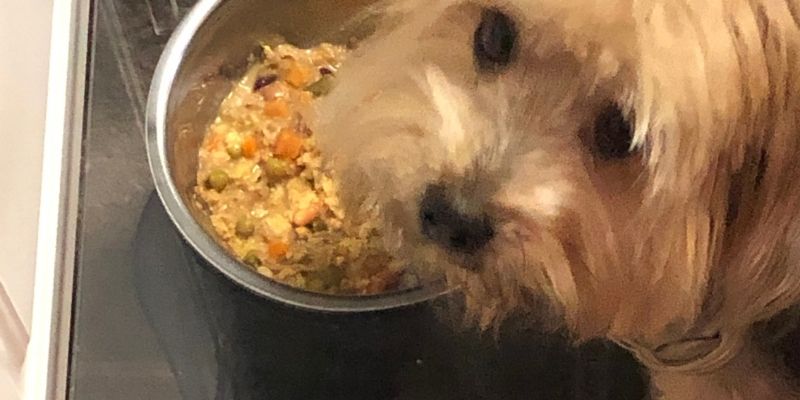
FRESHLY PREPARED MOIST FOOD PROVIDES NATURAL HYDRATION DIRECTLY THROUGH THE MEAL.
Observe Your Dog, Not Numbers
Just as a woman weighing fifty kilograms and a man weighing one hundred kilograms cannot have the same water requirement, dogs cannot fit into a single hydration formula.
Observe your dog’s ecosystem by asking these essential questions:
A dog will not allow itself to reach dangerous dehydration if fresh water is always available. Ultimately, your responsibility involves providing access to clean water, while the dog’s body knows exactly when it needs the first sip.
Thank you for reading.
To discover more about how emotional alignment, balanced lifestyle, and authentic energy restore internal balance, read our canine nutrition guidelines.
See you next time.
At Sasha Riess, we look past commercial labels to honor the unique biological blueprint of your companion. True health requires addressing the subtle internal patterns that create lasting vitality and pureloveandharmony. Discover the customized path to your dog’s longevity:Linktree Sasha Riess
👉 Follow our Facebook page and never miss our latest articles, news, and updates.