by Sasha Riess | 27.05.26. | Emotions
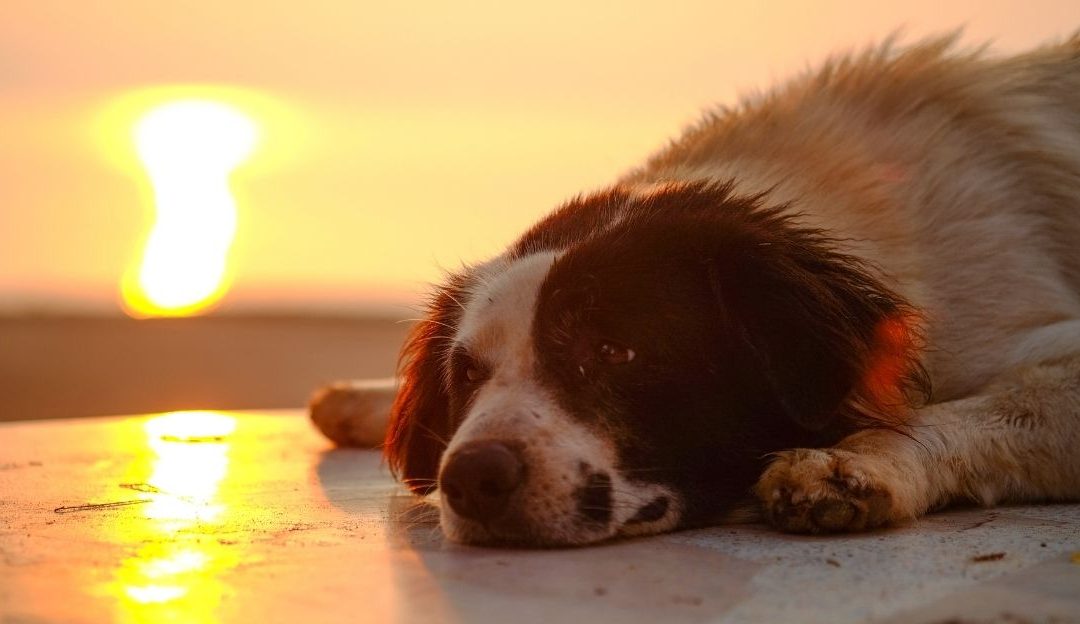
The loss of a pet is not just the loss of an animal. It is the loss of a family member who looks to us for guidance until the very end. We often hear the phrase: „You cannot help your dog if you cannot help yourself.“ This carries the essence of knowing how to say goodbye to a dog in moments of illness or old age.
A Dog Feels Your Inner Struggle
Dogs are incredibly intuitive. They do not understand the concept of death as we do, but they sense emotional instability. If you are breaking under the weight of grief, your dog struggles more because it cannot find the peace it needs from you. Your companion seeks:
-
Stability, knowing that you understand what you are doing.
-
Calm, the absence of panic in your voice and movements.
-
Serenity, the acceptance of what cannot be changed.
Leadership in Grief: Being Strong While You Suffer
Being a leader does not mean hiding emotions, but not allowing them to block the right decisions. Learning how to say goodbye to a dog means being:
-
Sad, yet strong. Tears are natural, but trembling hands that delay the inevitable only prolong suffering.
-
Focused, even while you hurt. Your role is to make the decision that serves the best interest of your dog, not your fear of loneliness.
Look fate in the eyes and say: „Your time has come. You are leaving now. Ours has not. We will meet again when the moment arrives.“
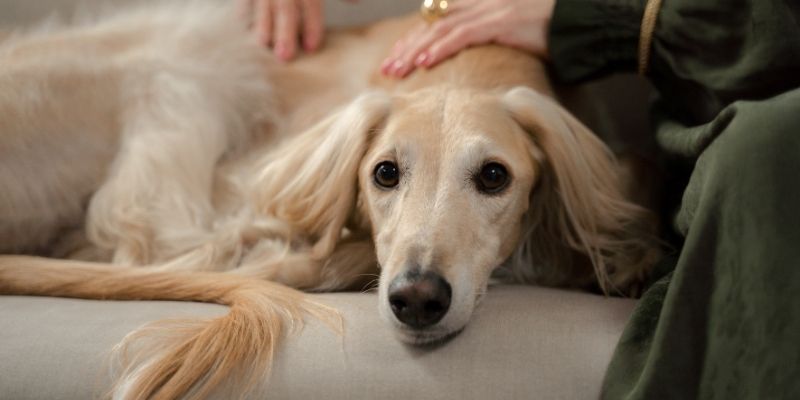
Be the lighthouse that shows it is safe to go.
Letting Your Companion Continue Their Journey
Letting a dog go means allowing a dignified transition. When you accept the parting, you release your dog from the weight of your sorrow. You become the lighthouse that shows it is safe to go. Suffering will not prevent the right decision if you remain focused on the wellbeing of the one who depends on you.
At Sasha Riess, we believe that the ultimate act of love is providing a peaceful transition. Understanding how to say goodbye to a dog with dignity is the final gift of pureloveandharmony. Trust in the strength of your bond: Linktree Sasha Riess
Sasha Riess Pure Love & Harmony Duo Pack The Complete Dog Coat Care System

by Sasha Riess | 26.05.26. | Nutrition
There is a lie that quietly slips into a person’s life, almost unnoticed. The lie is that the dog food industry exists because someone truly cares about dogs. Owners invest enormous sums in food and supplements, ready to pay more than they would for themselves. In that emotion, the industry found the perfect gold mine. Where emotion exists, profit follows.
Modern Alchemy: How the Industry Is Created
The dog food industry is not a separate entity born out of care. To a large extent, it is a byproduct processing industry—managing what remains after the human food and fashion industries are finished. In the industrial chain, nothing is thrown away. Skin, cartilage, and tissues that humans won’t eat simply change their label.
This is where meat meal and bone meal are created. These powders are revived with artificial ingredients and sold as the pinnacle of health. The industry has built a system in which a byproduct is marketed as luxury.
Rawhide: Chemically Processed Surplus
If one product exposes the dog food industry brutally, it is the rawhide bone. Rawhide is not natural; it is a surplus of the fashion industry. What does not become a bag or a shoe is bleached, reshaped, and sold as a treat. Imagine giving chemically processed leather to a child—you wouldn’t. But to a dog? They have no choice. The choice belongs only to us.
Marketing Instead of Ingredients
Today’s industry doesn’t sell ingredients; it sells a story of the „primal wolf.“ Marketing sells the owner’s identity and plays on the guilt of not being „good enough.“ This is why dogs have never been more loved, yet never sicker, facing an explosion of allergies and digestive disorders.
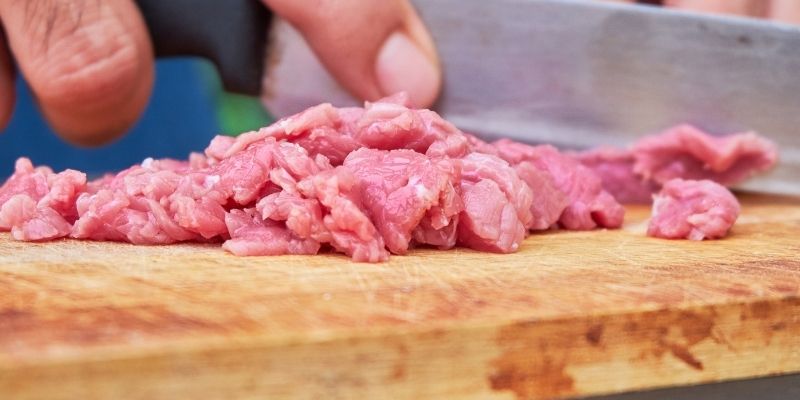
The only place where you control the nutritional chain is your kitchen.
Returning to the Kitchen: The Only True Responsibility
No matter how radical it sounds, the only place where the nutritional chain remains transparent is your kitchen. Cooking for your dog isn’t paranoia; it’s love that understands responsibility. When you cook, you become the filter and the protection that the dog food industry does not provide.
It is difficult for many to admit they were misled by a label. But next time, I will write about how to cook for your dog properly and professionally, so your dog can finally return to its true self.
At Sasha Riess, we believe that transparency is the first step toward health. Looking past the illusions of the dog food industry is essential for pureloveandharmony. Take control of what goes into your dog’s bowl: Linktree Sasha Riess

by Sasha Riess | 25.05.26. | Behaviour
Caring for a dog is not the same as buying a toy. Dogs are living beings with emotions, needs, and awareness. If you want to know how to properly care for a dog, you must first be fulfilled and present in its life.
A Happy Owner Equals a Happy Dog
You cannot care for a dog properly if you neglect yourself. Just as a parent does not need to be a perfect mother, but a happy one, a dog owner must be balanced and at peace in order to guide the dog through life. Your emotional state is the foundation of your dog’s stability.
The Relationship Between Dogs and Children
Dogs and children share an exceptionally strong bond, influencing each other’s emotional state. Healthy communication and attentive presence are essential for building trust and a sense of security. Part of knowing how to properly care for a dog in a family setting is ensuring that these interactions are guided by respect and presence.
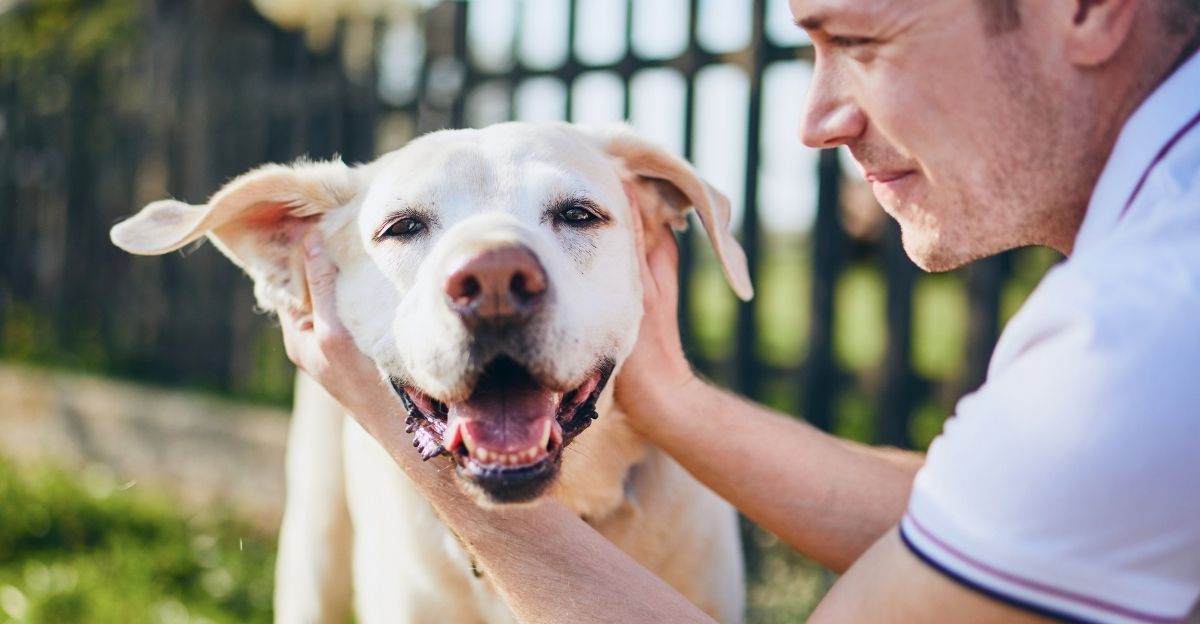
Caring for a dog requires responsibility and dedication.
Dedication to One Dog
It is more difficult to provide the same level of attention and love to two or more dogs than to just one. Having a dog requires deep commitment, time, and energy. A dog is not a toy, but a living being that deserves your full attention and a consistent place in your life.
At Sasha Riess, we believe that leadership begins with self-care. Learning how to properly care for a dog starts with finding your own balance so you can lead with pureloveandharmony. Discover the path to a deeper connection: Linktree Sasha Riess

The Dog Groomer’s Dilemma: Journey Trough Burnout, Belonging and Becoming
by Sasha Riess | 24.05.26. | Behaviour
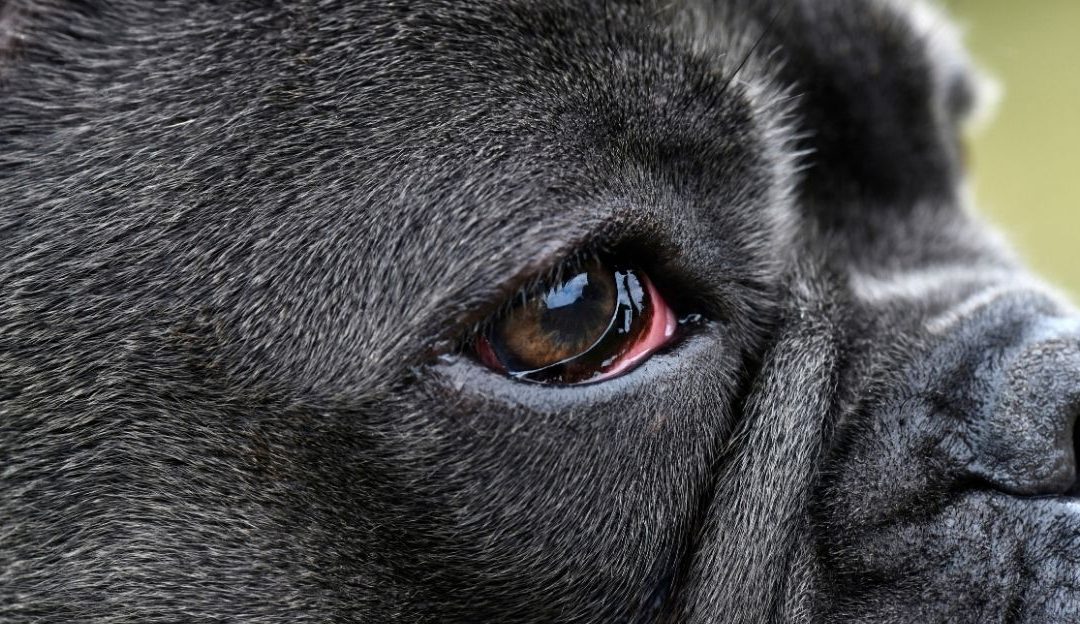
Watery eyes in dogs are often interpreted as an aesthetic issue or a local eye problem. However, in many cases, tearing has little to do with the eyes and far more to do with the environment in which the dog lives and the level of stress it experiences.
Why Dogs “Cry” in Stressful Environments
A dog that lives in constant tension does not breathe properly, cannot relax, and cannot release excess strain from the body. In such cases, watery eyes in dogs become a release valve. This is not emotional crying, but a physical response to prolonged stress.
The Biological Side of Watery Eyes
Of course, biological factors exist, such as red blood cell metabolism, liver function, and porphyrins—pigments that leave tear stains. But the question often overlooked is simple: Why did the organism reach a state of overload in the first place?
The Liver and Detoxification
In dogs with chronic tearing, the liver often functions under strain, and detoxification is incomplete. The body searches for an alternative outlet. Here, watery eyes in dogs are not the cause; they are the consequence of an internal system struggling to maintain balance.
Immunity as a Two-Sided System
Immunity never works in isolation. It has an internal side (nutrition, liver function) and an external side (stress, environment). If we focus only on teas or supplements without changing a stressful environment, the problem will inevitably return.

Guidance, structure, and a calm human are often the best remedies for tension.
Stress: A Factor Within Our Influence
A dog does not respond to our explanations or intentions; it responds to our tone, tension, and the stability we provide. When a dog’s eyes water, the message is often: „It is too much for me“ or „I have nowhere to release what I carry.“
Conclusion: Tears as a Signal
Watery eyes in dogs are not a defect that needs to be quickly removed. They are a signal from a system asking for relief. Before searching for a miracle solution, ask yourself: What kind of world does this dog live in every single day?
At Sasha Riess, we understand that true healing comes from harmony. Addressing watery eyes in dogs requires looking beyond the symptom to the environment, leading your pet back to pureloveandharmony. Find the path to a calmer home: Linktree Sasha Riess
The Dog Groomer’s Letter of the Month Club with Sasha Riess
by Sasha Riess | 24.05.26. | Wellbeing
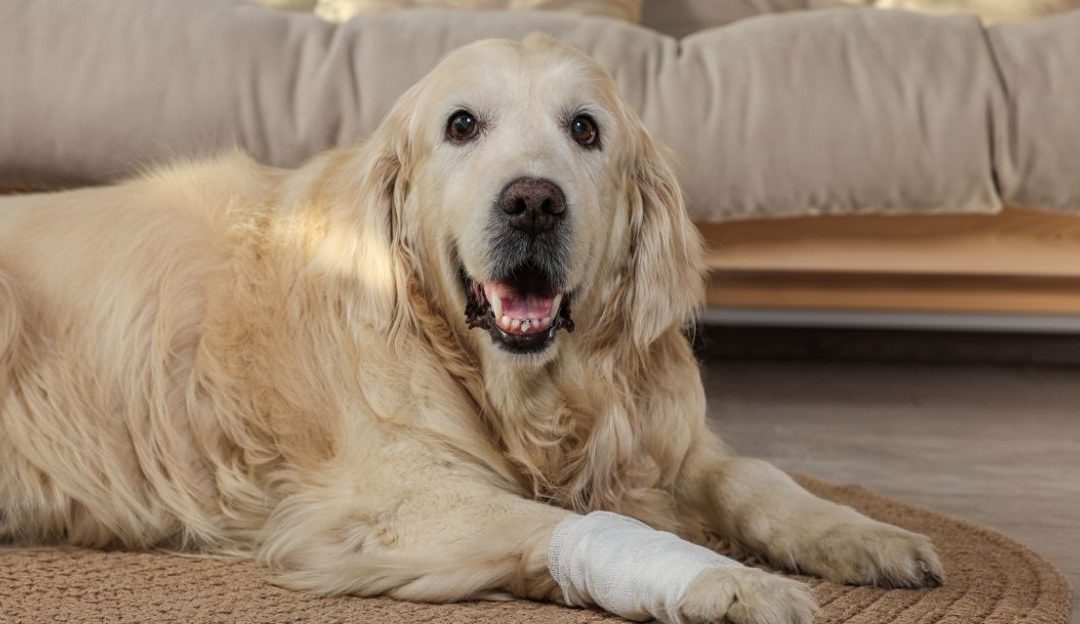
Homeopathy for bone and collagen problems in dogs is increasingly used as complementary support for joint pain, weak bones, injuries, and degenerative conditions. Properly selected homeopathic remedies can help cartilage regeneration, reduce inflammation, and improve collagen absorption, without the side effects often seen in long-term conventional therapies.
In dogs with osteoarthritis, hip dysplasia, slow bone healing, or reduced mobility, homeopathy is applied individually according to symptoms, age, and general condition of the body.
How Homeopathy Affects Bones, Joints, and Collagen
Homeopathic remedies do not act symptomatically in the classical sense. Instead, they stimulate the natural recovery processes of the body. The goal is:
-
Support of cartilage regeneration.
-
Reduction of inflammation and pain.
-
Strengthening of ligaments, tendons, and bones.
-
Slowing of degenerative processes.
Main Homeopathic Remedies for Bones and Collagen
Symphytum Officinale (30C or 200C)
Known as the „king of bone remedies,“ it supports fracture healing and cartilage regeneration. It is essential for osteoarthritis and hip dysplasia.
Calcarea Phosphorica (6X or 12X)
Supports growth and strengthening of the skeletal system. Suitable for young dogs with slow development or older dogs with bone degeneration.
Silicea (6X or 12X)
Strengthens connective tissue and supports slow recovery of ligaments, tendons, and bones.
Ruta Graveolens (30C or 200C)
Specifically for tendons, ligaments, and joints. Effective for sprains, stiffness, and strain.
Arnica Montana (30C or 200C)
First aid for pain and inflammation. Reduces swelling after injuries or surgery.
Remedies for Degenerative Conditions
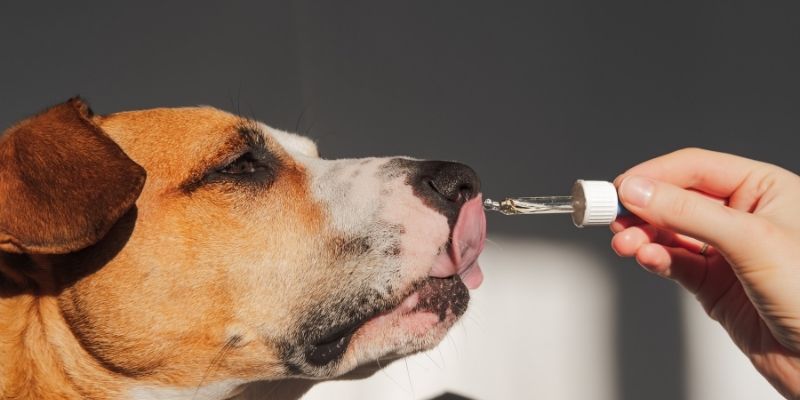
Dog bone health and mobility with natural support.
Remedy Selection According to Symptoms
| Symptom/Condition |
Recommended Remedy |
| Fractures & Osteoarthritis |
Symphytum Officinale |
| Weak or Brittle Bones |
Calcarea Phosphorica |
| Tendon & Ligament Inflammation |
Ruta Graveolens |
| Chronic Pain & Stiffness |
Arnica Montana |
| Bone Growths (Spurs) |
Hekla Lava |
| Weak Connective Tissue |
Silicea |
Method of Application and Important Rules
-
Do not touch globules with hands (use the cap or a plastic spoon).
-
Give directly into the mouth or dissolved in water.
-
Timing: 30 minutes before or after food.
-
Start with one remedy and observe the reaction for 7–14 days.
At Sasha Riess, we recognize that nature holds the keys to profound healing. Integrating homeopathy for bone and collagen problems in dogs into your routine is a step toward true pureloveandharmony. Restore your dog’s strength naturally: Linktree Sasha Riess
by Sasha Riess | 22.05.26. | Behaviour
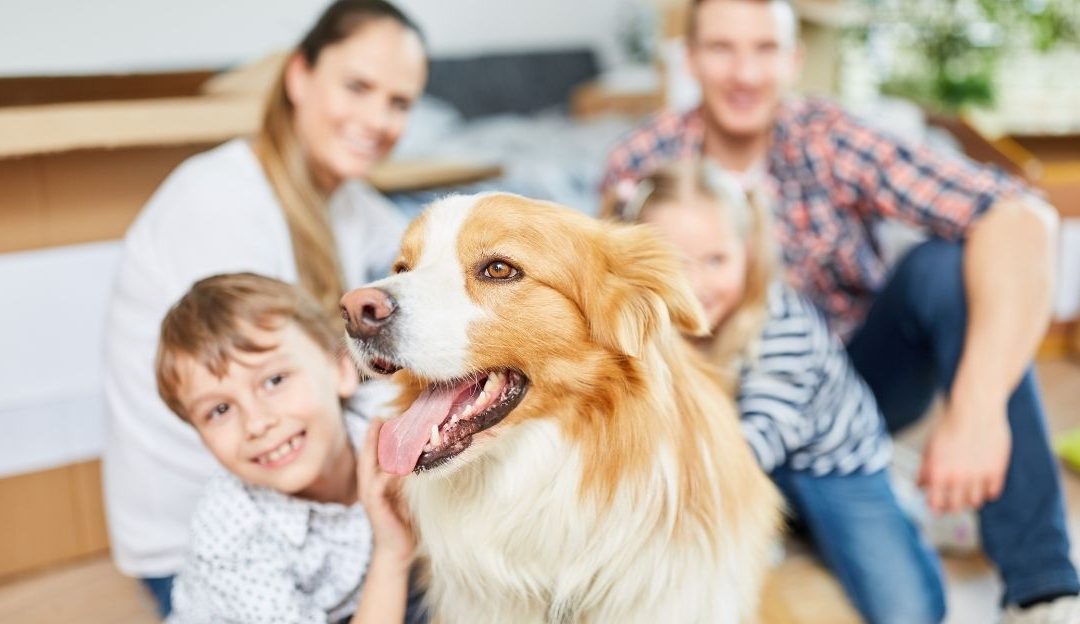
Harmony between human and dog does not happen by chance. It is built every day through the way we communicate, how we feed them, and the boundaries we set. A dog does not live in the past and does not plan the future; it lives only in the present moment.
Building a Balanced Relationship
A home where harmony between human and dog exists is recognized by balance. It is not a space filled with discomfort, odor, or tension, but a place where order and calmness are felt.
A dog does not destroy the dignity of a home. A human does that through an incorrect relationship. When a dog has no clear structure or is emotionally overloaded, problems appear that are wrongly attributed to the animal.
Living in the Present Moment with Your Pet
For a dog, the present moment is everything. When communication is clear and care is consistent, the dog naturally takes its place in the system. This means:
-
The dog knows where it belongs.
-
The dog does not get lost in roles it cannot understand.
-
The dog does not carry the emotional burdens of the human.
Harmony between human and dog arises when the human joins the dog in the present moment.
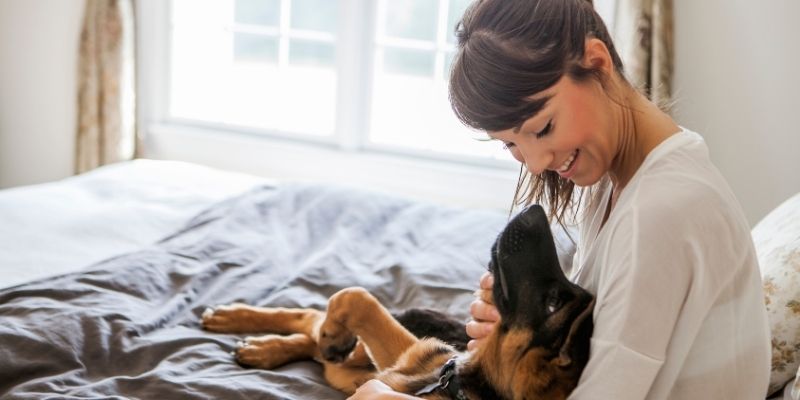
A dog lives in the present moment – harmony arises when the human joins them there.
Responsibility as the Key to Lasting Harmony
The deep connection we share is often misunderstood as sacrifice. However, true harmony does not mean giving up a dignified life. It means taking responsibility so we do not disturb our own nature or the nature of the dog.
When a human takes responsibility for the system, the dog becomes a stable, calm, and healthy member of the household. This is the essence of order, balance, and true harmony between human and dog.
At Sasha Riess, we believe that a healthy home starts with a balanced leader. Establishing harmony between human and dog is the ultimate path to pureloveandharmony. Create a space where both species can thrive: Linktree Sasha Riess
Sasha Riess Pure Love & Harmony Duo Pack The Complete Dog Coat Care System
The Dog Groomer’s Dilemma: Journey Trough Burnout, Belonging and Becoming
by Sasha Riess | 22.05.26. | Wellbeing
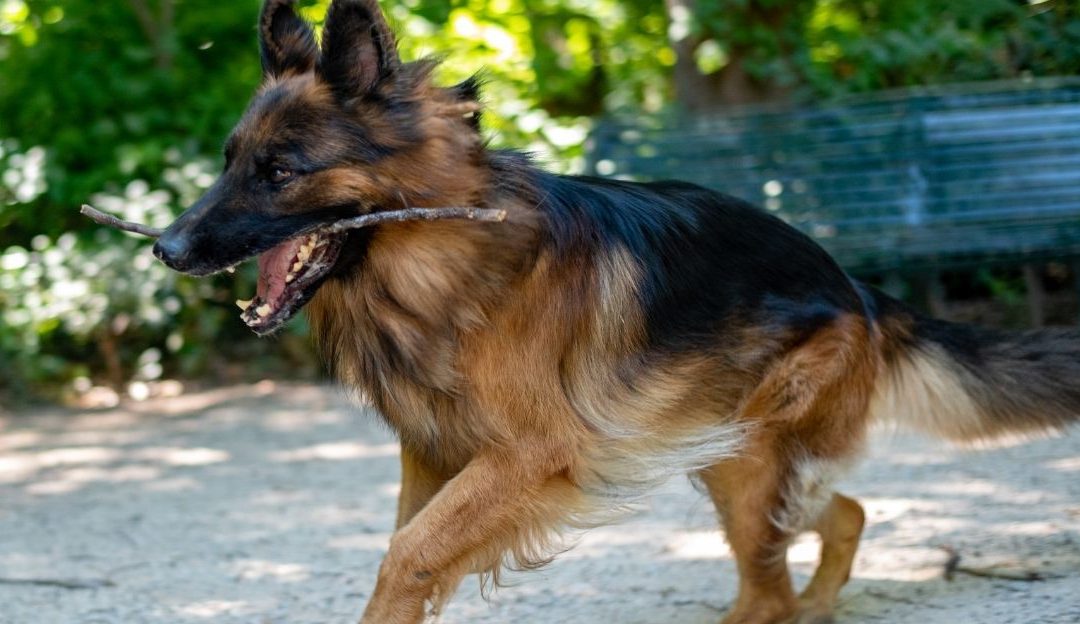
Vitamin C for dogs has a much more important role than most people realize. Although dogs can synthesize vitamin C on their own, there are situations in which this natural production is no longer sufficient. In those cases, supplementation becomes a powerful ally in preserving joint health, reducing inflammation, and easing chronic pain.
Why Is Vitamin C Important After Spaying or Neutering?
Spaying and neutering lead to a decrease in hormones like estrogen and testosterone, which are vital for protecting joints and supporting collagen production. This reduction can lead to increased inflammation and a higher risk of osteoarthritis.
Supplementing with vitamin C for dogs helps neutralize free radicals and protects the joints from accelerated degeneration caused by these hormonal shifts.
How Vitamin C Supports Joint Health
-
Collagen Production: Vitamin C is essential for synthesizing collagen, which builds ligaments, tendons, and cartilage. It stabilizes the joint structure, which is crucial for dogs with hip dysplasia or arthritis.
-
Reducing Inflammation and Pain: As a powerful antioxidant, it reduces swelling and stiffness, making it indispensable for senior dogs and those recovering from injuries.
Protocol for Using Vitamin C in Dogs With Joint Problems
Supplementation must be gradual to ensure optimal absorption and avoid digestive discomfort.
| Phase |
Duration |
Dosage (per kg of body weight) |
Purpose |
| Introductory |
7 Days |
20 mg daily |
Adaptation and preventing digestive upset. |
| Active |
15 Days |
Up to 100 mg daily |
Intensive support and regeneration. |
| Support |
7 Days |
20 mg daily |
Stabilizing results and transition. |
| Maintenance |
Long-term |
8 mg daily |
Long-term collagen and joint protection. |
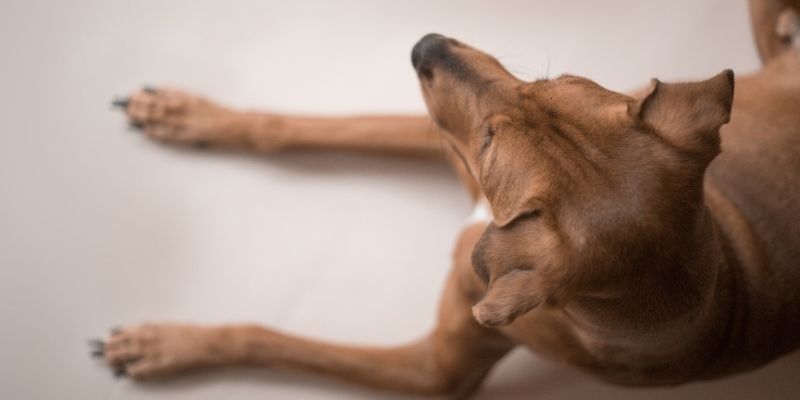
Vitamin C supports collagen production and connective tissue regeneration in dogs.
The Active Phase Detail
-
First 2 days: 50 mg per kg.
-
Gradual Increase: Add 10–15 mg per kg every two days until reaching the target dose of 100 mg per kg.
-
This phase provides the strongest anti-inflammatory effect.
Note: Dogs with gastritis must not receive vitamin C.
At Sasha Riess, we believe that proactive care is the foundation of longevity. Integrating vitamin C for dogs into a structured health plan is a strategic move toward pureloveandharmony. Ensure your dog moves with ease: Linktree Sasha Riess
The Dog Groomer’s Letter of the Month Club with Sasha Riess
by Sasha Riess | 21.05.26. | Behaviour
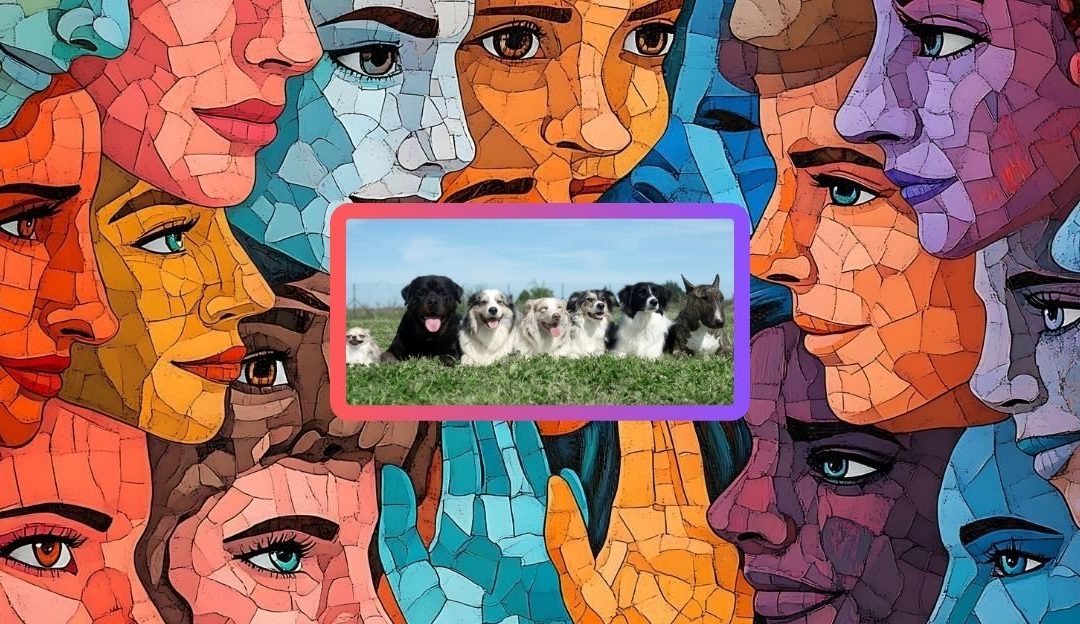
The human-dog relationship is often a mirror of our personal attitudes, fears, and cultural patterns. Differences in opinions, tastes, and values are not a problem in themselves; they become dangerous only when dogs suffer because of them.
Why People Disagree Even About Dogs
Differences in what we like are not random. When we choose a dog, we often do not choose a living being—we choose an image.
-
One person dislikes black dogs.
-
Another focuses on the fur.
-
A third sees only beauty.
There is no right or wrong here, only difference. People look at life through different filters, and different opinions are not an attack. The problem begins when these differences justify poor treatment.
A Paradigm That Brings Results
There is a way of thinking and working with dogs that, when applied consistently, brings real results to the human-dog relationship:
If a method produces these results, why should it be dismissed just because it challenges the dominant belief that a dog is „problematic“?
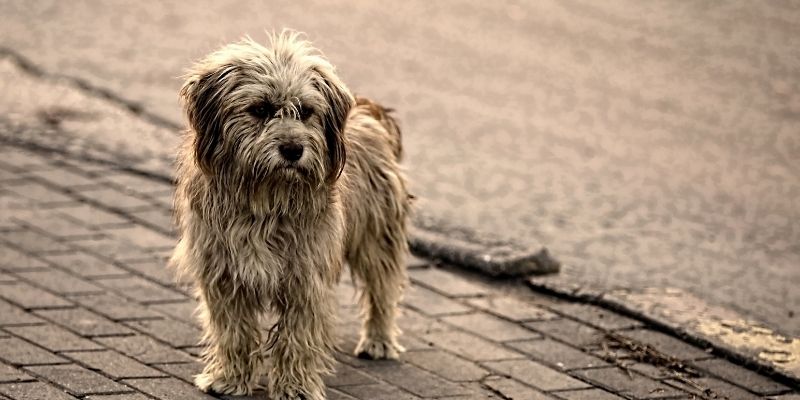
The dog is the animal that suffers most because of humans.
Who Truly Suffers in the Human-Dog Relationship?
There is no animal beside which humans suffer more than a dog, but there is also no animal that suffers more because of humans. The dog is the only animal completely bound to human decisions, fears, and projections.
Because of this, the responsibility always lies with us.
Changing Our Perspective
Differences in opinion are not the issue. The issue is when a dog pays the price for our aesthetic criteria or our fears. If we change how we perceive them, we change their fate.
At Sasha Riess, we believe that the human-dog relationship should be based on understanding the dog’s true nature, not our own projections. Only then can we achieve pureloveandharmony. Learn how to look past the „image“ and see the soul: Linktree Sasha Riess
The Dog Groomer’s Letter of the Month Club with Sasha Riess
by Sasha Riess | 21.05.26. | Nutrition
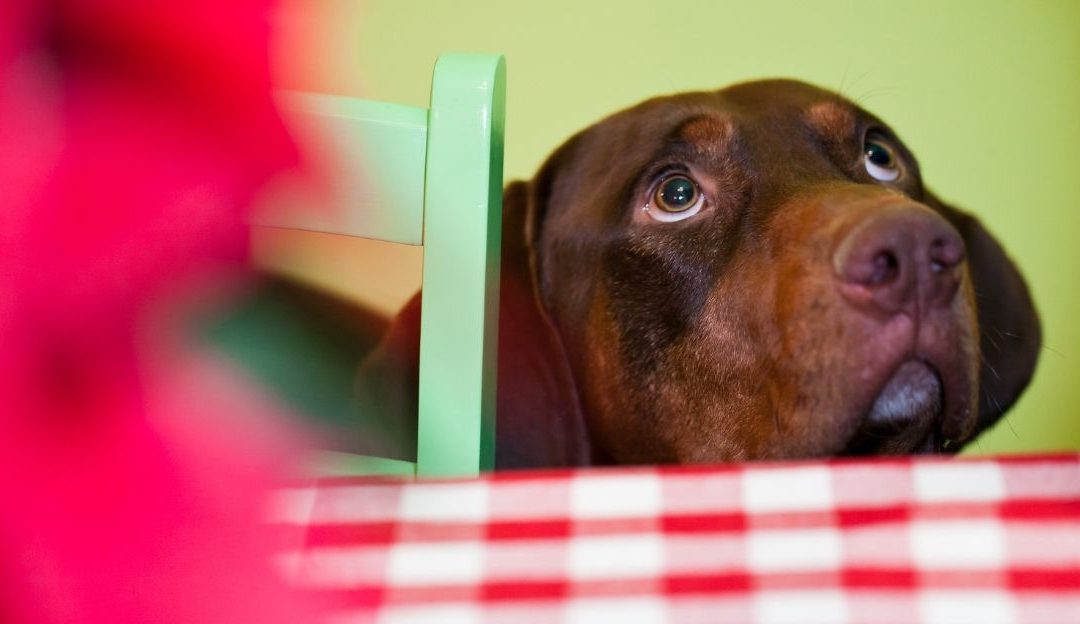
“My dog keeps begging while I am eating at the table.” “He looks at me with those eyes, I feel sorry for him.” “I gave him just a little.”
And that is exactly where the problem begins. Not in the dog, but in us. Feeding a dog out of pity is one of the most common ways we unintentionally damage our relationship with our pets.
How Feeding Out of Pity Creates a Problem
When feeding a dog regularly while you are eating, the dog does not learn to eat at its own time. Instead, the dog:
-
Learns that your presence is a condition for food.
-
Connects safety with you being there.
-
Loses structure in one of the most basic needs—nutrition.
The result is often not just a bad habit, but severe separation anxiety and the dog refusing meals when alone.
The Dog Does Not Understand Your Intention, Only the Context
You might think you are showing love, but the dog understands structure, rules, and consistency. When feeding a dog from the table or outside a routine, the dog interprets this as instability and an absence of leadership.
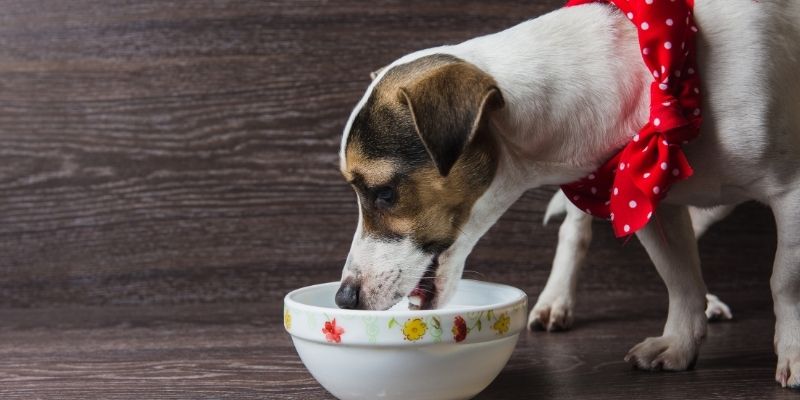
Urination is often a message of insecurity, not a health problem.
Why the Dog Refuses to Eat Its Own Meal
When it’s time for the dog’s actual meal, they are often already waiting for a “better option” because they know someone will give in. We often blame the dog for being “stubborn,” but in reality, we were the ones who said yes out of weakness.
Structure Is Not Coldness, Structure Is Safety
Structure means:
-
The dog eats at its own time.
-
The dog does not eat from the table.
-
The dog does not receive food just because it asks.
A dog that has structure feels safer and can stay alone more easily. They don’t constantly seek validation because they trust your leadership.
Why Feeding Out of Pity Can Be Fatal
Over time, inconsistent habits in feeding a dog lead to anxiety and a loss of trust. A dog you constantly give in to does not trust that you are capable of leading. And a dog without trust is a dog that suffers.
At Sasha Riess, we believe that true love is expressed through clear boundaries. Proper habits in feeding a dog are the foundation of pureloveandharmony. Establish your leadership and structure today: Linktree Sasha Riess
Sasha Riess Pure Love & Harmony Duo Pack The Complete Dog Coat Care System
The Dog Groomer’s Dilemma: Journey Trough Burnout, Belonging and Becoming
by Sasha Riess | 20.05.26. | Wellbeing
Dog owners often become alarmed when they see changes on an X-ray that resemble hip dysplasia, especially if the dog is only 7 to 8 months old. Although the image may look like dysplasia, at this age, it is not possible to speak with certainty about a final diagnosis.
Development, Not Disease
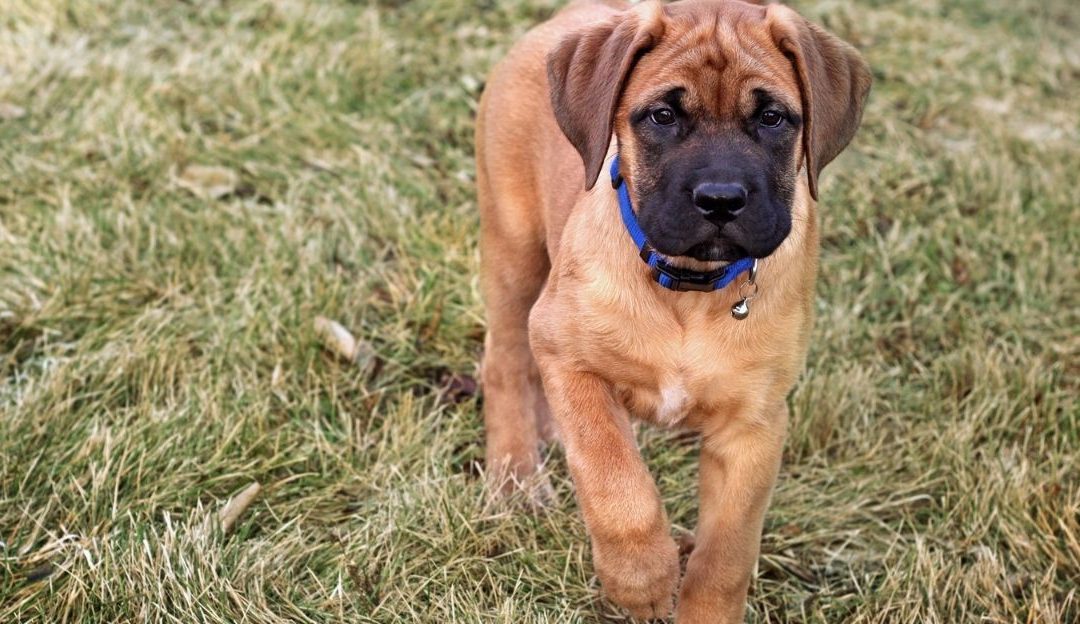
An 8-month-old dog is still in an intensive phase of growth and development. Bones, joints, ligaments, and muscles do not develop at the same pace, which can create a temporary appearance of instability.
During this period:
On an X-ray, these developmental shifts can resemble hip dysplasia, but without considering the dog’s age, the image can be easily misinterpreted.
What Is the Real Issue at 8 Months?
Instead of labeling it as hip dysplasia, it is more important to consider:
-
Growth Rate & Nutrition: How fast is the skeleton maturing?
-
Joint Load: Are stairs, slippery floors, or jumping putting too much pressure on a developing system?
-
Hormonal Status: Puberty affects ligament laxity.
Very often, this is simply a growth imbalance where the body seems to “fall apart” only to later reorganize into a stable structure.
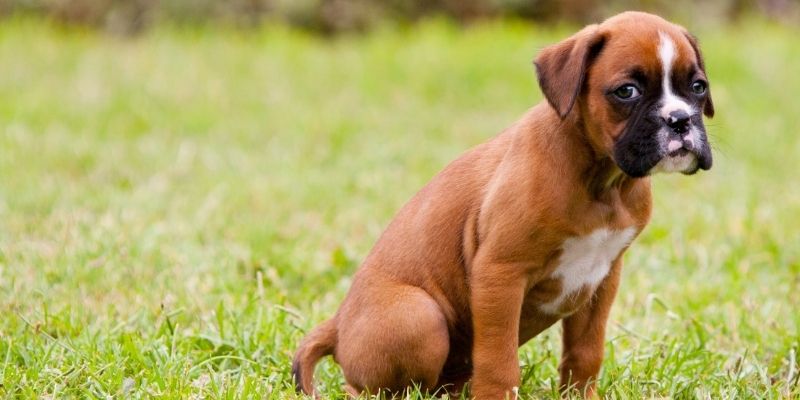
A dog’s development is not linear and goes through phases of growth imbalance.
Why It Is Important to Look at the Bigger Picture
A dog’s development is never linear. A permanent diagnosis of hip dysplasia is confirmed only after growth is completed, most often around 18 to 24 months of age. If we ignore the developmental phase, we arrive at incorrect diagnoses and unnecessary fear.
An 8-month-old dog requires monitoring, not labeling. Always observe the whole dog, not just the X-ray image.
At Sasha Riess, we believe in patience and understanding the biological clock of development. Rushing a diagnosis of hip dysplasia before the body is fully formed can disrupt the path to pureloveandharmony. Learn more about supporting your dog’s growth: Linktree Sasha Riess
The Dog Groomer’s Dilemma: Journey Trough Burnout, Belonging and Becoming