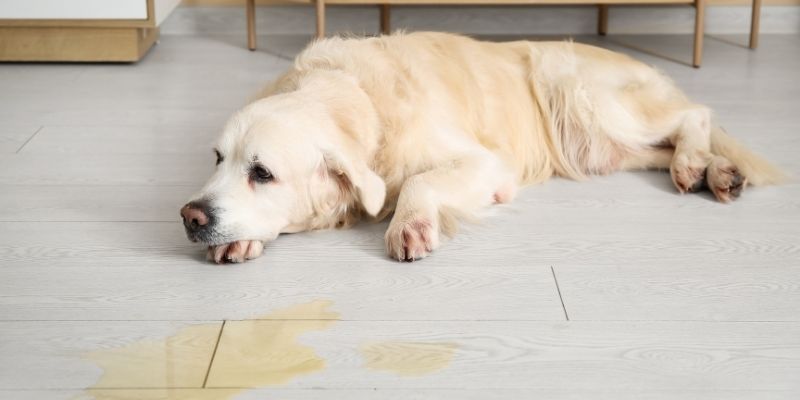
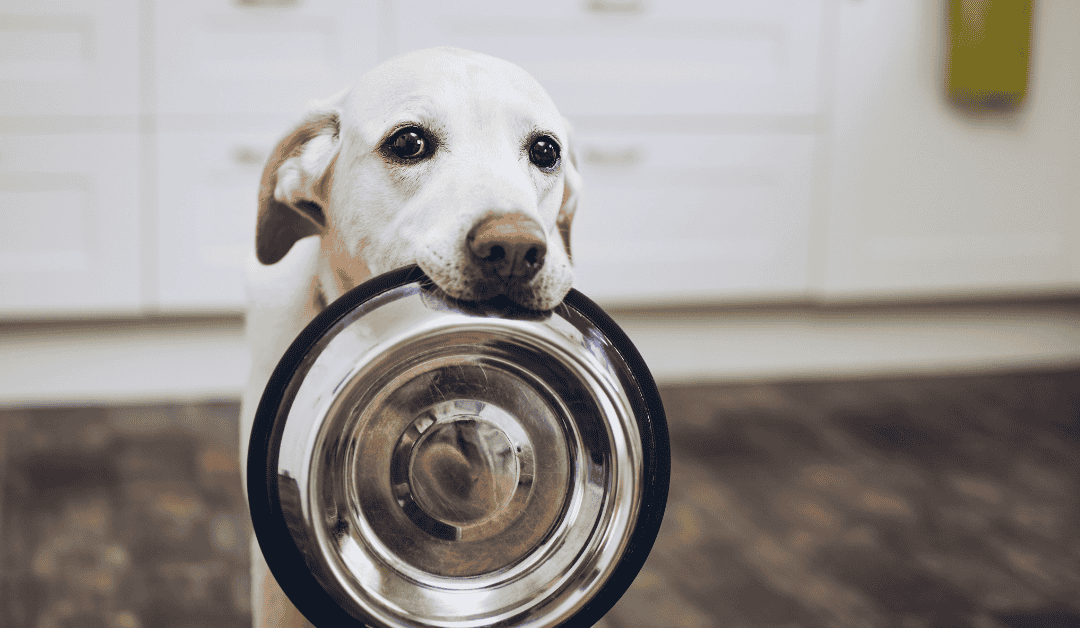
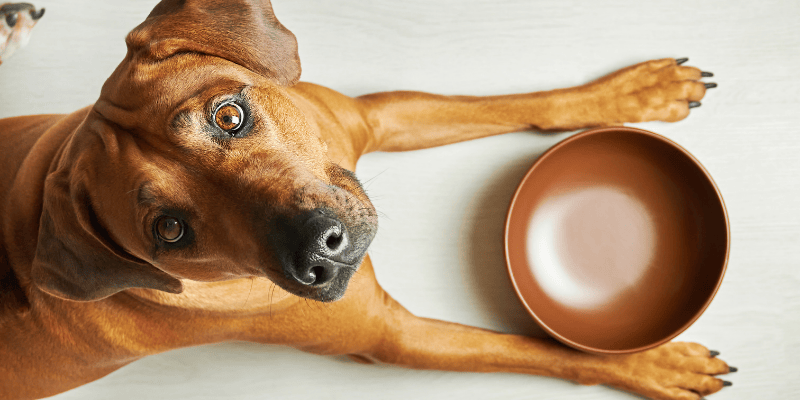
When a dog has a urinary infection in dogs, the smell of urine often changes and can become stronger, unpleasant, or unusual. In many cases, this smell is noticeable, but smell alone is not a reliable diagnostic sign, especially in male dogs.
When Can the Smell of Urine Indicate an Infection?
With a urinary infection in dogs, urine often:
Has a strong, heavy, or sweetly unpleasant odor.
Appears cloudier than usual.
Contains traces of blood.
However, the smell depends on the location of the infection. It can affect the bladder, the urinary tract, or the kidneys, and clinical signs vary accordingly.
Why Is Urine Analysis Necessary?
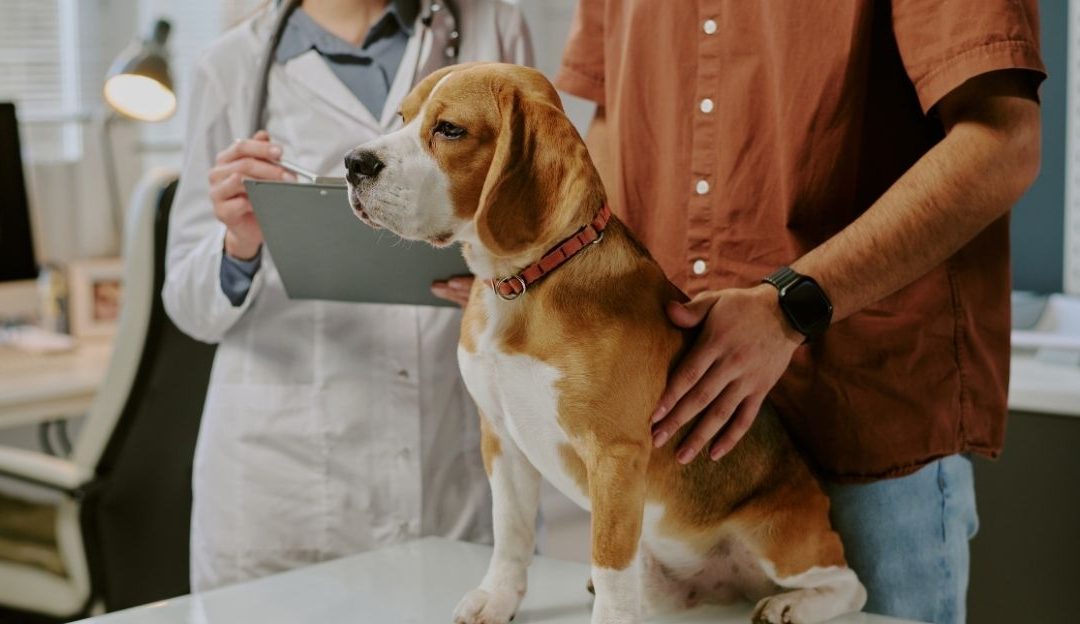
The most important step is a urine analysis performed by a veterinarian. This confirms or rules out infection and prevents incorrect treatment. Without professional analysis, any conclusion remains an assumption.
When the Problem Is Not a Urinary Infection
If a dog continues to urinate inside after a urinary infection in dogs has been ruled out—especially if it also defecates indoors—this is very often a sign of separation anxiety rather than a medical issue.
Urination is often a message of insecurity, not a health problem.
Urinating as a Message, Not a Disease
A dog with separation anxiety is not acting out of spite. They are sending a message of insecurity. By urinating, the dog tries to:
Leave its scent to feel safe.
Call the owner back.
Calm its own fear through marking.
The Real Cause of Separation Anxiety
The dog doesn’t have a problem because it is alone, but because it feels excessive responsibility and lacks clearly established boundaries. It doesn’t trust that you are safe when you are apart. Distinguishing between a medical urinary infection in dogs and an emotional pattern is the first step toward a real solution.
At Sasha Riess, we believe that every symptom is a form of communication. Whether it’s a urinary infection in dogs or a sign of separation anxiety, the goal is to restore balance and pureloveandharmony. Discover how to understand your dog’s messages: Linktree Sasha Riess
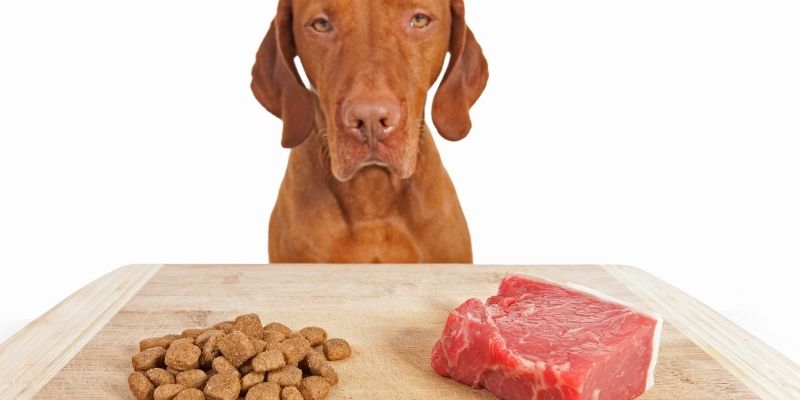
Dog kibble has been presented for years as the safest and most practical form of nutrition. However, more owners are questioning what is really inside those pellets and the long-term impact on a dog’s health. Conflicting opinions—from it being a balanced diet to a dangerous industrial compromise—add to the confusion.
Dog Kibble: Industrial Food or a Compromise?
Modern lifestyles have pushed dog kibble to the forefront because it is easy to dose and has a long shelf life. Still, the real question is not whether a dog can survive on it, but whether a dog can truly be healthy on it.
Sasha Riess: “Would You Eat a Pellet or a Drumstick?”
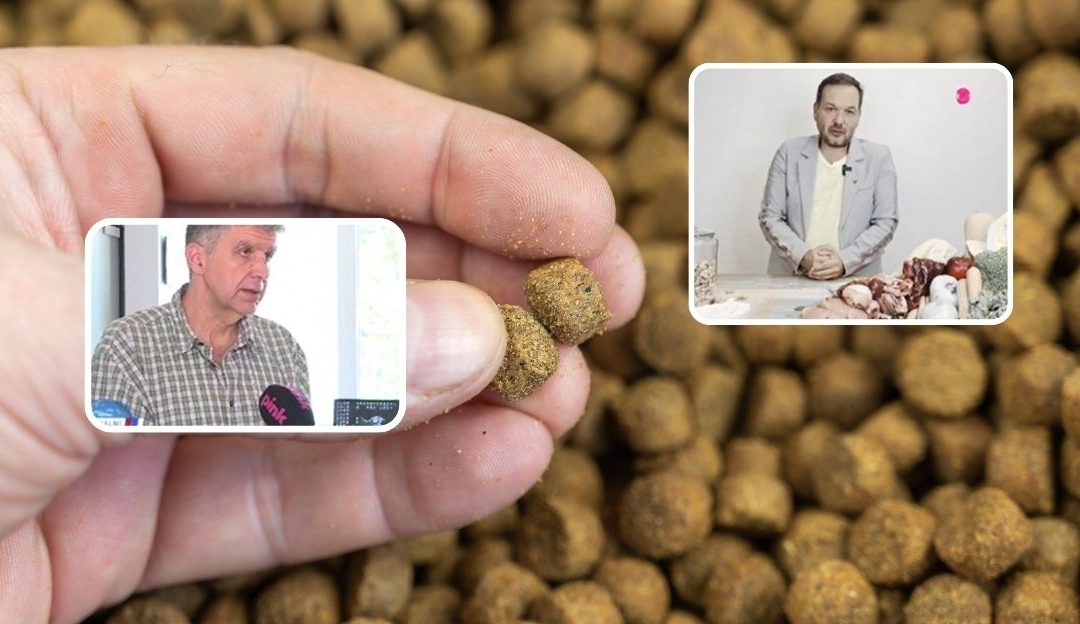
Sasha Riess openly speaks about the origin of industrial dog food, noting that over 22 million tons of animal by-products are processed annually.
Hidden Ingredients: Labels mention „animal by-products,“ which often include remains from farms, zoos, and the egg industry.
Additives: Sasha warns that dog kibble is full of preservatives, flavor enhancers, and artificial colors to make dehydrated food palatable.
Hydration Issues: These additives force dogs to drink excessive water, potentially burdening the digestive and urinary systems.
His conclusion is a simple analogy: “Ask yourself, would you eat a pellet or a drumstick?”
Veterinarian Vladimir Terzin: “Kibble Is a Balanced Diet”
On the other hand, veterinarian Vladimir Terzin believes dog kibble is a safe option.
Balance: He argues it contains necessary proteins, carbohydrates, fats, and trace elements.
Normalization: Terzin emphasizes that many ingredients are also present in human food and shouldn’t be demonized.
Practicality: For most owners, ready-made food remains an acceptable and convenient solution.
Dog kibble is the most common, yet most controversial, form of canine nutrition
Is Dog Kibble a Good Choice for Every Dog?
The truth is complex. While practical, dog kibble is not a universal solution. Some dogs develop allergies or chronic inflammation due to industrial ingredients. In such cases, nutrition must be individualized and adapted to the specific dog’s needs.
An Informed Decision Instead of Blind Trust
A dog cannot choose; the owner chooses on its behalf. Whether you decide on dog kibble, cooked food, or raw feeding, the key is to know what you are giving and how your dog responds. A dog’s health depends on the responsibility of the one who fills the bowl, not the marketing on the bag.
At Sasha Riess, we encourage owners to look beyond the label. Whether you use dog kibble or fresh food, the goal is always internal balance and pureloveandharmony. Discover more about our views on canine wellness: Linktree Sasha Riess
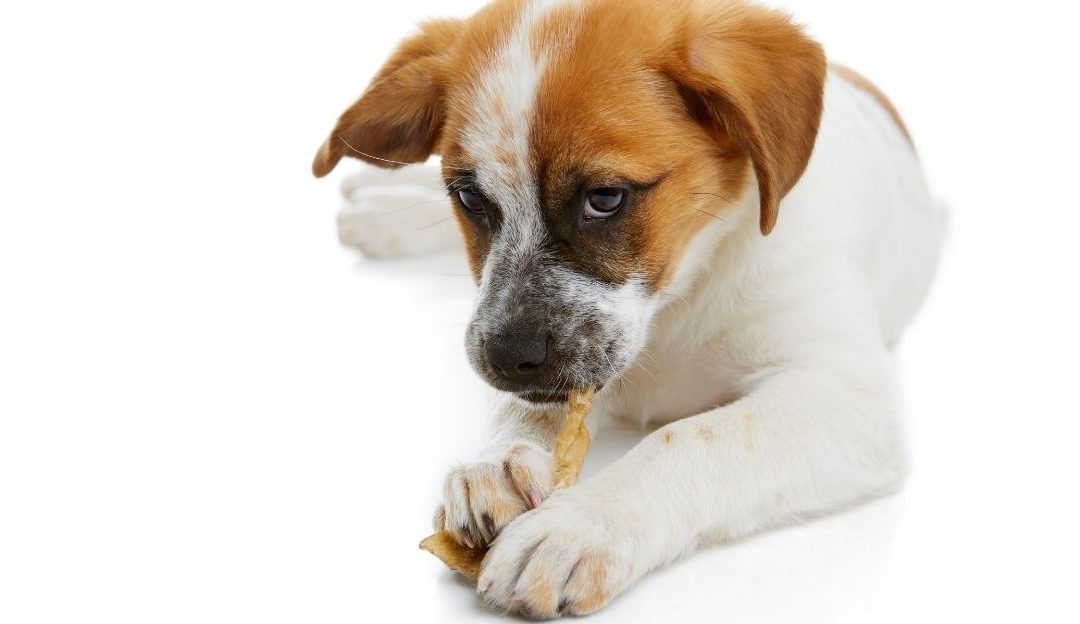
Homemade dog treats can be the simplest and healthiest choice, but only if you know what you are doing. The real problem is often not the ingredients themselves, but the chemical processes and preservatives found in industrial products.
How to Make Homemade Dog Treats at Home
The process is simple and requires no special equipment. To ensure the highest quality:
Buy raw ingredients (like pig ears or chicken feet) from a trusted butcher.
Arrange them on a baking tray.
Dry them in an oven or dehydrator at 70°C overnight.
Let them cool and store them in glass jars.
Prepared this way, your homemade dog treats can last up to one month without any artificial preservatives.
Why Industrial Treats Are Not Harmless
There is very little discussion about what happens during the production of commercial treats. Nothing that lasts for years on a shelf is free of chemicals. Fatty raw materials naturally oxidize and become rancid, which is why industrial producers add strong preservatives to prevent spoilage. These additives can be far more harmful to your dog than not giving a treat at all.
Even labels like “organic” or “natural” don’t reveal the chemical processes a product has undergone. The rule is simple: If you cannot make it yourself, do not buy it. A dog will not suffer without treats, but they can suffer from what we give them out of ignorance.
Simple, Natural, and Without Compromise
Real homemade dog treats do not need to last forever. They need to be safe, fresh, and of clear origin. By choosing to make them yourself, you are controlling exactly what enters your dog’s system.
At Sasha Riess, we believe that purity is the highest form of care. Making homemade dog treats without chemicals is a vital part of maintaining your dog’s internal balance and achieving pureloveandharmony. Discover more about our natural approach:Linktree Sasha Riess
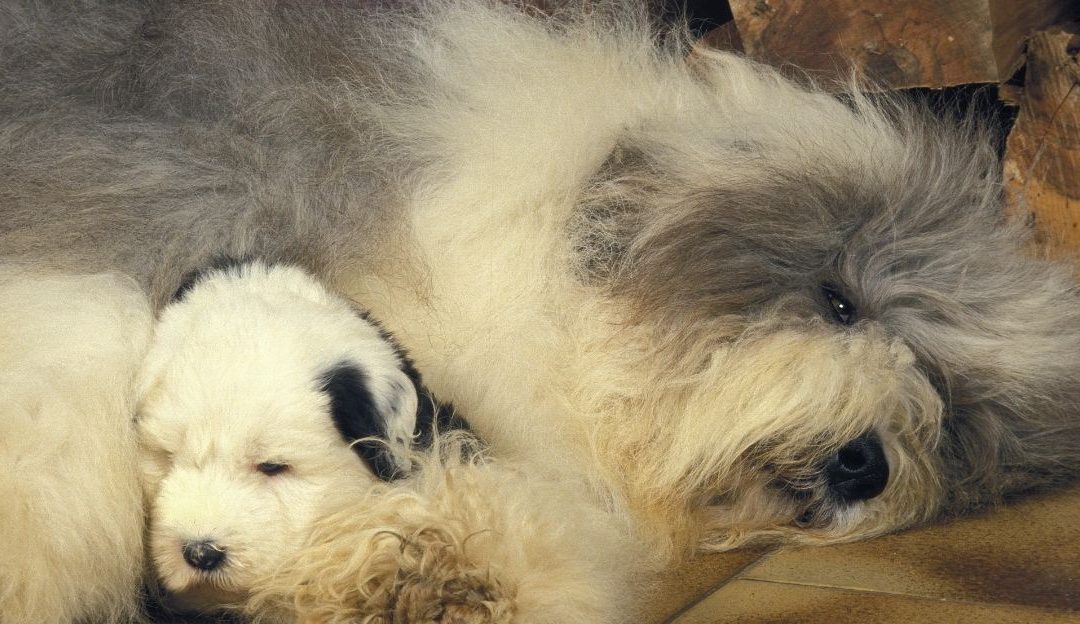
Rehoming puppies is one of the most important moments in a dog’s life. It is a decision that has long-term effects on behavior, emotional security, and the ability to adapt to life with humans. While debates often vary between „as early as possible“ or „as late as possible,“ canine biology and instinct offer a very clear answer.
When Is the Ideal Time to Rehome Puppies?
The ideal window for rehoming puppies is between the 8th and 9th week of life. While some breeds may shift slightly, it should never be significantly earlier or later. This is the moment when primary socialization with the mother and litter concludes, and the puppy becomes ready for a new type of relationship—the one with humans.
Why Is the 8th to 9th Week Crucial?
At this age, the puppy biologically and psychologically emerges from the „den.“ In nature, this is when young animals explore the world under parental guidance. Between the 8th and 9th week:
The brain is most open to new information.
Curiosity outweighs insecurity.
Fear is not yet the dominant response.
Foundations of authority and trust are formed.
Therefore, rehoming puppies at this stage is a natural transition, not a disruption.
Risks of Early or Late Separation
Understanding the risks of improper timing is vital for future stability.
If Puppies Are Separated Too Early (Before 7th Week):
Failure to develop bite inhibition.
Poor frustration tolerance.
Insecure emotional attachment and future aggression.
If Puppies Are Rehomed Too Late:
The socialization window with humans begins to close.
Increased difficulty in accepting environmental changes.
Over-bonding with other dogs, leading to issues with human authority.
Puppies learn about the world during the period when rehoming puppies is most natural.
Rehoming Puppies as a Responsibility
Moving a puppy to a new home is not an administrative act, but a developmental milestone. At this stage, the puppy does not „lose“ its mother; it gains a new figure of safety. When rehoming puppies happens at the right time, trust is naturally transferred from the mother to the human. Respecting this biological window is a matter of honoring the dog’s instinct and long-term well-being.
At Sasha Riess, we believe that respecting natural biological windows is the first step toward leadership. Choosing the right time for rehoming puppies ensures a foundation of trust and a life of pureloveandharmony. Learn more about our philosophy: Linktree Sasha Riess
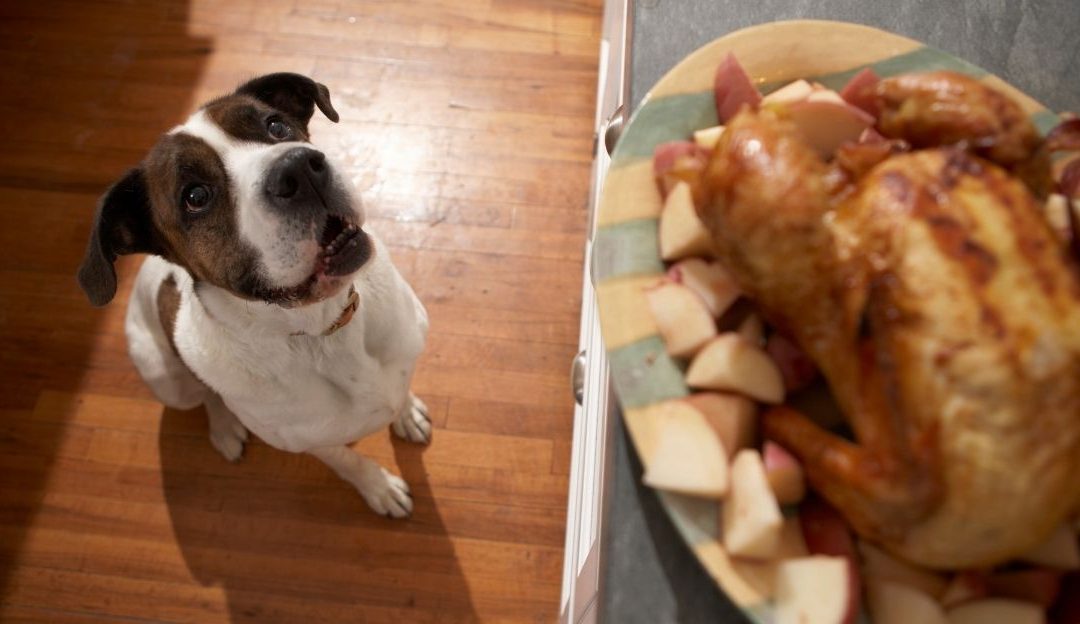
Feeding dogs table scraps is a common mistake owners make with good intentions. However, leftovers from your meals are often full of salt, sugar, spices, and seasonings that are inappropriate and harmful for their sensitive systems.
How to Prepare a Healthy Meal for Your Dog
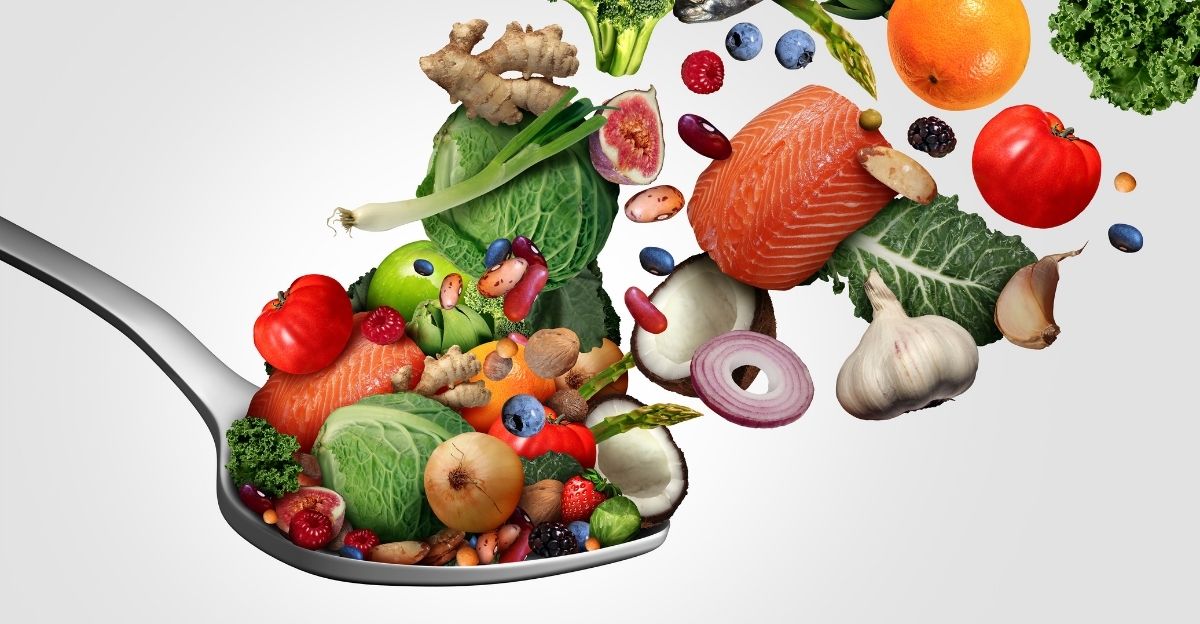
The point is not to forbid giving food to your dog, but to prepare a separate meal using the same basic ingredients you use for yourself. Instead of feeding dogs table scraps, prepare food from fresh vegetables and fruits that are part of your own cooking process.
This does not mean the dog eats your leftovers. It means that from the same fresh and healthy ingredients, a meal is intentionally prepared for the dog—without the harmful additives of a finished human dish.
[Image showing fresh vegetables being prepared separately for a dog]
The „Human Grade“ Standard
A simple rule to follow: if you do not eat kale or beets yourself, do not buy them specifically for your dog either. A dog should not eat what you would not eat yourself. By following this standard, you ensure the quality of their nutrition matches your own.
Why This Matters for Long-Term Health
Proper feeding protects your dog’s health and gut microbiome, prevents digestive issues, and helps the dog develop a healthy relationship with food. Avoiding the habit of feeding dogs table scraps supports:
Proper dog nutrition is the key to health and energy.
Conclusion: Love Shown Through Nutrition
Do not engage in feeding dogs table scraps. Prepare meals for them from the same high-quality ingredients you use, but adapted to their specific needs. This is how love is shown in the right way, ensuring your dog’s health is preserved through every bite.
At Sasha Riess, we believe that nutrition is the foundation of balance. By moving away from feeding dogs table scraps and toward intentional, fresh meals, you are nurturing a state of pureloveandharmony. Discover more about our holistic approach: Linktree Sasha Riess
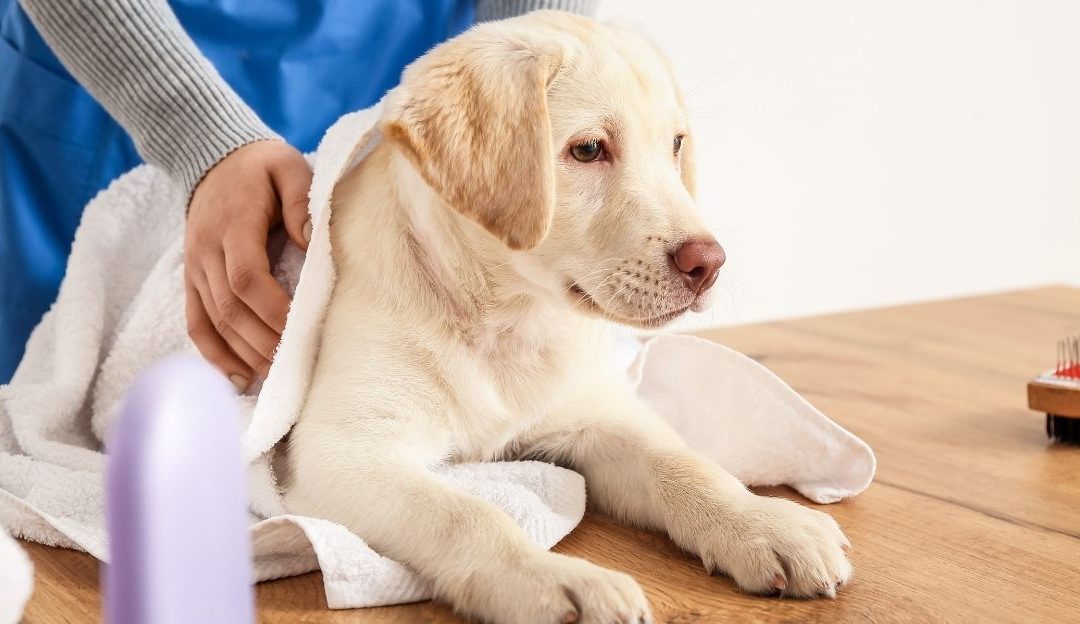
Wiping a dog with wet wipes is not forbidden, but only under certain conditions. The key question is not just can I wipe my dog with wet wipes, but what products are being used and how frequently the skin is being treated.
Which Wet Wipes Are Allowed for Dogs?
The most important thing is to check the ingredients. Wet wipes must never contain alcohol. Alcohol strongly dries out the skin and damages the natural protective barrier. This stimulates the skin to produce even more oil as a reaction, which can result in:
A greasier coat
Irritation and itching
An unpleasant odor
Better Alternatives for Daily Hygiene
In most cases, a simple damp cloth is completely sufficient. If you are wondering can I wipe my dog with wet wipes every day, consider these safer options:
A dry cloth for removing mud and dust.
Occasional bathing tailored to the dog’s actual needs.
If a dog gets dirty often, the solution is not constant wiping, but a properly adjusted hygiene routine.
The Role of High-Quality Conditioner
Using a premium dog conditioner helps the coat retain less grease and attract less dirt from the environment. When the coat is healthy, it is often enough to gently wipe the dog with a damp cloth without aggressive cleaning agents.
Wet wipes, even those without alcohol, should not be used constantly. Over-reliance on them can remove natural oils and disrupt the skin’s microbalance. When asking can I wipe my dog with wet wipes, remember that less is more. Over-drying the skin leads to faster soiling, creating a vicious circle.
The Essence: Preserving Natural Balance
The goal is to preserve natural balance, not sterile cleanliness. For those seeking the best for their dog’s skin, Sasha Riess Pure Love & Harmony uses 100% natural active ingredients like aloe, jojoba, lavender, and mineral-rich spring water to nourish without stripping away protection.
At Sasha Riess, we believe that true beauty comes from health. Understanding can I wipe my dog with wet wipes responsibly is part of maintaining the pureloveandharmony of your dog’s skin and coat. Discover our natural solutions: Linktree Sasha Riess
There is a moment in the life of every dog owner that is never forgotten. It is the moment when we realize that the dog never asked anything from us except for our presence. Not perfection, but simply to be there. This is when we understand that adult love toward a dog takes the form of responsibility, not just affection.
Rexi in the Family Mirror: A Crack That Tenderness Could Not Hide
Rexi came into a family that truly wanted him. At first, everything looked ideal. However, within that love, there was no space for boundaries. When Rexi showed fear, he received even more comfort. Love turned into something that strengthened neither the dog nor the human.
Adult love toward a dog means saying no out of care, providing a sense of safety that tenderness without direction can never replace.
The Invisible Trap: When Attachment Becomes Emotional Captivity
Instead of stability, dependency developed. A love without a future was born—one that asks the dog to adapt to our weaknesses. This is a relationship where the dog serves as an emotional shield against loneliness. In such a bond, the human believes they are giving everything, while in reality, they are asking the dog to become what is missing in their human relationships.
Adult love toward a dog means saying „no“ out of care, providing a sense of safety that tenderness without direction cannot replace.
Why Tenderness Without Boundaries Becomes Violence
When every separation became unbearable, it was clear: Rexi didn’t have a problem with love; he had a problem with the absence of leadership. He was seeking an adult who could say no out of care, not out of fear of rejection. Understanding adult love toward a dog requires us to give them space to be dogs, without the task of healing human wounds.
Only when we restore their place in the natural order can dogs truly breathe with full lungs.
The Dog as a Teacher: Responsibility That Restores Inner Peace
A dog does not teach us how to pet him; he teaches us how to love in a way that allows the other to be what they truly are. Rexi’s story is a call to examine what we truly give our dogs: comfort that soothes us, or security that empowers them.
Only when adult love toward a dog is established can we say that we have not lost the dog, but have found ourselves. Then that love is no longer an escape, but a path we can walk together.
At Sasha Riess, we advocate for a relationship built on mature leadership. Moving beyond emotional dependency toward adult love toward a dog is the only way to achieve a state of pureloveandharmony. Discover more: Linktree Sasha Riess
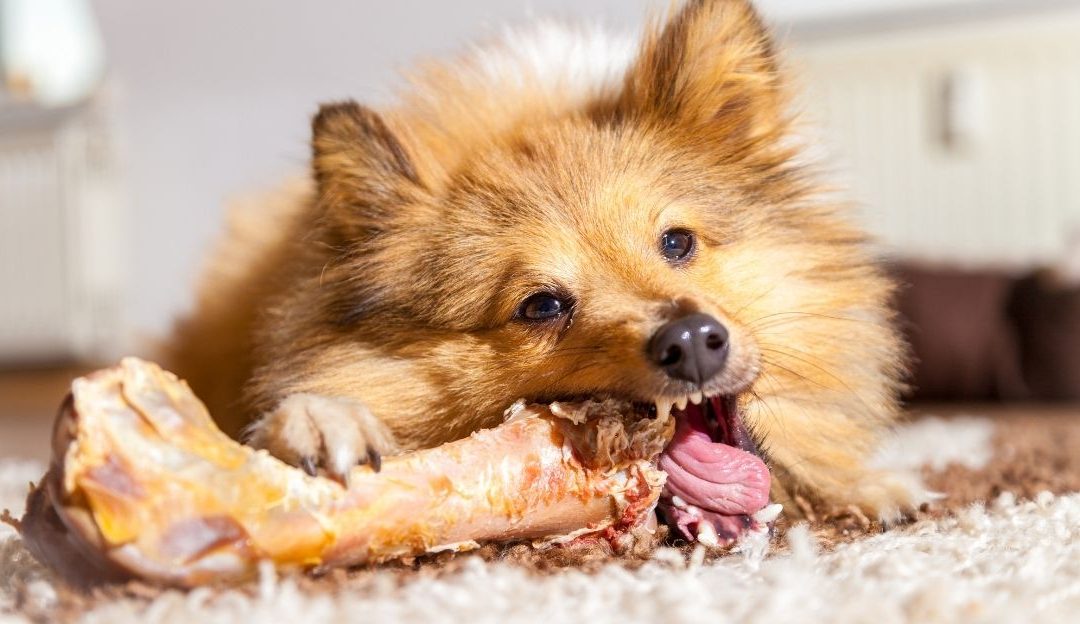
Taking a bone or food from a dog often seems like a small matter, but the way we do it can have a long-term impact on the dog’s trust and sense of safety. Knowing how to take a bone from a dog without creating stress or fear is essential for every owner.
Why Direct Removal Triggers Resource Guarding
In principle, a bone or food should not be snatched from a dog while he is eating or playing, unless there is a real danger—such as the bone becoming too small. Directly grabbing an object:
Activates the instinct to protect valuable items.
Disrupts the dog’s sense of safety.
Can create conditions for future aggression.
The dog does not understand that you are protecting him; he only understands that something important was taken away.
Recognizing Situations Where Safety Is Priority
Safety sometimes overrides the rule. You must act if:
The object is a choking risk.
You are leaving the house.
The dog carries it to an unsafe place.
The Proper Method for Safe Retrieval
The most important rule is: You do not take the bone from the dog. You take the bone that the dog has already left.
Step-by-Step Procedure:
The dog is chewing the bone.
Redirect the dog’s attention from a distance.
The dog leaves the bone on his own to come to you.
Remove the bone while the dog is focused on something else.
In this way, your pet does not experience loss or feel the need to defend a resource. This is the secret of how to take a bone from a dog correctly.
Redirecting and Rewarding Without Confusion
The dog should be rewarded for moving to another place, not for „giving up the prize.“ This distinction is crucial. If a dog thinks coming to you means losing his treasure, he will stop coming. Always reward the recall, and remove the object quietly when it is no longer on his mind.
A bone is not taken – it is removed once the dog has left it.
Behaviors to Avoid During the Process
To maintain trust, avoid these common mistakes:
Do not „test“ the dog while he is chewing.
Do not say „give it“ while snatching the object.
Do not force the dog to choose between you and the bone.
Trust Is Built in Small Moments
The way you handle these items today determines how your dog responds tomorrow. When you understand the right approach, you teach him that a human does not threaten his resources but brings safety.
At Sasha Riess, we believe that leadership is built on trust, not force. Understanding how to take a bone from a dog by respecting their instincts is a key step toward achieving pureloveandharmony. Discover more: Linktree Sasha Riess
Dogs easily awaken the “Mom” and “Dad” in us. Understanding why we see them as our children is the first step toward avoiding the parenting trap and recognizing their true nature.
Neoteny and the Evolution of Dogs
When dogs began evolving from wolves and coming closer to humans, they had to find a way not to fear humans, and not to scare them either. This process is key to understanding why we see our dogs as our children. Throughout evolution, dogs retained neotenous characteristics—round eyes, small noses, and soft body lines—that trigger our parental instincts.
Baby-Like Features and the Parental Instinct
Humans are naturally drawn to beings with childlike features. Not only do dogs look like babies, but their behavior also reminds us of young offspring: they seek attention, depend on us, and remain emotionally attached.
[Image depicting the visual similarities between neotenous dog features and human infants]
Why This Becomes a Trap
A young wolf pup needs its parents to survive. An adult wolf can form a pack with others, but a pup cannot. The same applies to dogs: we’re naturally drawn to them and feel responsible for their well-being. That’s why we so easily fall into the parenting trap, seeing them as our children instead of recognizing them as independent beings.
Dogs are not our children, even though they awaken those instincts within us.
Baby-like features in dogs awaken our parental instincts, which is why we often see them as children.
Community and Love
Understanding the evolutionary background and neotenous traits of dogs helps us separate instinctive attachment from parental emotion. Dogs remind us of wolf pups, but their role in our lives is different. They are not our children; they are our partners in community, trust, and love. Recognizing this allows them to thrive as the animals they truly are.
At Sasha Riess, we respect the dog’s true nature. While we understand why we see our dogs as our children, we strive to move past the „parenting trap“ toward a partnership based on leadership and respect. This clarity brings us to a state of pureloveandharmony, where the dog is free to be a dog. Discover more: Linktree Sasha Riess
Many dog owners get confused when their dog suddenly refuses to eat from the bowl. They often assume their dog isn’t hungry or that something’s wrong, but in my experience, the reason is usually much simpler. To understand why your dog won’t eat from their bowl, we must look at both the physical environment and the emotional ritual.
Fear of Sound and Material
I’ve seen dogs refuse to even approach their bowl. The most common reason is fear of sound—especially if the bowl is metal and rattles when moved. The first thing to try is switching to a different type of bowl. Plastic or ceramic ones are quieter and feel safer to most dogs.
Note: Always use plain white ceramic bowls without colors or patterns.
The Feeding Ritual Is Key
What completely changed my approach to feeding was the ritual itself. A dog must understand that food comes from you—the natural leader of the pack.
I would prepare something simple for myself: a slice of apple, a piece of bread, or a small bite of chocolate (for me, of course—never for the dog). When I take the first bite, the dog senses the smell, sees the start of the meal, and instinctively understands that it’s feeding time. After that, I place the dog’s food down. The dog perceives it as me offering what’s left of my own meal—a natural process in the canine world.
Consistency Builds Confidence
If a dog refuses food, I remove the bowl immediately. There’s no pleading, no “just one more bite,” and no offering something else instead. I decide when, what, and how much my dog eats. Dogs learn this quickly because they recognize feeding rhythm as part of the pack hierarchy. Patience before feeding is part of the ritual through which the dog accepts the owner’s authority.
Patience before feeding is part of the ritual through which the dog accepts the owner’s authority.
My Message to Dog Owners
If you are wondering why your dog won’t eat from their bowl, don’t worry right away—the reason is often simple and easy to fix.
Change the bowl to plain white ceramic.
Create a calm feeding ritual where you eat first.
Stay consistent with the timing and removal of food.
Dogs love structure and routine. When they feel that you’re the one leading the process, they’ll soon eat confidently and peacefully from their bowl.
At Sasha Riess, we believe that every detail, from the color of the bowl to the ritual of the first bite, communicates safety and leadership. Understanding why your dog won’t eat from their bowl allows you to restore order and trust, bringing your relationship into a state of pureloveandharmony. Discover more: Linktree Sasha Riess