by Sasha Riess | 14.08.26. | Nutrition
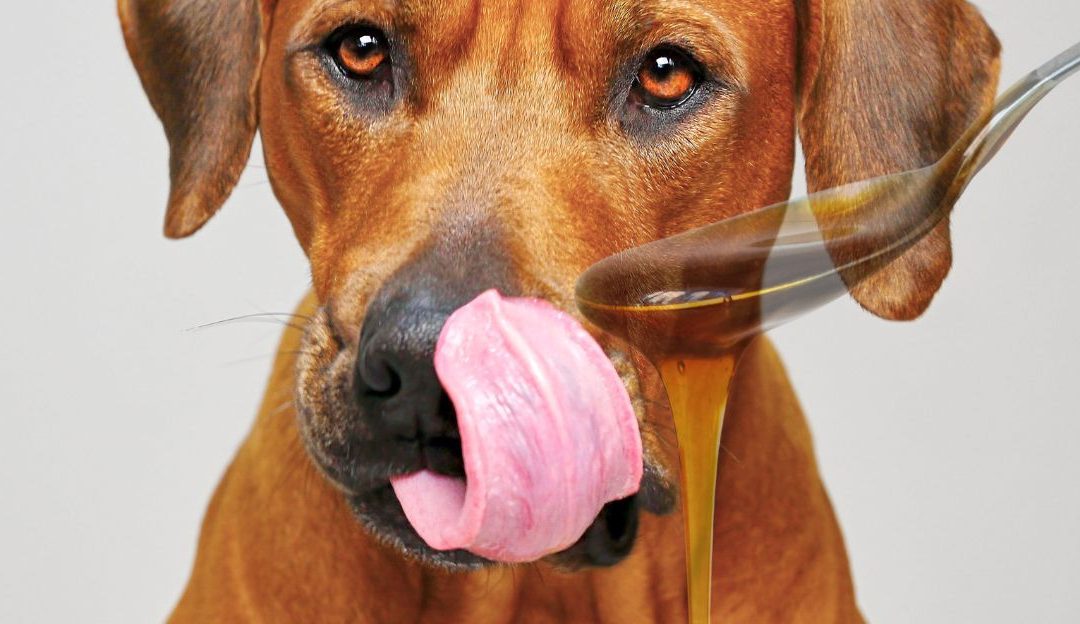
Many dog owners wonder whether bee products can be a healthy addition to their pet’s diet. Natural honey for dogs can serve as a valuable nutritional supplement and has existed traditionally for generations because of its rich composition and natural properties. However, one important principle requires our consideration. Whenever possible, choose high-quality local honey that bees produce from your immediate area.
Why Local Honey May Be Beneficial
Local honey comes directly from the pollen and plants naturally present in the environment where both you and your dog live. Consequently, many owners prefer local products as part of a varied and natural diet. In addition to providing natural sugars, honey contains trace amounts of enzymes, antioxidants, and other naturally occurring compounds. Therefore, for many dogs, small amounts can serve as an enjoyable occasional addition to daily meals.
Proper Serving Size
As with any food, moderation remains essential. A commonly used guideline suggests approximately one-quarter teaspoon of honey per 5 kilograms (11 pounds) of body weight per day. However, the ideal amount may vary depending on the individual dog, age, activity level, health condition, and overall diet.
Owners should always introduce honey for dogs gradually and use it as part of a balanced nutritional plan. Simultaneously, dogs with diabetes, obesity, or other metabolic conditions should only receive honey under direct veterinary guidance.
Glucose and Energy for the Body
The brain relies heavily on glucose as a primary energy source. In healthy dogs, metabolic processes continuously produce glucose from multiple dietary sources. A balanced diet that includes appropriate amounts of proteins, fats, vegetables, and other nutrient-rich foods actively supports overall health and energy production. Consequently, when used thoughtfully and in moderation, honey for dogs can represent one of many natural foods that contribute variety and enjoyment to a daily diet.
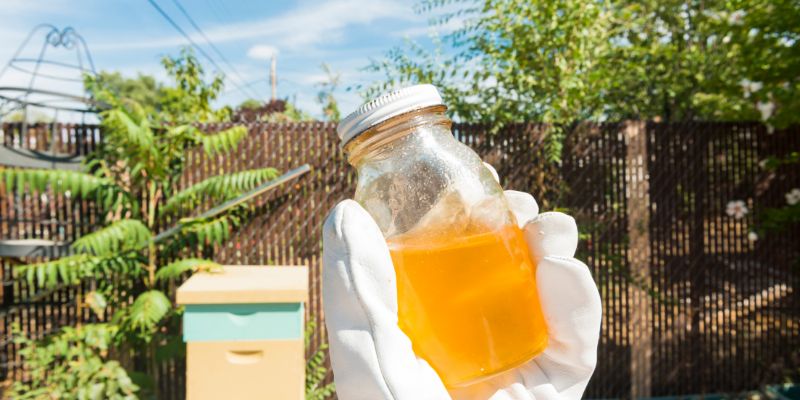
Whenever possible, choose high-quality local honey produced by bees from your immediate area.
A Balanced Approach
No single food creates complete health on its own. True wellbeing flourishes through the combination of quality nutrition, adequate hydration, physical activity, emotional balance, restorative sleep, and a healthy environment. Ultimately, honey does not represent a miracle cure, but when chosen carefully and offered appropriately, it serves as a simple and natural addition to a conscious nutritional approach.
Thank you for reading.
To discover more about how emotional alignment, balanced lifestyle, and authentic energy restore internal balance, read our canine nutrition guidelines.
At Sasha Riess, we look past commercial labels to honor the unique biological blueprint of your companion. True health requires addressing the subtle internal patterns that create lasting vitality and pureloveandharmony. Discover the customized path to your dog’s longevity: Linktree Sasha Riess
👉 Follow ourFacebook page and never miss our latest articles, news, and updates.

by Sasha Riess | 14.08.26. | Behaviour
How Exploring Nature and Biology Brings Us Closer to Understanding Our Dogs
When we observe nature, it is difficult not to notice one fascinating fact. Whether we are talking about a wolf in the forest, an eagle on a mountain peak, a dolphin in the ocean, or an ant beneath the soil, every living being appears to know exactly where it belongs. Its body, nervous system, behavior, and way of life have evolved over millions of years in harmony with the environment in which it lives. Nature did not create perfect beings; it created beings capable of adaptation.
On the other hand, there is the human being: the only species that did not merely adapt to the world around it, but developed the ability to reshape the world according to its own needs. Humans can build cities in deserts, illuminate the night as if it were day, redirect rivers, control indoor temperatures, and produce food thousands of miles away from where it originated. No other species on Earth possesses such power.
Yet this is precisely where one of nature’s greatest paradoxes begins. The more humans mastered their environment, the less they seemed able to master themselves. Never in history have we had more comfort, choices, or opportunities to decide where we live, what we eat, whom we build relationships with, and how we organize our lives. At the same time, there has never been more anxiety, chronic fatigue, sleep disturbances, emotional exhaustion, and feelings of inner instability. Consequently, it seems as though we conquered the external world while losing connection with our internal one.
This may sound provocative, but sometimes it seems that humans are the only species that systematically creates conditions that reduce the quality of its own life. I am not speaking only about wars, pollution, or social conflict. I am speaking about everyday decisions: the way we eat, sleep, work, build relationships, and shape our environment. We have the freedom to choose, yet very often we choose what moves us further away from balance. Therefore, in this downward spiral, humans bring with them all those they love: their families, their children, and the animals with whom they share their lives. That is why this is not only a story about humans; it is also a story about dogs.
The Impact of the Environment on the Dog’s Nervous System
Many of the problems we attribute to dogs may actually be consequences of the environment we have created.
For most of their evolutionary history, dogs lived in a world that was relatively predictable. The cycles of day and night were clear. Scents came directly from nature. Sounds generally carried meaning related to survival. Their biological systems evolved within an environment that was far simpler than the world we inhabit today.
The modern dog, however, no longer lives in nature. As we have discussed before, mineral balance within the body is deeply connected to nature, yet today’s dog spends most of its life within human civilization. Dogs live surrounded by traffic, screens, artificial lighting, noise, chemicals, constantly changing schedules, and an enormous amount of stimulation that the nervous system of dogs must process every single day.
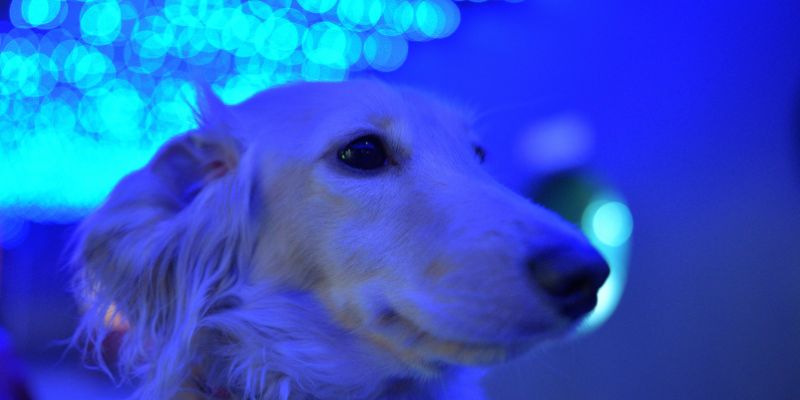
MODERN STIMULATION AND THE CHALLENGE OF MAINTAINING HOMEOSTASIS.
Ironically, many of the behavioral problems we now attribute to dogs may not have originated in dogs at all. Perhaps they originated in the artificial environment we created around them. We frequently talk about anxious dogs, reactive dogs, and overly sensitive dogs. However, far less often do we ask whether the nervous system of dogs is simply trying to adapt to living conditions that no generation before it ever experienced.
To understand why this matters, we must return to one of the most important principles in biology: homeostasis. Simultaneously, we must recognize that when it comes to the nervous system of dogs, homeostasis serves as the foundation of survival, balance, and inner peace in an increasingly chaotic world.
Ultimately, that balance will be the subject of the next column.
Thank you for reading.
To discover more about how emotional alignment, balanced lifestyle, and authentic energy restore internal balance, read our canine communication and behavior guidelines.
See you next time.
At Sasha Riess, we look past commercial labels to honor the unique biological blueprint of your companion. True health requires addressing the subtle internal patterns that create lasting vitality and pureloveandharmony. Discover the customized path to your dog’s longevity: Linktree Sasha Riess
by Sasha Riess | 13.08.26. | Wellbeing
Why Late Spaying or Neutering in Large Breed Dogs May Affect Thyroid Function
The decision to remove a dog’s reproductive organs is often viewed as a routine surgical procedure. However, spaying and neutering dogs, even in mature or senior individuals, may have significant effects on the body’s hormonal balance.
Integrative veterinarian Dr. Judy Morgan has spoken about a concern observed in some adult dogs following sterilization procedures. According to this perspective, thyroid function may decline after the removal of reproductive organs, sometimes becoming noticeable within six to twelve months after surgery.
The resulting changes may not be immediately obvious. Symptoms can appear gradually and may include shifts in behavior, energy levels, skin condition, or overall wellbeing. Consequently, understanding the underlying physiological changes requires looking beyond the symptoms themselves and examining how the endocrine system functions as an interconnected network.
The Chain Reaction Within the Endocrine System
The endocrine system operates as a complex web of glands that communicate through hormones. When owners choose spaying or neutering dogs, other glands within the endocrine network must adapt to the new hormonal environment.
The adrenal glands, in particular, continue producing small amounts of sex hormones such as estrogen, progesterone, and testosterone. As a result, they may be required to compensate for some of the hormonal functions previously supported by the ovaries or testicles. Supporters of this theory suggest that this additional workload may place greater demands on the adrenal system over time.
Why Are Cushing’s Disease and Addison’s Disease Often Discussed?
Within holistic and integrative veterinary circles, discussions frequently focus on the relationship between adrenal health and endocrine disorders. Two conditions often mentioned are:
-
Cushing’s disease, associated with excessive cortisol production.
-
Addison’s disease, associated with insufficient adrenal hormone production.
Some practitioners believe that long-term endocrine stress following procedures like neutering dogs may contribute to the development of these conditions in susceptible individuals. However, many factors, including genetics and overall health, also play important roles.
When One Hormonal Source Is Removed
The body constantly works to maintain balance. When one source of hormones disappears, the endocrine system adapts by redistributing responsibilities among its remaining glands. Consequently, from a holistic perspective, this adaptation may influence thyroid activity, metabolism, energy regulation, and overall hormonal harmony.

UNDERSTANDING THE SYSTEMIC IMPACT BEYOND INITIAL SYMPTOMS.
For this reason, many integrative practitioners encourage owners to carefully evaluate all potential benefits and risks before making decisions regarding elective sterilization procedures. Simultaneously, understanding these shifts allows guardians to offer better proactive support to their companions.
A Holistic Approach to Decision-Making
Every dog is unique. Age, breed, lifestyle, health history, genetics, and environmental factors should all guide decisions before choosing any major medical intervention. Therefore, a truly holistic approach involves gathering information, consulting trusted professionals, and making decisions based on the individual needs of the dog rather than following a one-size-fits-all recommendation.
Ultimately, the goal is not simply to prevent problems, but to support long-term health, balance, and quality of life for every animal.
Thank you for reading.
To discover more about how emotional alignment, balanced lifestyle, and authentic energy restore internal balance, read our canine wellbeing guidelines.
See you next time.
At Sasha Riess, we look past commercial labels to honor the unique biological blueprint of your companion. True health requires addressing the subtle internal patterns that create lasting vitality and pureloveandharmony. Discover the customized path to your dog’s longevity: Linktree Sasha Riess
👉 Follow our Facebook page and never miss our latest articles, news, and updates.
by Sasha Riess | 12.08.26. | Nutrition
When we buy commercial “fresh” or “natural” fresh pet food for our dogs, we often think only about the specific ingredients listed on the label. But rarely do we think about the complex journey that food must go through before it finally reaches our dog. Transport, packaging, and storage represent critical points in this process.
Consequently, if food does not contain strong preservatives, it naturally tends to deteriorate during transport and become contaminated with various dangerous pathogens. Therefore, the essential question remains: what truly happens to that food between the moment of production and the moment you place it in your dog’s bowl?
A Lesson Through Tears: The Trap of Convenience
We frequently witness painful moments when owners, faced with the severe consequences of their choices, deeply regret taking the easier path. The story of an owner crying while saying it was easier to buy ready-made fresh pet food than to cook, even though holistic veterinarians advised otherwise, serves as a clear warning for all of us.
Excuses such as “I don’t have time,” “I don’t know how,” or “I’m too tired” disappear instantly when the dog becomes ill. At that exact moment, we would give anything in the world to go back and choose the more difficult, but safer path.
The Responsibility of the Home Kitchen
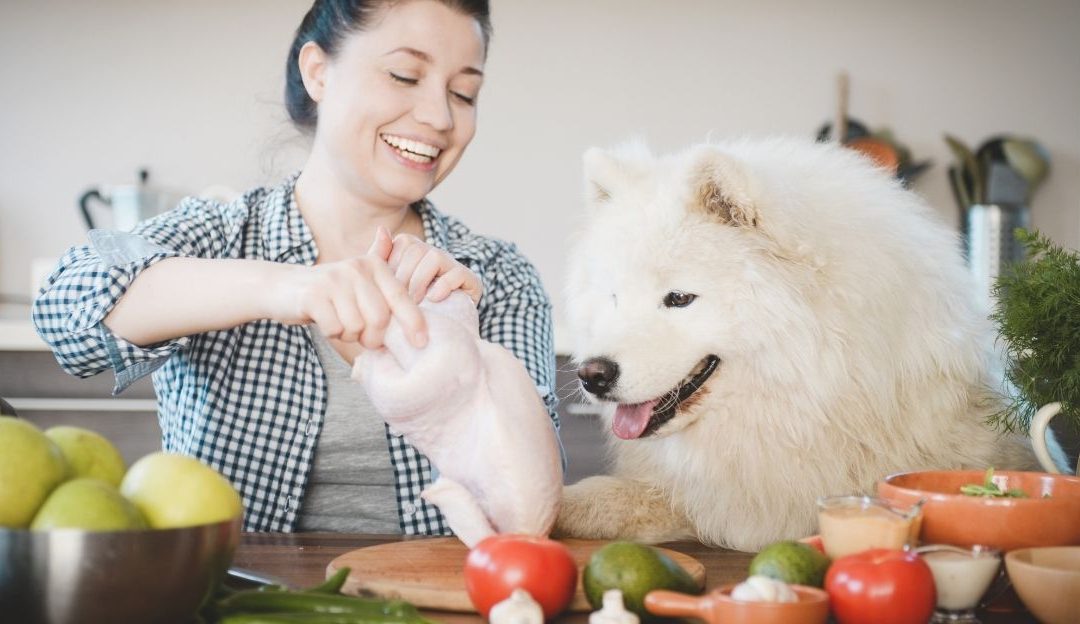
The main goal of this discussion does not involve spreading fear, but rather promoting conscious responsibility. When you prepare fresh pet food for your dog yourself, you control every single step of the process.
There is no storage in inadequate warehouses, no transport in high temperatures, and no invisible pathogens developing inside sealed packaging. Simultaneously, what you prepare with care, attention, love, and full presence becomes the safest and healthiest meal you can offer your dog. Ultimately, that dedication represents an investment in your dog’s life that has no price.

Transport, packaging, and storage are critical points where fresh pet food can easily deteriorate.
To discover more about how emotional alignment, balanced lifestyle, and authentic energy restore internal balance, read ourcanine nutrition guidelines.
At Sasha Riess, we look past commercial labels to honor the unique biological blueprint of your companion. True health requires addressing the subtle internal patterns that create lasting vitality and pureloveandharmony. Discover the customized path to your dog’s longevity: Linktree Sasha Riess
👉 Follow our Facebook page and never miss our latest articles, news, and updates.
by Sasha Riess | 11.08.26. | Behaviour
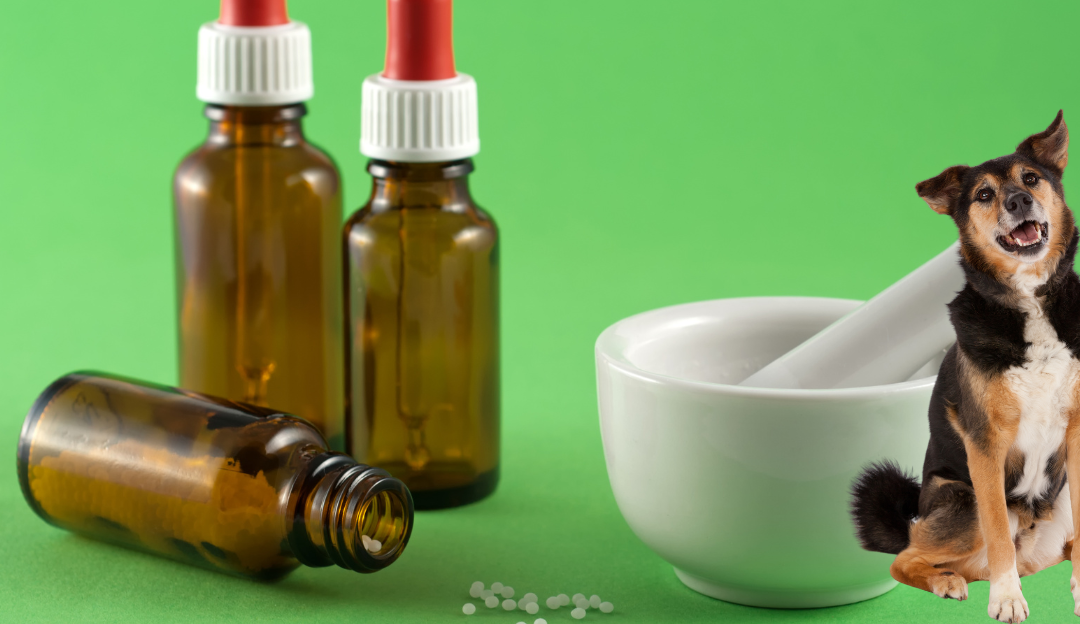
When homeopathy enters a conversation, people often imagine tiny sugar pellets or drops of water and wonder how something so simple could possibly possess healing power. The answer to how homeopathy works lies in the foundational concepts of physics, information, and energetic frequencies. Using specialized methods, practitioners transfer a precise energetic frequency of a specific plant or natural substance into a base of sugar or water, directly imitating wisdom found in nature. Consequently, when your dog takes that pellet or drinks that drop of water, it ingests information intended to stimulate the organism to recognize and eliminate the imbalance itself rather than heavy chemicals.
The Principle of Similarity: Micro Doses That Heal
Homeopathy relies on the ancient natural principle that “like cures like.” Certain plants or substances that cause specific symptoms in large quantities can, in extremely diluted homeopathic doses, produce the opposite effect and support the organism instead.
Therefore, by introducing this minimal and precise frequency, the dog’s immune system receives a clear signal encouraging the body to restore internal balance. However, this is precisely why many people view natural healing approaches as gentle forms of support that eliminate the heavy toxic burden often associated with strong chemical exposure to the liver and kidneys.
Active Cooperation With Professionals
Every holistic protocol we create for dogs includes detailed research into commonly recommended homeopathic preparations. Simultaneously, the main purpose involves helping owners become more conscious and active participants in discussions with health professionals. Through an interview conducted by a homeopath, owners describe the specific behaviors, habits, emotional patterns, and sensitivities of their dog.
Based on those details, the practitioner can determine an individualized constitutional approach more precisely. Ultimately, understanding how homeopathy works allows us to approach the body through the broader harmony of the organism itself, supporting awareness, balance, and the vitality of our closest companions.
To discover more about how emotional alignment, balanced lifestyle, and authentic energy restore internal balance, read our canine communication and behavior guidelines.
At Sasha Riess, we look past commercial labels to honor the unique biological blueprint of your companion. True health requires addressing the subtle internal patterns that create lasting vitality and pureloveandharmony. Discover the customized path to your dog’s longevity: Linktree Sasha Riess
👉 Follow our Facebook page and never miss our latest articles, news, and updates.

by Sasha Riess | 11.08.26. | Emotions
For something new to emerge, something old must be released. That process rarely feels pleasant. It carries uncertainty, fear, and a deep sense of loss. But, like in the well-known story of the eagle, it may represent the only way to survive and continue forward.
The Lesson of the Eagle: Vulnerability as the Path to Survival
After decades of life, the eagle reaches a point where its wings become heavy, its claws dull, and its beak too long for hunting. Consequently, it then retreats to an isolated place and does the unimaginable: it tears out its own feathers, breaks its claws, and strikes its beak against a rock until it shatters completely.
During this period, it cannot fly, cannot feed itself, and stands completely exposed to predators.
Therefore, if it does not go through this painful process, it will not survive. However, if it successfully completes this challenge, it gains decades more life.
The Brain’s Resistance to a New Life
Every movement of a spiritual being toward an inner awakening through physical reality brings discomfort to the body and mind. This is the exact moment of inner awakening when a person becomes most afraid of everything. Your brain and your body are programmed to survive within what remains familiar, and they will strongly resist every change that leaves them “without a beak and feathers.”
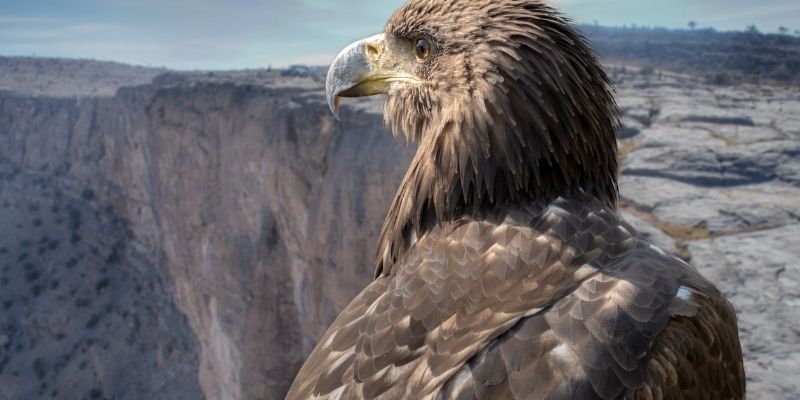
Like in the well-known story of the eagle, transformation may be the only way to survive and continue forward.
Yet it is precisely in that darkness, when we stop relying on old patterns, that life begins to appear before us in an entirely new form. Simultaneously, what frightens us the most often constitutes exactly what transforms us. Do not retreat from the pain of transformation. Ultimately, it serves as a clear sign that the old armor is falling away to make space for the wings that will carry you forward.
To discover more about how emotional alignment, balanced lifestyle, and authentic energy restore internal balance, read our canine emotions guidelines.
At Sasha Riess, we look past commercial labels to honor the unique biological blueprint of your companion. True health requires addressing the subtle internal patterns that create lasting vitality and pureloveandharmony. Discover the customized path to your dog’s longevity: Linktree Sasha Riess
👉 Follow our Facebook page and never miss our latest articles, news, and updates.
by Sasha Riess | 10.08.26. | Behaviour
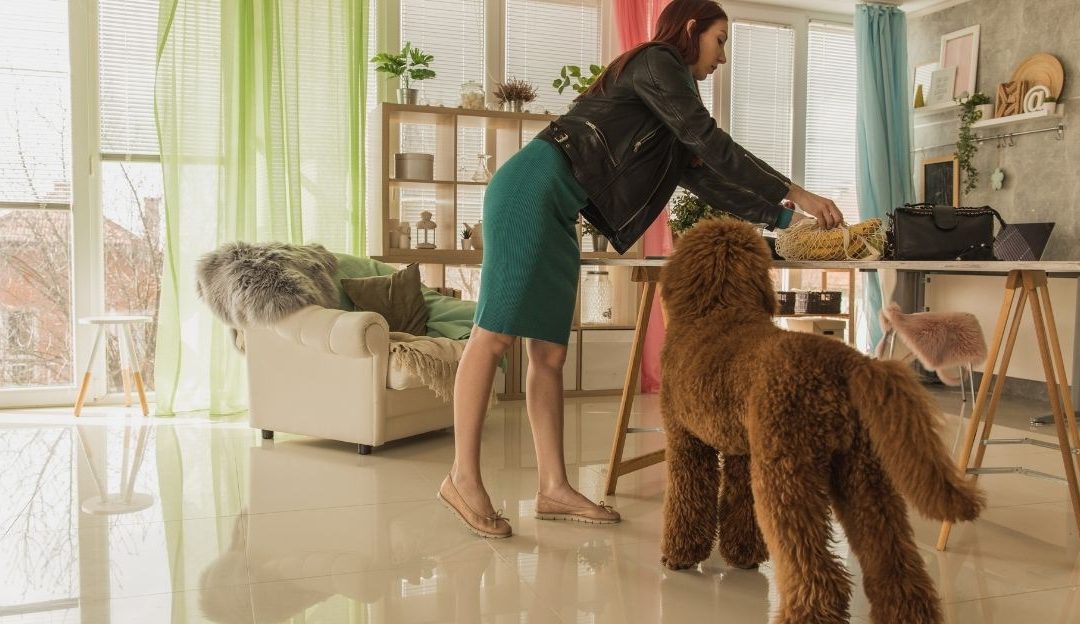
In the world of dogs, every time you leave the house, the dog perceives this action as going on a hunt. Hunting represents the most dangerous reason for separation because anything can happen during it, such as an attack from another predator or a severe injury.
Furthermore, a dog has no perception of time. Consequently, the dog does not know whether you have been gone for five minutes or three hours. It only knows that you left and that you returned.
The Trap of Excessive Attention
The biggest mistake we make lies in the ritual of returning home. We often walk in saying, “Kids, I’m home!” or immediately begin petting the dog. However, from the dog’s perspective, this behavior confirms that the “hunt” was indeed dangerous and that your return constitutes something extraordinary. In this way, we unconsciously feed the dog’s insecurity and its fear of the next separation.
The Rule: Don’t Look, Don’t Talk, Don’t Touch
When you execute a calm arrival home, act like the leader of a pack returning from completed work. Put down your bag, take off your jacket, and calmly continue with your routine without rushing.
Therefore, do not immediately look at the dog or speak to it. You have successfully completed your “hunt,” and the dog should remain calm and in its place.
Simultaneously, only when the energy in the room has completely settled, and the dog becomes neutral to your presence, should you initiate calm contact. Calm arrivals teach the dog that your departure and return represent completely normal and safe parts of life. Ultimately, the calmer your return, the safer your dog feels within the rhythm of everyday life.

The place where the dog stays should be his oasis of peace, not a place for panic.
To discover more about how emotional alignment, balanced lifestyle, and authentic energy restore internal balance, read our canine communication and behavior guidelines.
See you next time.
At Sasha Riess, we look past commercial labels to honor the unique biological blueprint of your companion. True health requires addressing the subtle internal patterns that create lasting vitality and pureloveandharmony. Discover the customized path to your dog’s longevity: Linktree Sasha Riess
👉 Follow our Facebook page and never miss our latest articles, news, and updates.

by Sasha Riess | 07.08.26. | Wellbeing
Responsible ownership and animal welfare awareness in Norway have reached the level of law, turning routine spaying and neutering of healthy dogs into a thing of the past. Yes, you read that correctly. According to Norway’s Animal Welfare Act, surgical procedures and the removal of healthy body parts remain illegal unless a owner proves a justifiable reason related to the health or welfare of the animal itself.
Consequently, the question Norwegians asked did not center on controlling dogs. Instead, they asked whether humans possess the right to remove a healthy organ from an animal without medical necessity. Their answer became national law. Simultaneously, Norway has virtually no problem with stray dogs, making street dogs an extremely rare occurrence. Most dogs carry identification, owners demonstrate high levels of responsibility, and authorities consistently enforce animal welfare laws.
How Responsible Ownership Replaces Routine Sterilization
This raises a very important question regarding animal welfare. For years, experts told us that routine spaying and neutering remained necessary to reduce the number of abandoned dogs. However, we now look at Norway.
Norway legally prohibits routine spaying and neutering of healthy dogs. Yet, abandoned dogs remain extremely rare across the country. Therefore, the nation addresses the problem not by removing reproductive organs, but through education, accountability, and responsible ownership.
Conscious Relationships and Responsible Ownership as the Alternative
The problem of abandoned dogs does not find its solution at the end of a scalpel. Instead, societies solve it through education, awareness, and a profound shift in social responsibility. Consequently, the most important question does not ask whether a dog should undergo surgery. The real question asks what kind of society we become when we attempt to solve human responsibility through surgery rather than through conscious behavior.
This is why the Pure Love & Harmony formula and the Sasha Riess approach focus on reconciliation between people and their dogs through knowledge, understanding, responsibility, and sustainable love. The emphasis on education and respect for the natural nature of the dog places responsible ownership at the center of any long-term solution.
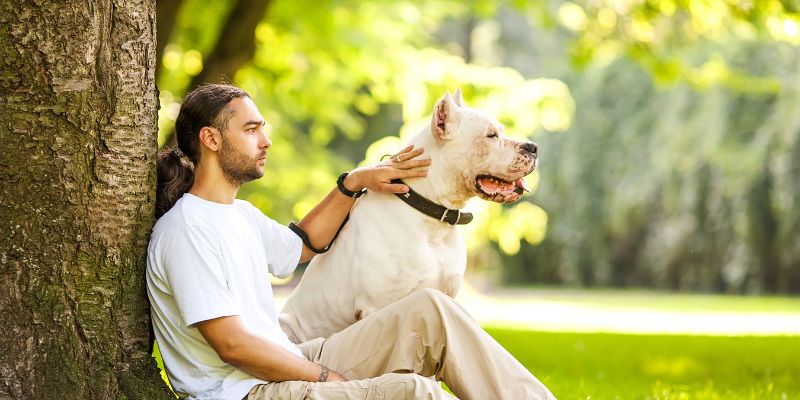
CONSCIOUS RELATIONSHIPS AND RESPONSIBLE OWNERSHIP AS THE ALTERNATIVE.
Norway’s Animal Welfare Act, Section 9
“Surgical procedures or removal of body parts must not be carried out unless there is a justifiable reason to do so out of consideration for the animal’s health.”
Now I feel genuinely interested in your opinion. Ultimately, if a society can address the problem of abandoned dogs without routine spaying and neutering of healthy animals, is it time to reopen this discussion?
To discover more about how emotional alignment, balanced lifestyle, and authentic energy restore internal balance, read our canine wellbeing guidelines.
At Sasha Riess, we look past commercial labels to honor the unique biological blueprint of your companion. True health requires addressing the subtle internal patterns that create lasting vitality and pureloveandharmony. Discover the customized path to your dog’s longevity:Linktree Sasha Riess
👉 Follow our Facebook page and never miss our latest articles, news, and updates.
by Sasha Riess | 06.08.26. | Nutrition
Stories like Obi’s no longer represent isolated cases that we can simply ignore. Consequently, increasing numbers of owners around the world now connect severe neurological reactions, epileptic seizures, behavioral changes, and even sudden deaths in dogs with ectoparasite tick tablets from the isoxazoline group. A single dose of a popular preventative can, overnight, turn a healthy puppy into a chronically ill dog dependent on strong anti-epileptic medication.
Even if a dog appears to tolerate these substances well for years, there always exists the possibility that, at some point, a internal trigger initiates toxic overload within the body.
What Lies Behind Aggressive Marketing?
Perhaps the saddest question behind stories like these does not merely ask what happened, but rather: did we receive true information before administering the product? Under the pressure of routine veterinary visits and aggressive advertising, we often accept solutions that appear simple and convenient.
However, we forget that these tick tablets function as systemic insecticides—substances that circulate through the dog’s bloodstream for months in order to kill parasites efficiently.
Therefore, when we begin to understand the ultimate price paid by the dog’s nervous system, it becomes completely clear that we must search for safer alternatives.
Returning to Natural Protection and Immunity
Sometimes loving a dog means having the courage to ask difficult questions, to conduct independent research, and to refuse to accept something blindly simply because it enjoys popularity. Dogs do not represent statistics. Simultaneously, they do not constitute a commercial market or a clinical experiment.
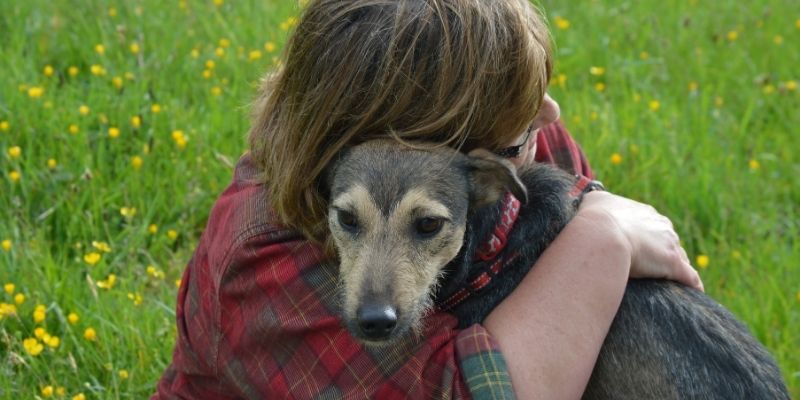
Sometimes loving a dog means having the courage to research and choose natural protection over chemical exposure.
It is time to return to strengthening the organism from within, supporting immunity naturally, practicing conscious nutrition, and radically reducing unnecessary chemical exposure. Ultimately, toxic overload in the body can often be minimized through an individualized approach to each dog and through the use of natural repellents that protect against parasites without compromising the vital functions and nervous system of our best friends.
To discover more about how emotional alignment, balanced lifestyle, and authentic energy restore internal balance, read ourcanine nutrition guidelines.
At Sasha Riess, we look past commercial labels to honor the unique biological blueprint of your companion. True health requires addressing the subtle internal patterns that create lasting vitality and pureloveandharmony. Discover the customized path to your dog’s longevity:Linktree Sasha Riess
👉 Follow our Facebook page and never miss our latest articles, news, and updates.
by Sasha Riess | 05.08.26. | Nutrition
This is not a story about how to upgrade dry food or how to turn something poor into something better. If you look for ways to justify the use of industrial food by adding supplements, you are in the wrong place. Consequently, natural dog nutrition is not just an alternative. It represents the only true path for those who genuinely want to understand their dog’s real biological needs.
There Is No Justification for Industrial Food
We often hear lectures about how to “improve” commercial kibble so a dog can have better stool or a shinier coat. Sasha completely refuses to participate in that narrative. Simply, there are no better kibbles on the market, because the main problem does not lie in their ingredient composition. Instead, the core issue lies in the very concept of lifeless, heavily processed food.
Therefore, if you want to continue down that traditional path, the advice shared here is not for you. This specific space remains strictly reserved for those who feel ready for a complete, profound shift.
For Those Who Tried and Became Afraid
Admittedly, natural dog nutrition can feel highly overwhelming at the very beginning. Many owners have tried it and then unfortunately given up because they did not know what to do next or became afraid of their own responsibility.
However, this text serves as a direct invitation to you. We call upon those who have tried, those who did not succeed the first time, and those who currently search for professional support to give their dog a life aligned with its true nature. Ultimately, commercial kibble belongs to the past. Conscious feeding represents the only real way forward.
My Dog Ate Something: How to React and Prevent Poisoning
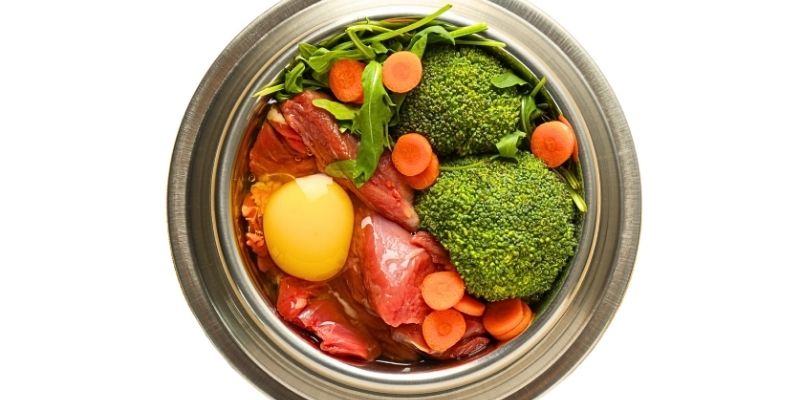
Kibble belongs to the past. Conscious feeding is the only way forward.
To discover more about how emotional alignment, balanced lifestyle, and authentic energy restore internal balance, read our canine nutrition guidelines.
At Sasha Riess, we look past commercial labels to honor the unique biological blueprint of your companion. True health requires addressing the subtle internal patterns that create lasting vitality and pureloveandharmony. Discover the customized path to your dog’s longevity: Linktree Sasha Riess
👉 Follow our Facebook page and never miss our latest articles, news, and updates.