
by Sasha Riess | 22.04.26. | Emotions
In everyday life with dogs, play is often taken for granted as something always good, something that releases energy, brings joy, and strengthens the bond. But why is play not just play?
The Primal Nature of Play: The Endless Hunt
To understand the power of play, we must go back to its origin. The dog is a descendant of the wolf, a hunter whose survival depended on reenacting hunting behavior. For a dog, the motion of a thrown ball carries the same signal as prey.
In nature, this ritual always has a clear end. When the prey escapes or is caught, the cycle ends. In domestic life, when the prey keeps returning, the cycle never closes. The ball comes back again and again, and the instinct remains open. It is like a wound that never heals.
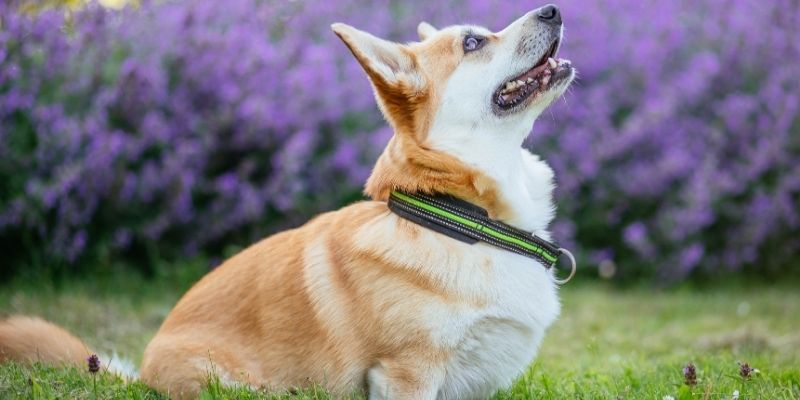
When constant stimulation floods the dog’s nervous system — instead of play, unrest arises.
Cortisol and the Cycle of Excitement
Modern science shows that excessive stimulation leads to chronic cortisol release—the stress hormone. A dog that chases balls every day falls into a loop:
-
The more we activate the hunting instinct, the stronger the excitement.
-
The harder it is to calm down, the more the dog seeks new stimulation.
-
This is not simple joy; it is a form of addiction similar to the human need for adrenaline.
Play as a Ritual, Not a Habit
In the Harmony Handbook, we teach that rituals create rhythm between tension and release. For play to serve as a true ritual, it must be controlled. A simple rule: any game that activates the hunting instinct (balls, frisbee, tugging) should be rare and structured—perhaps once a week, not daily.
Calm Play: The Power of Touch and Presence
If we reduce play solely to chasing, we miss its deeper meaning. Calm play—such as gentle touch, chest scratching, or soft brushing—is often what the dog values most. During these moments, cortisol decreases and oxytocin, the hormone of connection and safety, increases.
Consequences of Misguided Play
Many owners do not connect behavioral problems with the way they play. Pulling on the leash, barking, or even urinating in the house are often symptoms of an overwhelmed nervous system. When the body is stuck in „fight or flight,“ the dog cannot regulate basic needs.

Calm rituals and touch — the most powerful way to reduce stress and strengthen the bond with your dog.
Practical Advice for Conscious Play
-
Structured hunting play once weekly: Keep it short (3-5 minutes).
-
Remove constant reminders of prey: Do not leave balls within the dog’s permanent reach.
-
Daily calm rituals: Prioritize touch, grooming, and quiet rest.
True harmony does not come from constant pursuit of excitement. It comes from balance, awareness, and the tenderness through which relationships are built.
At Integrative and Holistic Grooming Education, we teach that peace is the ultimate goal. If your dog is trapped in a cycle of high arousal, it’s time to return to the basics of presence. Explore the pureloveandharmony approach:Linktree Sasha Riess

by Sasha Riess | 11.02.26. | Behaviour
Chronic Stress in Dogs Is Not a Momentary Fear
Chronic stress in dogs is not just a momentary fear or short term discomfort. It is a condition that quietly builds through our everyday actions. What surprises owners the most is that stress rarely comes from major events. It most often arises from small, repeated inconsistencies in human behavior around the dog.
When one family member allows something and another forbids the same behavior, the dog enters a state of constant confusion. Over time, this confusion turns into chronic stress in dogs, which can lead to serious physical and emotional disorders.
How Chronic Stress Develops in Dogs
Chronic stress most often develops when a dog cannot predict the consequences of its behavior. If the dog is sometimes punished and sometimes rewarded for the same action, it enters a state of insecurity.
A dog does not understand the difference between “mom allows it” and “dad does not allow it”. The dog only experiences that the same stimulus leads to completely different reactions. For the dog, this becomes an alarm that never turns off.
Inconsistent rules, shouting, unfair punishment, and sudden changes in owner behavior directly activate stress hormones. When this repeats day after day, the dog loses its sense of stability, and the body shifts into a state of constant tension. This is the physiological foundation of chronic stress in dogs.
Confusion as a Trigger for Serious Problems
A dog can appear obedient, calm, and affectionate, while still being deeply confused. Confusion is one of the most dangerous forms of emotional pressure in dogs because dogs do not have the ability to rationalize situations the way humans do.
If a dog is allowed on the bed one day and forbidden the next, if one family member feeds the dog from the table while another punishes it for the same behavior, the dog’s nervous system enters a chaotic survival mode.
This state can lead to:
-
loss of energy and lethargy
-
withdrawal and depressive behavior
-
sudden aggressive outbursts
-
psychosomatic illnesses
-
weakened immunity and digestive problems
For a dog, confusion is not just discomfort. It is a state in which the body remains in constant physiological defense, as if danger is present at all times.

Chronic stress in dogs leads to both emotional and physical health issues.
How Family Disharmony Affects a Dog
Dogs live in the present moment. They do not process the past the way humans do, nor do they imagine the future. Their perception of the world exists entirely in the here and now. Even small inconsistencies within the family create inner chaos for the dog:
-
one owner shouts, another stays calm
-
one allows the dog on the bed, another forbids it
-
one punishes a mistake, another rewards the same mistake with attention
-
children allow behaviors that parents forbid
In such conditions, the dog no longer knows what is right and what is wrong. And when a dog does not know, it prepares itself for the worst-case scenario. This leads to constant activation of stress hormones such as cortisol and adrenaline. As a result, the dog may begin to behave unpredictably, becoming withdrawn, tense, fearful, or aggressive. Even sudden reactions in public spaces, such as snapping or rough play, are often rooted in accumulated confusion and chronic stress in dogs.
What Owners Can Do Immediately
To reduce chronic stress in dogs, the family must function as one clear voice. Not as several individuals with different rules, but as a unified structure the dog can understand.
The most important steps are:
-
Agree on clear rules within the family
-
Follow those rules consistently
-
Avoid shouting and confusing punishment
-
Provide routine and predictability
-
Build the relationship through calmness and consistency
A dog does not seek perfect owners. It seeks consistency. Consistency creates safety, stability, and a healthy life without unnecessary stress.
At Integrative and Holistic Grooming Education, we believe that every physical symptom is a message. Understanding these signals and addressing them through a holistic lens is at the heart of everything we teach to ensure the well-being of every dog in our care. Learn more about our Holistic Approach.