by Sasha Riess | 19.05.26. | Wellbeing
When a dog has a urinary infection in dogs, the smell of urine often changes and can become stronger, unpleasant, or unusual. In many cases, this smell is noticeable, but smell alone is not a reliable diagnostic sign, especially in male dogs.
When Can the Smell of Urine Indicate an Infection?
With a urinary infection in dogs, urine often:
-
Has a strong, heavy, or sweetly unpleasant odor.
-
Appears cloudier than usual.
-
Contains traces of blood.
However, the smell depends on the location of the infection. It can affect the bladder, the urinary tract, or the kidneys, and clinical signs vary accordingly.
Why Is Urine Analysis Necessary?
The most important step is a urine analysis performed by a veterinarian. This confirms or rules out infection and prevents incorrect treatment. Without professional analysis, any conclusion remains an assumption.
When the Problem Is Not a Urinary Infection
If a dog continues to urinate inside after a urinary infection in dogs has been ruled out—especially if it also defecates indoors—this is very often a sign of separation anxiety rather than a medical issue.
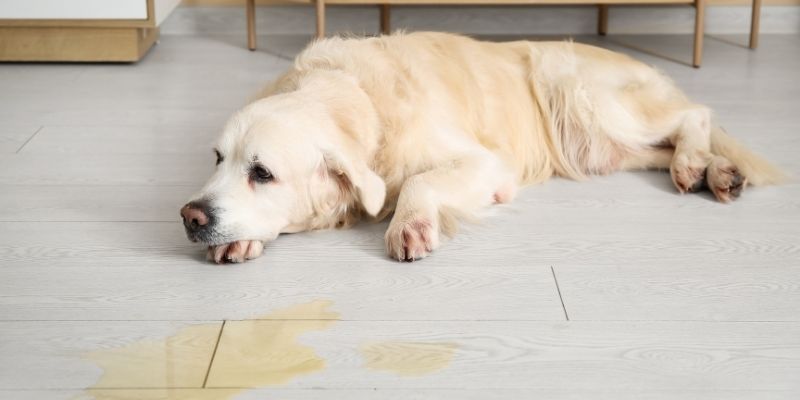
Urination is often a message of insecurity, not a health problem.
Urinating as a Message, Not a Disease
A dog with separation anxiety is not acting out of spite. They are sending a message of insecurity. By urinating, the dog tries to:
The Real Cause of Separation Anxiety
The dog doesn’t have a problem because it is alone, but because it feels excessive responsibility and lacks clearly established boundaries. It doesn’t trust that you are safe when you are apart. Distinguishing between a medical urinary infection in dogs and an emotional pattern is the first step toward a real solution.
At Sasha Riess, we believe that every symptom is a form of communication. Whether it’s a urinary infection in dogs or a sign of separation anxiety, the goal is to restore balance and pureloveandharmony. Discover how to understand your dog’s messages: Linktree Sasha Riess
by Sasha Riess | 30.04.26. | Nutrition
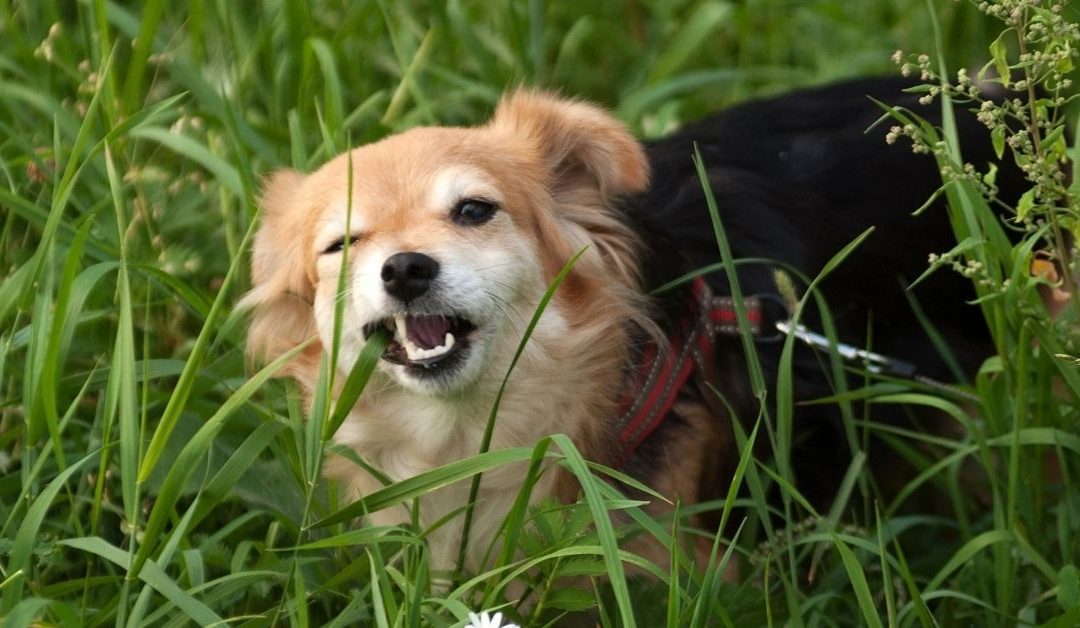
Many dog owners often wonder why dogs eat grass. While it might seem harmless or even odd, this behavior often hides subtle signals your dog is sending about their digestion or overall health. Understanding those signals is the first step in providing support and relief.
Is It Normal for Dogs to Eat Grass?
Occasional grass-eating is common and usually nothing to worry about. Most often, the reason lies in the digestive system; dogs instinctively eat grass to soothe stomach discomfort or speed up digestion. Sometimes it triggers vomiting, a natural detox process that helps the stomach release excess acid or undigested food.
A dog’s stomach produces incredibly strong acid, powerful enough to digest even raw bones. However, when the system is out of balance, grass becomes their natural medicine.
Warning Signs to Watch For
If you are asking why dogs eat grass more frequently than usual, look for these accompanying signs:
Zeolite: Natural Support for Detox
Zeolite is a natural mineral that helps detoxify the body and restore intestinal balance. For dogs, it can significantly reduce issues such as acid reflux and poor digestion.
How to Prepare Zeolite Water:
-
Add one tablespoon of zeolite powder to a glass of water.
-
Let it sit overnight.
-
In the morning, use only the clear water and discard the sediment.
-
Add one tablespoon of this water daily to your dog’s food or drinking water for about a month.
Chronic Gastritis in Dogs – When the Problem Is Not Only in the Stomach
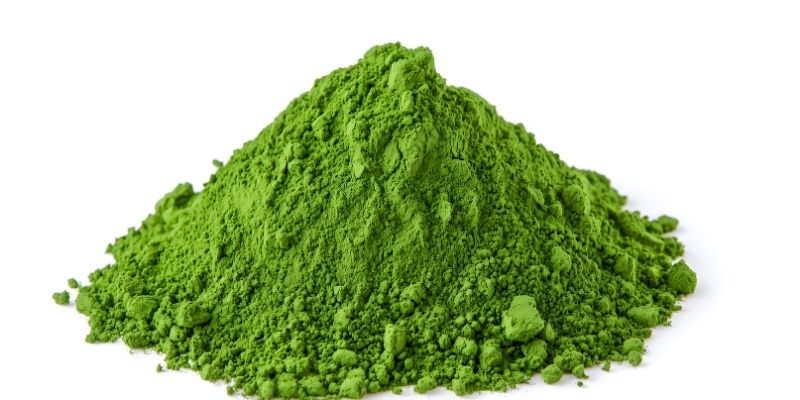
Zeolite is a natural aid for dogs with stomach issues and digestive discomfort.
Conclusion – Understanding the Signal
A dog that occasionally eats grass is often just following instinct. However, frequent grass-eating is a clear sign that the digestive system needs help. Natural support can cleanse the body and strengthen the stomach. By observing your dog carefully, you can act early to maintain their health and vitality.
At Sasha Riess, we believe that nature provides the best solutions. When you understand why dogs eat grass, you can stop worrying and start supporting your pet’s natural detox process, bringing them back to a state of pureloveandharmony. Discover more:Linktree Sasha Riess
by Sasha Riess | 27.04.26. | Behaviour
When dog owners notice their pet constantly licking its nose, they often ask me whether it’s normal behavior or a sign that something is wrong. My answer is—it depends on the bigger picture. Understanding why does a dog lick its nose so often is key, as it can be harmless, but it can also signal allergies, irritation, or even more serious health issues.
The Sensitivity of a Dog’s Nose
Dogs have an incredibly developed sense of smell—up to 200 times stronger than ours. That means everything we can barely detect, they experience much more intensely.
Scents at Home as a Possible Cause
If you use scented candles, air fresheners, or cleaning products with strong fragrances, it’s possible that these smells are bothering your dog. I’ve personally noticed that many dogs start licking their noses when exposed to such scents. That’s why I always advise owners to use mild, unscented products whenever possible.
Allergies in Dogs: A Common Trigger
Allergies are a common reason why does a dog lick its nose so often. If your dog also sneezes, scratches, chews its paws, or appears restless, it’s very likely an allergic reaction to:
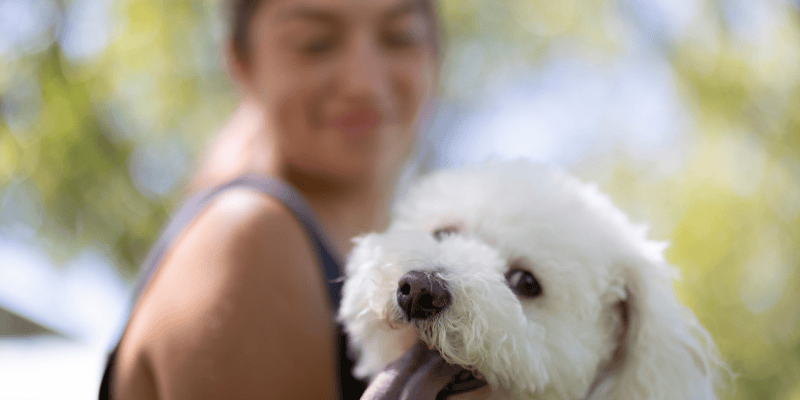
Observing your dog reveals important signals about their overall health and comfort.
Parasites and Internal Growths
In addition to allergies, parasites can cause excessive licking. In some cases, larvae can settle in the nasal cavity. Growths or polyps can also irritate the area, leading the dog to lick or rub its nose frequently.
When to Visit the Veterinarian
If you notice your dog doing this daily, especially alongside other symptoms such as loss of appetite or sneezing, it’s best to visit your veterinarian. Only a proper examination can rule out underlying issues and identify the exact cause of why does a dog lick its nose so often.
Observe the Bigger Picture
If it happens constantly, it’s a signal that something needs attention. Dogs clearly show us that they’re feeling something. It’s up to us to understand them and respond in time.
At Sasha Riess, we believe that a healthy nose is a window to a healthy spirit. When you discover why does a dog lick its nose so often, you can restore their comfort and pureloveandharmony. Get your free guide to strengthen your bond here: Linktree Sasha Riess
Sasha Riess Pure Love & Harmony Duo Pack The Complete Dog Coat Care System
by Sasha Riess | 26.04.26. | Nutrition
Artificial dog food is often presented as a practical and supposedly healthy solution, but its effect on a dog’s body is usually limited to short-term results such as “no visible symptoms.” The real issue is not whether the dog eats, but what actually happens inside the body during that process. If there is no digestion, there is no health.
How Artificial Dog Food Affects the Microbiome
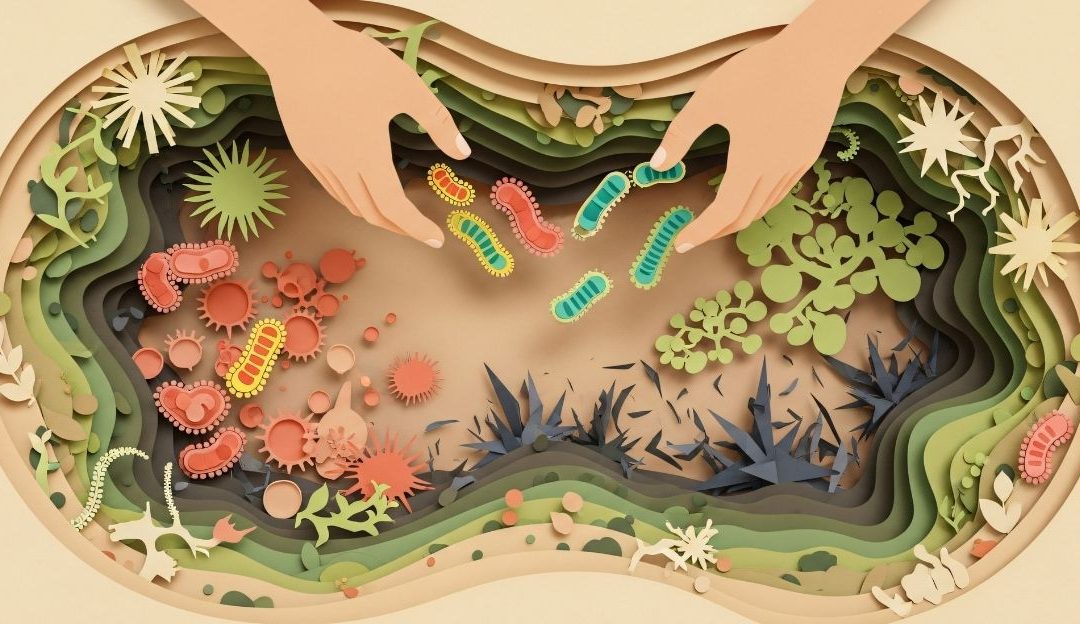
The essence of digestion lies in the microbiome. Without a microbiome, there is no digestion. Without digestion, there is nothing from food that can truly be absorbed.
In artificial dog food, almost everything is already broken down. Proteins, vitamins, and minerals are in powdered form. The body has no reason to engage. When the body does not need to digest, it does not activate the microbiome. And the microbiome does not exist only to break down food.
Why There Is No Immunity Without a Microbiome
The immune system lives in the microbiome. Not metaphorically, but literally. When the microbiome does not develop because the body does not need to digest food, the immune system remains inactive and weakened.
Artificial dog food therefore does not build resilience. Over time, it creates an organism that lacks the capacity to defend itself when serious issues arise, such as chronic inflammation, autoimmune processes, and severe diseases later in life.
Nature’s Law of Minimum Energy Expenditure
Nature functions according to the principle of minimal energy expenditure for maximum result. If the body receives ready-made substances that do not require breakdown, it will not invest energy in developing systems that appear unnecessary.
The problem is that the microbiome is not an optional feature; it is the foundation of health. When a dog becomes accustomed to food that does not require digestion, the body enters a state of passivity. Everything appears fine while the organism is young, but when aging begins, there are no developed defense mechanisms.
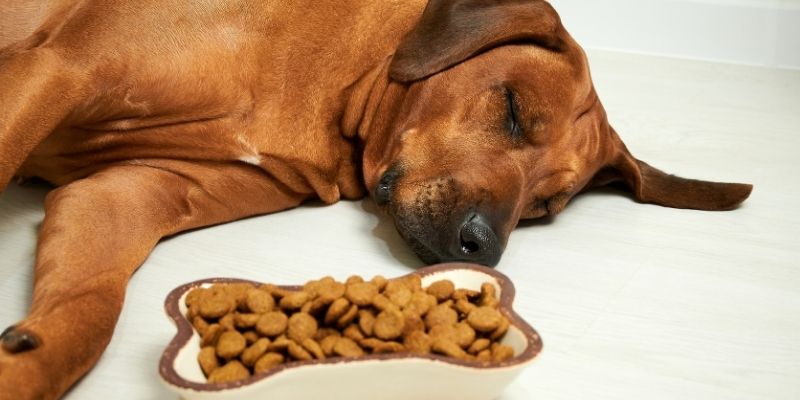
Industrial food does not require digestion—and for that reason, it does not build immunity.
How Industrial Nutrition Weakens Dogs Over Time
Industrial food does not require digestion, and for that very reason, it does not build immunity. Artificial dog food often seems like a solution because the dog eats, there is no diarrhea, and the coat shines. These are surface indicators.
Beneath them, resilience is not built. Adaptation is not built. A healthy relationship between body and food is not built. The microbiome and the immune system are either built through food or destroyed by it. There is no neutral option.
Not Convenience, but Responsibility
Feeding dogs is not a question of convenience. It is a question of responsibility. Food that does not require digestion does not stimulate life processes; it puts them to sleep. A healthy dog is not a dog without symptoms, but a dog with a system that knows how to defend itself.
At Integrative and Holistic Grooming Education, we teach that beauty begins in the gut. When you move away from artificial dog food, you choose to wake up your dog’s natural defenses. Discover the path to pureloveandharmony:Linktree Sasha Riess
Sasha Riess Pure Love & Harmony Duo Pack The Complete Dog Coat Care System