Building trust with a dog does not always mean petting or playing. True trust is revealed in moments when a dog has to experience something it does not enjoy: nail trimming, paw washing, or body care. In those moments, the way we behave determines whether we strengthen the relationship or create resistance and stress.
How to Build Trust With a Dog When Something Feels Unpleasant
When you need to do something your dog does not enjoy, it is important that you approach the dog, rather than calling the dog to you. Calling a dog to come and then exposing it to an unpleasant experience can seriously damage trust and later weaken the dog’s response to recall.
Prepare everything in advance: scissors, towel, reward.
Approach the dog calmly, without announcing what will happen and without talking.
Take the dog gently, but decisively.
This way, the dog does not enter a state of anticipation and fear, because there is no verbal buildup signaling that something unpleasant is coming.
Why Silence Builds Trust With a Dog
Many owners make the same mistake: they talk to the dog during an unpleasant procedure. “Good boy,” “Sweetheart,” “It will be okay.” Although it sounds gentle, this actually increases tension. Silence sends a clear message to the dog: this is normal, nothing dramatic is happening. Calmness and a short duration of the procedure help prevent the development of negative emotional reactions.
Nail Trimming and Trust With a Dog
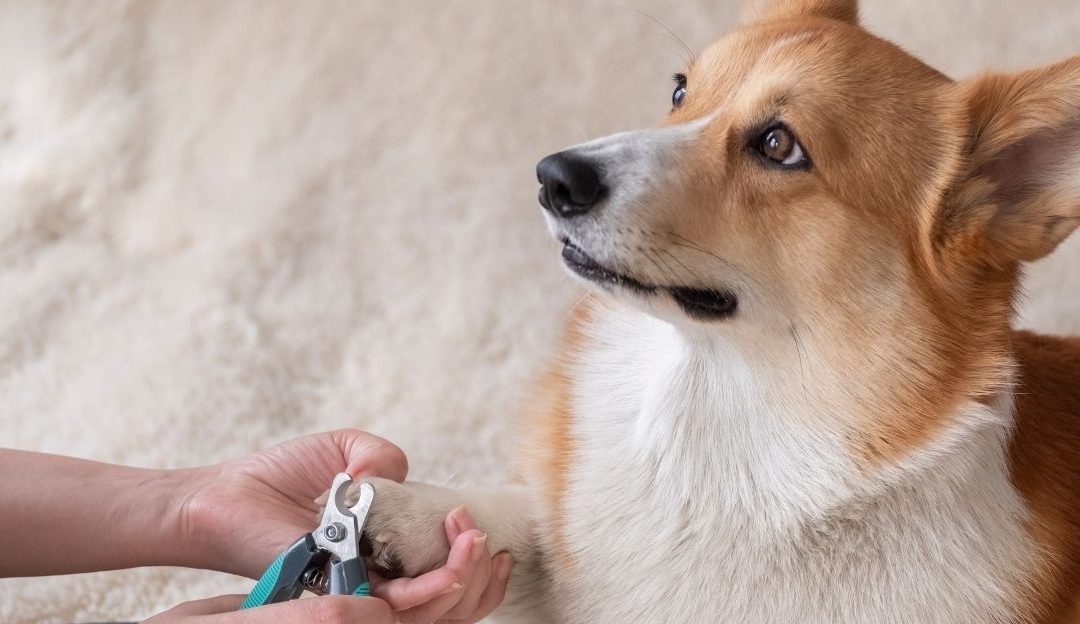
Nail trimming is one of the most common reasons trust is lost. Instead of cutting all nails at once, it is much healthier to work gradually:
One nail
Short pause
Reward
Finish
The next day, another nail. There is no rush. The dog has lived with those nails for months or even years, a few more days will not cause harm. This approach builds trust without creating trauma.
Silence and consistency help a dog accept unpleasant procedures.
How to Build Trust With a Dog During Paw Washing
The same rule applies to paw washing. Do not call the dog to come so you can wash its paws. You approach the dog. Without words. Without explanations. Quick, gentle, and clear. This is especially important with puppies, whose brains are highly plastic. How they experience care now can shape their relationship with these situations for life.
Reward Comes After, Not During
The reward should come after the procedure is finished, not during it. This helps the dog associate calm acceptance with a positive outcome, rather than constant emotional stimulation. Trust with a dog is not built through words, but through consistent, calm behavior.
At Integrative and Holistic Grooming Education, we believe that true connection is built in silence. When you approach a dog with calm intent, you become their source of safety. Explore our philosophy:Linktree Sasha Riess
Shelters are meant to be places of hope, but for many, they are places of silent suffering. While we often talk about cold kennels and the lack of human contact, there is a quieter, more dangerous problem: the poor quality of dogs in shelters nutrition.
Very often, shelter food consists of expired kibble—stale, spoiled, and filled with chemicals. What the label calls “food” is often just industrial waste that the industry cannot sell to humans.
Poor Nutrition: The Invisible Source of Suffering
A shelter dog is already at the edge of its strength, battling anxiety and a weakened immune system. When we add low-quality food, the consequences are devastating:
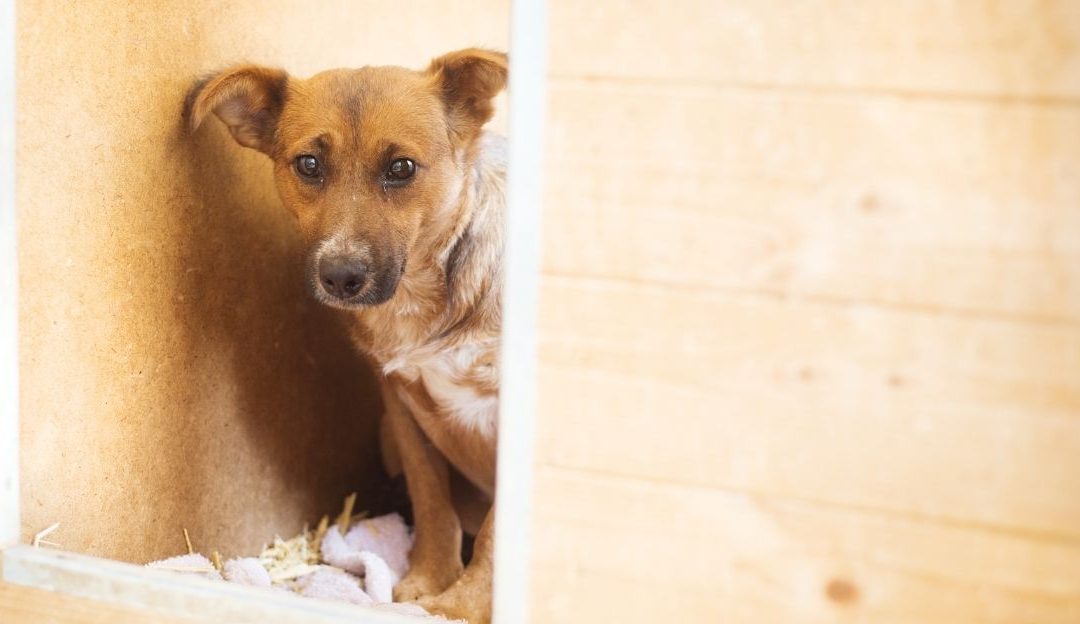
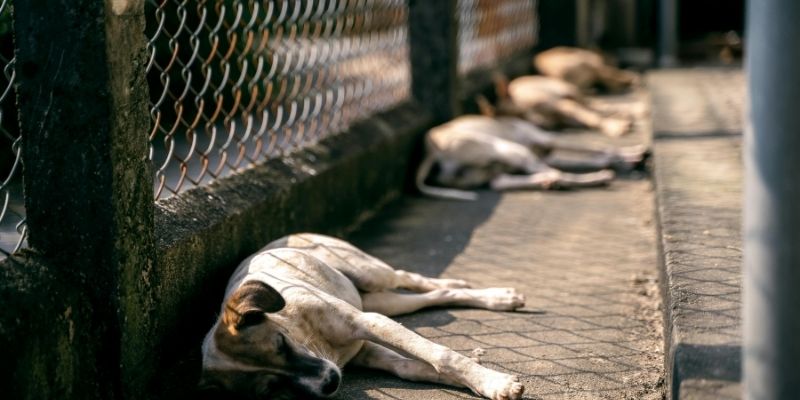
Poor conditions and low-quality food further endanger dogs in shelters.
The System, Not the People
This is not an accusation against shelter workers. Shelters are overwhelmed and underfunded. When a truck of expired food arrives, it looks like salvation. But in reality, this food often contains mold and toxins that directly poison an already exhausted system.
What Can Be Changed?
Food is the foundation of survival. When a dog receives clean, nutritious food, it gains a chance to heal. While shelter problems cannot be fixed overnight, the conversation about the quality of what they eat must begin today.
At Integrative and Holistic Grooming Education, we believe that health starts from within. A dog’s coat and spirit are reflections of their nutrition. Learn more: Linktree Sasha Riess
When it comes to our lives with animals, we must ask ourselves: is it dog training or a relationship of love? Training often reduces dogs to mere points in a program, but a real connection begins only when we stop training and start feeling.
Training as a Continuation of the Circus
The way dog training is understood today has never represented a relationship to me — it’s merely a modern form of the circus. Once, people used elephants, tigers, or lions to demonstrate power and entertain crowds. Today, the stage is smaller, the method refined — but the essence remains the same.
Trust is not commanded; it is built through presence, understanding, and love.
When I see dogs performing “tricks,” I don’t see freedom; I see limitation. The dog becomes a number in a show — a tool for our amusement, not a being that feels and breathes.
Zoos and “Positive Therapy”
In zoos, the same principle continues. Animals are taught to accept examinations, open their mouths, and take medication. While it’s called “positive therapy,” the essence hasn’t changed — it’s still about the human adapting the animal to themselves.
The True Essence of Relationship
No one in this process enters the animal’s soul or inner world. The focus remains on shaping behavior for human convenience, while the animal’s need is forgotten. A dog didn’t come into our lives to perform, to entertain, or to validate us. Its presence carries something much deeper — a call to relationship.
True trust doesn’t need a command; it only needs your presence.
Relationship, Not Domination
A true relationship isn’t built on dominance, but on trust, belonging, and sincere love. When we choose a relationship of love over dog training, we stop taking away who they truly are.
True Companionship, Not a Circus
When I understood that, I discovered something else — that only then does the bond with a dog stop resembling a circus and start resembling a real community. That’s the moment when both human and dog become what they were always meant to be — partners in life.
At Integrative and Holistic Grooming Education, we believe that communication is felt, not forced. We teach you how to listen to your dog’s soul instead of just commanding their body. Explore our philosophy: Linktree Sasha Riess
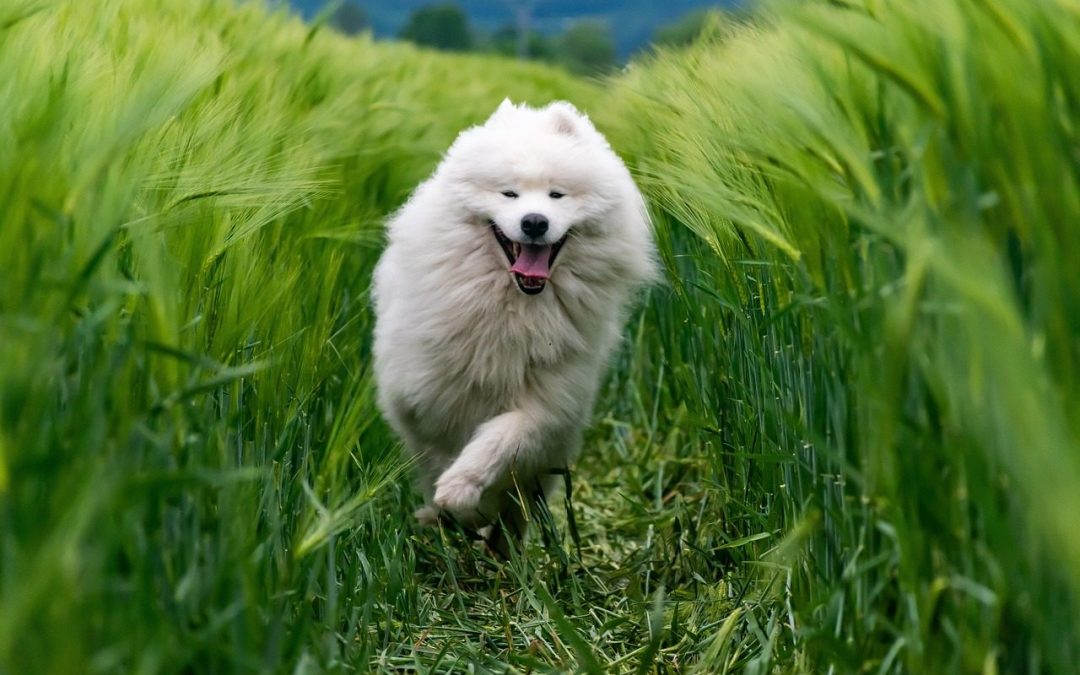
A dog living in harmony with nature — calm, healthy, and free of stress — is the image of true well-being. Caring for a dog’s health and providing proper nutrition are essential foundations for a long, joyful life.
Dogs who share life with humans are not just companions — they absorb our emotions, our energy, and our stress. Understanding how nutrition, emotional awareness, and the owner’s inner balance affect the dog’s body is the key to preventing psychosomatic illnesses and maintaining vitality.
Why It’s Important to Watch Diet and Environment
Almost no wild animal suffers from cancer. But when a dog lives with humans, that changes — our emotions and our stress directly influence its body. The closer the dog is to us, the more it becomes a mirror of our inner state. That’s why diseases linked to stress and emotional imbalance appear more frequently in dogs who live tightly connected to humans.
Proper Nutrition and Its Effect on the Immune System
When a dog reaches six months of age and beyond, care should go beyond medical procedures like sterilization. True care means creating a safe and peaceful environment — one where stress does not poison the body. Dogs instinctively absorb and process their owners’ emotional tension in an attempt to protect them. This makes it crucial for us, as owners, to remain calm, aware, and emotionally present — because our state shapes their health.
Balanced nutrition is more than food—it is the foundation of your dog’s immunity and emotional stability.
The Connection Between Mind, Food, and Immunity
Balanced nutrition is not just about physical health — it’s also about emotional stability. Healthy meals rich in natural ingredients, consistent daily rhythms, and gentle human energy together strengthen the immune system and prevent disease.
Psychosomatic Effects of Chronic Stress
Chronic stress can lead to deep physiological changes in dogs, including psychosomatic conditions and even cancer-like illnesses. A dog is not merely a pet — it’s a sentient partner in our shared ecosystem. Its body reflects our emotions, our peace, and our turmoil.
Health Through Awareness and Nutrition
Preserving a dog’s health begins with proper nutrition and awareness of the shared space we create together. Wholesome food, regular walks, clean water, and emotional balance form the invisible structure of health and longevity.
The Owner’s Responsibility
Caring for a dog is both a physical and an emotional responsibility. To truly nurture health, one must understand how stress, food, and environment intertwine. When we become mindful of our own emotions, we protect not only ourselves — but also the being that trusts us most.
At Integrative and Holistic Grooming Education, we view the dog as a whole. Our mission is to guide owners toward a deeper understanding of the link between nutrition, emotion, and physical health. Discover more: Linktree Sasha Riess
Dogs do not experience food and hunger the same way humans do. While owners often believe their dog is constantly hungry or enjoys food the way we enjoy our favorite meals, their relationship with food is entirely different. It is important to understand how dogs feel hunger and what food represents to them, because this changes how we feed them and how we interpret their signals.
How Dogs Actually Experience Hunger
For dogs, hunger has a completely different meaning than for humans. While humans associate hunger with taste, rituals, comfort, and emotions, dogs experience food functionally. Food is simply a source of energy that allows them to be capable, active, and ready for life.
In nature, dogs instinctively apply a natural rhythm similar to what we now call autophagy—a mild fasting period that helps the body regenerate. For wild dogs, hunger is not a tragedy; it is a vital part of their daily recovery cycle.
The „Manipulation“ of Love
Dogs often use food to “manipulate” their owners, but not out of bad intent. They intuitively understand that food is the strongest emotional point in our relationship. Because we express care, love, and connection through feeding, they use food-seeking behavior as a way to engage with us.
Do Dogs Truly Enjoy Food Like Humans Do?
Dogs do not enjoy food emotionally. We eat when we are sad, lonely, or stressed, assigning emotional meaning to every bite. Dogs do not do this. They eat to:
Maintain energy levels.
Support physical readiness.
Enable biological survival processes.
While a dog eats with enthusiasm, it is a response to a natural need, not a search for emotional satisfaction or comfort.
Dogs eat when biologically necessary, without emotional overeating.
When We Think the Dog Is Hungry, but It Isn’t
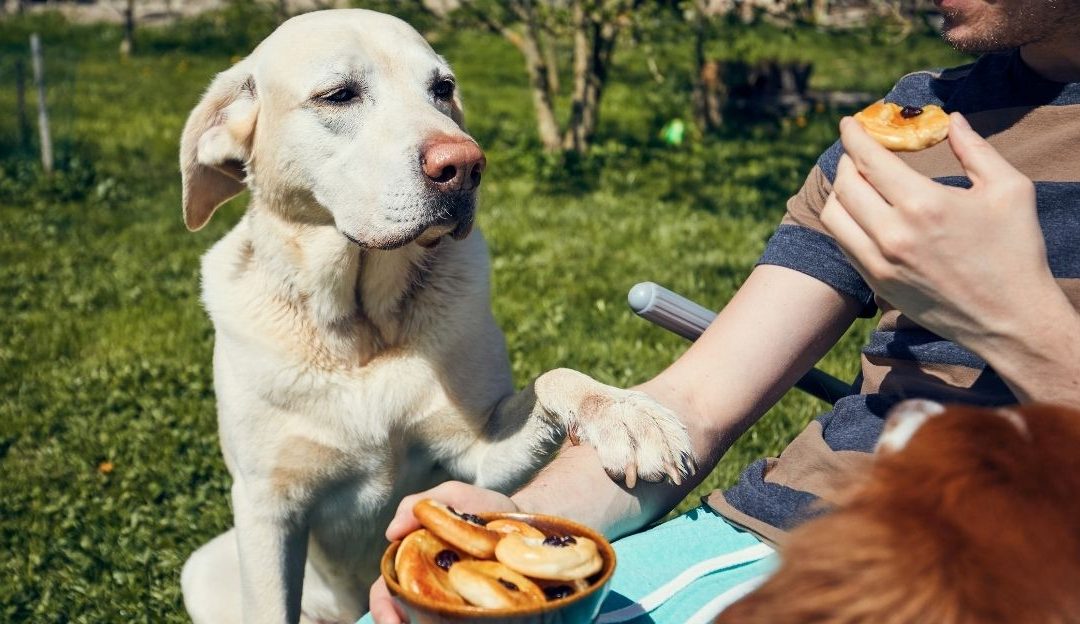
Owners often misinterpret „begging“ eyes or following them to the kitchen as starvation. In most cases, this is communication, habit, or a request for attention. This is why experienced handlers say: “A happy dog is a slightly hungry dog.” Mild hunger is natural, healthy, and part of their biological rhythm.
What Owners Should Know
Dogs feel hunger differently. For them, food is not an indulgence or an emotional outlet. It is energy, function, and a way to remain stable. By understanding this, we can avoid overfeeding and build a relationship based on true needs rather than misinterpreted emotions.
At Integrative and Holistic Grooming Education, we believe that every physical symptom is a message. Understanding these signals and addressing them through a holistic lens is at the heart of everything we teach. Learn more and join our community: Linktree Sasha Riess