by Sasha Riess | 28.06.26. | Emotions
Calcium is probably the most misunderstood mineral in dog nutrition. We have learned to associate it with physical strength, bone density, and structural stability. When a dog is growing, we add calcium. When a dog weakens, we add calcium. Furthermore, when a problem with teeth or bones appears, our first impulse is almost always the same—the dog needs more minerals.
However, the body does not function according to the principle of quantity. Instead, it functions according to the principle of biological availability. There is a significant difference between calcium that exists statically in tissue and calcium that is alive, mobile, and active. An organism can easily have an excess of calcium and at the same time suffer from its functional deficiency. This exact imbalance triggers a defense mechanism that we call a calcium shell. Therefore, you must understand how a calcium shell affects dog behavior and health before blindly adding supplements.
A Defense Mechanism and an Inner Armor
The calcium shell is not an illness. Rather, it is a defensive survival mechanism of the organism. When a dog faces long-term physical, emotional, or metabolic stress, the body attempts to protect itself from an overload of the nervous system. One way it achieves this is by depositing calcium directly into tissues.
Consequently, calcium stops circulating freely and begins to accumulate. Tissues become more rigid, behavioral reactions slower, and the perception of the world more muted. The dog may not appear calmer. On the contrary, it may become extremely anxious, tense, or hypersensitive because the organism no longer functions in a flowing balance.
This protective mode manifests in two distinct behavioral directions. The dog may become withdrawn and energetically closed, but just as often it may suddenly become irritable, anxious, or even aggressive. The nervous system then no longer reacts proportionally to reality. Instead, it reacts through an internal sense of threat that arises when the body loses its ability for fine regulation. It is as if the body builds a rigid emotional armor.
Tartar Deposits and the Hidden Calcium Shell
One of the first visible signs of this process often appears on the teeth. Tartar deposits are not only a matter of daily hygiene or genetics. Instead, they can be an external trace of internal mineral accumulation. The organism releases excess unused calcium wherever it can because it no longer knows where to distribute it.
The paradox becomes obvious. The dog has visible deposits of calcium, while at the same time the cells cannot use calcium where it is actually needed. At that moment another often forgotten mineral enters the story: magnesium.
Calcium and magnesium never function separately. They are partners of opposites. Calcium tightens, while magnesium relaxes. Calcium activates contraction, whereas magnesium enables relaxation. Calcium stabilizes structure, but magnesium allows the flowing of energy. When their relationship breaks, the body loses its natural rhythm between tension and relaxation.
How Nutritional Imbalance Changes a Dog’s Behavior
In dogs exposed to chronic stress, magnesium is often lost rapidly. The nervous system consumes it faster than the body can replace it. As magnesium drops, calcium is left completely without its natural regulator. It begins to accumulate, fall out of balance, and create systemic rigidity instead of healthy stability.
Dog Nutrition: Allowed Fruits, Vegetables, and Mushrooms – A Complete Guide
Bathing Dogs: Hygiene That Protects Internal Organs
When a Dog Refuses Obedience, Our Real Conflict Begins
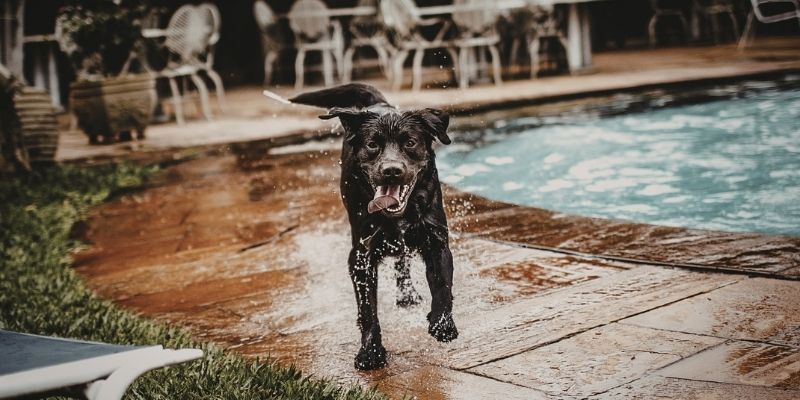
When mineral balance is present, the dog experiences true stability without physical rigidity.
The dog may then show seemingly contradictory symptoms. Its reactions become highly unpredictable, sometimes slow and withdrawn, sometimes sudden and excessive. Muscles remain in chronic tension while the organism’s real energy remains very low. The dog may flare up quickly or withdraw just as quickly because tolerance to stress becomes very small. The organism no longer manages energy through balance, but through protection. It tries to survive by limiting flow and adapting to internal pressure instead of regulating it.
In such a state, the biggest mistake we can make is adding more calcium. To explore more about how internal biochemical states impact canine conduct, read our holistic behavior guidelines.
Why Nutritional Behaviorism and the Calcium Shell Require Understanding
Sometimes an owner sees deterioration they cannot explain. The dog becomes more rigid, slower, digestion changes, or hidden inflammation appears. The food seems high quality and the supplements carefully chosen, yet the body reacts opposite to expectations. The reason is not bad intention. The reason is simply the wrong moment.
An organism under stress first seeks energetic balance and only then building material. When we skip that order, even the best intention becomes a heavy burden. In extreme cases, long-term disturbance of mineral balance can lead to serious metabolic disorders that become life-threatening for the dog.
That is why the relationship between calcium and magnesium is not a matter of quantity but of communication within the body. It is the relationship between protection and flexibility, between armor and life. When balance is present, the dog has stability without rigidity. Your task is not to break that shell by force with supplements, but to understand why it formed. The organism of a dog never makes mistakes. It always adapts to what it receives. True nutrition begins only when we learn to listen to that adaptation instead of drowning it out with another supplement.
See you next time.
At Sasha Riess, we look past commercial labels to honor the unique biological blueprint of your companion. True health requires addressing the subtle internal patterns that create lasting vitality and pureloveandharmony. Discover the customized path to your dog’s longevity:Linktree Sasha Riess
👉 Follow our Facebook page and never miss our latest articles, news, and updates.
by Sasha Riess | 26.06.26. | Coat Care
Among the questions owners ask me, the majority relate to poodles. Some wonder why the term hair is used for this breed instead of fur. They wonder if the reason lies in styling or in the quality of the coat. Ana, a dog lover, asked me whether a poodle’s hairstyle is simply a matter of taste or if other criteria exist. These are questions I hear constantly. Therefore, discovering the history behind traditional poodle grooming cuts reveals a fascinating truth. These styles originated from cold-water hunting requirements rather than modern fashion choices.
Identification: Why Is the Poodle So Close to Humans?
The country of origin of the poodle is Germany. However, after an imperial gift, it became recognized globally as a French breed. It was deeply admired among women of high social status. What I want to emphasize is that the poodle has proven exceptionally suitable for human identification. Its character feels familiar to people, which is why it remains one of the most widespread breeds in the world today.
In this process of identification, we often choose attributes more typical of humans than of dogs, hence the popular term “hair.” This choice has nothing to do with the actual coat itself. Breeds such as the Bichon or the Kerry Blue Terrier have a highly similar coat structure. However, the character of those breeds is not “poodle-like.” Humans have long identified deeply with the unique temperament of this breed.
History: From Goose Hunting to Fashion Runways
Although many people today immediately associate the poodle with extravagant hairstyles and show-ring fashion, the origin of these traditional trims was not cosmetic. The poodle served for centuries as a highly capable water-retrieving dog, especially in Germany, where it was used to retrieve waterfowl from cold lakes, rivers, and marshes.
Its athletic body allowed it to move efficiently through water and dense vegetation, but its dense curly coat created a serious challenge. When fully soaked, the coat could become heavy, slow the dog down, restrict movement, and increase the risk of exhaustion in cold water. Hunters therefore began clipping the coat strategically, not for decoration, but to help the dog swim, work, and survive.
The areas left covered had a specific protective purpose. Coat was preserved over the chest to help protect the heart, lungs, and major blood vessels from cold exposure. These organs are central to circulation, breathing, stamina, and survival, especially when a dog is repeatedly entering freezing or near-freezing water. Hair was also left over the hips, loin, and hindquarters to help protect the kidneys and reproductive organs, which sit in vulnerable areas of the body and can be affected by prolonged cold and wet conditions. Keeping insulation over these regions helped guard the dog’s core body function while still allowing the rest of the body to move freely.
The pompons around the joints also served a practical role. They helped keep warmth around the elbows, hips, stifles, hocks, and other working joints while reducing the heavy drag of a full coat. This mattered because a water-retrieving dog needed flexible movement, strong propulsion, and protection from cold stress during repeated swimming and climbing in and out of water. The shaved areas reduced weight, improved speed, and prevented the soaked coat from pulling the dog down.
Over time, this practical working trim evolved into the more refined patterns we now recognize as the Continental and English Saddle trims. The Continental trim kept the strongest emphasis on protecting the chest, joints, hips, kidneys, and vital organs while exposing much of the body for efficient movement. The English Saddle trim developed as a fuller, more balanced version, with additional coat left over the hindquarters and legs, creating a more elaborate silhouette while still reflecting the same historical idea of protection, function, insulation, and mobility.
What began as a survival-based clipping pattern for a working water dog later became formalized into show presentation. The modern poodle trims may look decorative today, but their roots come from anatomy, organ protection, cold-water work, and the practical needs of a dog bred to retrieve in demanding conditions.
Recommended readin:
Watery Eyes in Dogs: When the Cause Is Not an Infection
A Dog Is Not a Toy: How to Properly Care for a Dog
How to Say Goodbye to a Dog: Offer Them Peace and Dignity
A Signature Style and a Mark of Identity
Today, there are five basic poodle clips. My personal favorite is the Puppy Clip, which truly marked my professional career. That elegant Scandinavian form became a highly recognizable signature of the Sasha Riess brand.
I have devoted much of my life’s work to poodles. Within the strict breed standard and through a deep knowledge of coat quality, I managed to leave my artistic mark on this breed. The poodle is far more than a fancy hairstyle. It is a true reflection of a centuries-long bond between human and dog. To explore more about professional clipping techniques, coat texture maintenance, and advanced hygiene routines for complex coats, read our holistic coat care guidelines.
At Sasha Riess, we elevate grooming from a simple cosmetic service to an art form that honors canine history. Protect the integrity of your dog’s coat to bring out true vitality and pureloveandharmony. Discover our professional standards for your companion: Linktree Sasha Riess
👉 Follow our Facebook page and never miss our latest articles, news, and updates.
by Sasha Riess | 26.06.26. | Nutrition
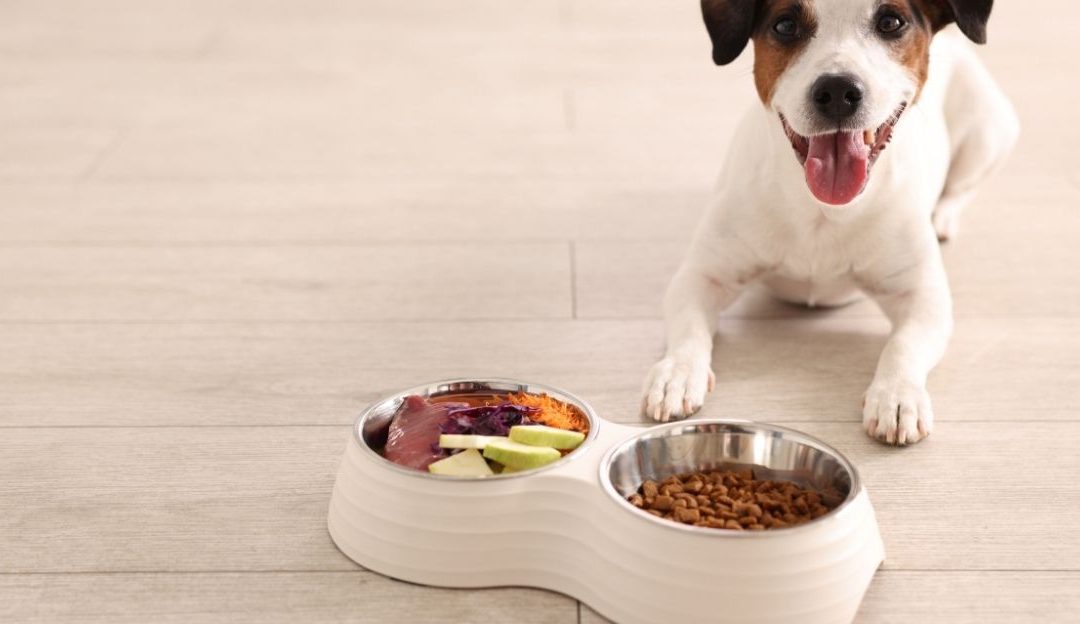
When a dog refuses a meal and the veterinarian confirms that it is physically completely healthy, owners are often confused. Is the dog being stubborn? Is it trying to dominate? The truth is much deeper and concerns the relationship between you and your dog. Why a dog refuses to eat is often not a medical question but an emotional one that arises from an insecure affective bond between you and your companion.
Therefore, understanding why a dog refuses to eat requires looking beyond the bowl, as the issue stems from an emotional disconnect rather than a physical illness.
Anxiety Instead of Dominance
Refusing food, picking at bites, or turning the head away from the bowl is often wrongly interpreted as a “power play” or an attempt to prove who is in charge. In reality, these are anxious behaviors. The dog is not telling you that it is the leader. Instead, it is subtly telling you that it does not trust enough.
The dog does not eat because it does not feel safe. In its perception, the relationship with the human becomes unpredictable, and unpredictability creates fear—the fear that food may not be there tomorrow. Consequently, when the behavior of the owner becomes inconsistent or emotionally unstable, the dog loses its sense of ground. This emotional instability directly explains why a dog refuses to eat even when its health is perfect.
The Awakening of the Wolf: Survival Instinct
When a dog loses trust in tomorrow, the ancestral wolf awakens within it. At that moment, the survival instinct takes over completely. Instead of calmly enjoying the meal you offer, the dog enters a mode of extreme caution and conservation. Therefore, the problem with eating becomes a deeper problem of trust in the stability of the group to which the dog belongs.
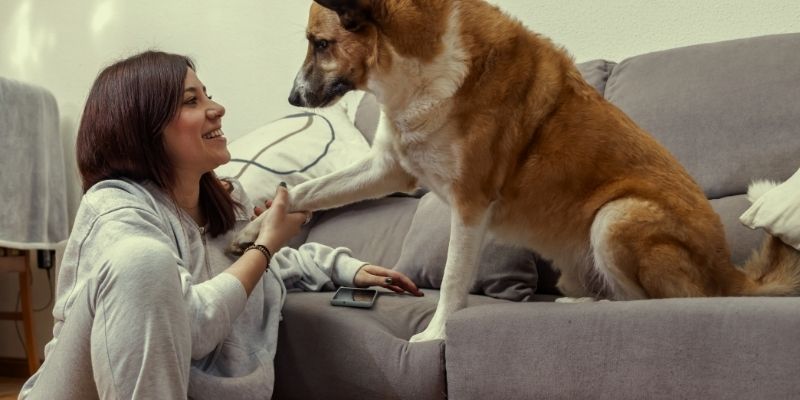
Only when your communication becomes consistent and predictable will the dog return to its bowl without fear.
How to Restore Appetite Through Trust
The answer to why a dog refuses to eat does not lie in changing the flavor of kibble or adding expensive toppings to the bowl. Instead, the solution lies in building a secure, predictable emotional bond. The dog must know exactly what it can expect from you at any moment.
Only when your communication becomes consistent and predictable will the dog relax, believe in tomorrow, and return to its bowl without fear. To explore more about how a stable environment and conscious diet choices support your dog’s vital systems, read our holistic nutrition guidelines.
At Sasha Riess, we teach that a dog’s behavior is the direct reflection of your inner world. True wellness means living in absolute authenticity to bring ultimate pureloveandharmony to your companion. Connect with your dog’s true nature today: Linktree Sasha Riess
👉 Follow our Facebook page and never miss our latest articles, news, and updates.
by Sasha Riess | 25.06.26. | Behaviour
During my time in Australia, I met Aleksandar and his dog. It was my first encounter with a case where a companion animal displayed such severe physical symptoms. The diagnosis was clear, but no solution seemed to exist. The animal suffered from epilepsy in dogs in its harshest form. Therefore, this critical case forced us to look deeper into what causes canine epileptic seizures when traditional methods fail.
The Limits of Traditional Veterinary Medicine
The traditional veterinary approach managed to keep the heavy symptoms under control only up to a certain point. Aleksandar took his dog to prestigious specialized clinics across the country. However, traditional veterinary medicine simply no longer had a reliable answer for the condition.
There came a dark moment when the seizures became incredibly frequent and severe. Consequently, modern medicine could no longer keep up with their rapid progression. This limitation shows why we must re-evaluate what causes canine epileptic seizures from a holistic standpoint.
Between Hope and the Final Option
The disappointment became complete when specialists told Aleksandar that nothing more could be done. Increasing the dosage of standard medication or combining additional drugs had become entirely impossible. Indeed, even the smallest chemical adjustment could have been catastrophic for the dog’s fragile organism.
As a final option, and with great “empathy,” the clinics advised him to euthanize his friend in order to end the suffering. Aleksandar was completely devastated. Yet, deep inside his heart, he felt that this was not the true end of the road.
Dog Nutrition: Allowed Fruits, Vegetables, and Mushrooms – A Complete Guide
Bathing Dogs: Hygiene That Protects Internal Organs
Alopecia in Dogs: Why Hair Cannot Break Through the Skin

Deep inside, he felt that this moment of hopelessness was not the end of the road.
It was precisely that intense moment of hopelessness that became the entry point into an entirely new understanding of what we call epilepsy in dogs. To explore more about how internal systems and environmental stress impact severe conditions, read our holistic behavior guidelines.
At Sasha Riess, we believe that when conventional answers end, a deeper understanding of biological harmony begins. True healing requires looking past the symptom to restore absolute pureloveandharmony within the organism. Discover a new perspective on your dog’s vitality:Linktree Sasha Riess
👉 Follow our Facebook page and never miss our latest articles, news, and updates.
by Sasha Riess | 25.06.26. | Coat Care
Maša, the owner of a Pekingese, inquired about the phenomenon of grooming this breed. She was intrigued by the sentence: “A well-groomed Pekingese is a happy Pekingese.” She wanted to know what the true path to that happiness is and whether it is more pronounced in this breed compared to others.
Genetic Mutation and Eugenics Within the Pekingese Lineage
Maša, first we must emphasize that we rarely see “true” show-quality specimens on the streets. What we usually see are modifications, genetic “mutations” that actually protect the dog from the harsh effects of eugenics. The Pekingese, similar to the German Shepherd, is a breed shaped and, in many ways, degenerated by human passion for specific utility. It was a dog that guarded the Chinese emperor, sleeping on his bed.
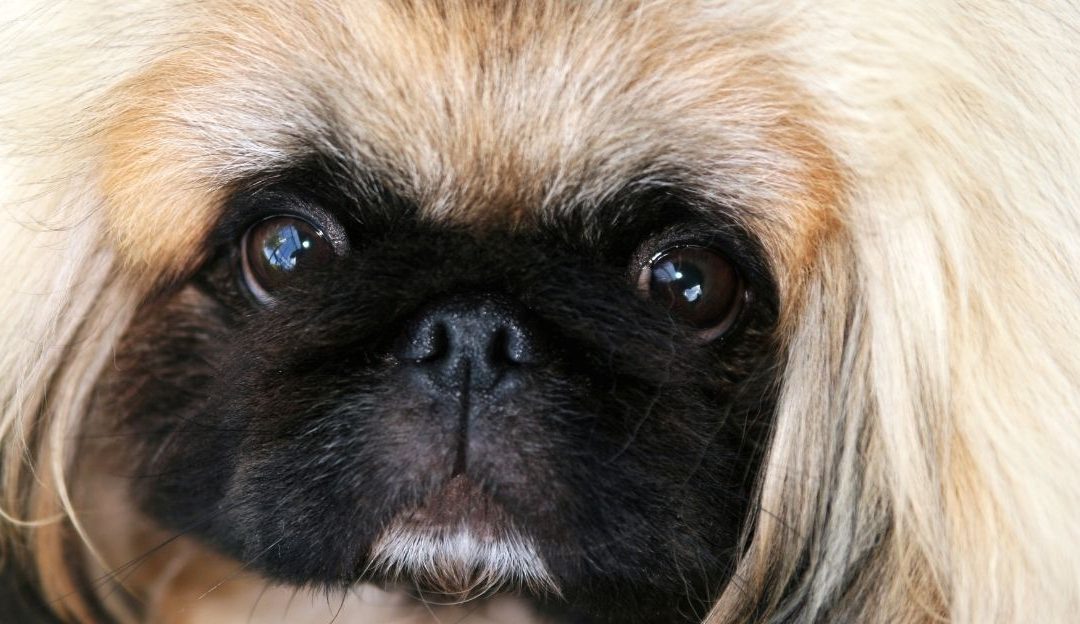
According to the laws of ancient China, no one around the emperor was allowed to sleep. Therefore, dogs were selected that could not close their eyes. Through selection, it was achieved that the Pekingese sleeps with open eyes, their eye appears three times larger than the eyeball, and the eyelids often cannot fully close. The second key point of selection was the dense coat: in winter it warmed the emperor, and in summer it cooled him.
From the Emperor’s Bed to a Happy Imperial Companion
Only a specially groomed dog could sleep in the imperial bed, and thus the concept of beauty became identified with this breed. Over time, owning a Pekingese became extravagant. Even today, their owners seem to belong to a different “breed” of people. A true Pekingese can rarely jump onto the bed by itself; it depends on the owner to lift it, and in that moment its happiness is complete. That is the path from a well-groomed dog to one that is happy because it is accepted into the intimate space of a human.
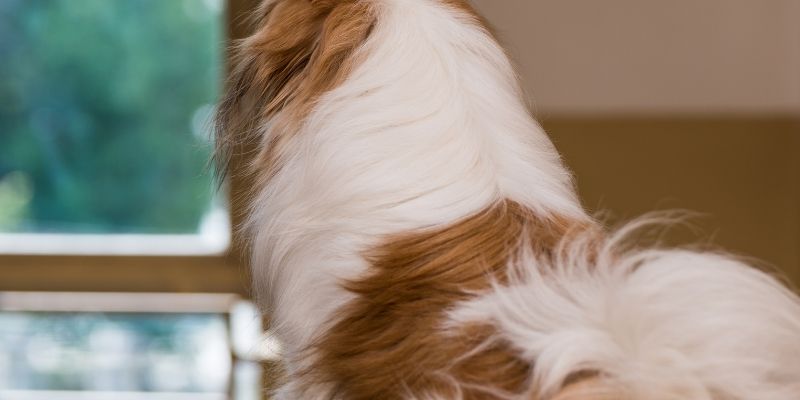
A lush undercoat requires bathing every 4 to 7 days with a mandatory conditioner.
Meticulous Grooming Routine and the Luxurious Pekingese Coat
The Pekingese has an exceptionally abundant coat that demands high awareness of routine. A proper coat is full of undercoat, which is often longer than the topcoat itself, which is why the fur easily tangles and mats. It is recommended that these dogs be bathed with shampoo and conditioner every 4 to 7 days. Although urban dogs today may have less undercoat, the basic principle remains the same: grooming is the key to their well-being.
At Sasha Riess, we recognize the profound historical and anatomical heritage woven into every strand of your companion’s coat. Honoring their unique lineage with meticulous, compassionate care is how we elevate their daily well-being into absolute pureloveandharmony. Pamper your imperial companion: Linktree Sasha Riess