Many of us believe we are stable because we have maintained our daily habits, but very often that routine is nothing more than the pain trap we fall into in order to hide our unprocessed wounds. In my previous column, I spoke about how, in an attempt to protect ourselves from overwhelming pain, we allowed dogs to be the first to show the consequences of our silence.
Denial: How the Pain Trap Is Formed Through Unprocessed Wounds
A recent comment stated: “There was no panic or chaos. The dog had its routine.” This sentence is a perfect example of the very truth I was writing about. It is born when the memory of pain is too heavy to open. When social trauma strikes so deeply that the easiest way to survive is to say that nothing happened.
But this kind of denial is not proof of stability. It is proof of a wound. The pain trap is a survival mechanism where we minimize trauma because we cannot yet bear to confront it.

The Most Dangerous Pattern of Collective Psychology
The normalization of suppression is dangerous—not just for adults, but for children and dogs. They do not have mechanisms to lock everything away in inner drawers. They will live what we do not dare to admit. Dogs are already living the symptoms of silence; children will inherit them if we continue on this path.
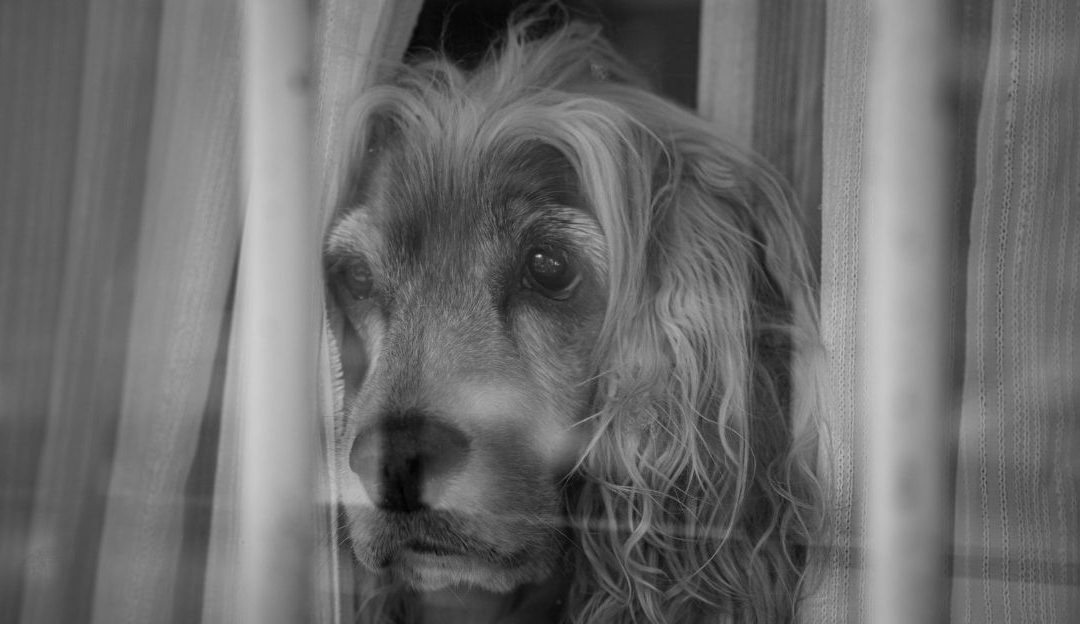
[Image representing the contrast between outward routine and inner emotional weight]
Symptoms of Silence: What Dogs Tell Us About Our Pain
When we say „the dog had its routine,“ we are often speaking about our own need to maintain the illusion of normality. But dogs have already shown us what happens when emotions remain without a voice. We see it in:
-
Severe separation anxiety
-
Increased reactivity
-
Panic when owners return to work
These are not „problem dogs.“ These are emotional imprints of human pain that was never fully processed within the pain trap.
When a Dog Refuses Obedience, Our Real Conflict Begins
When Play with a Dog Becomes a Trap
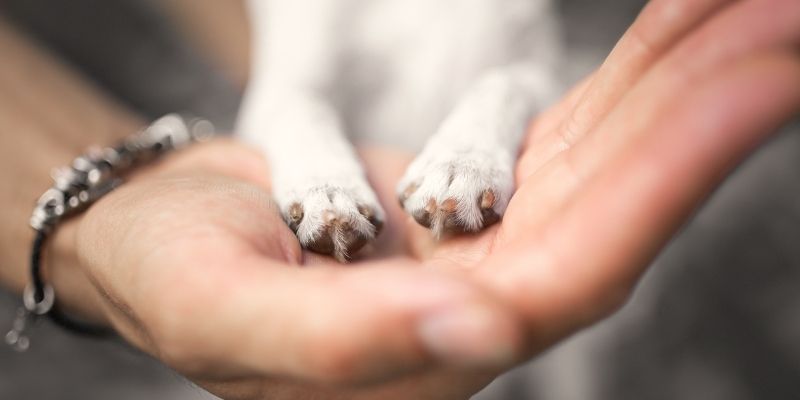
Our children and pets do not know how to hide what we are silent about.
Acknowledgment as the Path to Healing
If we do not speak about what happened, those who should not will speak instead: our children and our dogs. They speak through behavior, through the body, and through restlessness. We must not leave them an inheritance of a burden that belongs to us.
Acknowledging that it was hard and painful is not weakness. It is the only way to ensure we do not pass our own trauma on as an invisible inheritance. The pain trap only loses its power when we find the courage to speak the truth.
At Sasha Riess, we understand that a dog’s behavior is often a reflection of the human’s inner state. Breaking free from the pain trap is essential to achieving true pureloveandharmony. Start your journey of acknowledgment here: Linktree Sasha Riess