by Sasha Riess | 05.10.26. | Nutrition
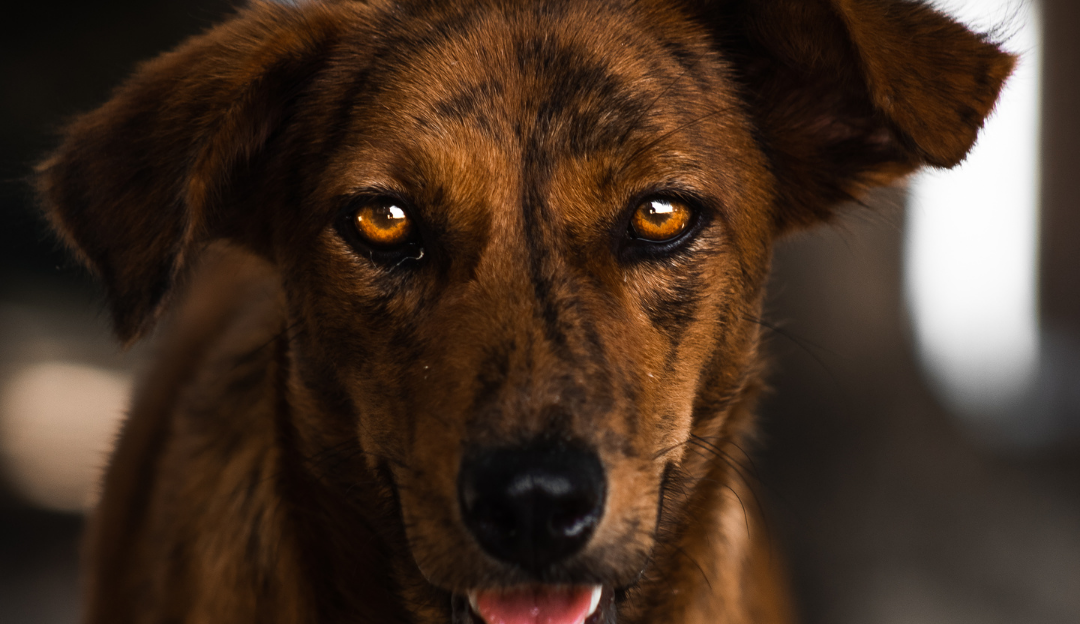
Many owners spend a great deal of time, energy, and money on shampoos and external products to improve the appearance of their companion’s coat. However, once the coat has already washed out and pigment has faded, external care no longer works miracles. External treatments provide only a temporary and superficial change. Consequently, understanding where is inner beauty created helps us realize that true transformation always begins deep within the body and depends on the overall health of the entire system.
The Microbiome and Gut: The Source of Canine Beauty
The answer to where your dog’s beauty originates remains remarkably simple: in the gut and its microbiome. A balanced microbiome enables proper digestion and ensures complete absorption of vital nutrients from food.
When the digestive tract functions perfectly, the body receives all the essential building blocks needed to regenerate skin and fur. On the other hand, a disrupted microbiome immediately displays external symptoms like a dry coat, pigment loss, dandruff, and excessive shedding.
Therefore, the gut serves as the foundation upon which overall health and external appearance rest.
How Nutrition and Supplements Transform Coat Roots
When we change our approach to nutrition and add biologically appropriate supplements, results quickly become visible on the skin itself. By parting the coat, owners observe the growth of completely new, exceptionally dense, and strong fibers.
The new coat close to the skin develops a deeper color, natural shine, and significantly better texture. This visible change confirms that inner beauty represents a direct consequence of internal health and proper care of digestive organs. Simultaneously, instead of masking superficial imperfections, we must invest in food that actively restores the body from within.
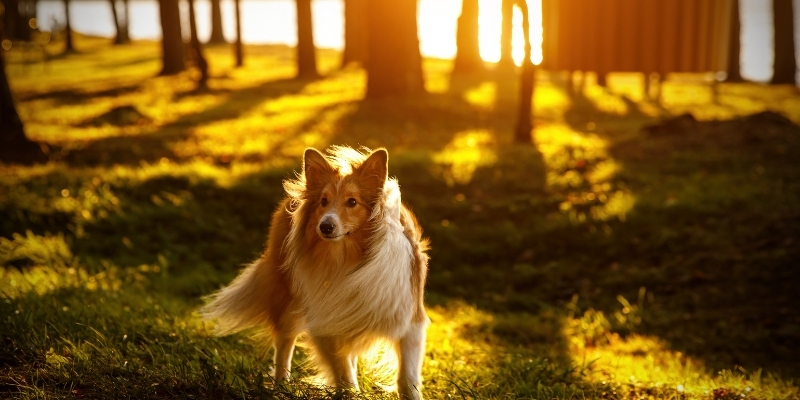
A LUSH, SHINY COAT IS A DIRECT NATURAL RESULT OF INNER BALANCE AND PROPER DIGESTIVE HEALTH.
External Shine as a Natural Result of Internal Balance
A dog’s beauty does not represent an aesthetic project that owners solve with scissors and cosmetics alone. It reflects the natural result of a healthy body in complete balance. When you provide your dog with proper support through fresh food and a balanced microbiome, the body responds with a lush, resilient coat.
Ultimately, reject short-term cosmetic solutions and dedicate your effort to building health from the very root. In this way, you ensure that your dog shines with full beauty, both from within and on the outside.
Thank you for reading.
To discover more about how emotional alignment, balanced lifestyle, and authentic energy restore internal balance, read our holistic health & nutrition guidelines.
See you next time.
At Sasha Riess, we look past commercial labels to honor the unique biological blueprint of your companion. True health requires addressing the subtle internal patterns that create lasting vitality and pureloveandharmony. Discover the customized path to your dog’s longevity: Linktree Sasha Riess
by Sasha Riess | 04.10.26. | Behaviour
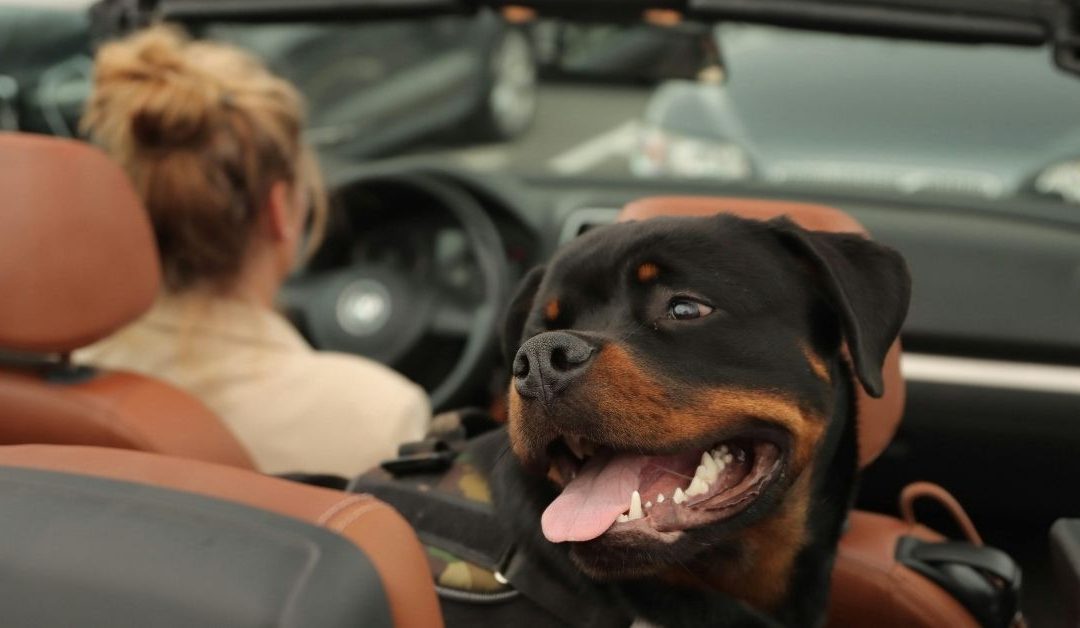
People often ask: are there truly dangerous dog breeds? Pit Bulls, Staffordshire Terriers, Dobermans, and Rottweilers frequently become the target of heavy prejudice. However, the truth reveals that no breed remains dangerous by nature. Consequently, understanding which dogs are dangerous requires examining human influence, upbringing, neglect, and the owner’s emotional stability.
Dogs act as a direct reflection of the people they live with. When an owner fails to process their own trauma, fears, or emotional blockages, the dog steps into the role of protector — and develops behaviors that appear aggressive or unpredictable.
Are Pit Bulls Dangerous?
A Pit Bull, like any other breed, acts gentle, loyal, and affectionate when raised properly. It is not the breed that carries danger, but the way humans treat the dog. Improper socialization, aggressive training, or neglect all lead directly to serious behavioral issues.
Therefore, breed labels distract from the real issue: human responsibility and proper upbringing.
Dogs and Emotional Connection with Their Owners
Dogs remain highly sensitive to their owner’s emotional state. When a person stays trapped in unresolved emotions or chronic stress, the dog senses it and immediately takes on the protector role.
This shift often leads to unpredictable behavior — barking, jumping, attacking, or withdrawal. In my book On Dogs and Awakening, I emphasize that a manual of communication exists between human and dog. If the owner fails to establish healthy, clear communication, the dog becomes trapped in the exact same emotional loop.
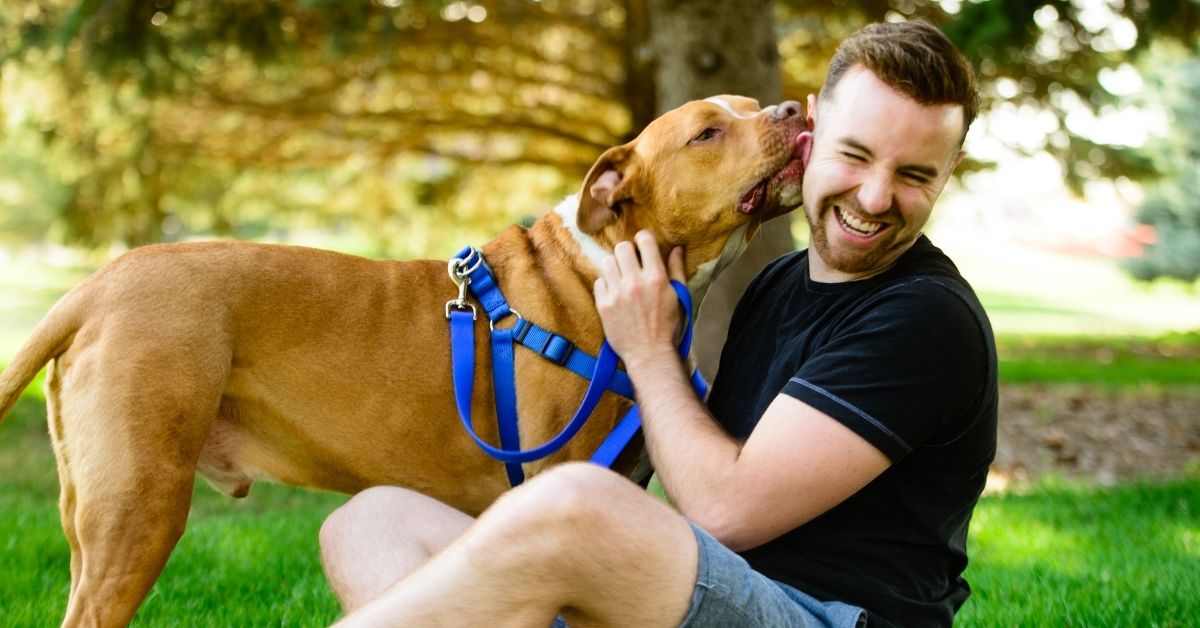
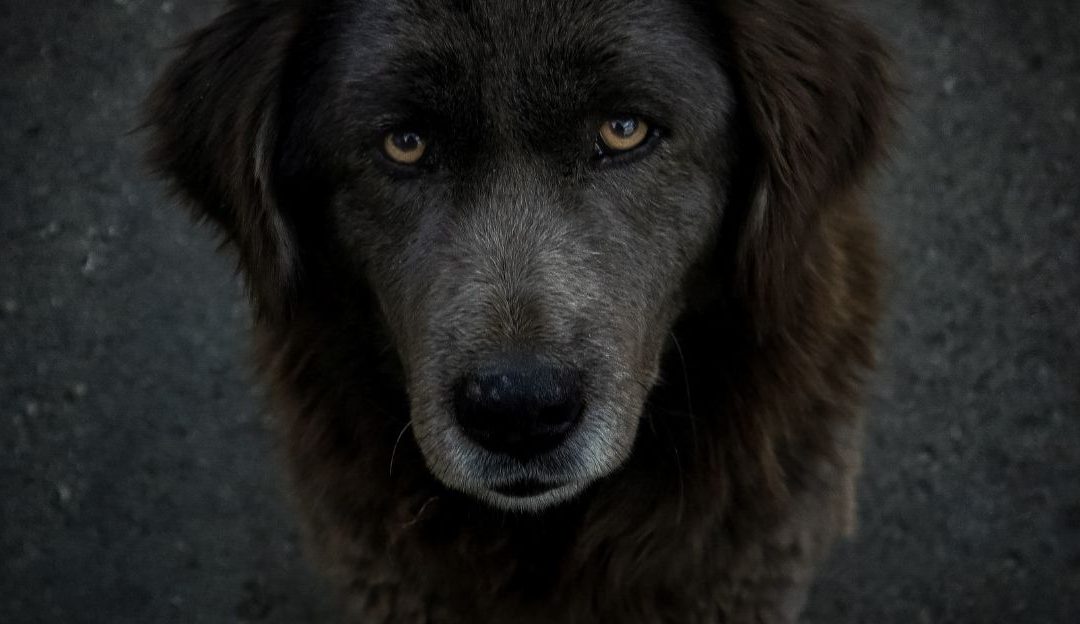
PIT BULLS SHOW AFECCTION AND DEVOTION WHEN RAISED WITH CONSISTENT, LOVING LEADERSHIP.
Who Is Truly „Dangerous“?
There are no dangerous dogs — only dangerous people who do not know how to manage their emotions, relationships, and lives. Simultaneously, when a person neglects themselves and their dog, both suffer together. The dog becomes unstable, and the owner remains emotionally unbalanced.
The Key to a Peaceful Relationship with Your Dog
A Pit Bull or any other breed does not possess a dangerous nature. The real danger lies in what humans unconsciously project onto their dogs — fear, trauma, or aggression. Ultimately, the key to a balanced and peaceful dog lies in a responsible, consistent, and loving owner.
Thank you for reading.
To discover more about how emotional alignment, balanced lifestyle, and authentic energy restore internal balance, read our canine communication & behavior guidelines.
See you next time.
At Sasha Riess, we look past commercial labels to honor the unique biological blueprint of your companion. True health requires addressing the subtle internal patterns that create lasting vitality and pureloveandharmony. Discover the customized path to your dog’s longevity: Linktree Sasha Riess
👉 Follow our Facebook page and never miss our latest articles, news, and updates.
by Sasha Riess | 02.10.26. | Behaviour
When a dog refuses to come when called, especially outdoors, many owners immediately assume they are doing something wrong. However, the dog rarely acts out of pure disobedience. Most of the time, the dog makes a decision based on the dynamics of the relationship with the owner and past experiences. Consequently, understanding why a dog refuses to come when you call helps us see that a refusal never happens by accident — it always has a clear underlying reason.
Establishing Structure and Feeding Rituals at Home
For a dog to truly want to come when you call, the exercise must begin at home. The first step involves establishing a clear feeding ritual. After you take your bite and prepare the dog’s meal, take a few steps backward and call your dog to come to you.
Even if the dog already follows you, stating the command clearly before placing the food down remains essential. When the dog finishes eating and moves away from the bowl, you lift the bowl away. Therefore, this process creates structure and teaches the dog that your invitations carry real meaning.
Using Intentional Rewards for Clear Communication
Rewards serve as a powerful tool, but only when you use them correctly. A treat should never exist as something constantly available. Instead, the dog must earn a reward through specific, desirable behavior.
That is why you should ideally reward the dog every time it comes when called, and never in any other situation. Food acts as a sacred channel of communication for dogs, so owners must use it with intention and absolute clarity.
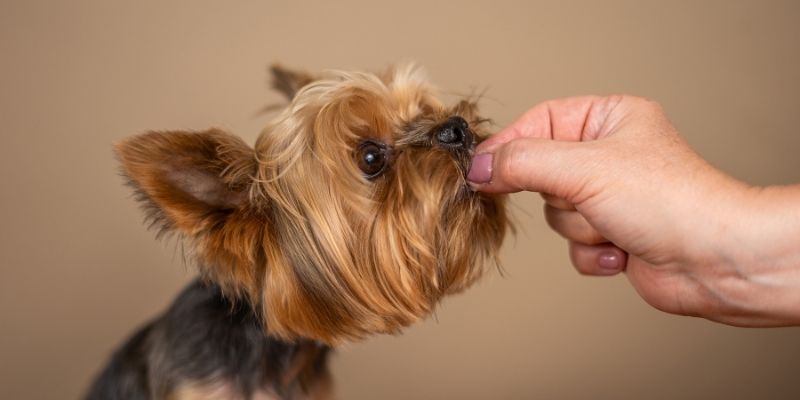
REWARDS SHOULD BE EARNED THROUGH SPECIFIC BEHAVIORS TO MAKE YOUR CALL THE MOST VALUABLE SIGNAL.
Building Predictability and Value Outdoors
Through this structured process, the dog learns that coming when called always brings something positive, predictable, and safe. Once you establish these rituals at home, they gradually extend to outdoor situations as well.
Simultaneously, remember that a dog does not ignore your call on purpose. The dog simply follows what its inner experience tells it is more important in that specific moment. Ultimately, your task involves making your call the most valuable signal in your dog’s entire environment.
Thank you for reading.
To discover more about how emotional alignment, balanced lifestyle, and authentic energy restore internal balance, read our canine communication & behavior guidelines.
See you next time.
At Sasha Riess, we look past commercial labels to honor the unique biological blueprint of your companion. True health requires addressing the subtle internal patterns that create lasting vitality and pureloveandharmony. Discover the customized path to your dog’s longevity: Linktree Sasha Riess
Comfort bundle prebiotics and probiotic supplement gut health aid your dog’s immune and digestive systems
by Sasha Riess | 01.10.26. | Behaviour
A sudden change in urination habits in a dog who previously maintained perfect house manners often confuses owners. When a dog begins urinating indoors, the reason may be medical, hormonal, emotional, or behavioral. In adult dogs, especially intact males, urination also serves as territorial marking. Consequently, understanding why a dog starts urinating indoors requires ruling out medical issues first and then observing the dog’s behavior and specific situations where accidents occur.
Medical Reasons Why a Dog May Begin Urinating Indoors
Before assuming disobedience, checking for underlying medical causes remains critical. Urinary tract infections, kidney problems, diabetes, or inflammation lead to sudden, frequent urination. A simple urine or blood test gives a clear picture of whether the dog experiences a physical problem that makes holding the bladder difficult.
When a medical issue exists, the problem is not behavioral but reflects real physical discomfort.
Behavioral Causes: Dominance, Marking, and Attention Seeking
In sexually mature dogs, urination often serves as territorial marking. This occurs especially in males who have not undergone neutering.
Sometimes a dog urinates indoors because it is:
If the dog realizes that urinating elicits a reaction, even a negative one, it continues using this behavior as a tool to attract attention.
Why You Should Not Punish a Dog for Urinating Indoors
Punishment consistently makes the problem worse. The dog begins to associate urination with fear and internal tension. Instead of understanding that the behavior is unwanted, the dog learns that urinating triggers interaction with the owner and provokes a reaction.
Ignoring the behavior proves far more effective because the dog receives nothing in return. Therefore, quietly clean the area without eye contact, and positively reward the dog every time it urinates outside.
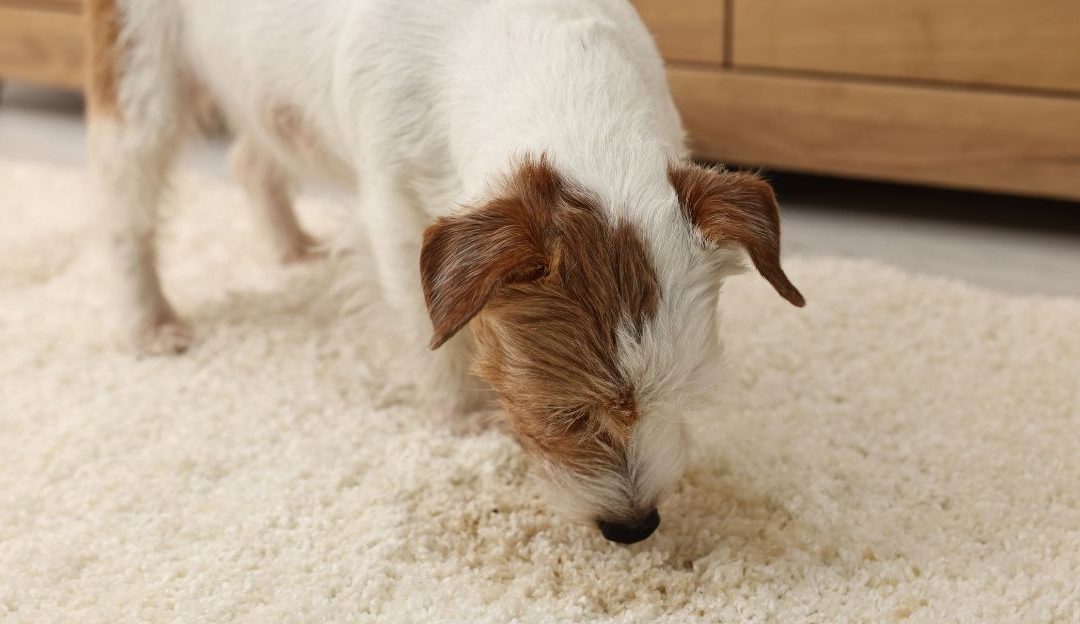
ESTABLISHING REGULAR ROUTINES AND CLEANING MARKED AREAS WITH ENZYMATIC CLEANERS PREVENTS REPEATED ACCIDENTS.
How to Resolve the Problem and Restore Healthy Habits
To prevent the dog from continuing to urinate indoors, follow these essential steps:
-
rule out medical problems first
-
consider neutering if the dog remains intact
-
establish a clear routine for walks and bathroom breaks
-
reduce emotional triggers such as stress, household changes, or new pets
-
regularly clean marked areas with enzymatic cleaners
-
avoid punishment and reward successes instead
Simultaneously, addressing emotional security and establishing predictable boundaries help rebuild confidence. Ultimately, when we remove health concerns and handle accidents calmly, our dogs easily return to their previous clean habits.
Thank you for reading.
To discover more about how emotional alignment, balanced lifestyle, and authentic energy restore internal balance, read our canine communication & behavior guidelines.
See you next time.
At Sasha Riess, we look past commercial labels to honor the unique biological blueprint of your companion. True health requires addressing the subtle internal patterns that create lasting vitality and pureloveandharmony. Discover the customized path to your dog’s longevity: Linktree Sasha Riess
by Sasha Riess | 30.09.26. | Behaviour
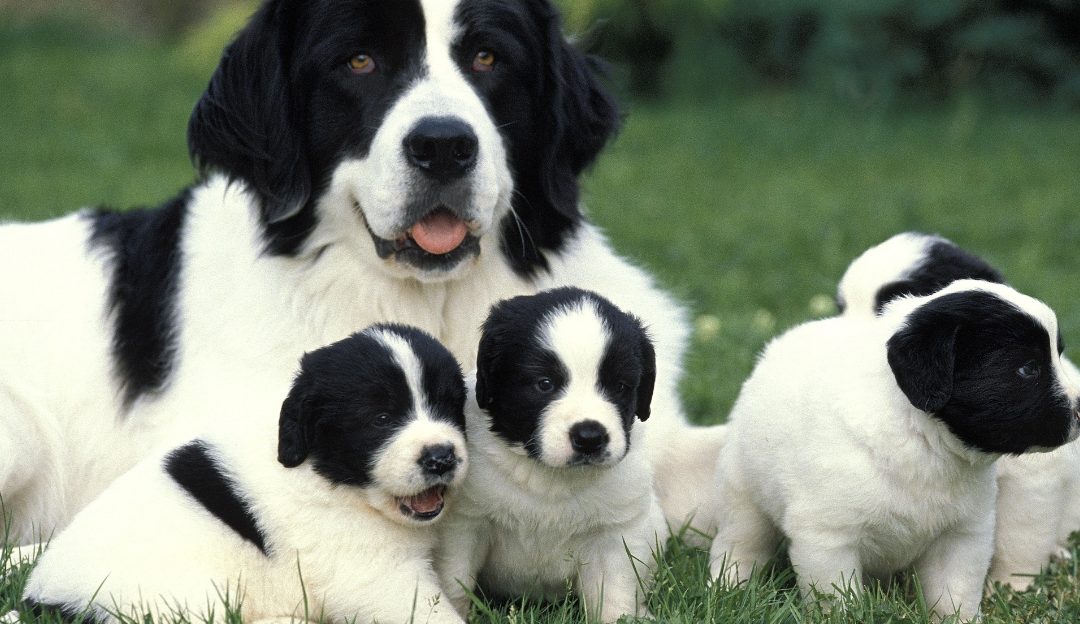
In the world of professional dog breeding, mating combinations involving extremely close relatives often occur. Breeding a mother with her son or a father with his daughter provokes strong reactions and misunderstanding among the general public. Consequently, understanding why are dogs bred with close relatives reveals whether this practice strengthens quality or consciously exposes hidden genetics to unnecessary risk.
Breeders use this practice when introducing completely new bloodlines or a new female into their genetics. Understanding this process unveils the true biological mechanics behind linebreeding.
Introducing a New Line and Identifying Genetic Defects
When a breeder purchases a high-quality female and introduces her into their kennel, they want to assess her genetic potential quickly. Therefore, the breeder mates this female with the best male from the existing line to produce offspring.
As soon as the son reaches sexual maturity, the breeder mates the mother and son in the following generation. The goal of this rigorous method involves immediately revealing, in that second generation, all possible hidden defects that the new line may carry.
Rapid Testing and Preserving Line Quality
In theory, breeding dogs with close relatives preserves a particular line and eliminates negative traits right from the very first step. By mating close relatives, all hidden weaknesses and potential hereditary diseases come directly to the surface.
In this way, the breeder immediately knows what they work with and what the new line carries in its genetic code. Simultaneously, without this method, hidden defects might not manifest until many years later in subsequent generations.
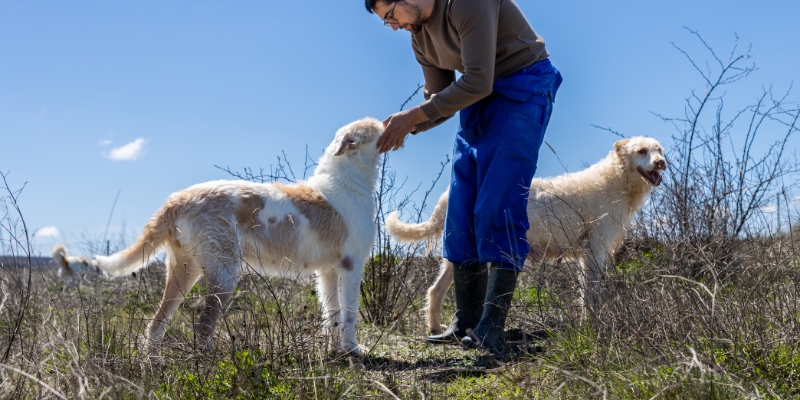
RESPONSIBLE BREEDING REQUIRES DEEP KNOWLEDGE OF GENETICS TO PRESERVE BREED STABILITY AND HEALTH.
Risks and Stability in Modern Breeding
Although this method provides rapid insight into a dog’s genetic profile, it carries enormous responsibility. Improper use of inbreeding permanently compromises the immunity and health of a breed. A breeder must possess extensive knowledge so they do not endanger the entire offspring.
Health screening and a deep understanding of biology form the foundation of safe breeding practices. Ultimately, only through a conscious approach to genetics can we prevent the spread of hereditary diseases and preserve the long-term stability of each breed.
Thank you for reading.
To discover more about how emotional alignment, balanced lifestyle, and authentic energy restore internal balance, read ourcanine communication & behavior guidelines.
See you next time.
At Sasha Riess, we look past commercial labels to honor the unique biological blueprint of your companion. True health requires addressing the subtle internal patterns that create lasting vitality and pureloveandharmony. Discover the customized path to your dog’s longevity: Linktree Sasha Riess
👉 Follow our Facebook page and never miss our latest articles, news, and updates.