by Sasha Riess | 22.04.26. | Emotions
In everyday life with dogs, play is often taken for granted as something always good, something that releases energy, brings joy, and strengthens the bond. But why is play not just play?
The Primal Nature of Play: The Endless Hunt
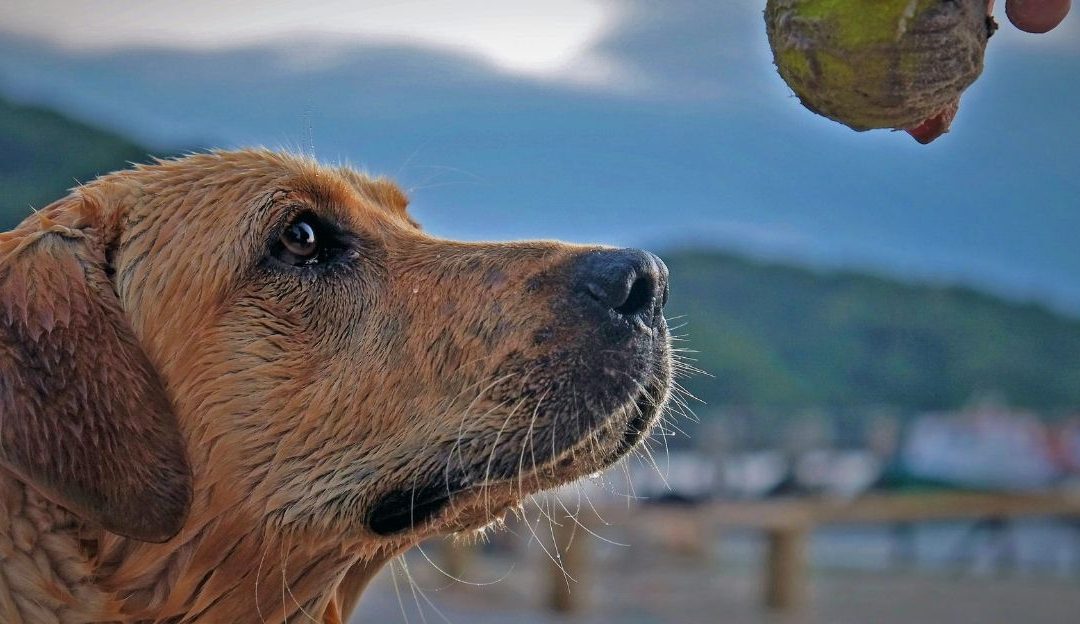
To understand the power of play, we must go back to its origin. The dog is a descendant of the wolf, a hunter whose survival depended on reenacting hunting behavior. For a dog, the motion of a thrown ball carries the same signal as prey.
In nature, this ritual always has a clear end. When the prey escapes or is caught, the cycle ends. In domestic life, when the prey keeps returning, the cycle never closes. The ball comes back again and again, and the instinct remains open. It is like a wound that never heals.
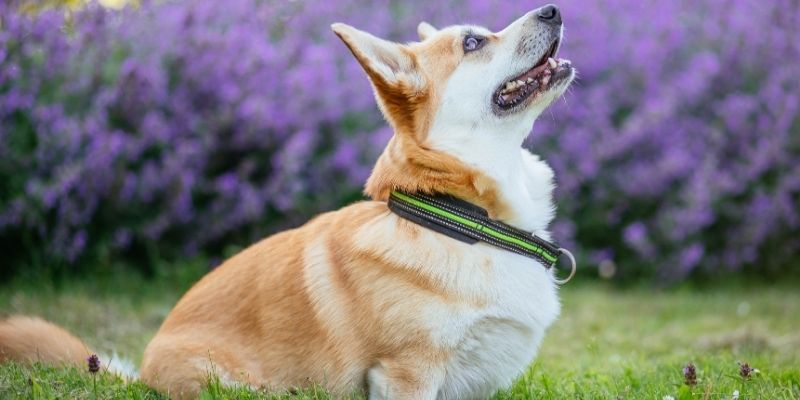
When constant stimulation floods the dog’s nervous system — instead of play, unrest arises.
Cortisol and the Cycle of Excitement
Modern science shows that excessive stimulation leads to chronic cortisol release—the stress hormone. A dog that chases balls every day falls into a loop:
-
The more we activate the hunting instinct, the stronger the excitement.
-
The harder it is to calm down, the more the dog seeks new stimulation.
-
This is not simple joy; it is a form of addiction similar to the human need for adrenaline.
Play as a Ritual, Not a Habit
In the Harmony Handbook, we teach that rituals create rhythm between tension and release. For play to serve as a true ritual, it must be controlled. A simple rule: any game that activates the hunting instinct (balls, frisbee, tugging) should be rare and structured—perhaps once a week, not daily.
Calm Play: The Power of Touch and Presence
If we reduce play solely to chasing, we miss its deeper meaning. Calm play—such as gentle touch, chest scratching, or soft brushing—is often what the dog values most. During these moments, cortisol decreases and oxytocin, the hormone of connection and safety, increases.
Consequences of Misguided Play
Many owners do not connect behavioral problems with the way they play. Pulling on the leash, barking, or even urinating in the house are often symptoms of an overwhelmed nervous system. When the body is stuck in „fight or flight,“ the dog cannot regulate basic needs.
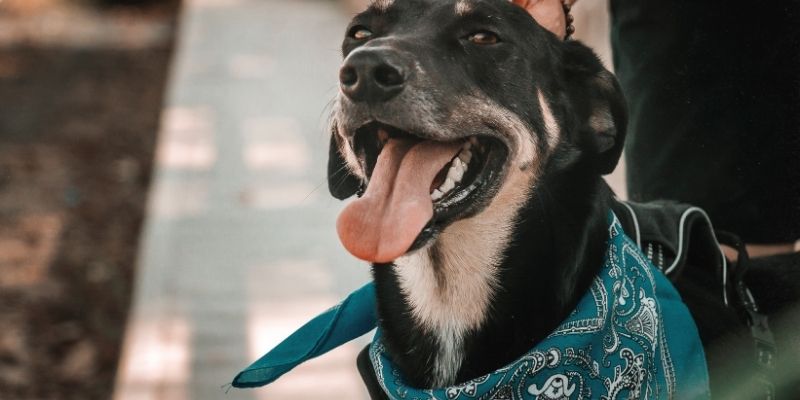
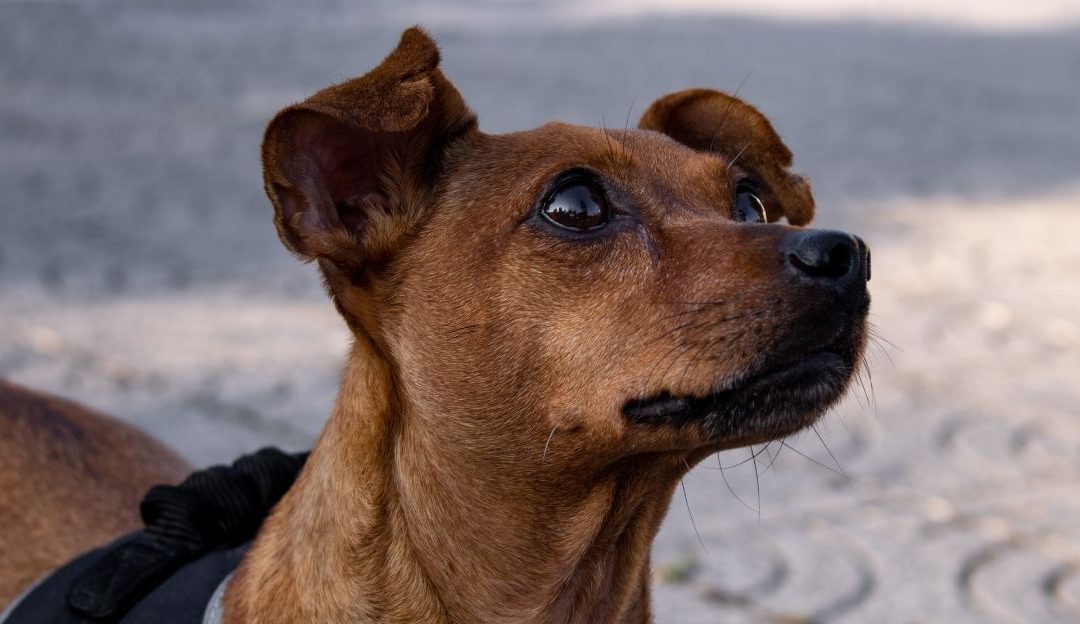
Calm rituals and touch — the most powerful way to reduce stress and strengthen the bond with your dog.
Practical Advice for Conscious Play
-
Structured hunting play once weekly: Keep it short (3-5 minutes).
-
Remove constant reminders of prey: Do not leave balls within the dog’s permanent reach.
-
Daily calm rituals: Prioritize touch, grooming, and quiet rest.
True harmony does not come from constant pursuit of excitement. It comes from balance, awareness, and the tenderness through which relationships are built.
At Integrative and Holistic Grooming Education, we teach that peace is the ultimate goal. If your dog is trapped in a cycle of high arousal, it’s time to return to the basics of presence. Explore the pureloveandharmony approach:Linktree Sasha Riess
by Sasha Riess | 20.04.26. | Behaviour
There are moments in the relationship between a human and a dog that seem almost insignificant, yet they contain the entire truth about who we are.
A Bond That Is Not Measured by Words
We stand and call the dog. He starts walking toward us, then stops halfway. He looks at us and waits. That moment of silence reveals far more than any command ever could. It is not a struggle of strength, but a struggle of presence. Who will give in first. Who will take the step. If we move toward him, we lose leadership. If we remain calm, we become a source of safety.
Leadership in a relationship with a dog does not mean dominance. It means becoming a point of support. The dog does not seek a master, but stability—someone who carries order within themselves.
The Dog as a Mirror: The Price of Carrying Someone Else’s Unrest
In such relationships, the dog becomes our emotional regulator. When our heart races with anxiety, he lies next to us. But every system that reverses roles carries a cost. When a dog takes on a role that belongs to a human, he slowly begins to carry a weight that exceeds him. His nervous system begins to respond to our emotions.
That is why it is no coincidence that many dogs develop conditions that reflect the state of their owners. Heart problems, allergies, and anxiety are often expressions of the dog paying the price for our lost sense of safety.
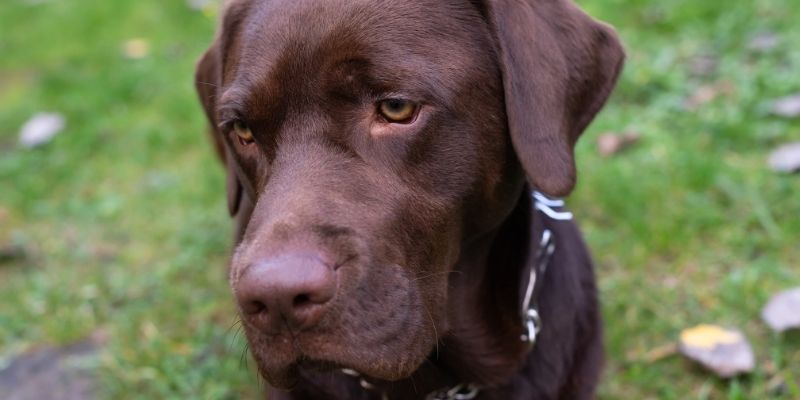
The dog takes over our inner unrest. Its body begins to live our unconscious.
Leadership in Silence: A Lesson in Trust and Stability
When the dog stops and looks at us, a mirror of our history opens in front of us. Do we know how to stay? Leadership is an act of silence. It begins when we no longer need to prove that we are leading. Love without boundaries is not love; it is confusion. When we learn to stand, not out of pride but out of trust, we restore order both to ourselves and to the dog.
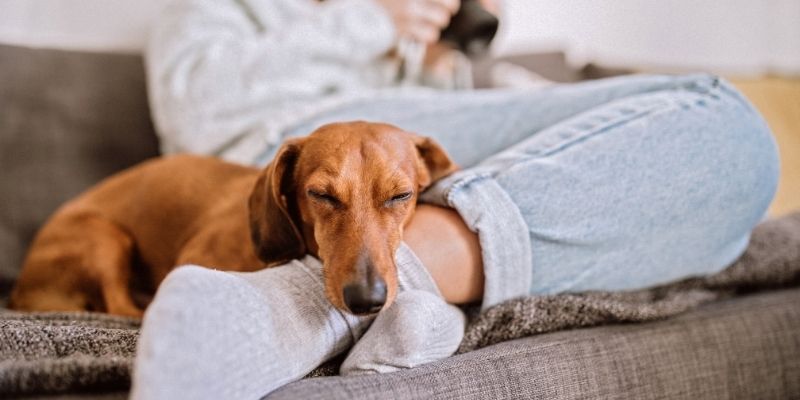
Leadership is not an act of power, but an act of silence and stability. When you stand, the dog will come.
When the Dog Trusts, Order Returns
The next time your dog stops and looks at you from a distance, do not rush. Do not go toward him. Stay. Breathe. This is not a test of obedience; it is an invitation to check where you are. Because if you stand, he will come. Always. And when he comes, he does not come to submit, but to surrender. That is the moment when love stops being a need and becomes a relationship.
The dog becomes a dog again, and the human becomes human again. Energy flows in the right direction, calmly and without effort. True love never demands proof, only peace.
At Integrative and Holistic Grooming Education, we understand that the energy you project is the most powerful tool you have. When a dog stops and waits, they are asking for your stability. Find your inner peace and restore pureloveandharmony: Linktree Sasha Riess
by Sasha Riess | 19.04.26. | Behaviour
When a dog is left alone at home and begins to cry, howl, scratch the door, or destroy items, many owners think it is simply “being spoiled.” However, in most cases, this behavior is separation anxiety, a deep fear that the owner will not return or that the dog has been abandoned.
This problem is common, but often misunderstood. Out of good intentions, owners start sacrificing their own life, staying home, avoiding plans, and adjusting everything to the dog, believing it will help. But this actually makes the problem worse.
Why Excessive Sacrifice Hurts the Dog
Dogs that suffer when left alone are not just “sad.” They are anxious, and the anxiety becomes stronger each time their fear “works.” When the owner avoids obligations or returns quickly because the dog cries, the dog receives the message: “You are right to be afraid. The world is dangerous without me.”
Dogs do not want us to sacrifice ourselves. They want a stable, calm, confident human who shows them that leaving is normal and returning is certain.
Secure Attachment vs. Separation Anxiety
Dogs with secure attachment can stay alone because they know the owner always returns and they feel they are in a predictable routine. On the other hand, a dog with separation anxiety experiences panic. To them, the owner has disappeared forever. This results in:
-
Urinating or defecating indoors
-
Chewing furniture or belongings
-
Scratching doors until injuring paws
-
Trembling, whining, or circling endlessly
These are not “bad habits”; this is a physiological response to fear.
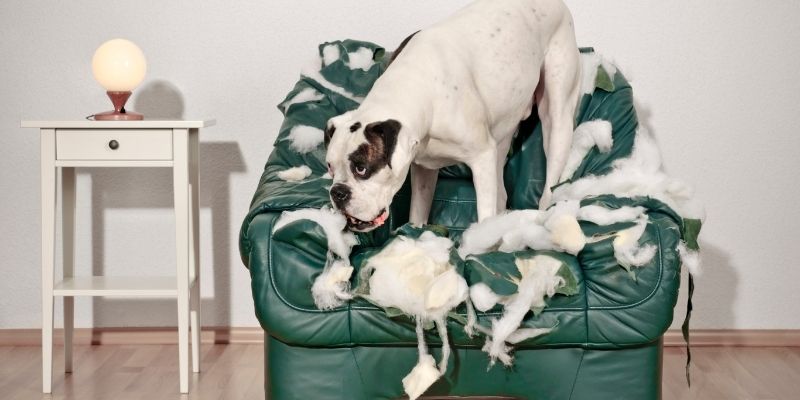
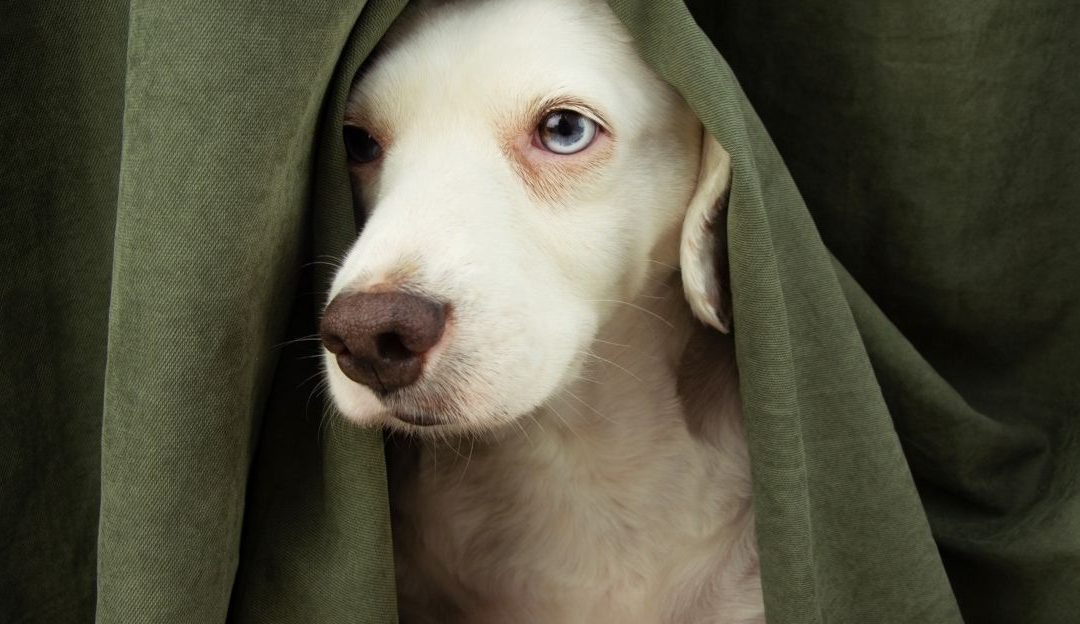
Destroying objects is one of the common signs of separation anxiety.
How to Help a Dog Stay Alone Without Stress
The good news is that most dogs can be rehabilitated. Here are the most important steps:
-
Introduce short departures without drama: No long goodbyes. Simply leave and return after a minute or two.
-
Ignore exaggerated emotional reactions: Attention strengthens panic.
-
Teach independence while you are at home: Practice short “stay” exercises in different rooms.
-
Do not return because the dog is crying: This reinforces fear. Return only when the dog is calm.
One Important Truth Every Owner Should Know
A dog who cries when left alone is not spoiled; the dog is scared. But a dog who cannot stay alone is not happy; the dog is dependent. And dependence is never love. Love is safety, trust, and the freedom for a dog to stay calm even when you are not there.
At Integrative and Holistic Grooming Education, we teach that a balanced dog starts with a balanced owner. Separation anxiety is an energetic knot that can be untied with the right approach. Restore the pureloveandharmony in your home:Linktree Sasha Riess
by Sasha Riess | 16.04.26. | Emotions
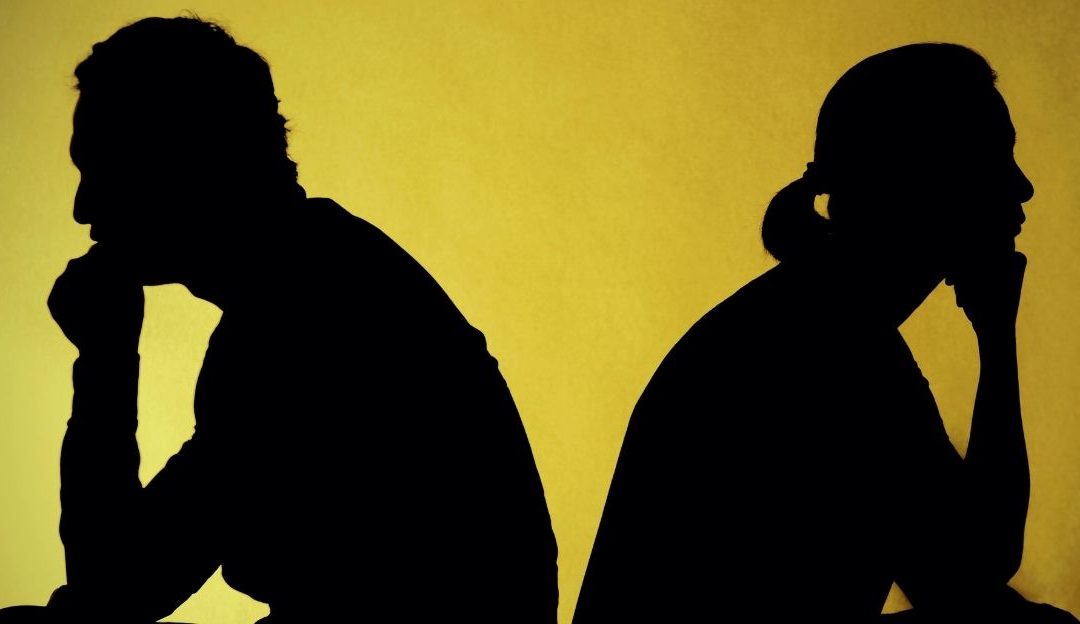
Pretending that everything is fine has become one of the most expensive modern habits. When we enter this game of hiding the truth, from ourselves, from our partner, from our children, even from our dogs, our life slowly loses authenticity. Instead of living from our inner truth, we begin shaping situations out of fear.
Where will I live if I leave? How will I pay rent? What if I lose my job? What if everything falls apart? These questions seem rational, but they actually push us into emotional paralysis. Instead of choosing truth, we choose survival. And when we choose survival, the cost is always the same—health.
The Emotional Cost of Pretending
Every time we suppress what we feel, the body begins to react. Through stress, insomnia, fatigue, weakened immunity, tension, and even chronic illness. Our dogs and our children are the clearest witnesses of this. They intuitively feel everything we hide. A dog that is always restless, a child that does not listen, a home that constantly feels like a battlefield. All of it is a reflection of what we refuse to acknowledge.

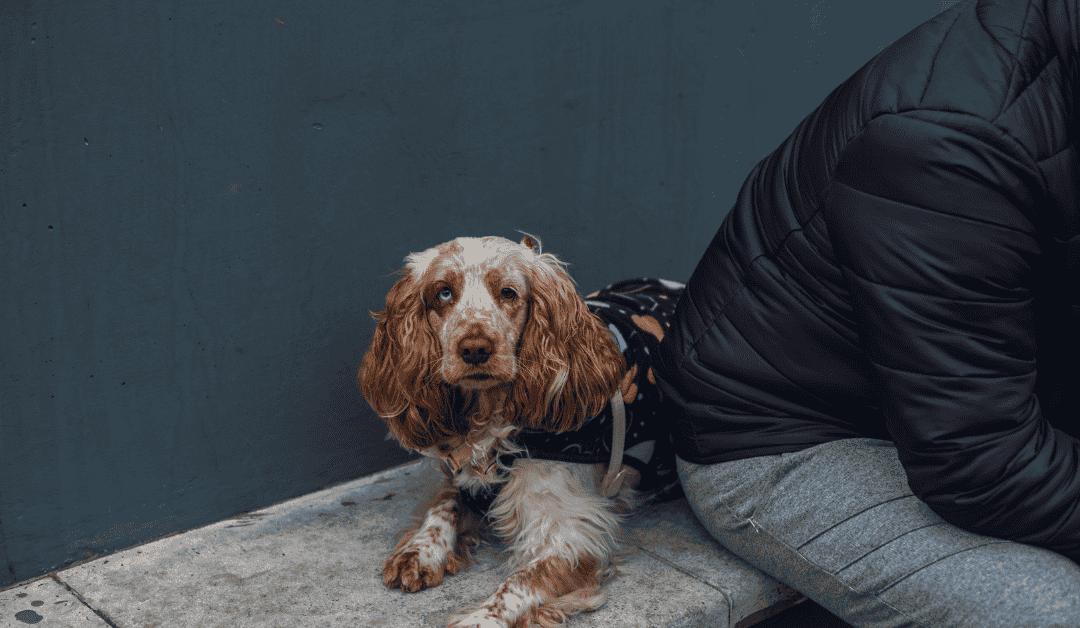
Dogs feel every unspoken emotion in the family.
Why Children and Dogs Are Mirrors of Our Truth
There is no child that becomes spoiled on its own. There is no dog that becomes demanding without a reason. They become who we are in the moment when we send them messages that are not aligned with our inner state.
If a mother takes what is not hers—for example, stays in a marriage that has long been over, stays out of fear, out of need, out of convenience—the child will seek the same, what does not belong to them. If we pretend everything is fine when it is not, the dog will live in the energy of tension and imbalance, and will behave “problematically”, even though it is only mirroring our state. Children and dogs are not spoiled; they are our mirror.
A Relationship That Has Ended, but Still Continues
The greatest emotional cost of pretending comes from a relationship that ended long ago, yet still exists. A partnership reduced to logistics. Love that remains only in form, not in substance. A household that continues simply because no one has the courage to speak the truth.
This is where the most emotional resistance is born. And the dog feels every second of that tension. The child feels every unspoken sentence. Pretending costs us peace. Truth gives us life back.
At Integrative and Holistic Grooming Education, we know that energy never lies. Your dog doesn’t react to your words, but to your truth. To heal the bond, you must first heal the silence: Linktree Sasha Riess
by Sasha Riess | 30.03.26. | Behaviour
Punishing a dog is never the solution. It leaves lasting consequences not only for the dog but also for us. Instead of control and force, the real path leads through love, understanding, and trust. Our approach to discipline is perhaps the most profound reflection of the human dog relationship.
My View on Canine Behavior
Today I live with a dog who behaves beautifully. He follows me, listens, and walks at my side. At first glance, it looks perfect, but I always ask myself one question: At what cost?
When a dog’s behavior comes solely from our will and pressure, that behavior is no longer natural, but imposed. Such an approach leaves deep traces, and the consequences often show up later as various health problems. We are seeing more and more dogs suffering from epilepsy, tumors, and other serious diseases. While many search for the cause in poor nutrition or vaccinations, few stop to ask whether these physiological factors are the only explanation. Could the suppression of a dog’s soul within the human dog relationship be the silent trigger for physical decay?
A Harmonious Relationship Between Owner and Dog
Punishing a dog does not create obedience; it creates a „Janissary“—a being stripped of its own will. Love and understanding are the only materials that can build a real, lasting relationship.
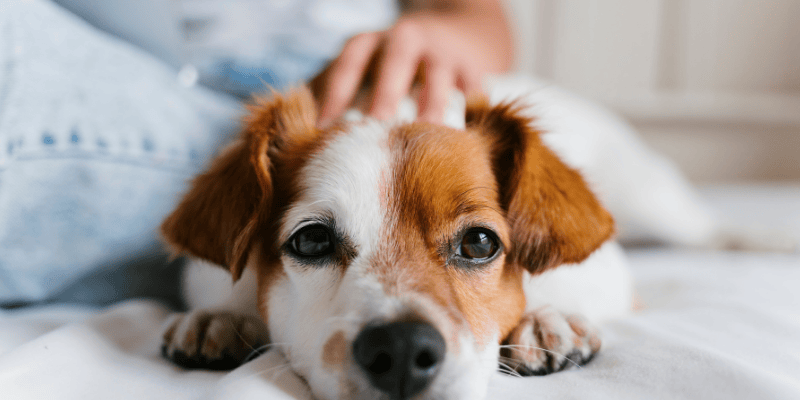
Punishing a dog does not lead to obedience — love and understanding build a true relationship.
The Question I Ask Myself
When I am faced with a choice in how to respond to my dog, I always remember one thing: Every time I punish him, I am actually punishing myself.
Our choices in how we treat our dogs mirror our inner world. If I choose the path of strict control and force, it means I carry inner insecurities that I project onto him. The human dog relationship acts as a mirror, showing us the parts of ourselves we are afraid to face.
Why This Is Not Easy to Accept
It may sound simple: Do not punish your dog, love him, and let him be who he is.
But if it were easy, people would effortlessly give up bad habits, stop eating food that harms them, or leave toxic environments. Life would be much simpler. In reality, it takes courage and deep honesty to admit that the way we treat our dog is a reflection of how we treat ourselves. True healing begins when we stop seeking control and start seeking connection.
At Integrative and Holistic Grooming Education, we believe that precision in nutrition is a reflection of our care. When we measure with love, we feed the soul. Explore our philosophy: Linktree Sasha Riess